
5-Day Private Tour Istanbul
5-Day Private Istanbul Tour
Day 1: Old City of Istanbul Tour, Part 1
The Hippodrome: In a U-shaped arena, 100,000 people watch an old horse race. The only parts of the Hippodrome that still stand are the Egyptian Obelisk, the Serpent Column, and the Constantine Columns. The seats, walls, and most of what was left have been destroyed.
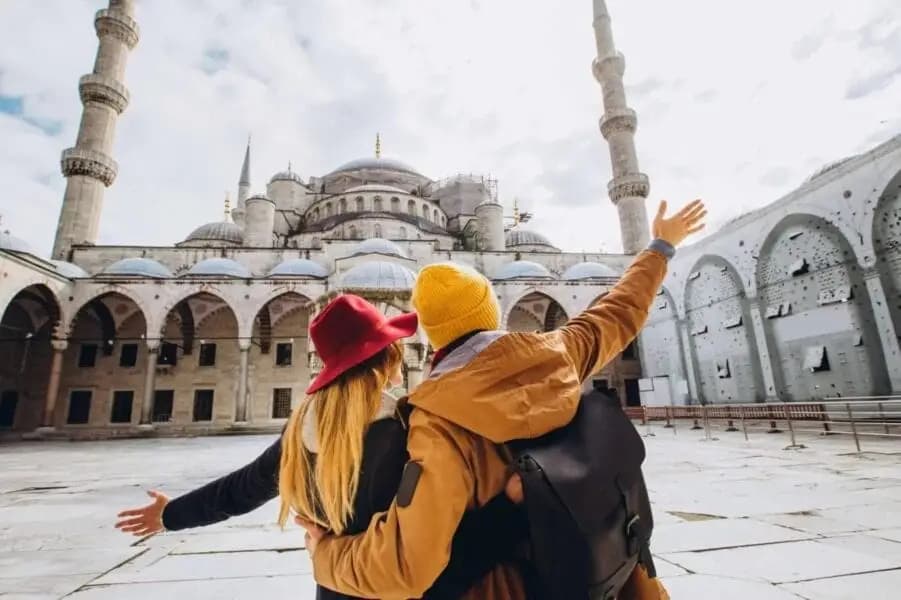
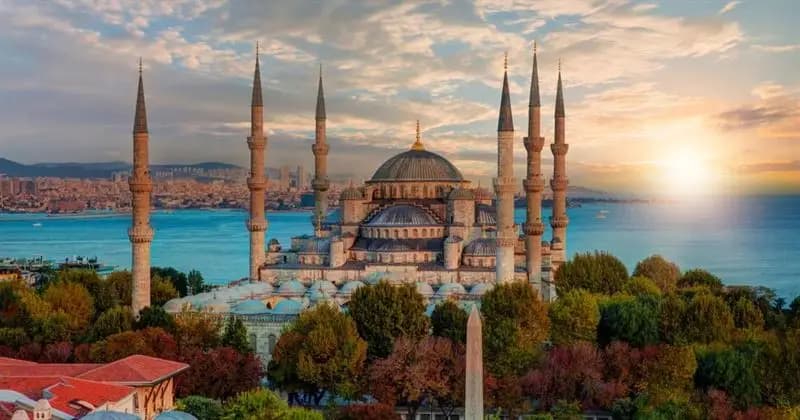
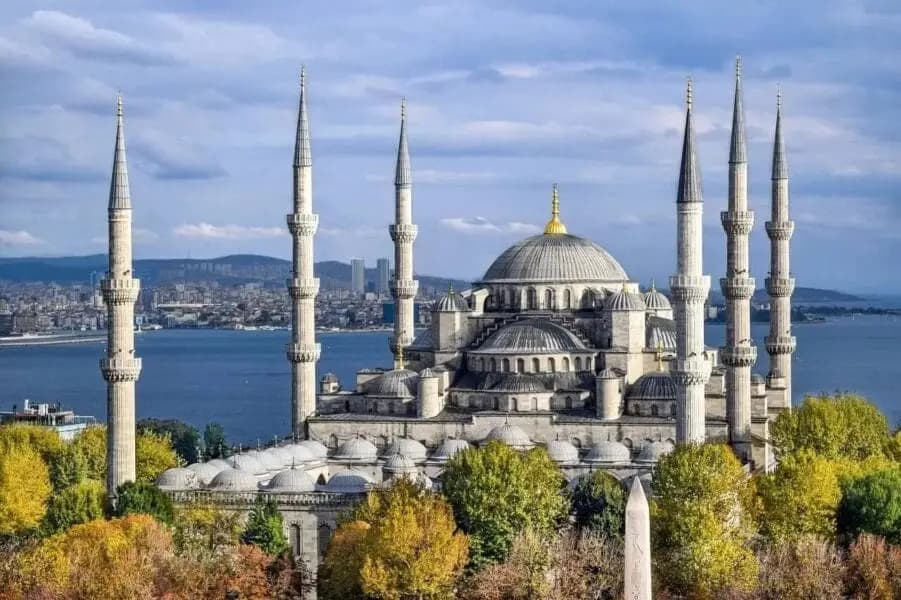
Between 1609 and 1616, Sultan Ahmed built the ブルーモスク. During the Ottoman Empire, it was a royal mosque. It is called the Sultanahmet Mosque, but tourists gave it the name "Blue Mosque" because of the blue tiles inside.
The Istanbul Mosaic Museum has an amazing collection of Roman tiles, most of which are from the 4th to 6th centuries. The museum is in the Great Palace of Constantinople, which gives tourists a unique chance to see how intricately these mosaic works of art were made. The mosaics show different scenes, such as mythological characters, everyday life, and holy symbols.
The Islamic Art Museum in Istanbul has a wonderful collection of Islamic art and objects from many different places and times. There are many different kinds of art on display at the museum, such as illuminated texts, calligraphy, ceramics, textiles, metalwork, and wooden art.
Visitors can look at the beautiful craftsmanship and intricate details of these works, which show off the Islamic world's rich cultural history. The Istanbul Islamic Art Museum gives a fascinating look at how Islamic society has contributed to art and culture throughout history.
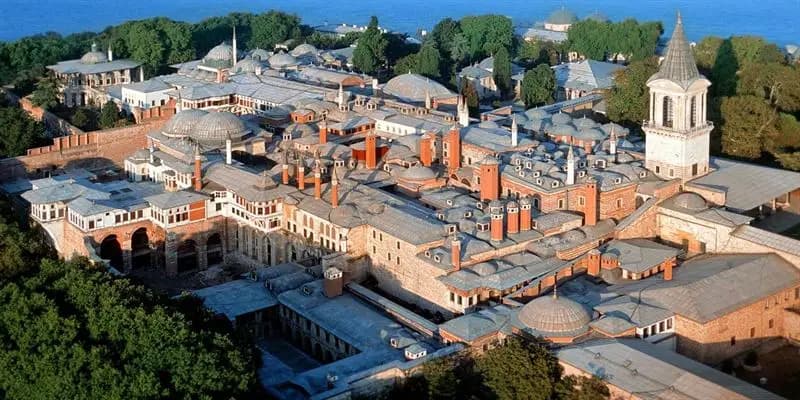
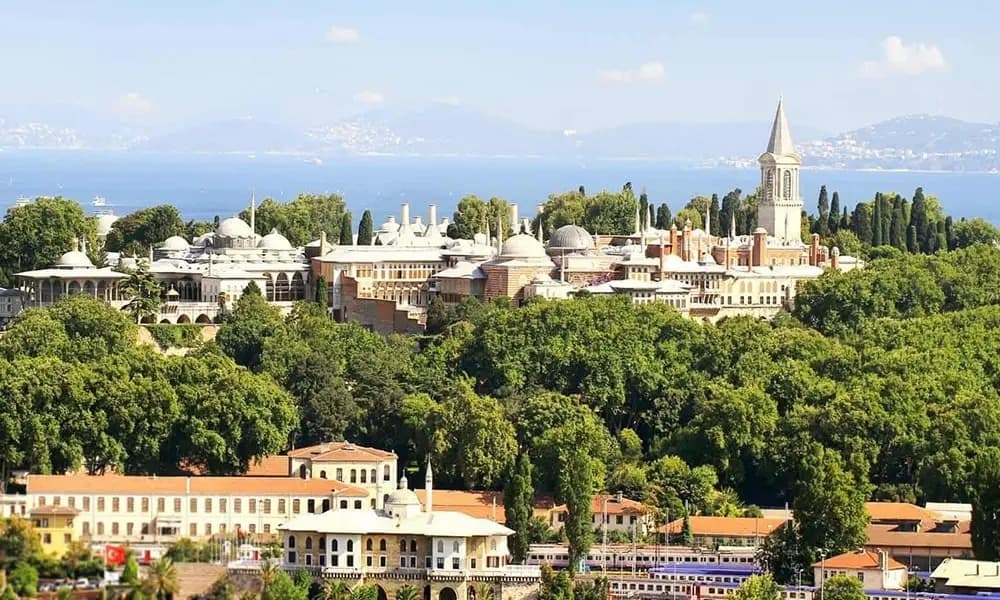
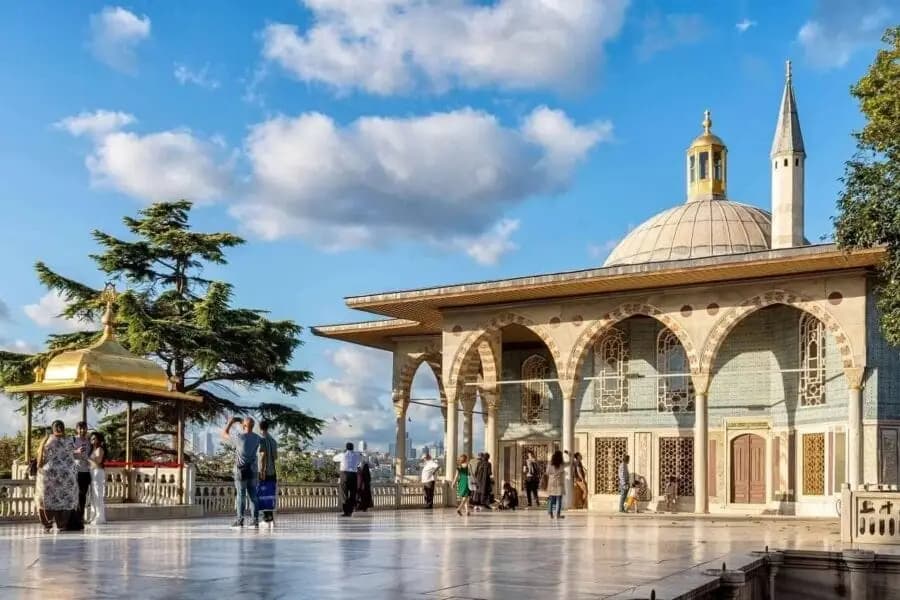
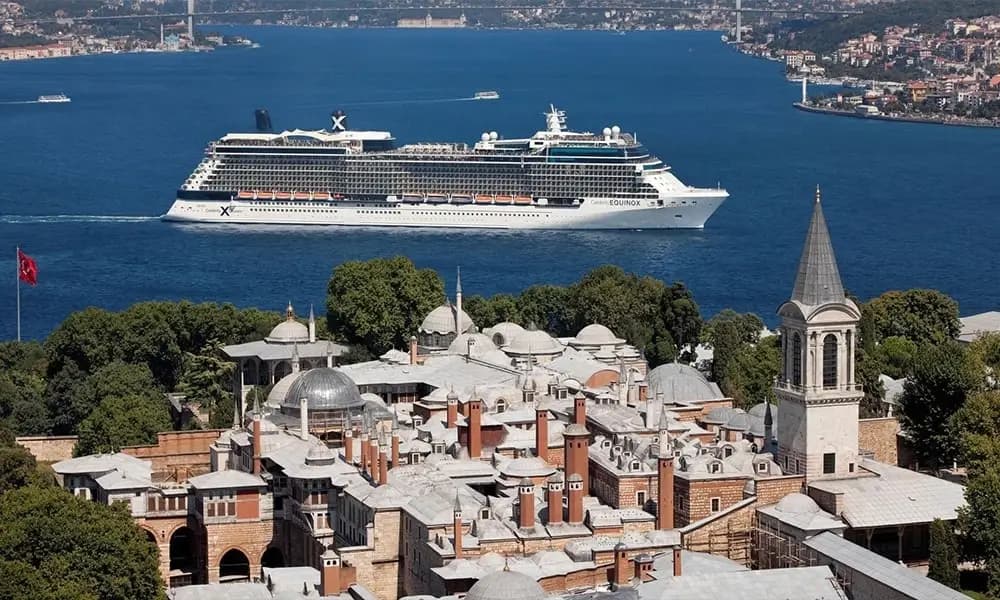
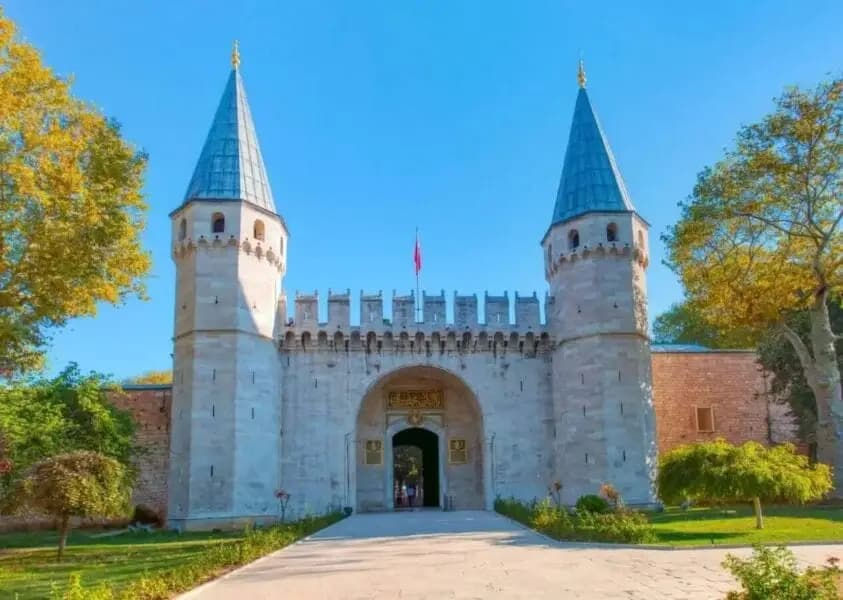
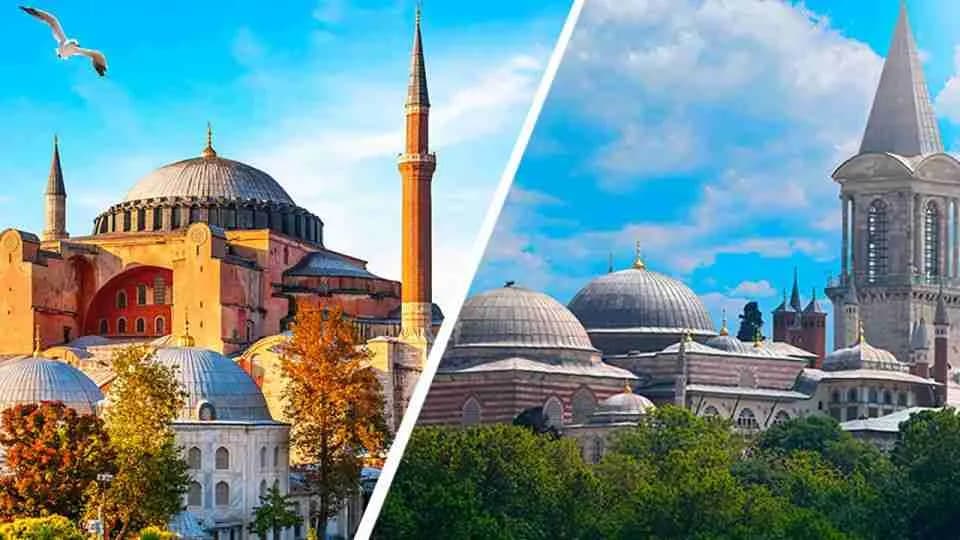
The Topkapi Palace used to be the center of government and life for the Ottoman Empire. In the 15th century, Sultan Mehmet II built the palace. It later became the center of the Ottoman Empire's government. Since 1924, it has been used as a museum.
Day 2: The Old City of Istanbul, Part 2
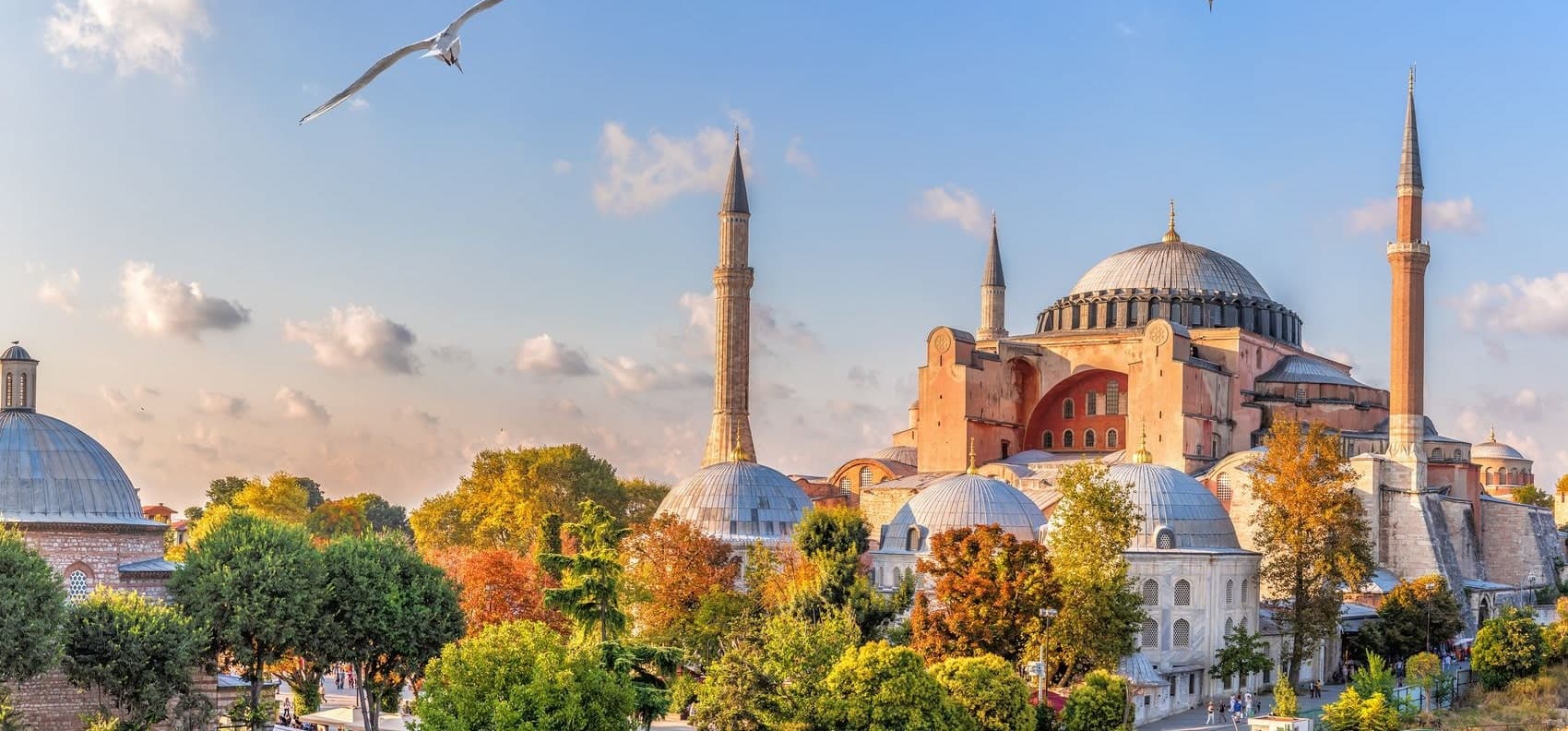
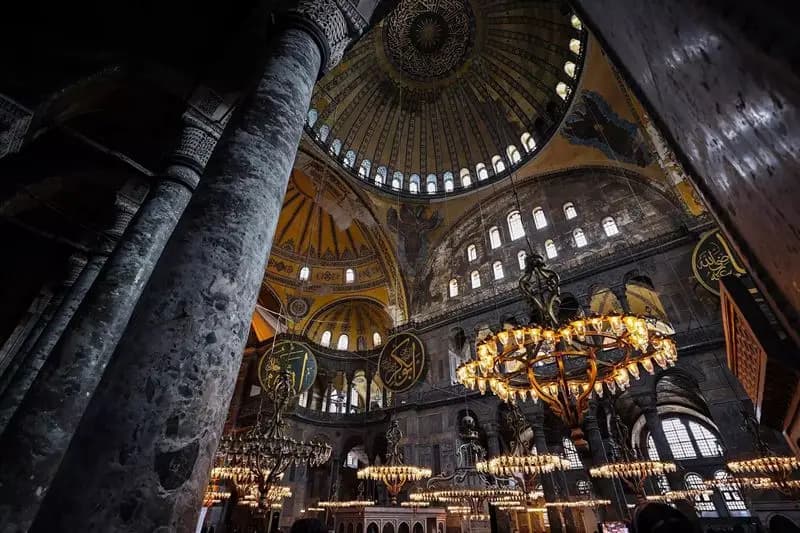
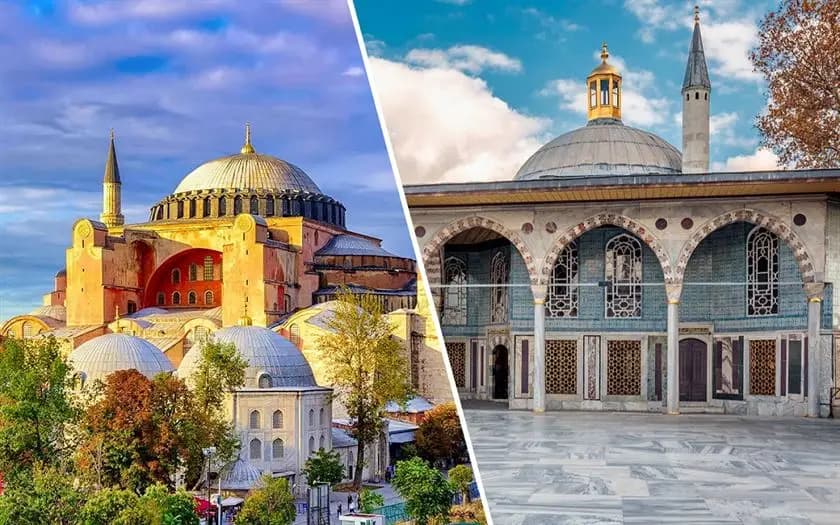
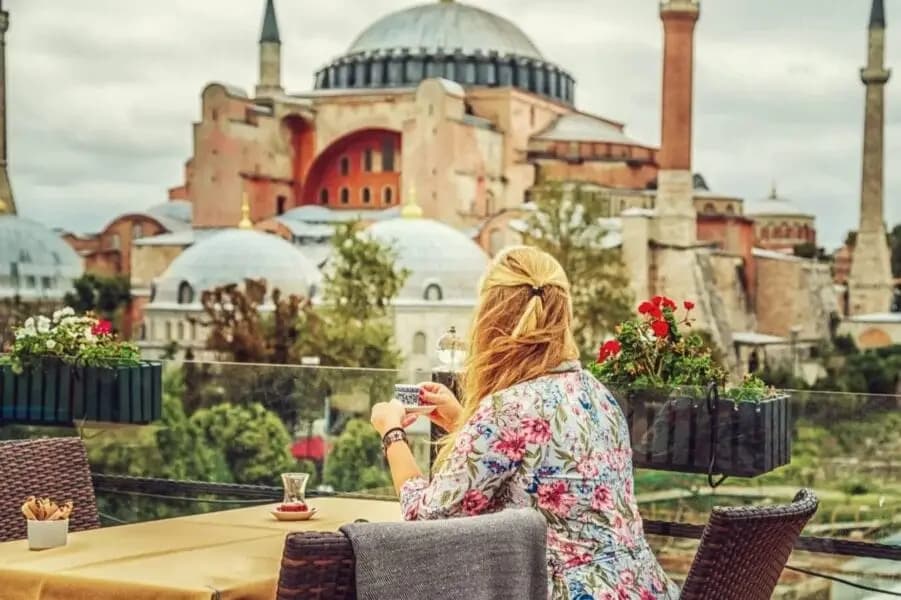
Between 532 and 537, Justinian, the Roman Emperor, built アヤソフィア. It grew to be the tallest and largest church in the world. In the 1500s, the Ottomans turned the church into a mosque. In 1934, it was turned into a museum. In July 2020, the Hagia Sophia stopped being a museum and became a mosque again. Like the other churches, tourists can go to Hagia Sophia.
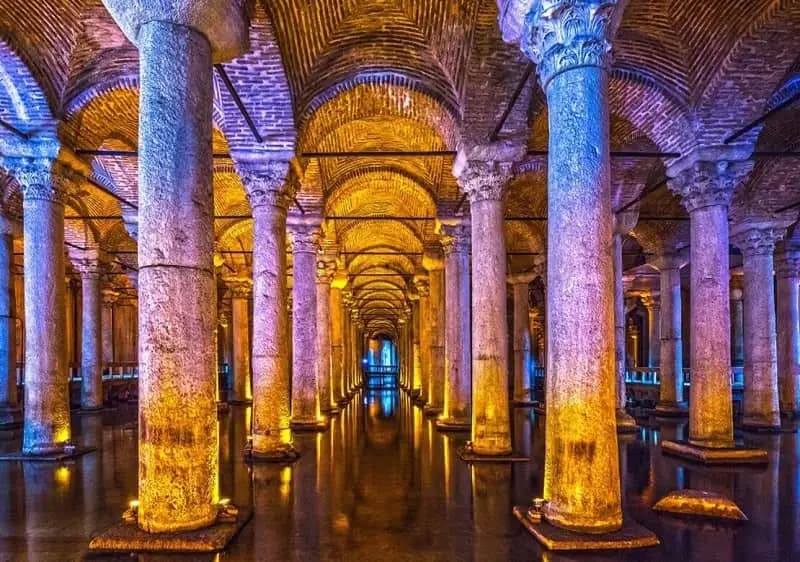
The Roman Emperor Justinian built the underground water tank close to the Hagia Sophia.
In the year 600, the 地下宮殿 was built. The tank is about 9,800 square meters and is 138 meters long and 65 meters wide. The upside-down and right-side-up Medusa heads on marble bases are the building's most famous exhibits, instead of its columns.
The Istanbul Archaeology Museum has a huge collection of items from many different times and places. The museum has three main parts: the Archaeological Museum, the Museum of the Ancient Orient, and the Tiled Kiosk Museum. Artifacts from ancient cultures like Mesopotamia, Egypt, Greece, and Rome can be seen in the museum's displays.
There are figures, sarcophagi, pots, coins, and very detailed works of art in the collection. The Istanbul Archaeology Museum is a treasure trove of historical and cultural artifacts that take visitors on a fascinating trip through the region's rich past.
グランドバザール is the oldest market in the world that has always been open. There are more than 4,000 stores on 61 streets, and walls completely encircle them. In the 15th century, Sultan Mehmet II built the Grand Bazaar. Later, other sultans added to it. Your guide will be more than happy to help you find your favorite piece of Turkish art if you ask.
Day 3: Private Guided Bosphorus Cruise Tour
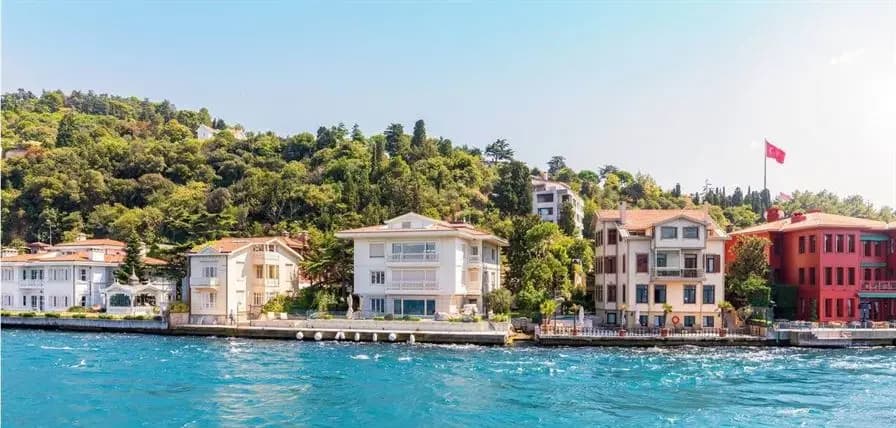
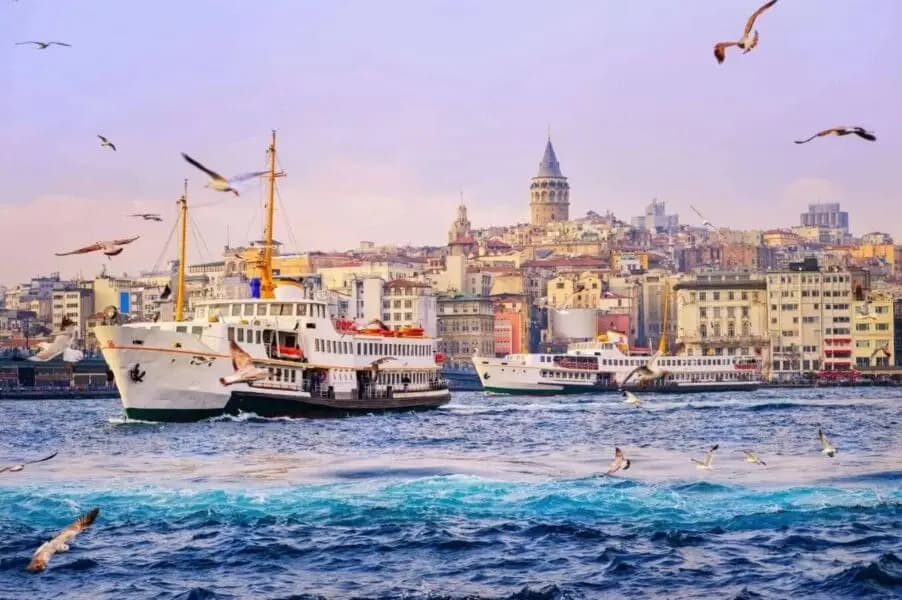
Bosphorus Cruise: The strait between the Black Sea and the Sea of Marmara is 32 kilometers long, and it divides Istanbul into two countries. There are a lot of interesting things to see in the towns along the Bosphorus, like huge palaces, resorts, yali (private houses), and so on.
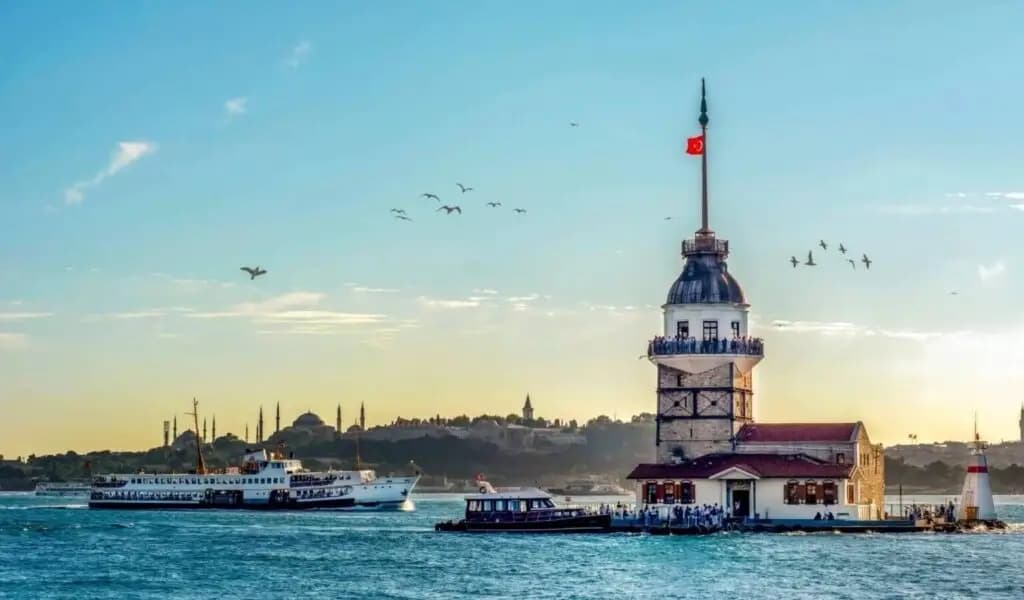
On the boat, you will see the Dolmabahce Palace, the Ortakoy Mosque, the Raan Palace, the Bosphorus Bridge, the Rumeli Fortress, the Kücüksu Palace, the Fatih Sultan Mehmet Bridge (the second bridge on the Bosphorus), and the Maiden's Tower.
Sultan Abdulmejid built the ドルマバフチェ宮殿 between 1843 and 1856 so that the Ottoman royal family could live there. Garabet Balyan, Nigogayos Balyan, and Evans Kalfa were all Armenian architects who built the house. The Dolmabahce Palace has 285 rooms, 6 bathrooms, and 46 halls.
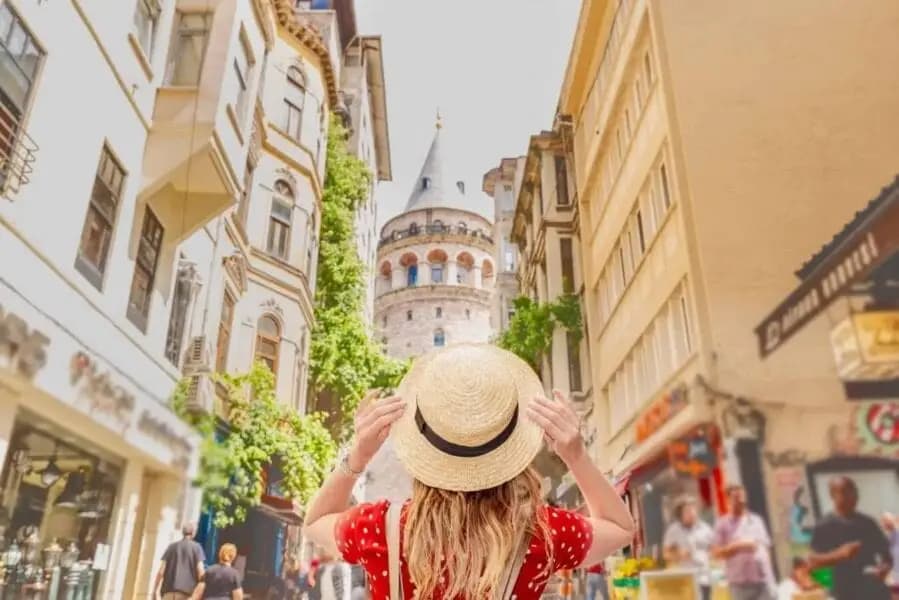
Taksim Square and Istiklal Street: For the vast majority of people who live in Istanbul, Taksim Square and Istiklal Street, which is a pedestrian-only street lined with bars and restaurants, are the city's centers. Between Taksim Square and the Galata Tower, the road goes for 1.44 km (0.87 mi).
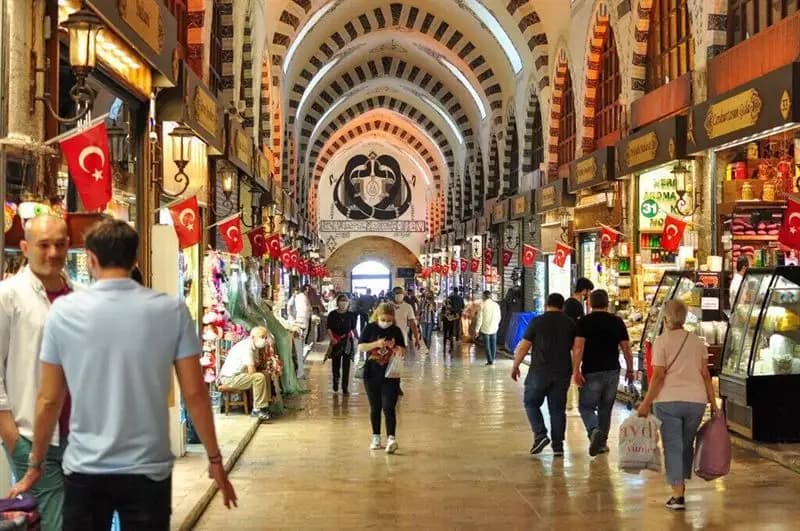
Turhan Hatice, who was the mother of Sultan Mehmed IV, constructed the エジプシャンバザール, also known as the Spice Market, between 1660 and 1665. The market is the center of the spice trade in Istanbul. You can buy Turkish sweets, baklava, and gifts there.
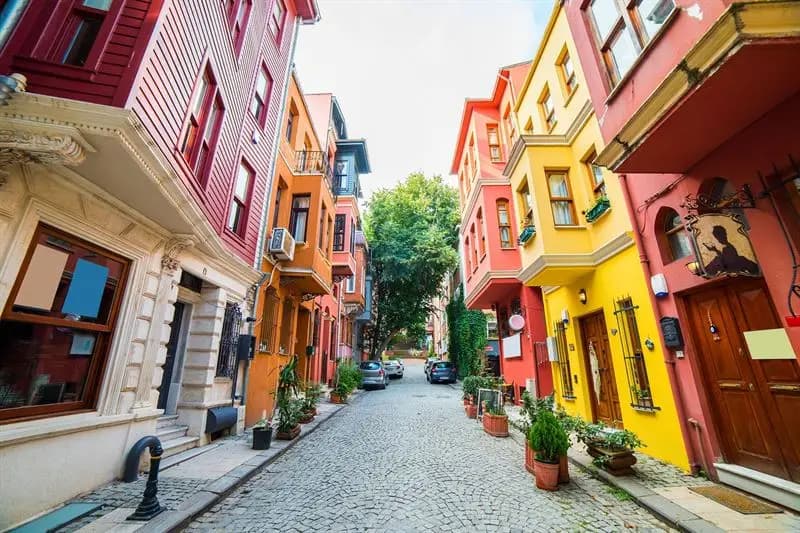
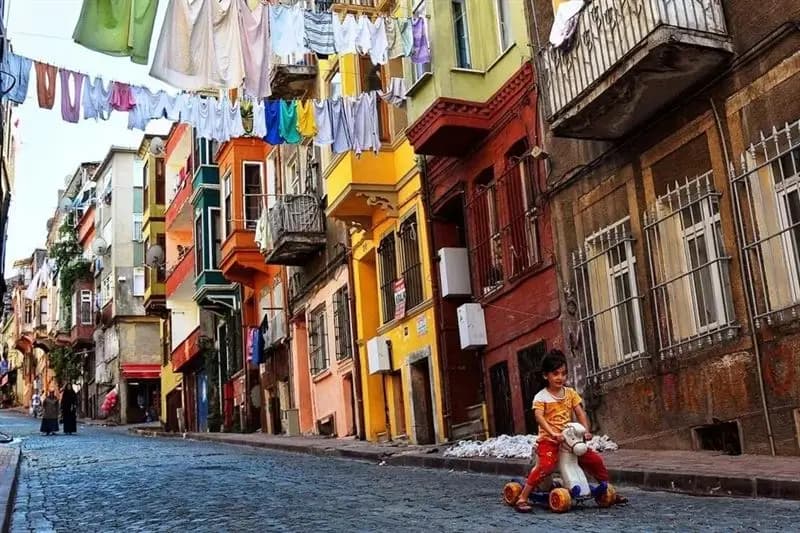
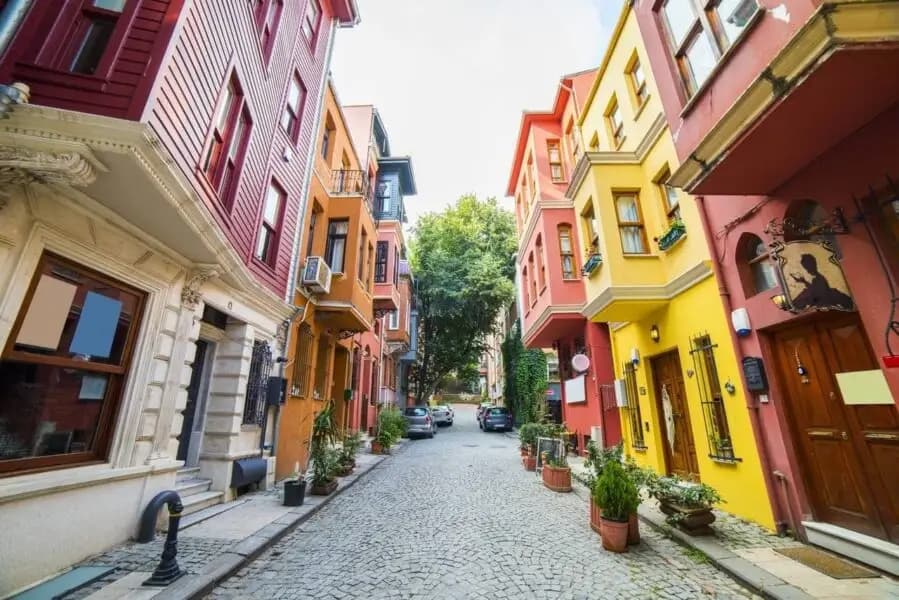
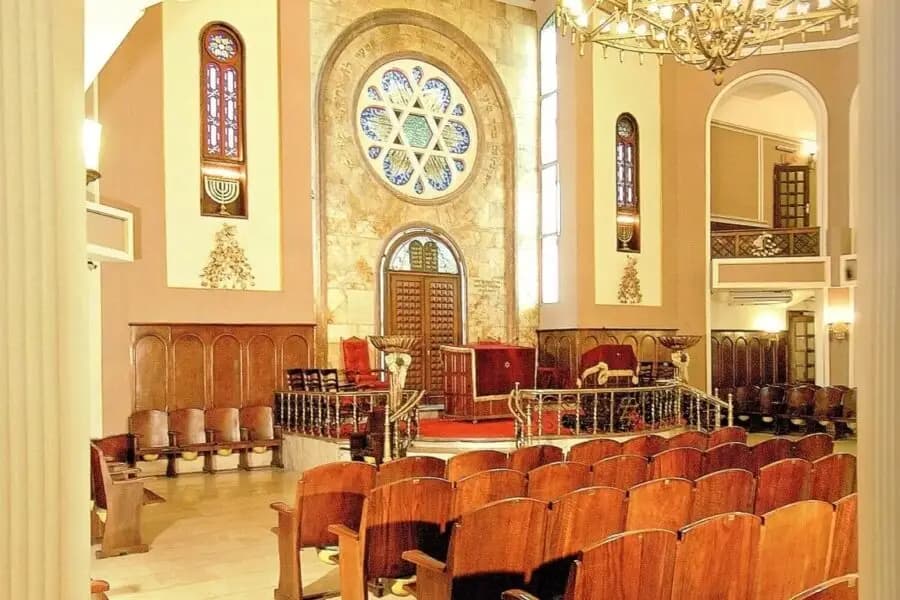
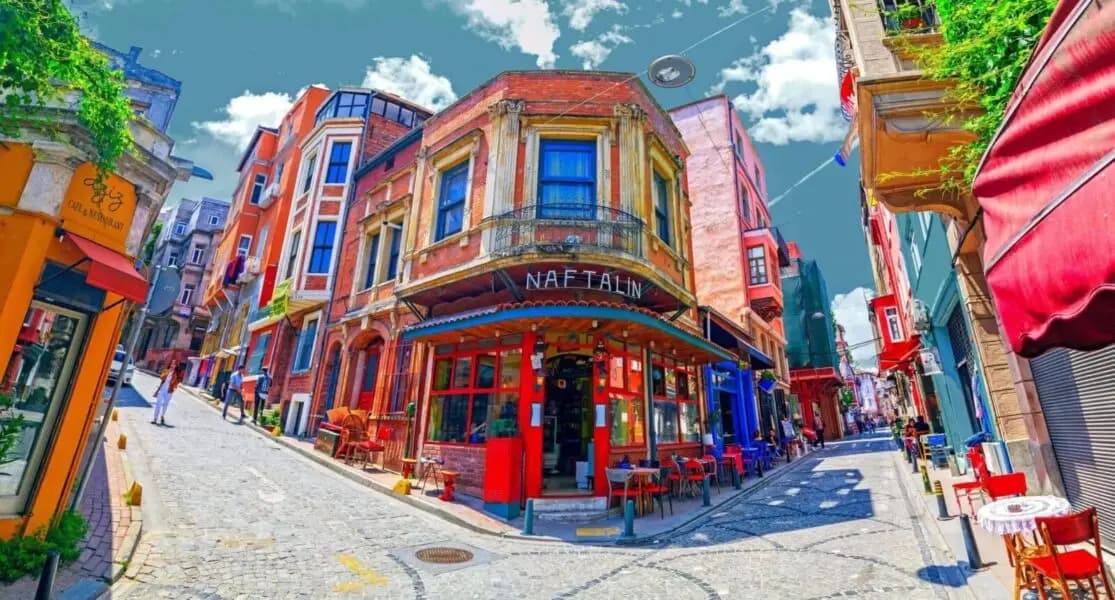
バラトとフェネル are both on the ancient peninsula. These places are known for their rich cultural history and lively atmosphere. Balat and Fener are known for their small, winding streets that are lined with colorful, traditional Ottoman homes. With Greek, Jewish, and Armenian influences, these areas show how diverse Istanbul's past was. People can walk around the busy streets, go to old churches and synagogues, and learn about the lively local culture.
Day 4: Istanbul Asian Side Tour
Kadıköy is on the Asian side of Istanbul. It is thought to have been the first place people lived before the Byzantine era. One of the best places to visit in Istanbul is the famous neighborhood of Kadikoy.
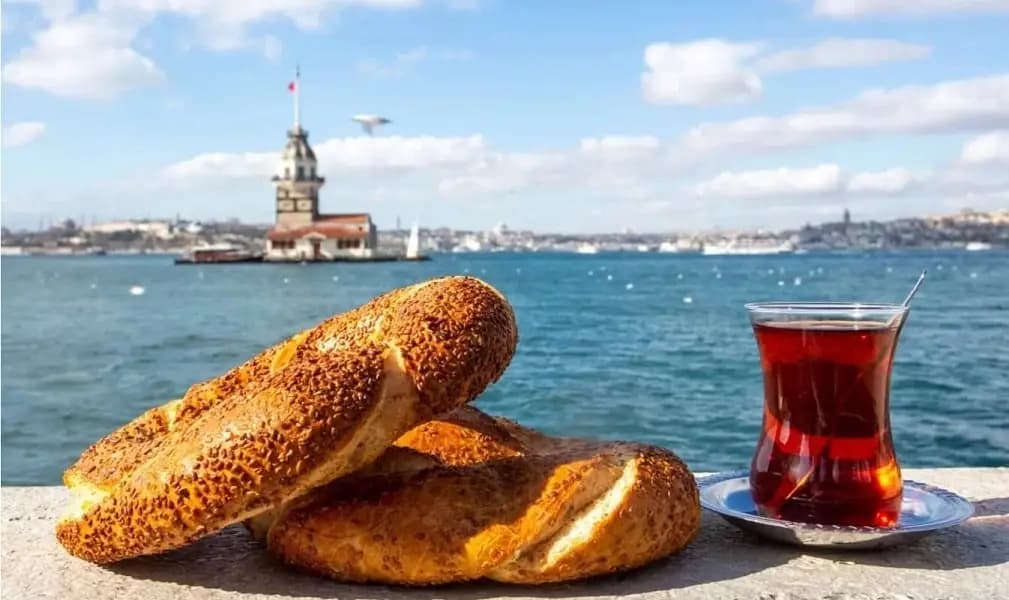
Üsküdar: This area was called Khyrsopolis in the past, which means "the golden city." Uskudar is the most historic area on the Asian side. It is known for its Ottoman mosques. The Maiden's Tower is the most famous building in the area.
Kuzguncuk: This is the first Jewish settlement in Istanbul. The exact year they moved there is not known. Reports from the 17th century say that a small group of Jews lived in Kuzguncuk. Now, Kuzguncuk is known for its colorful Turkish and Roman houses made of wood.
Beylerbeyi is one of the most beautiful parts of Istanbul. It is close to the Bosphorus Bridge and the Beylerbeyi Palace. It is known for its shops and restaurants that serve seafood. You should sit back, drink some Turkish coffee, and enjoy the breeze from the Bosphorus.
Day 5: Byzantine and Ottoman Heritage Tour
The Church of Saints Sergius and Bacchus, also known as "Küçük Ayasofyaモスク," is an old building in Istanbul's Old City. During the Byzantine Empire, it was built in the sixth century. It was an early example of Byzantine architecture and a forerunner to the larger Hagia Sophia.
The structure has intricate columns supporting a dome in the center. It also has walls that are highly decorated and have beautiful mosaics on them. Today, it is a well-known cultural and architectural landmark that draws people with its artistic and historical beauty.
The Seven Towers of Istanbul, which are also called Yedikule, are a group of old fortifications in Istanbul, Turkey. During the time of the Byzantines, these towers were built as part of the city's walls to protect it. The towers were placed in a smart way to protect the land walls of Constantinople, the city of the Byzantine Empire. Over time, the towers became a sign of how strong and tough the city was. Today, people can visit these old towers and see relics from Istanbul's long past while taking in sweeping views of the city.
The old city of Istanbul is surrounded by the famous Istanbul City Walls, which were built to protect the city. The Byzantine Empire built these walls, but the Ottoman Empire added to them and made them stronger. The walls, which were about 22 kilometers long, were very important in keeping invaders out of the city throughout history.
The Fatih Mosque, also called the Conqueror's Mosque, is an old and famous holy building in Istanbul's Old City. It is also known as the Conqueror's Mosque. After Sultan Mehmed II took control of Constantinople in 1453, he gave the order to build it. It was built between 1463 and 1470. The mosque is a beautiful example of an Ottoman building.
It has a big dome, elegant minarets, and a lot of intricate details on the outside. It is important not only because it is a beautiful piece of architecture but also because it is a symbol of the Ottoman Empire's victories and cultural history. The Fatih Mosque is still a respected place of worship and a popular place for tourists to come.
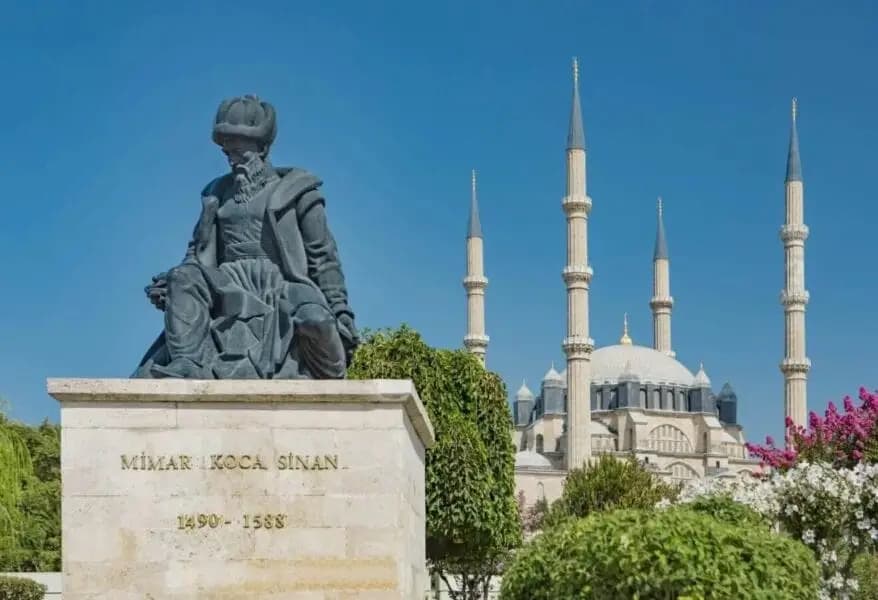
The Süleymaniye Mosque in Istanbul's Old City is a beautiful piece of architecture. Sultan Süleyman the Magnificent asked the great Ottoman architect Mimar Sinan to build it in the 1600s. The mosque is known for its grandeur and grace. It has a huge dome, tall minarets, and an intricately designed interior with beautiful calligraphy and tilework.
It is a big sign of the high quality of Islamic art and Ottoman architecture. The Süleymaniye Mosque is both a place of worship and a famous tourist spot. It shows visitors some of Istanbul's rich cultural history.
Details of a 5-day Tour of Istanbul
The maximum number of passengers for this tour is 10. Please dress comfortably and in casual shoes.
For the 5 Days Private Tour of Istanbul, we recommend that you dress casually and wear comfortable shoes.
- We suggest you wear casual clothes and comfortable shoes.
- This tour is available every day.
- Topkapi Palace is closed on Tuesdays.
- The Grand Bazaar is closed on Sundays.
- The Dolmabahce Palace is closed on Mondays.
Meeting Point
At your hotel
Meeting Time
Agreed before
Price Includes
- Private Professional Tour Guide
- Public transport on the 1st and 2nd day
- Private Van on the 3rd, 4th and 5th Day
Price Excludes
- Meals and Drinks
- Entrance Fees, Mentioned in the Itinerary
- Private Van on the 1st and 2nd day ( You can ask additionally. Price is 240 USD for full-day rental)