 3 günlük özel İstanbul Tur Paketleri
3 Days Private Istanbul Tour
For the first time, we have combined Istanbul's historical and local sites with a full-day Asian side, including the city's hidden gems. Just a trip to Istanbul! With a 3-Day Private Guided Istanbul Tour, you may discover the traditional Turkish culture as well as the city's history and culture.
You are expected on the European and Asian sides. Don't pass up this rare opportunity! Book a İstanbul'un rehberlik turları to begin exploring the city's fascinating atmosphere. Experience the exclusive Asian-side Istanbul tour.
3-Day Guided Istanbul Tour
Day 1: Private Guided Tour of Istanbul
This city was once the capital of the Roman Empire (330–395), the Byzantine Empire (395–1204, 1261–1453), the Latin Empire (1204–1261), and the Ottoman Empire (1453–1922). Constantine the Great, who created Istanbul, gave it the name Constantinople, which translates to "the city of Constantine," and made it the new capital of the Roman Empire.
Because it is at the crossroads of Europe and Asia, Istanbul has always been a very important city. Istanbul is a Unesco World Heritage Site, and the entire city is similar to an open-air museum thanks to the Roman, Byzantine, and Ottoman remnants. Istanbul is a metropolis of international culture because of all these contrasts, including the mosques, palaces, cathedrals, synagogues, modernity, and history.
We provide a customized, İstanbul'un rehberlik turları so that you may see all of this for yourself. On the İstanbul Old City Tour, you will see:
At Meydanı: 100,000 spectators watch an antique chariot race through a U-shaped arena. The Egyptian Obelisk, Serpent Column, and Constantine Columns are the three structures that remain standing despite the Hippodrome having lost its seats, walls, and much of what was left.
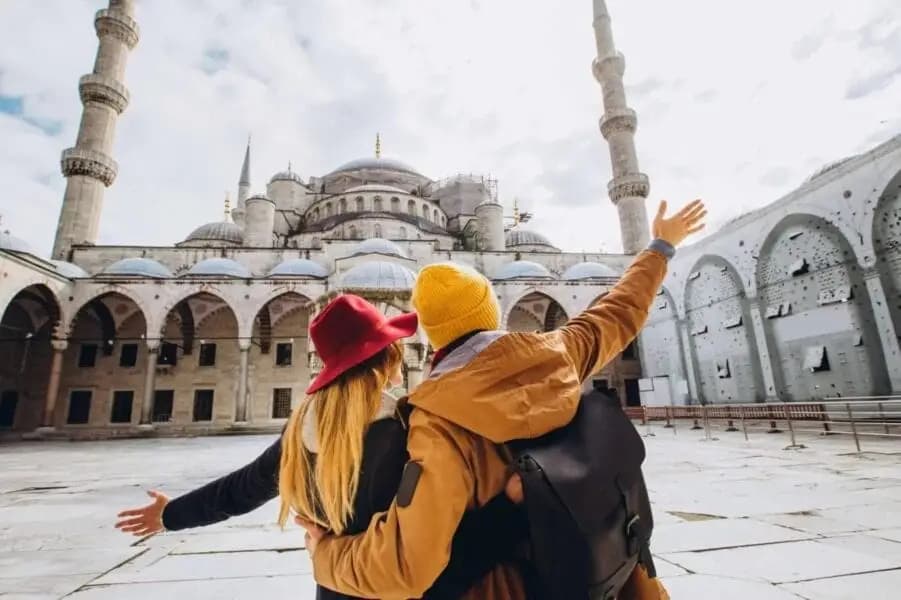
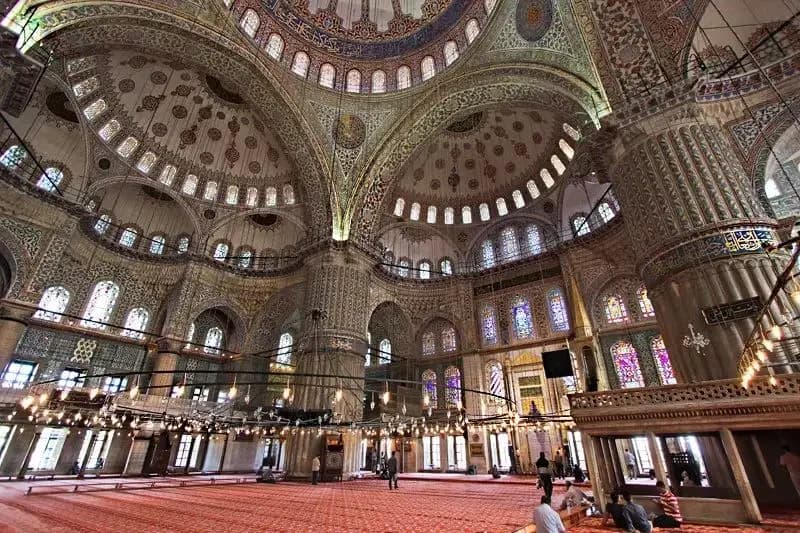
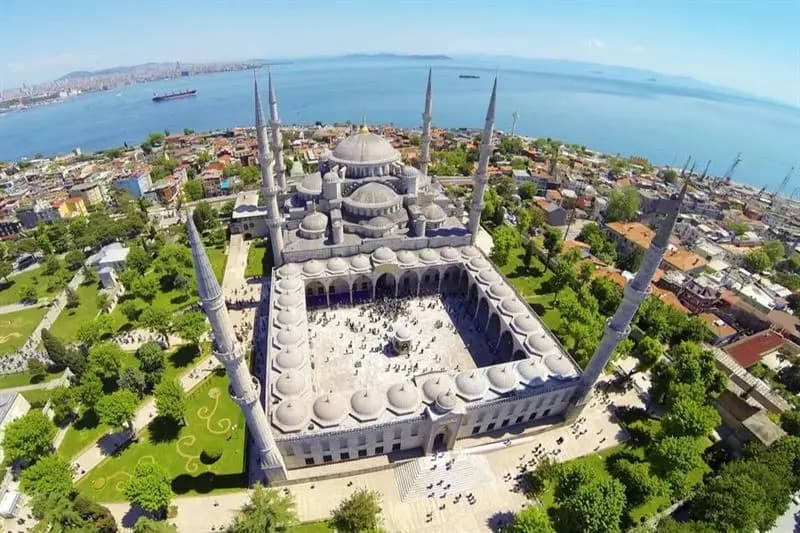
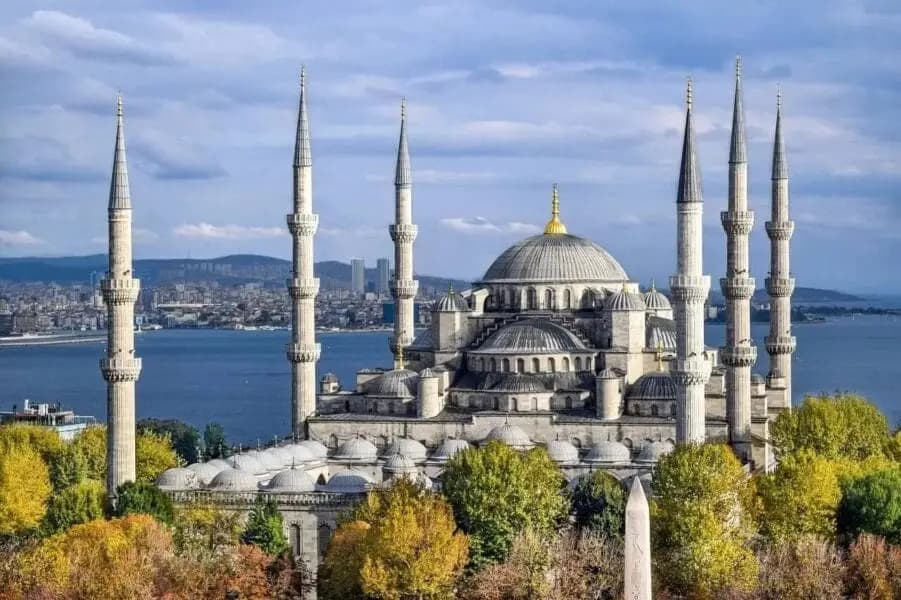
Sultan Ahmet Camii was built by Sultan Ahmet between 1609 and 1616. It was an imperial mosque in the Ottoman Empire. Although it is known as the Sultanahmet Mosque, tourists dubbed it the Blue Mosque when they noticed the interior's blue tiles.
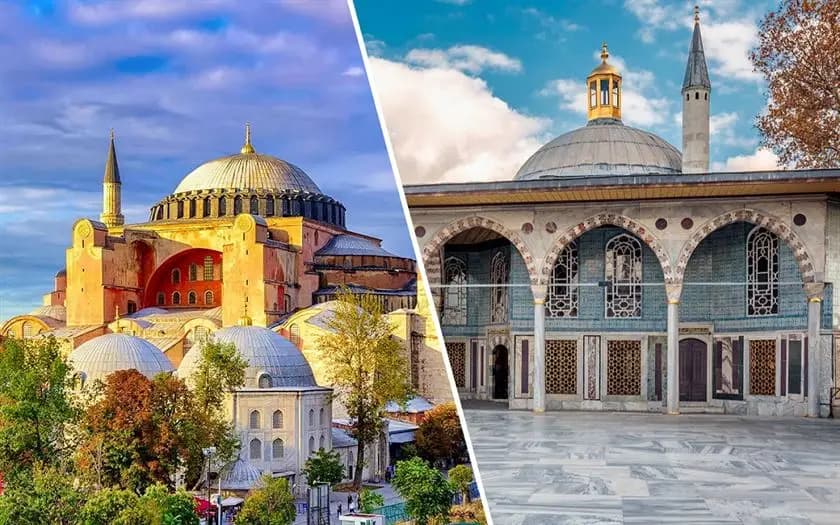
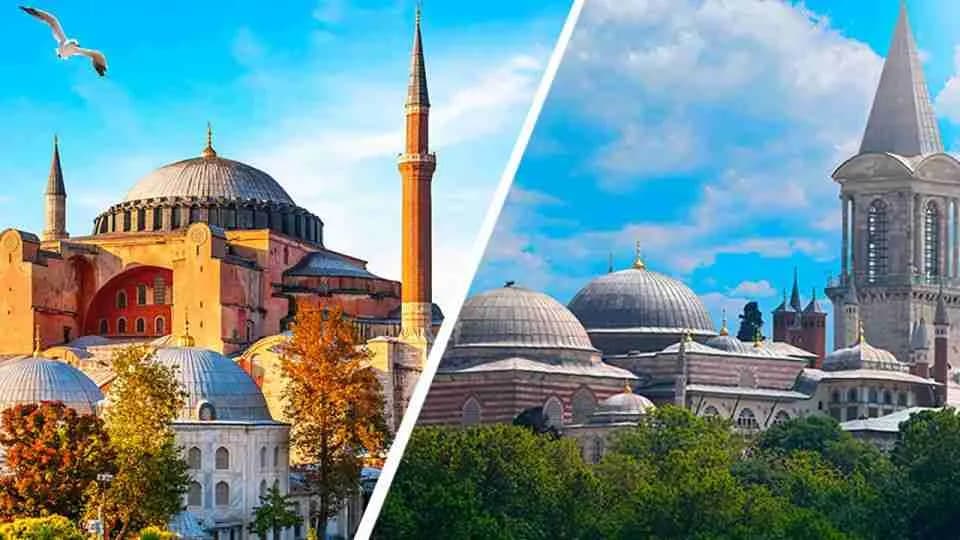
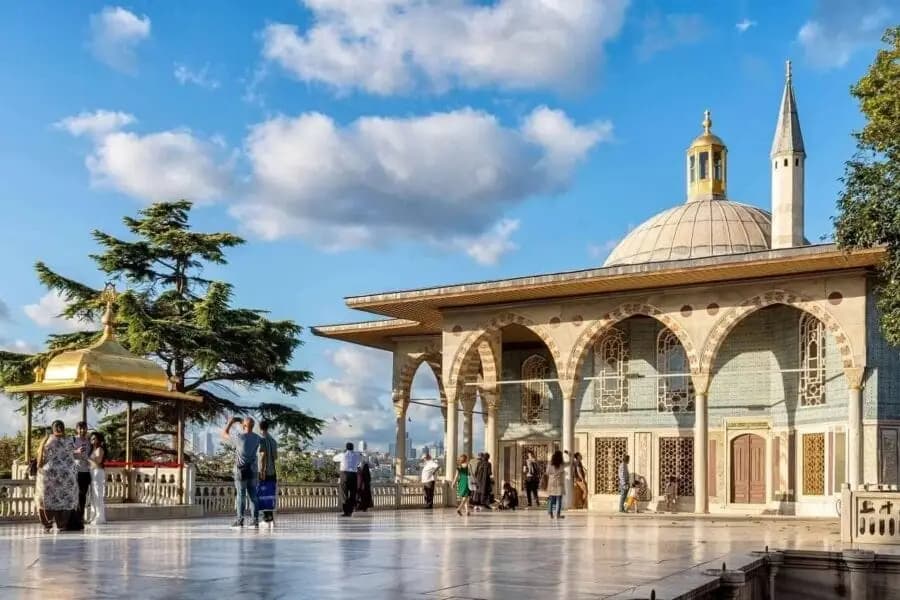
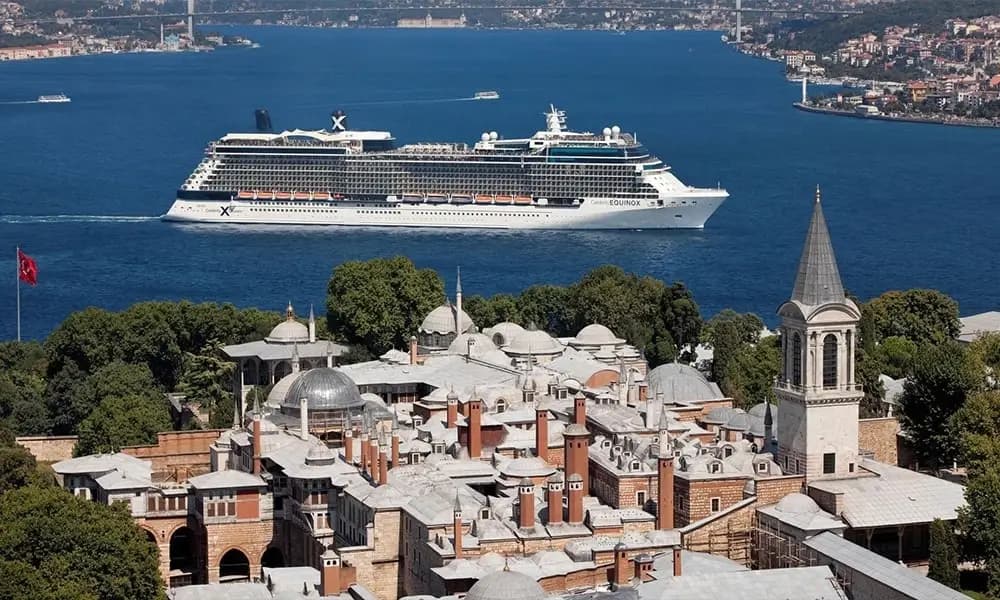
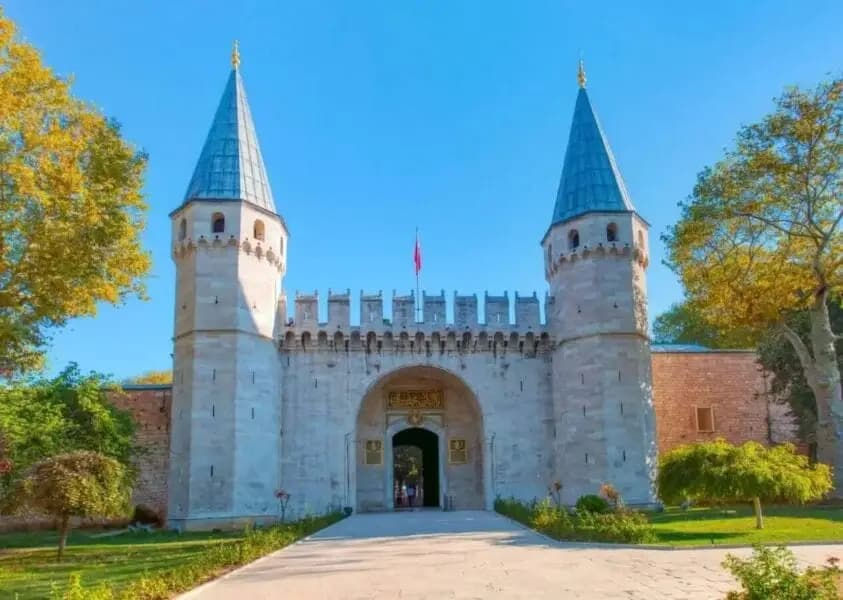
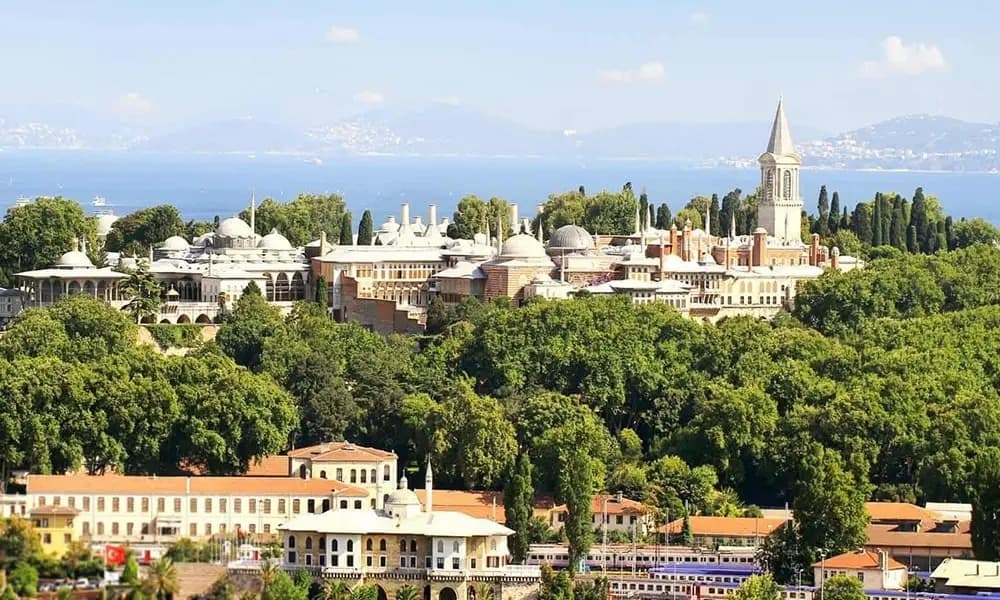
Topkapı Sarayı was formerly the administrative and residential center of the Ottoman Empire. Sultan Mehmet II built the palace in the 15th century, and it later served as the center of the Ottoman Empire's administrative system. The Topkapi Palace has been a museum since 1924.
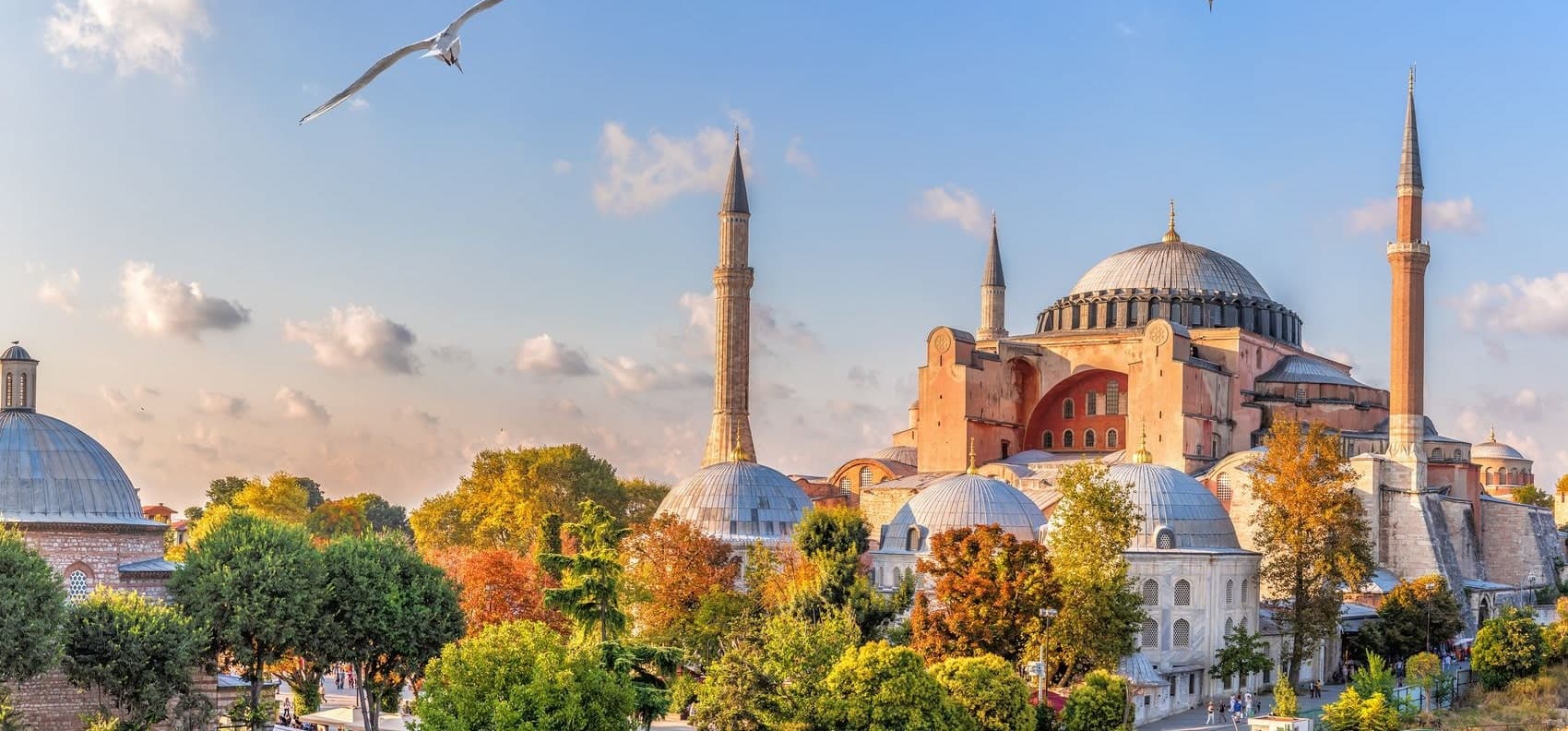
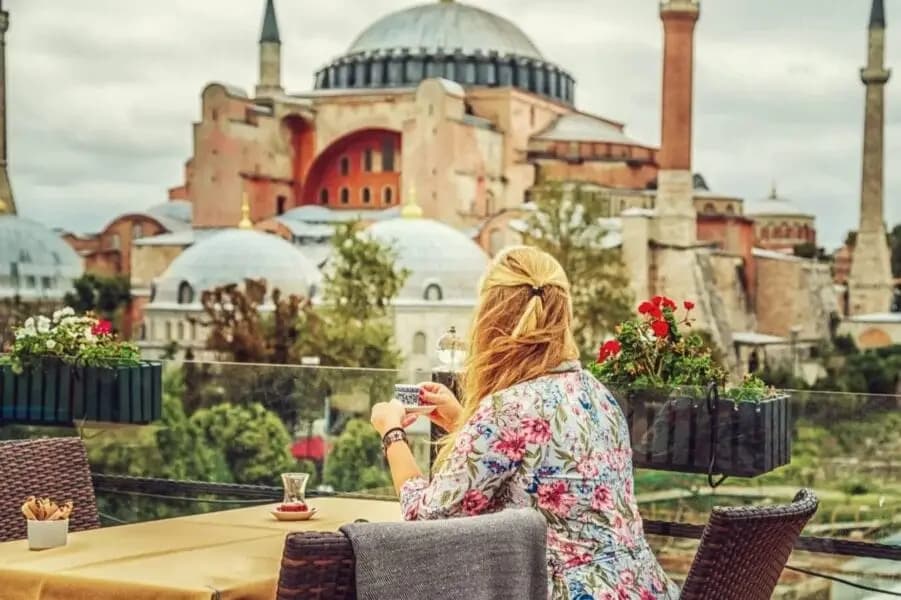
Ayasofya: Built between 532 and 537 by the Roman Emperor Justinian, it rose to become the world's tallest and largest cathedral. The Ottomans converted the church into a mosque in the fifteenth century, and in 1934 it was turned into a museum. The Hagia Sophia stopped being a museum in July 2020 and went back to being a mosque. Hagia Sophia, like the other mosques, is accessible to tourists.
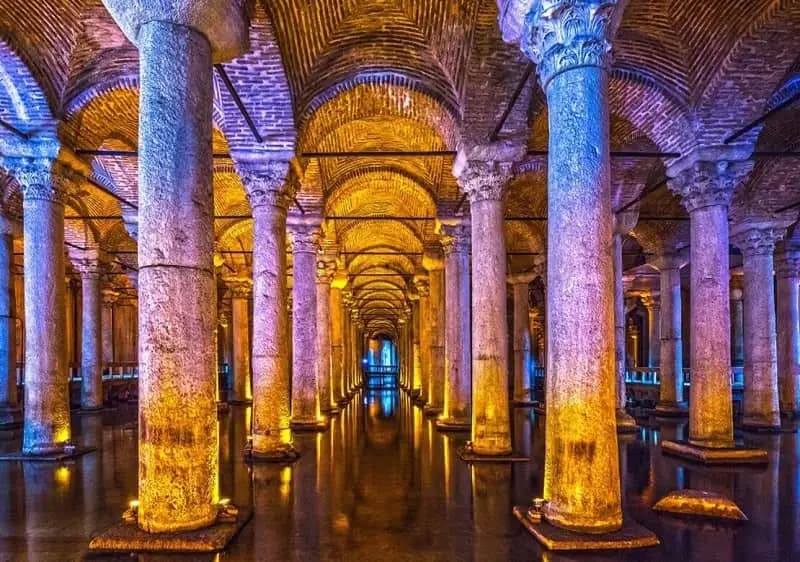
As an underground water storage facility close to the Hagia Sophia, the Roman Emperor Justinian built the Yerebatan Sarnıcı in the sixth century. The cistern is 138 meters long and 65 meters wide, and it takes up about 9,800 square meters of space. Instead of columns, which are the building's most notable features, the upside-down and right-side-up Medusa heads on marble bases are its main exhibits.
Kapalıçarşı is the world's oldest and longest continuously operating market. It has more than 4,000 merchants spread across 61 streets and is entirely enclosed. Sultan Mehmet II first built the Grand Bazaar in the 15th century, and subsequent sultans later expanded it. Upon request, your guide will be more than pleased to assist you in finding your prized item of Turkish art.
Day 2: Private Guided Bosphorus Cruise Tour
Istanbul is the only city that is between two seas and two continents. It is between the Black Sea and the Sea of Marmara. The Bosphorus, often known as the Strait of Istanbul, runs for about 31 kilometers through Istanbul and divides the city into its Asian and European halves.
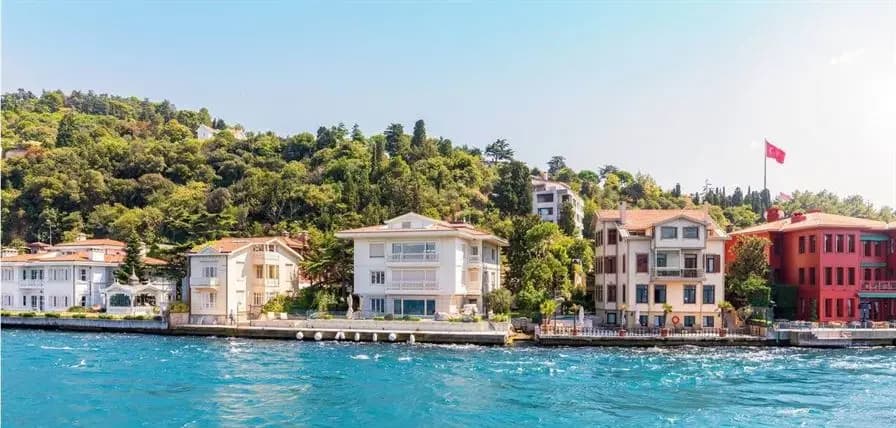
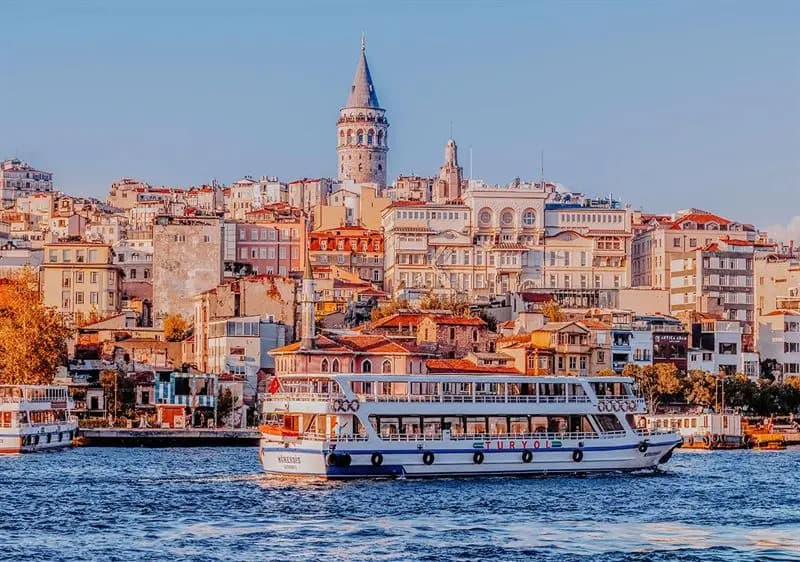
There are many old buildings in the towns along the Bosphorus. These include palaces, mosques, and churches. Even Istanbul residents like spending time at cafes, and restaurants, or fishing on the Bosphorus. We recommend taking a two-hour Bosphorus cruise on a public vessel that departs from the Golden Horn every hour. Thereafter, you can also go to:
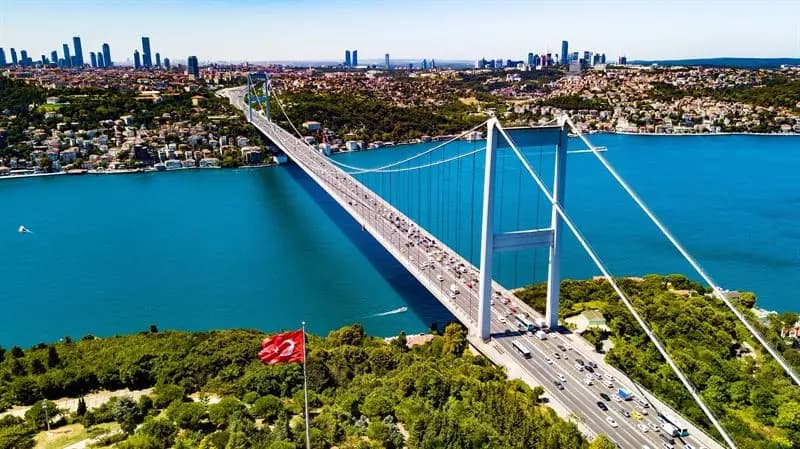
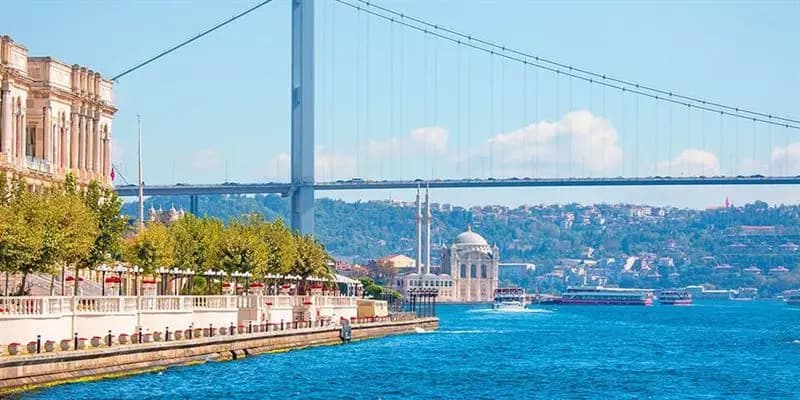
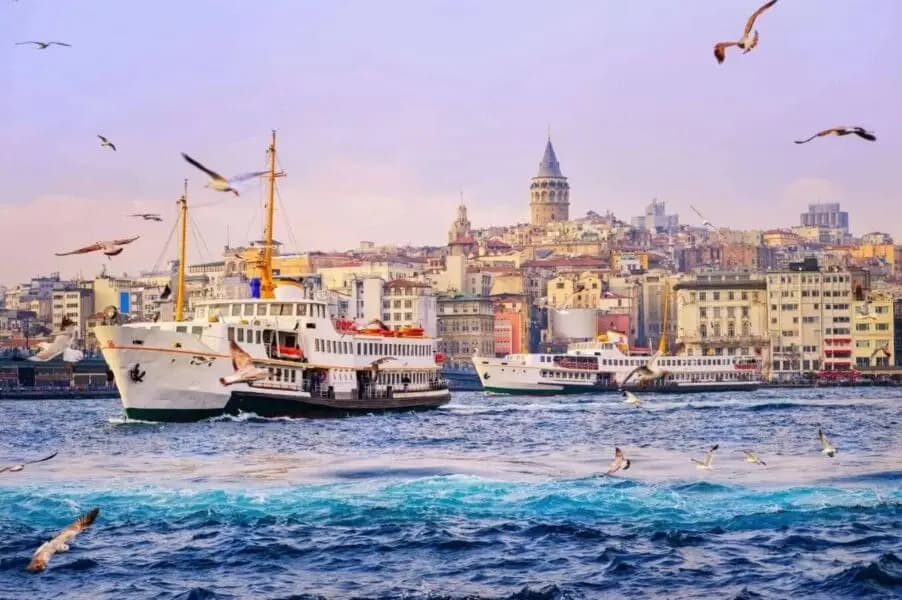
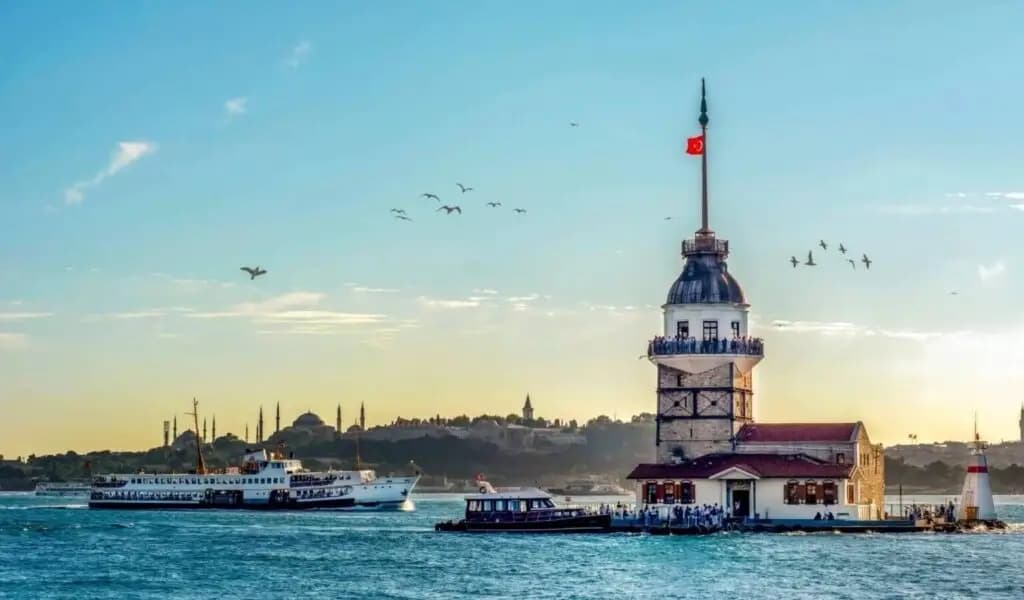
Bosphorus Cruise: The strait, which extends 32 kilometers between the Black Sea and the Sea of Marmara, separates Istanbul into two continents. There are many interesting places to see in the towns along the Bosphorus, such as huge palaces, resorts, yali (private homes), etc. The Dolmabahçe Palace, Ortaköy Mosque, Raan Palace, Bosphorus Bridge, Rumeli Fortress, Küçüksu Palace, Fatih Sultan Mehmet Bridge (the second bridge on the Bosphorus), and Maiden's Tower are just a few of the things you will view while on the boat.
The Dolmabahce Palace was constructed between 1843 and 1856 as the residence of the Ottoman royal family by Sultan Abdulmejid. The Armenian architects Garabet Balyan, Nigogayos Balyan, and Evans Kalfa created the palace. There are 285 rooms, 6 bathrooms, and 46 halls in the Dolmabahce Palace.
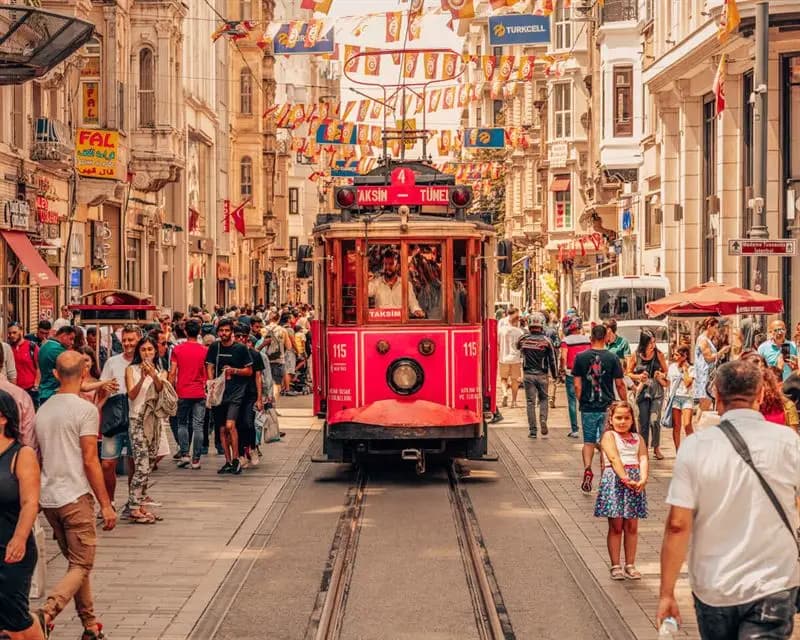
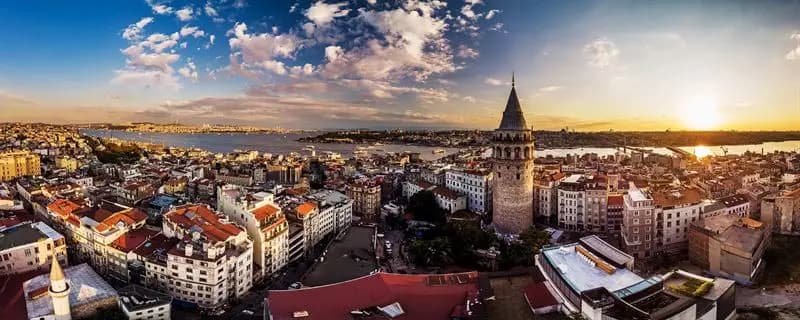
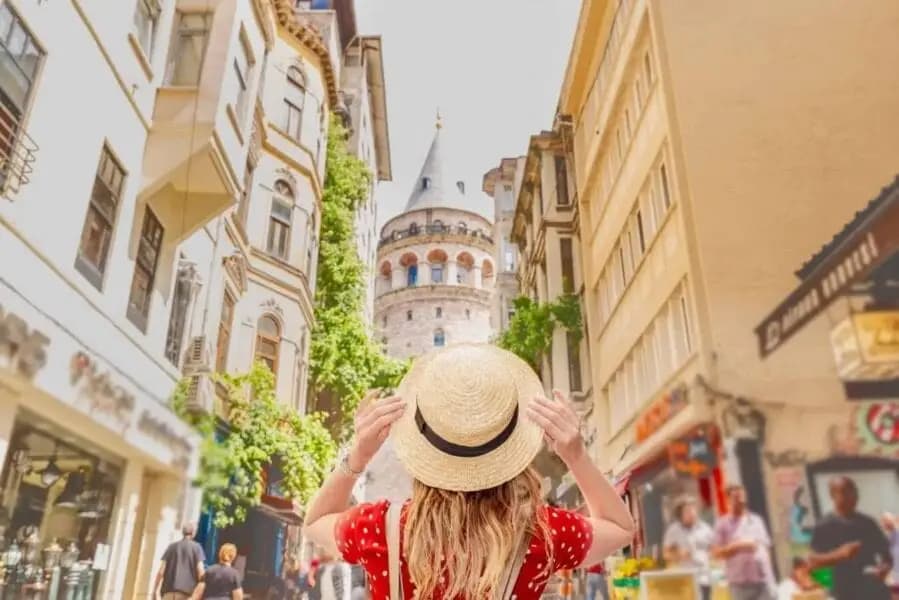
Taksim Square and Istiklal Street: For the vast majority of Istanbul's inhabitants, Taksim Square and Istiklal Street—where cafes and restaurants are situated along the pedestrianized avenue—represent the city's center. The roadway runs for 1.44 kilometers (0.87 miles) between Taksim Square and the Galata Tower.
Between 1660 and 1665, Turhan Hatice, the mother of Sultan Mehmed IV, built the Mısır Çarşısı, also called the Mısır Çarşısı. Turkish delights, baklava, and souvenirs are all available in the market, which is the hub of Istanbul's spice trade.
Please note: Tuesdays are Dolmabahce Palace's off days. A walking tour is a private, guided Bosphorus cruise. We advise you to dress comfortably and to wear casual shoes. The tour lasts from 9:00 a.m. until 5:00 p.m. Transportation is not included in the tour fee. You can take a taxi if your hotel is far from the ancient city, or if you prefer, we can organize your round-trip transfer.
Day 3: Istanbul Asian Side Tour
This tour is for people who have already seen Istanbul's historical sites and want to learn more about the Asian side of the city. To introduce the native neighborhoods of Istanbul, which have been around since the Roman and Ottoman eras, we just developed the Istanbul Asian Side Tour, also known as "Istanbul, Between the Two Bridges," on this trip. On the Asian side of the Bosphorus are such neighborhoods:
Kadıköy: located on the Asian side of Istanbul and considered the first settlement way before the Byzantium era. Kadikoy is one of the most popular local neighborhoods of Istanbul which is a must-see.
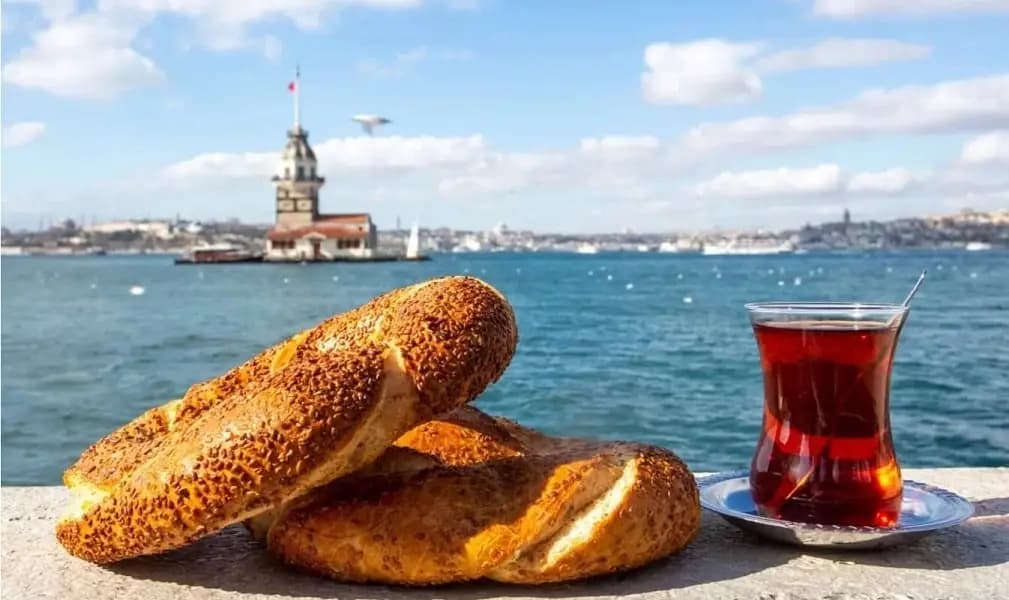
Üsküdar: In ancient times, the neighborhood was known as Khyrsopolis, which means "the golden city." With its Ottoman mosques, Uskudar is the Asian side's most historic neighborhood. The Maiden's Tower is the district's most recognizable landmark.
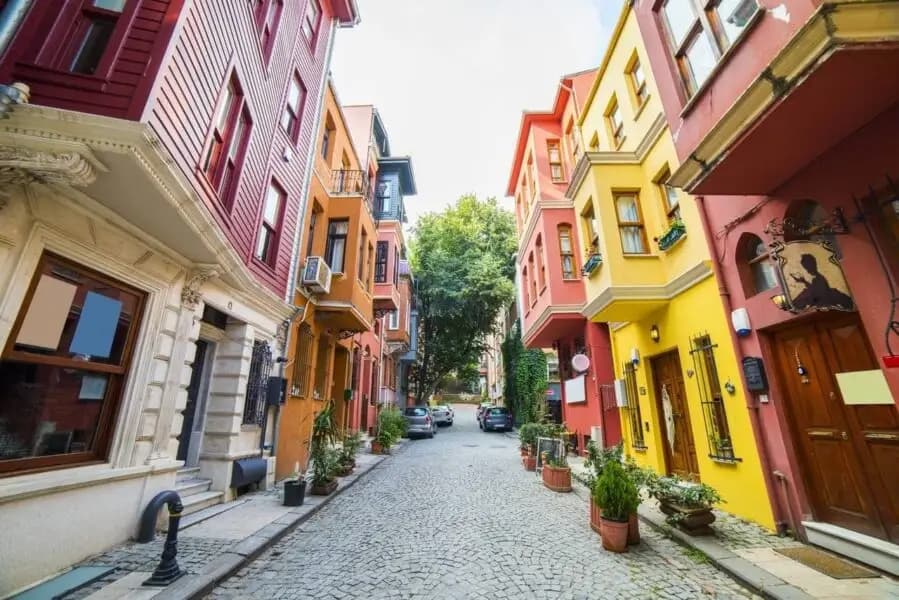
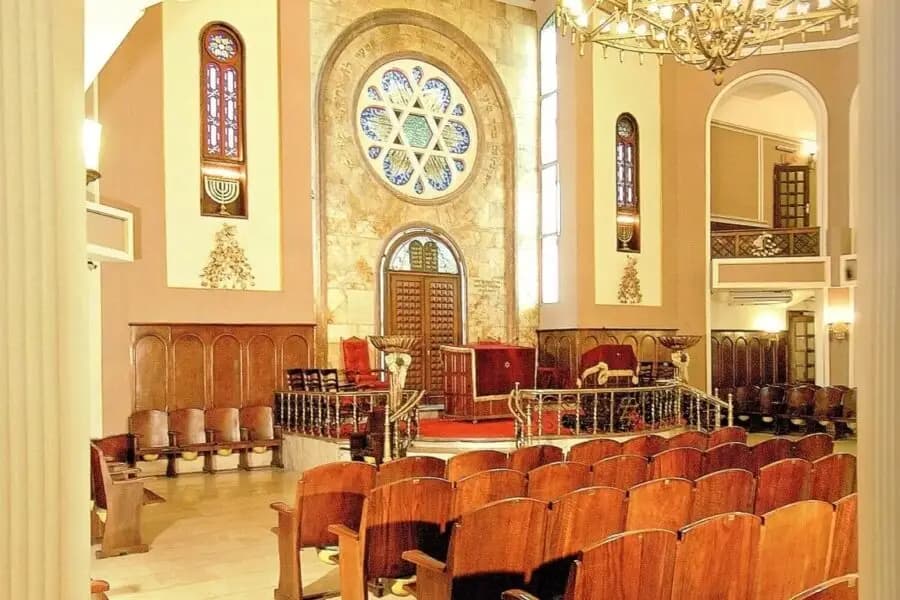
Kuzguncuk: Though the precise year of their settling is unknown, this is the first Jewish colony in Istanbul. According to 17th-century accounts, there was a tiny Jewish community in Kuzguncuk. Kuzguncuk is now renowned for its vibrant wooden Turkish and Roman homes.
Beylerbeyi, near the Bosphorus Bridge and the Beylerbeyi Palace, is one of Istanbul's most picturesque neighborhoods. It is well known for its seafood restaurants and cafes. You should relax, sip some Turkish coffee, and enjoy the Bosphorus wind.
Çengelköy, the Roman Emperor Justinian II built the Roman Palace in the sixth century, which is where the area's name, Sophianai, comes from. The most exquisite Ottoman houses once stood there; they are now cafes and restaurants. In the past, Çengelköy produced the tastiest cucumbers.
Anadolu Hisarı: Long before the Ottomans took control of Istanbul, the Ottoman Sultan Yildirim Bayezid built a fortification in the area between the years 1393 and 1394. The Kücüksu Pavilion was constructed in the nineteenth century by the Ottoman Sultan Abdulmejid. The location is close to Anadolu Hisari.
Details of a 3-day guided tour of Istanbul
The maximum number of passengers for this tour is 10. Please dress comfortably and in casual shoes.
For the 3 Days Private Guided Istanbul Tour Package, we recommend that you dress casually and wear comfortable shoes.
- Sık sık giyinmenizi ve rahat ayakkabı giymenizi öneririz.
- Bu tur her gün kullanılabilir.
- Topkapı Sarayı Salı günleri kapalıdır.
- Kapalıçarşı Pazar günleri kapalıdır.
- Dolmabahçe Sarayı Pazartesi günleri kapalıdır.
Toplantı Noktası
At your hotel
Toplantı zamanı
Önceden anlaşmış
Fiyatlar dahil
- Özel Profesyonel Tur Rehberi
- Public transport on the 1st and 2nd day
- Private Van on the 3rd Day
Fiyatlar hariç
- Yemek ve İçecekler
- Giriş ücretleri, rotada belirtilen
- Private Van on the 1st and 2nd day ( You can ask additionally. Price is 240 USD for full-day rental)