
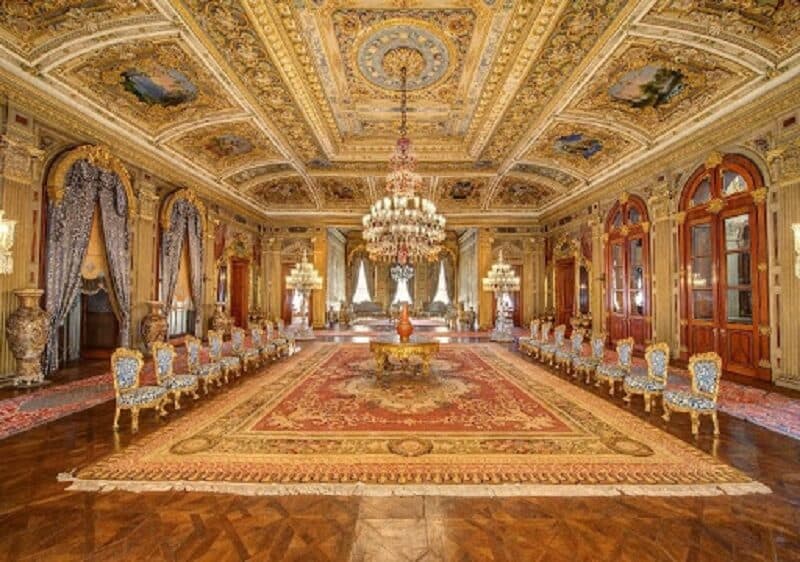
 Istanbul Yildiz palace museum
ISTANBUL YILDIZ PALACE MUSEUM
What to see in ISTANBUL YILDIZ PALACE MUSEUM
The Yildiz Palace, located in Istanbul, Turkey, has a long and rich history that dates back to the late 19th century. The palace was originally built as a residence for Ottoman Sultan Abdul Hamid II and was later used by his successors, including Sultan Mehmed V and Sultan Mehmed VI.
During the late Ottoman period, the Yildiz Palace served as an important center of power and was a symbol of the sultan's authority. It was also a site for cultural and artistic activity, with concerts, theater performances, and other cultural events taking place in its many halls and gardens.
I begyndelsen af det 20. århundrede var paladset stedet for politiske intriger og magtkampe, med flere medlemmer af den osmanniske herskende klasse kæmper for kontrol over regeringen.Efter den tyrkiske republik blev grundlagt i 1923, paladset blev brugt til mange forskellige ting, såsom militære hytter og en skole for børnene af tyrkiske diplomater.
In the decades that followed, the palace fell into disrepair and was largely forgotten. However, in recent years, the Turkish government has made efforts to restore and preserve the palace, and it is now open to the public as a museum. Visitors to the Yildiz Palace can learn about the rich history of the Ottoman Empire, admire its ornate architecture, and get a glimpse into the luxurious lifestyle of the Ottoman ruling class.
What to see in the Yildiz Palace Museum
The Yildiz Palace is a stunning example of Ottoman architecture and a must-visit destination for anyone interested in the history and culture of the Ottoman Empire. The palace complex was originally built in the late 19th century and served as a residence for the Ottoman sultans and their families. Today, the palace is open to the public and offers visitors a glimpse into the opulent lifestyle of the Ottoman ruling class.
Here are some of the highlights to see at the Yildiz Palace:
- Yıldız Sarayı-museetHovedmuseet i paladset er beliggende i en bygning, der engang var residensen for den osmanniske Sultan Abdul Hamid II. Besøgende kan beundre paladsets prydede interiører, som har indviklede fliser, fresker og hugget trælofter.
- Yildiz ParkPaladset er beliggende i en stor park, der giver besøgende mulighed for at flygte fra byens travlhed og nyde en fredelig grønskning.
- Keramikmuseet: In addition to the Yildiz Palace Museum, the palace complex also includes a Ceramic Museum that showcases a range of Ottoman ceramics, including tiles, plates, and vases. The museum gives people a unique chance to learn about the long history of making ceramics in the Ottoman Empire and to look at the beautiful designs and patterns on these objects.
- Det kejserlige køkkenPaladset har også en række kejserlige køkkener, der blev brugt til at forberede måltider til de osmanniske sultaner og deres familier.
- Guidet tur: Visitors to the Yildiz Palace can take advantage of guided tours, which are offered by knowledgeable staff who are passionate about the history and culture of the Ottoman Empire. Guided tours help people learn more about the palace's history, architecture, and cultural significance.
Whether you are a history buff, an architecture enthusiast, or just looking for a unique and interesting experience, the Yildiz Palace is well worth a visit. With its fancy rooms, lush park, and long history, the palace gives visitors a fascinating look into the world of the ruling class of the Ottoman Empire.
The Yildiz Palace Kiosks
The Yildiz Palace is known for its numerous kiosks, or small pavilions, which were built throughout the palace grounds. These kiosks were places to relax, have fun, and meet new people. They were made in a variety of styles, from traditional Ottoman architecture to designs that were more influenced by European styles.
One of the most famous of the Yildiz Palace kiosks was the Gule KioskDen Gule Kiosk blev bygget i slutningen af det 19. århundrede og var kendt for sin lyse gule farve, som var ment at symbolisere rigdommen og magten i det osmanniske rige.
En anden vigtig kiosk var Cedar KioskKiosk, som blev bygget i traditionel osmannisk stil og blev brugt til banketter og andre sociale begivenheder. Kiosk var kendt for sin indviklede træarbejde og fantastiske udsigt over Bosporus og byen Istanbul.
Other kiosks at the Yildiz Palace included the Hvide Kiosk, som blev brugt som spisestue, og Florya Kiosk, som blev brugt til private møder og som sommerbolig.
Today, the kiosks at the Yildiz Palace are some of its most popular attractions, and visitors can explore the lush gardens and admire the ornate architecture of these historic structures.
What to See Around the Yildiz Palace Museum
The Yildiz Palace Museum is surrounded by several notable attractions that are worth visiting. Some of the highlights around the museum include:
- Yildiz ParkDenne vidtstrakte park omgiver paladset og tilbyder en fredelig flugt fra den travle by. Besøgende kan gå langs sine træplade stier og nyde den smukke udsigt over Bosporus og byen.
- Beşiktaş: This bustling neighborhood is located just a short walk from the palace and is known for its lively cafes, restaurants, and shops. Visitors can also visit the Beşiktaş Pier, which offers panoramic views of the city and the Bosporus.
- Dolmabahçe-paladset: This stunning palace was built in the late 19th century and is known for its elegant European-style architecture. Visitors can tour the palace's opulent rooms and admire its ornate furnishings and decorations.
- Bosphorus Boat Tour: A boat tour along the Bosphorus Strait is a must-do for visitors to Istanbul. These tours give you a unique view of the city and its historic buildings, like the Yildiz Palace, which are both beautiful and interesting.
- Taksim-pladsenDenne pulserende plads ligger i hjertet af Istanbul og er kendt for sit livlige gadeliv, shopping og underholdning. Folk kan gå til sine mange caféer, restauranter og butikker, eller de kan bare gå rundt og nyde den travle atmosfære.
In the area around the Yildiz Palace Museum, there are also many museums, art galleries, and cultural centers. This makes it a great place to visit for people who are interested in history, art, and culture.
Frequently Asked Questions About the Yildiz Palace Museum
Q er: What is the Yildiz Palace Museum?
a): The Yildiz Palace Museum is a museum located in Istanbul that showcases the former royal palace of the Ottoman Empire.
Q er: Where is the Yildiz Palace Museum located?
a): The Yildiz Palace Museum is located in the Besiktas neighborhood of Istanbul, Turkey.
Q er: What types of artifacts are on display at the Yildiz Palace Museum?
a): The Yildiz Palace Museum displays a variety of artifacts related to the Ottoman Empire and the Yildiz Palace, including furnishings, ceramics, textiles, and manuscripts.
Q er: How old is the Yildiz Palace Museum?
a): The Yildiz Palace Museum was established in 1993.
Q er: What is the history of the Yildiz Palace Museum?
a): The Yildiz Palace Museum was established to preserve and showcase the rich cultural heritage of the Ottoman Empire and the former royal palace, the Yildiz Palace.
Q er: How large is the collection of the Yildiz Palace Museum?
a): The Yildiz Palace Museum houses a large collection of Ottoman artifacts, including thousands of objects related to the history and culture of the Ottoman Empire.
Q er: What are some of the most famous artifacts in the Yildiz Palace Museum collection?
a): Some of the most famous artifacts in the Yildiz Palace Museum collection include Ottoman ceramics, textiles, and manuscripts.
Q er: Is the Yildiz Palace Museum open to the public?
a): Yes, the Yildiz Palace Museum is open to the public and is a popular tourist destination in Istanbul.
Q er: How much does it cost to visit the Yildiz Palace Museum?
a): The admission fee for the Yildiz Palace Museum is 150 Turkish Lira.
Q er: What are the visiting hours for the Yildiz Palace Museum?
a): The visiting hours for the Yildiz Palace Museum are between 9:00 a.m. and 5:00 p.m., seven days a week.
Du kan bestille en tur til Istanbul med vores licenserede guider.
Map of Yildiz Palace Museum