
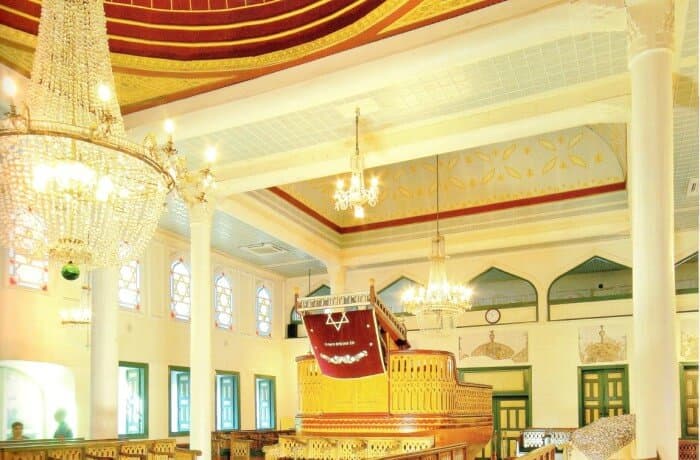
 ahrida synagogue istanbul
İstanbul Ahrida Sinagogu
Ahrida Sinagogu: Ahrida Sinagogu Nerede
Balat mahallelerinde bulunan Ahrida Sinagogu, tarihi ve önemli bir İstanbul Yahudi tapınak yeri.1427 yılında, Konstantinopolis'in yıkılmadan hemen önce, Romanyolar olarak bilinen Makedonya'daki Ohrid'den bir grup Yahudi, bölgeye yeni bir Yahudi topluluğu kurdu ve ona Ahrida adını verdi.
The synagogue was already there in 1693, when the Ottomans took Istanbul, according to records kept by the Ottomans. The Ohri city in Macedonia inspired the name Ahrida Synagogue (Uhr, Toh, Balat). Among the Istanbul neighborhoods of Balat, this synagogue is the largest. During the Great Fire of 1690 in Istanbul, the Ahrida Synagogue was severely damaged and was later rebuilt. The synagogue was renovated in 1992 by the architect Hüsrev Tayla and the 500-Year Foundation, as stated on a plaque on the building's exterior. A galley-like lectern serves as the synagogue's pulpit. Folklore has it that this shape calls to mind Noah's ark. The other entry, the Ark, represents the galleys that carried the Safarids from Spain to the Ottoman Empire.
Türkiye'nin dini liderleri, Kırım'da Rus İmparatorluğu'na karşı savaşmış Osmanlı askerlerine bir tören düzenledi.
In the late 15th century, when Sephardic Jews were being persecuted and forced to leave the Iberian Peninsula, Sultan Bayezid II dispatched ships to Spain and Portugal to bring the Jews to the Ottoman Empire. Many of them were first located in Eminönü, near the Golden Horn, and then spread out to the Balat and Hasköy neighborhoods. Balat, with its eleven or more synagogues, was a heavily Jewish neighborhood from the 17th century until the establishment of the state of Israel. Though there are only a handful of Jewish residents in Balat at present, the city's 500-person capacity synagogue is packed on Saturdays and holidays by non-Jewish residents and visitors alike.
Numerous earthquakes and fires over the centuries caused damage to the synagogue, which was repeatedly repaired. In 1992, in honor of the 500th anniversary of Sephardic culture in Istanbul, the building underwent its most recent renovation. The main building is a great example of Tulip Period Istanbul Baroque architecture and dates back to the 18th century. The magnificent pulpit (Teva) is fashioned after the prow of a ship and is used to read the Torah. According to legend, the ship's design was inspired by the galleys that transported Jews from Spain to Istanbul. Some people think it represents Noah's ark as well. Ships are a common symbol for Sephardic Jews in Istanbul. The ship symbols that once graced the doorways of Balat's dilapidated homes are all but gone.
Ahrida Sinagogu Tarihi
In the late 15th century, when Sephardic Jews were being persecuted and forced to leave the Iberian Peninsula, Sultan Bayezid II dispatched ships to Spain and Portugal to bring the Jews to the Ottoman Empire. Many of them were first located in Eminönü, near the Golden Horn, and then spread out to the Balat and Hasköy neighborhoods. Balat, with its eleven or more synagogues, was a heavily Jewish neighborhood from the 17th century until the establishment of the state of Israel. Though there are only a handful of Jewish residents in Balat at present, the city's 500-person capacity synagogue is packed on Saturdays and holidays by non-Jewish residents and visitors alike.
Multiple earthquakes and fires over the centuries caused damage to the synagogue, which was repeatedly repaired. In 1992, in honor of the 500th anniversary of Sephardic culture in Istanbul, the building underwent its most recent renovation. The main building is a great example of Tulip Period Istanbul Baroque architecture and dates back to the 18th century. Of particular note is the magnificent pulpit (Teva) in the shape of a ship's prow, from which the Torah is read. According to legend, the ship's design was inspired by the galleys that transported Jews from Spain to Istanbul. Some people think it represents Noah's ark as well. Ships are a common symbol for Sephardic Jews in Istanbul. Walking through Balat today, you'll notice that a few of the once prominent ship motifs adorn the doorways of the city's dilapidated dwellings.
Ahrida Sinagogu Hakkında Sıkça Sorulan Sorular
Q ileAhrida Sinagogu Nedir?
A AAhrida Sinagogu, İstanbul’da bulunan eski bir sinagogdur.
Q ileAhrida Sinagogu ne zaman inşa edildi?
A Aİnşaatın tam tarihi bilinmemektedir, ancak 15. yüzyılın sonlarında veya 16. yüzyılın başlarında yapılmış olabileceğine inanılmaktadır.
Q ileAhrida Sinagogu’nu kim inşa etti?
A Aİspanya'nın İspanyol İnkizisyonu sırasında İspanya'dan kaçan Sephardian Yahudiler tarafından inşa edildiğine inanılıyor.
Q ileAhrida Sinagogu’nun anlamı nedir?
A AAhrida Sinagogu, İstanbul’un en eski ve en tarihi sinagoglarından biridir ve hem Yahudi topluluğu hem de İstanbul şehri için kültürel ve tarihi bir yerleşim yeri.
Q ileAhrida Sinagogu bugün hala kullanılıyor mu?
A AEvet, Ahrida Sinagogu bugün hala kullanılıyor ve İstanbul’daki Yahudi topluluğa hizmet etmektedir.
Q ile: Ahrida Sinagogu'da herhangi bir rehberlik turları var mı?
A A: Evet, Ahrida Sinagogu'nun rehberlik turları ziyaretçiler için mevcuttur. tur düzenlemek için yerel Yahudi topluluğuna veya seyahat acentasına başvurmanız önerilir.
İstanbul şehrinde gezilecek yerleri lisanslı rehberimizle rezervasyon yapabilirsiniz.Aşağıdaki bağlantılar:
Ahrida Sinagogu Haritası