رحلة خاصة 4 أيام إلى إسطنبول
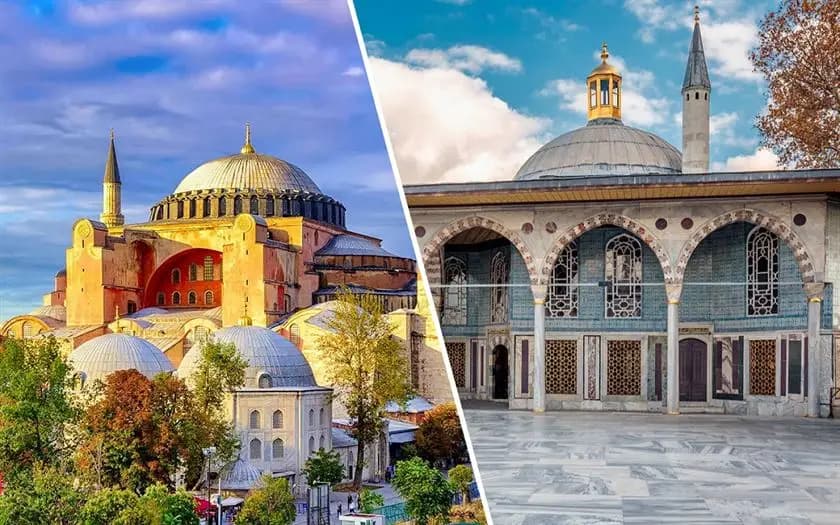
رحلة إسطنبول الخاصة لمدة 4 أيام
4 أيام من رحلة إسطنبول المدرسية الخاصة
اليوم الأول: زيارة مدينة إسطنبول القديمة، الجزء 1
ملعب سباق الخيل في القسطنطينيةفي ساحة على شكل حرف "U"، يشاهد 100,000 شخص سباقًا قديمًا للخيول. أما الأجزاء الوحيدة من ساحة سباق الخيل في القسطنطينية التي لا تزال قائمة، فهي: تمثال الأهرام المصري، وعمود الأفعى، وأعمدة القسطنطينية. أما المقاعد والجدران، وما تبقى من الهيكل، فقد دمرت.
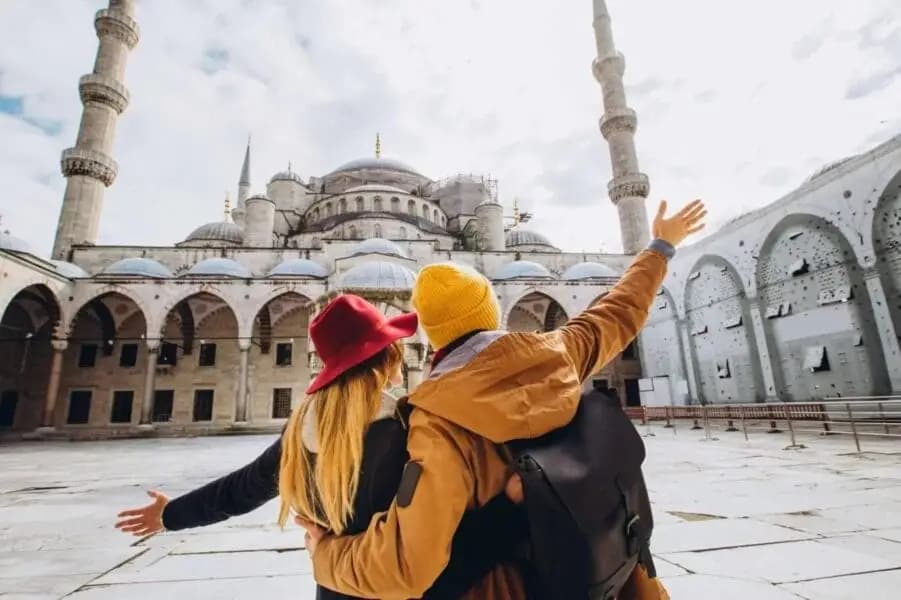
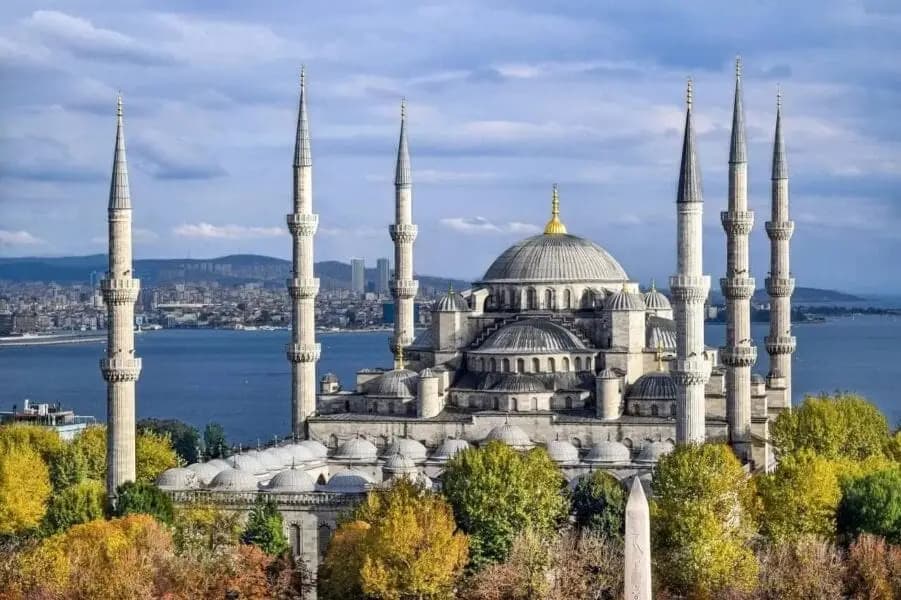
بين عامي 1609 و 1616، استطاع السادس من عمره أن يُمكنه أن يُمكنه أن يُمكنه أن يُمكنه أن يُمكنه أن يُمكنه أن يُمكنه أن يُمكنه أن يُمكنه أن يُمكنه أن يُمكنه أن يُمكنه أن يُمكنه أن يُمكنه أن يُمكنه أن يُمكنه أن يُمكنه أن يُمكنه أن يُمكنه أن يُمكنه أن يُمكنه أن يُمكنه أن يُمكنه أن يُمكنه أن يُمكنه أن يُمكنه أن يُمكنه أن يُمكنه. المسجد الأزرقخلال العهد العثماني، كان هذا المسجد مسجداً ملكياً. ويُعرف باسم "المسجد الأزرق"، ولكن السياح أطلقوا عليه هذا الاسم بسبب البلاط الأزرق الموجود بداخله.
متحف إسطنبول الماياك لديها مجموعة رائعة من الألواح الرومانية، معظمها من القرن التاسع إلى السادس.موقع المتحف في العاصمة الكاثوليكية الكبرى، والذي يوفر السياح فرصة فريدة للغاية لعرض كيفية جعل هذه الأعمال الفوتوغرافية الفنية معقدة.
متحف الفنون الإسلامية يضم متحف الفن الإسلامي في إسطنبول مجموعة رائعة من الأعمال الفنية والعناصر الإسلامية من أماكن وأزمن مختلفة. يضم المتحف أنواعًا مختلفة من الفنون المعروضة، مثل النصوص المضيئة، والخط العربي، والزجاج، والمنسوجات، والعمل المعدني، والفنون الخشبية. يمكن للزوار الاستمتاع بالإبداع الرفيع والتفاصيل المعقدة في هذه الأعمال، والتي تعكس التاريخ الثقافي الغني للعالم الإسلامي. يقدم متحف الفن الإسلامي في إسطنبول نظرة شيقة على مساهمة المجتمع الإسلامي في الفن والثقافة على مر العصور.
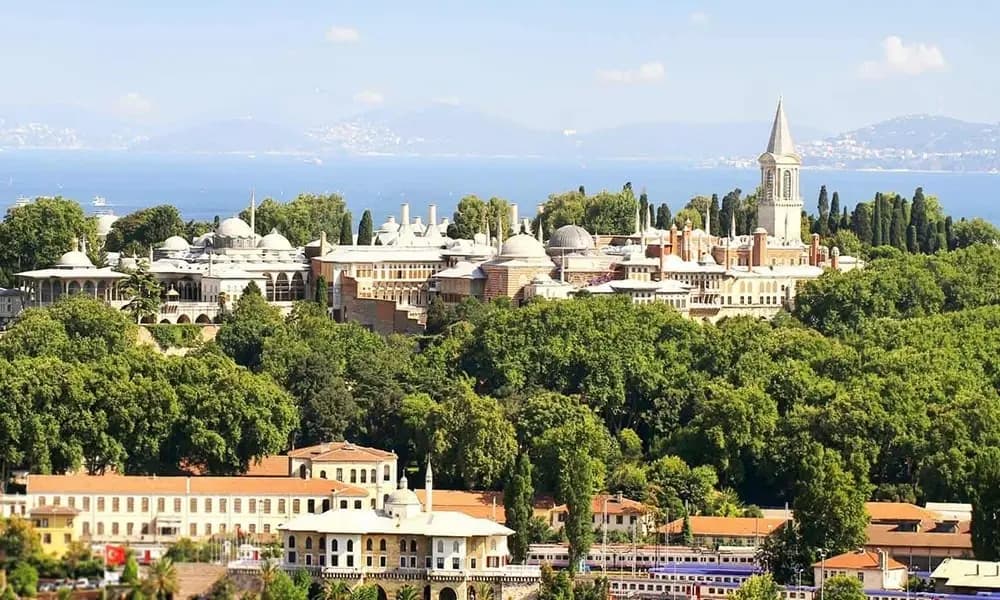
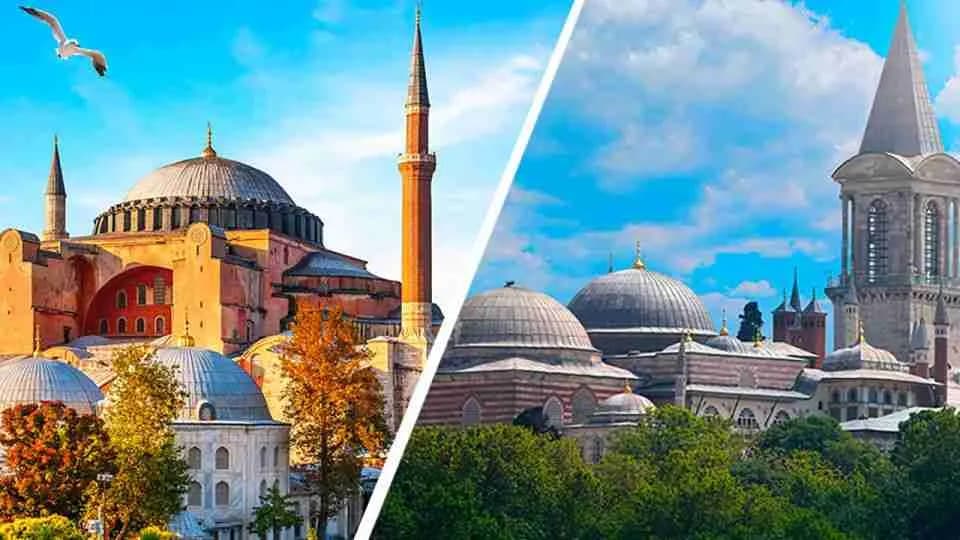
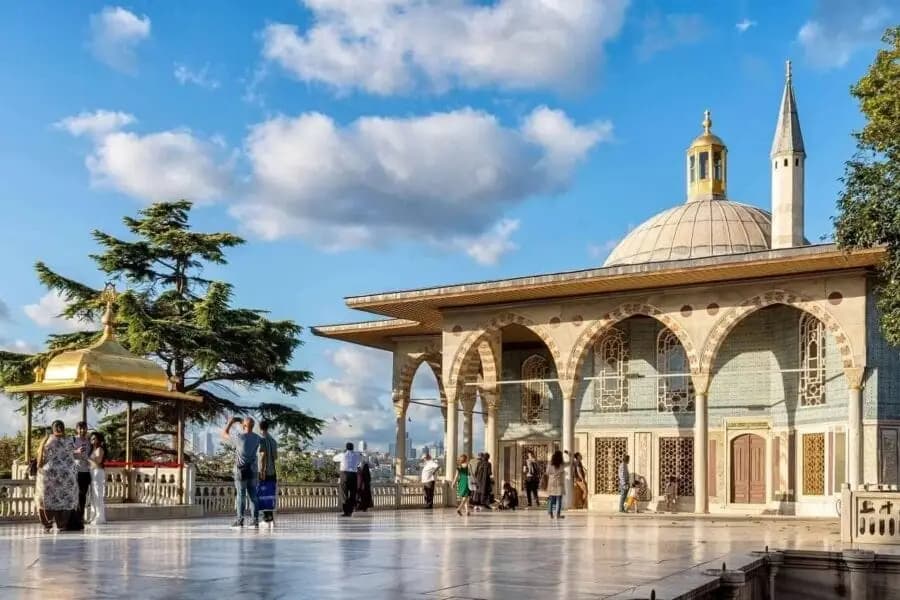
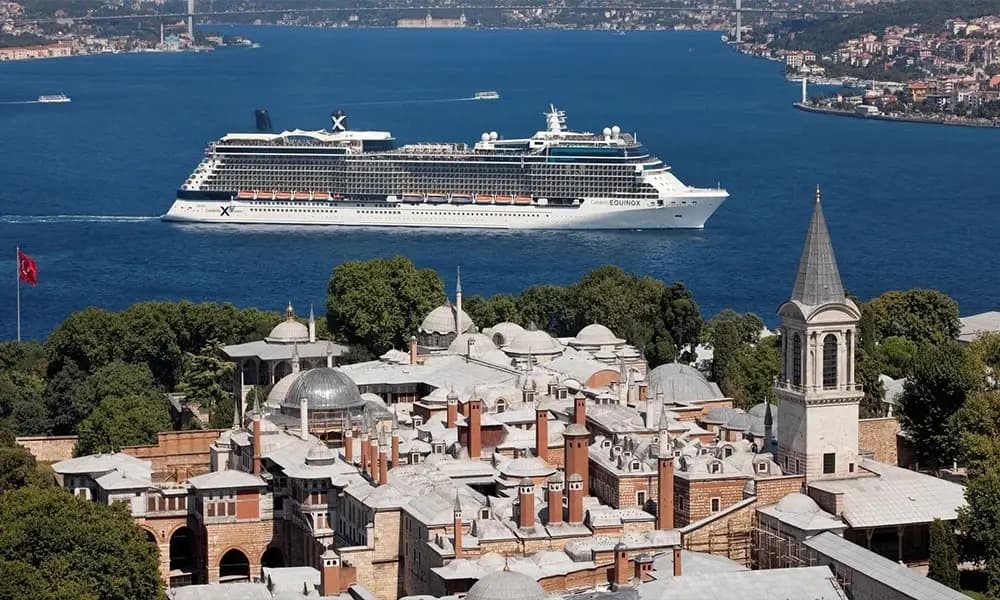
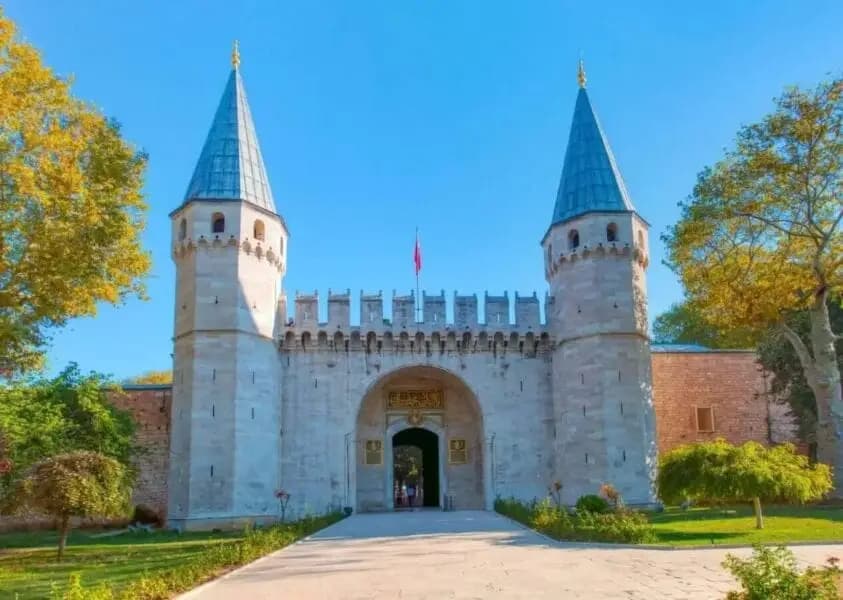
قصر طوب قابي كان هذا القصر مركزًا للحكومة والحياة في الإمبراطورية العثمانية. في القرن الخامس عشر، قام السلطان محمد الثاني ببناء هذا القصر. وأصبح لاحقًا مركزًا للحكومة في الإمبراطورية العثمانية. منذ عام 1924، تم استخدامه كمتحف.
اليوم الثاني: زيارة مدينة إسطنبول القديمة، الجزء الثاني
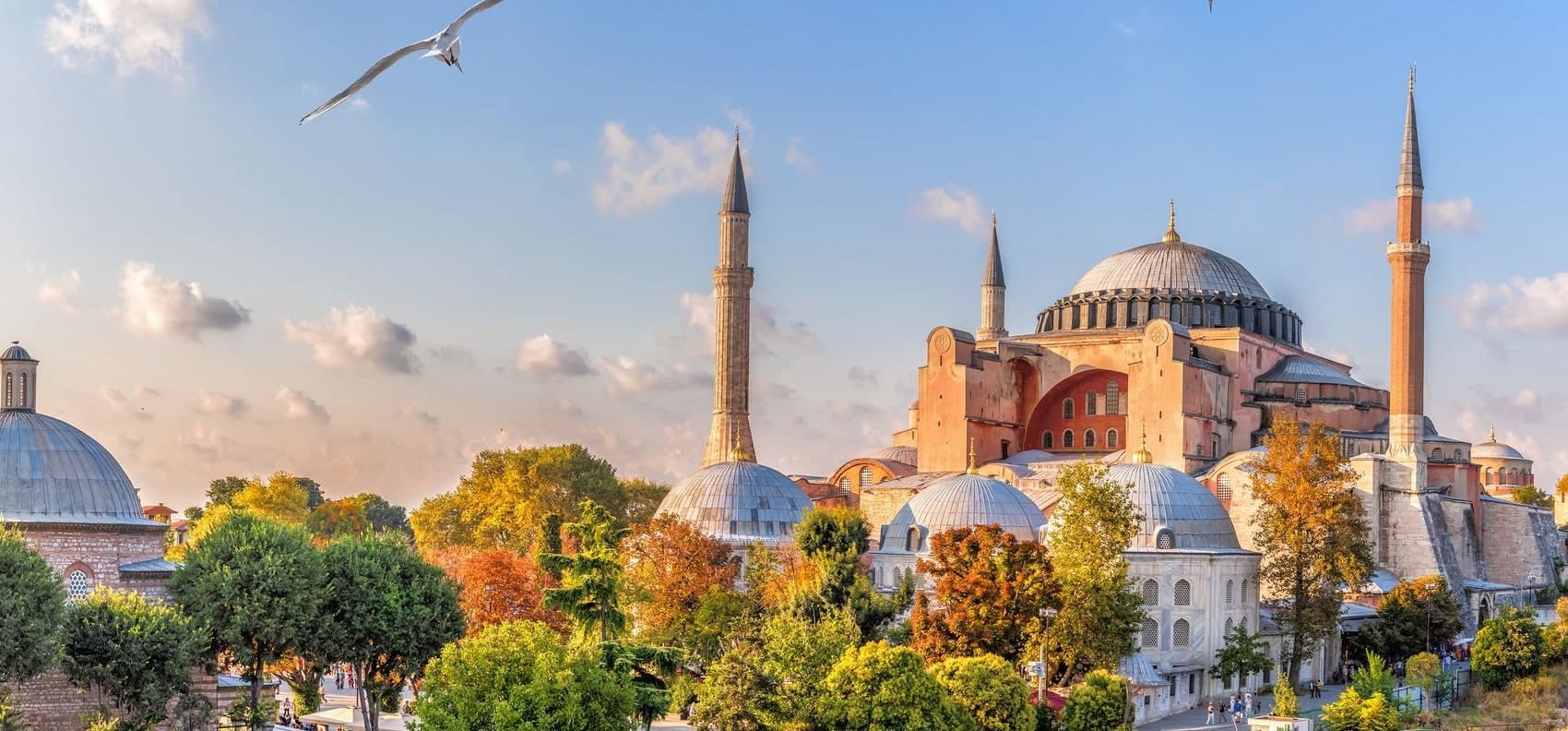
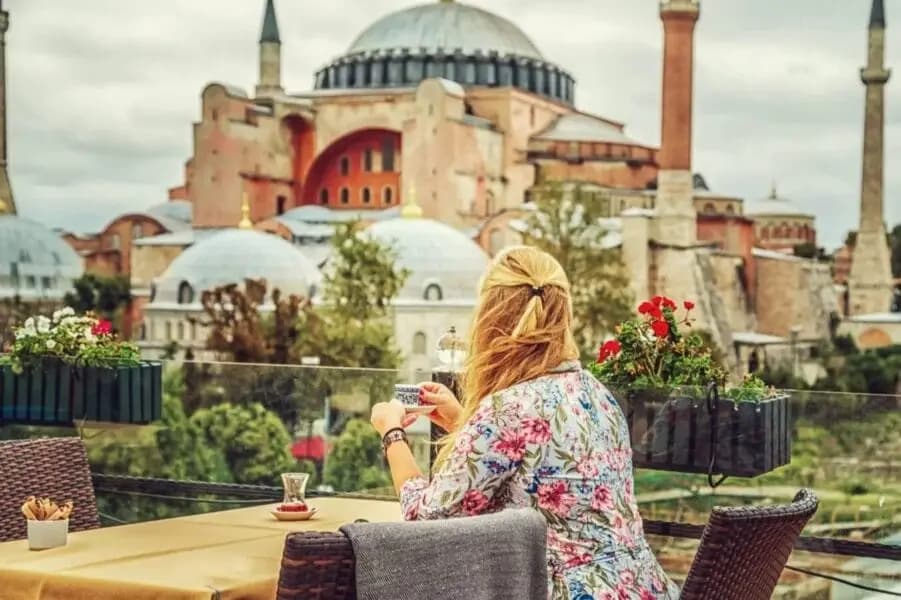
بين 532 و537، تم بناء جورجيناينيان، الإمبراطور الروماني. آيا صوفيا. تطورت لتصبح أكبر وأطول كنيسة في العالم. في القرن الخامس عشر، حول الأتراك الكنيسة إلى مسجد. في عام 1934، تم تحويلها إلى متحف. في يوليو 2020، توقفت الكنيسة عن كونها متحف وأصبحت مسجدًا مرة أخرى. مثل الكنائس الأخرى، يمكن للزوار زيارة آيا صوفيا.
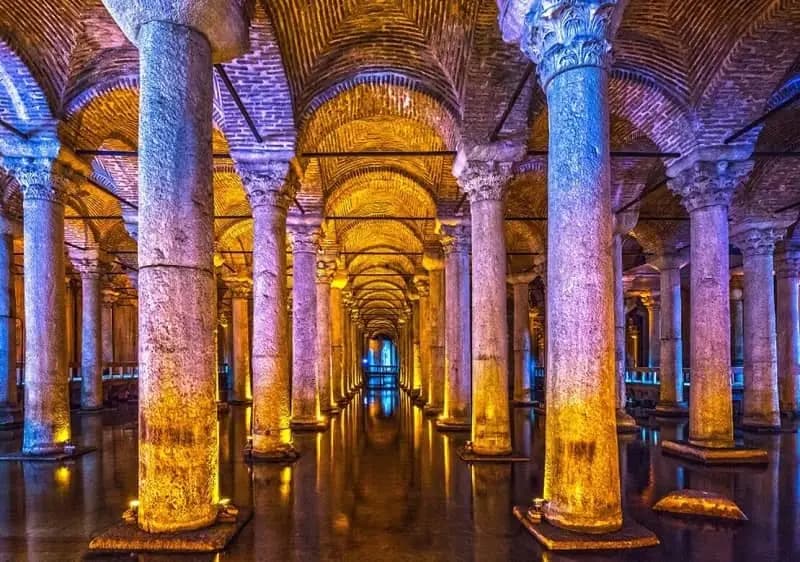
The Roman Emperor Justinian built the underground water tank close to the Hagia Sophia.
في العام 600، كان صهريج البازيليك was built. The tank is about 9,800 square meters and is 138 meters long and 65 meters wide. The upside-down and right-side-up Medusa heads on marble bases are the building's most famous exhibits instead of its columns.
المتاحف الأثرية في إسطنبول يضم المتحف مجموعة كبيرة من التحف من فتر وأماكن مختلفة. يتكون المتحف من ثلاثة أقسام رئيسية: متحف الآثار، ومتحف الشرق القديم، ومتحف الكشك المكسور. يمكن رؤية تحف من الحضارات القديمة مثل بلاد ما بين النهرين، ومصر، وجرีก، وروما في معروضات المتحف. تتضمن المجموعة تماثيل، وقبور، وأواني، وقطع عملات معدنية، وأعمال فنية مفصلة للغاية. يمثل متحف إسطنبول الأثري كنزًا من التحف التاريخية والثقافية، ويقدم للزوار رحلة ممتعة عبر الماضي الغني للمنطقة.
السوق الكبير is the oldest market in the world that has always been open. There are more than 4,000 stores on 61 streets, and walls completely encircle them. In the 15th century, Sultan Mehmet II built the Grand Bazaar. Later, other sultans added to it. Your guide will be more than happy to help you find your favorite piece of Turkish art if you ask.
اليوم الثالث: رحلة الطيران الخاصة بالبوسفور
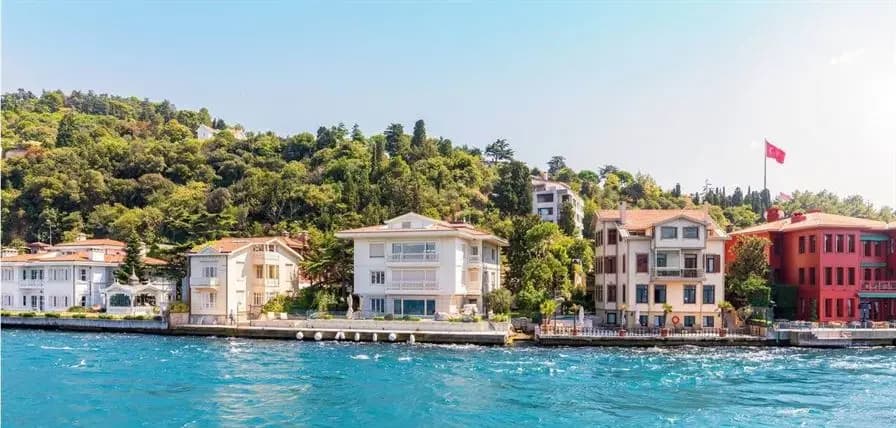
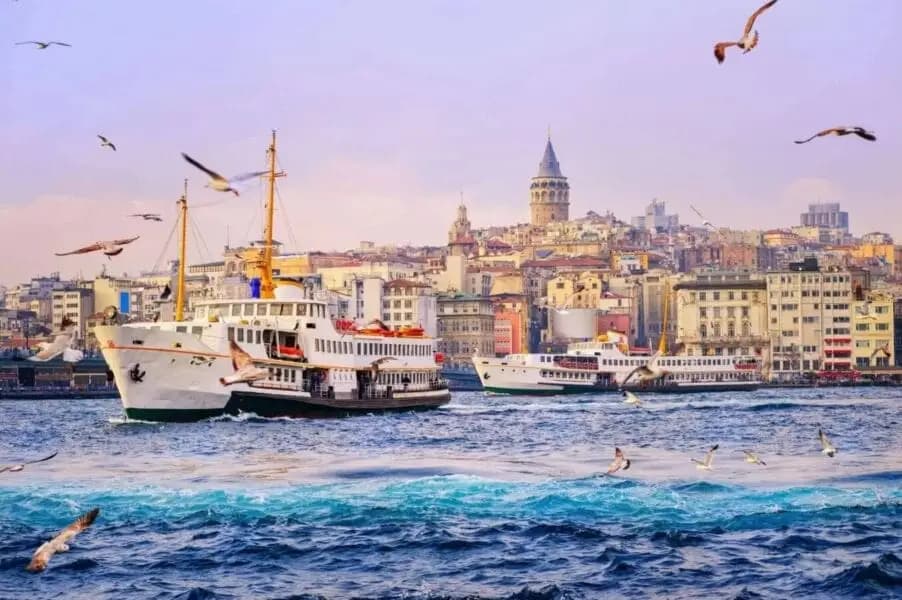
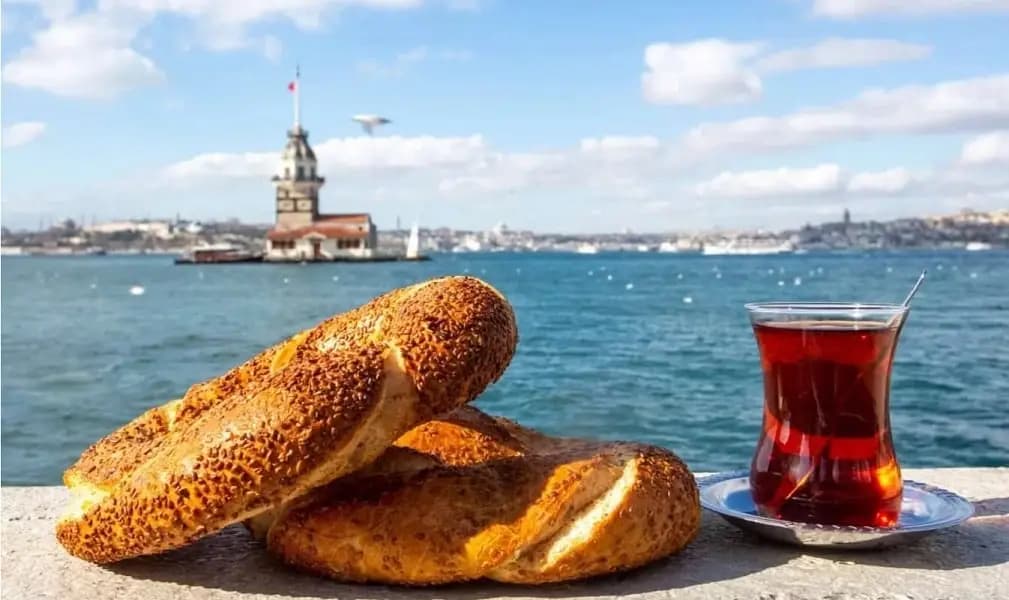
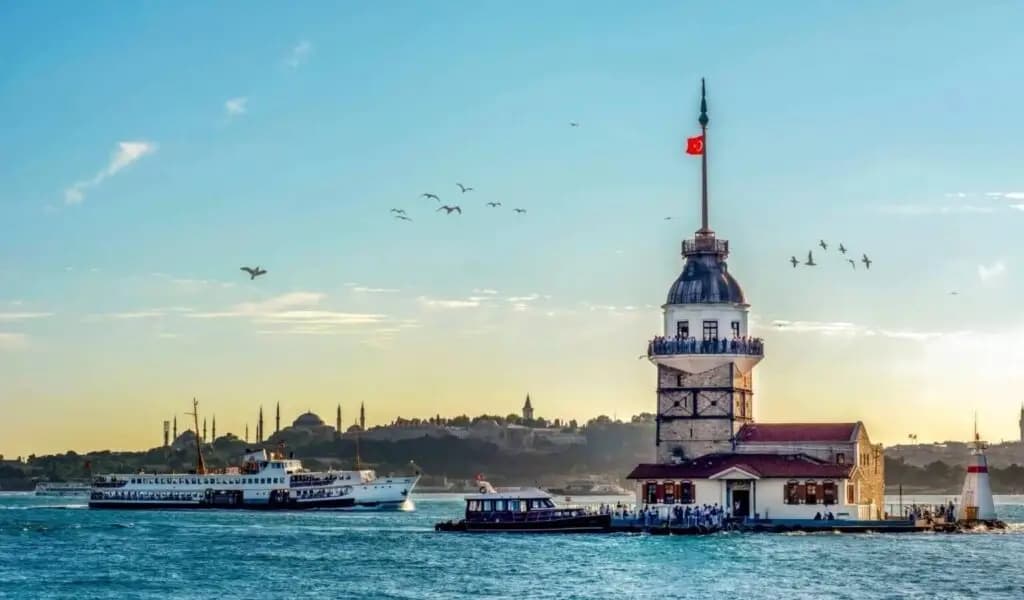
رحلات البوسفور: The strait between the Black Sea and the Sea of Marmara is 32 kilometers long, and it divides Istanbul into two countries. There are a lot of interesting things to see in the towns along the Bosphorus, like huge palaces, resorts, yali (private houses), and so on. On the boat, you will see the Dolmabahce Palace, the Ortakoy Mosque, the Raan Palace, the Bosphorus Bridge, the Rumeli Fortress, the Kücüksu Palace, the Fatih Sultan Mehmet Bridge (the second bridge on the Bosphorus), and the Maiden's Tower.
الملك عبدالعزيز بن عبدالعزيز بن عبدالعزيز بن عبدالعزيز بن عبدالعزيز بن عبدالعزيز بن عبدالعزيز بن عبدالعزيز بن عبدالعزيز بن عبدالعزيز بن عبدالعزيز بن عبدالعزيز بن عبدالعزيز بن عبدالعزيز بن عبدالعزيز بن عبدالعزيز بن عبدالعزيز بن عبدالعزيز بن عبدالعزيز بن عبدالعزيز بن عبدالعزيز بن عبدالعزيز بن عبدالعزيز بن عبدالعزيز بن عبدالعزيز بن عبدالعزيز بن عبدالعزيز بن عبدالعزيز بن عبدالعزيز بن عبدالعزيز بن عبدالعزيز بن عبدالعزيز بن عبدالعزيز بن عبدالعزيز بن عبدالعزيز بن عبدالعزيز بن عبدالعزيز بن عبدالعزيز بن عبدالعزيز بن عبدالعزيز بن عبدالعزيز بن عبدالعزيز بن عبدالعزيز بن عبدالعزيز بن عبدالعزيز بن عبدالعزيز بن عبدالعزيز بن عبدالعزيز بن عبدالعزيز بن عبدالعزيز بن عبدالعزيز بن عبدالعزيز بن عبدالعزيز بن عبدالعزيز بن عبدالعزيز بن عبدالعزيز بن عبدالعزيز بن عبدالعزيز بن عبدالعزيز بن عبدالعزيز بن عبدالعزيز قصر دولمة بهجة between 1843 and 1856 so that the Ottoman royal family could live there. Garabet Balyan, Nigogayos Balyan, and Evans Kalfa were all Armenian architects who built the house. The Dolmabahce Palace has 285 rooms, 6 bathrooms, and 46 halls.
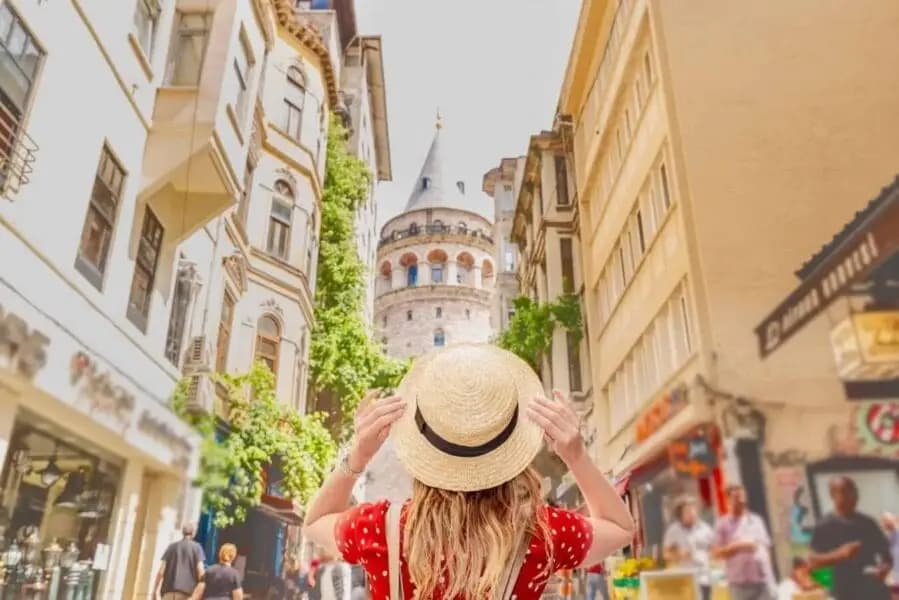
Taksim Square and Istiklal Street: For the vast majority of people who live in Istanbul, Taksim Square and Istiklal Street, which is a pedestrian-only street lined with bars and restaurants, are the city's centers. Between Taksim Square and the Galata Tower, the road goes for 1.44 km (0.87 mi).
Turhan Hatice, who was the mother of Sultan Mehmed IV, constructed the Egyptian Bazaar, also known as the بازار التوابلفي عام 1660 و1665، كانت السوق مركز تجارة الأطعمة في إسطنبول، حيث يمكنك شراء الحلويات التركية، والباكراوا، والملابس هناك.
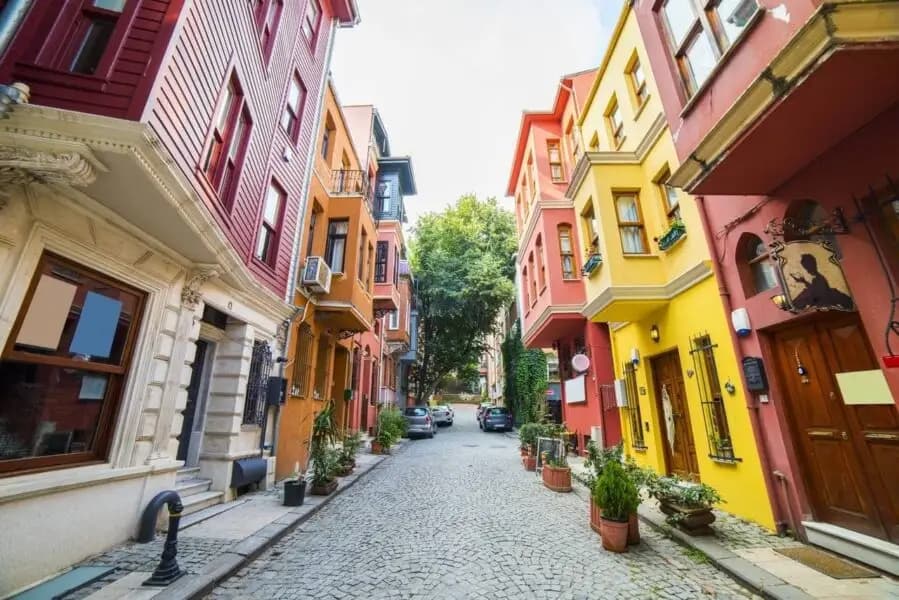
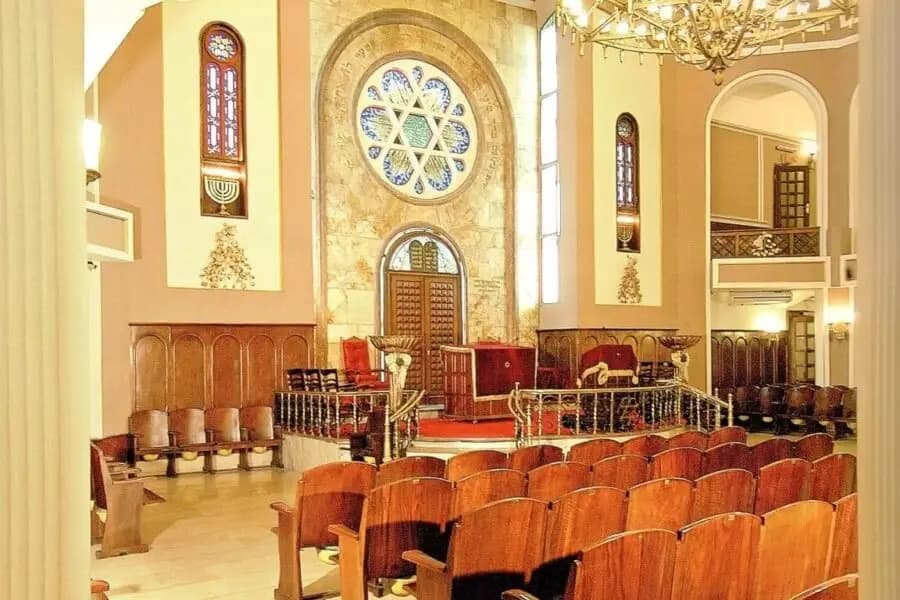
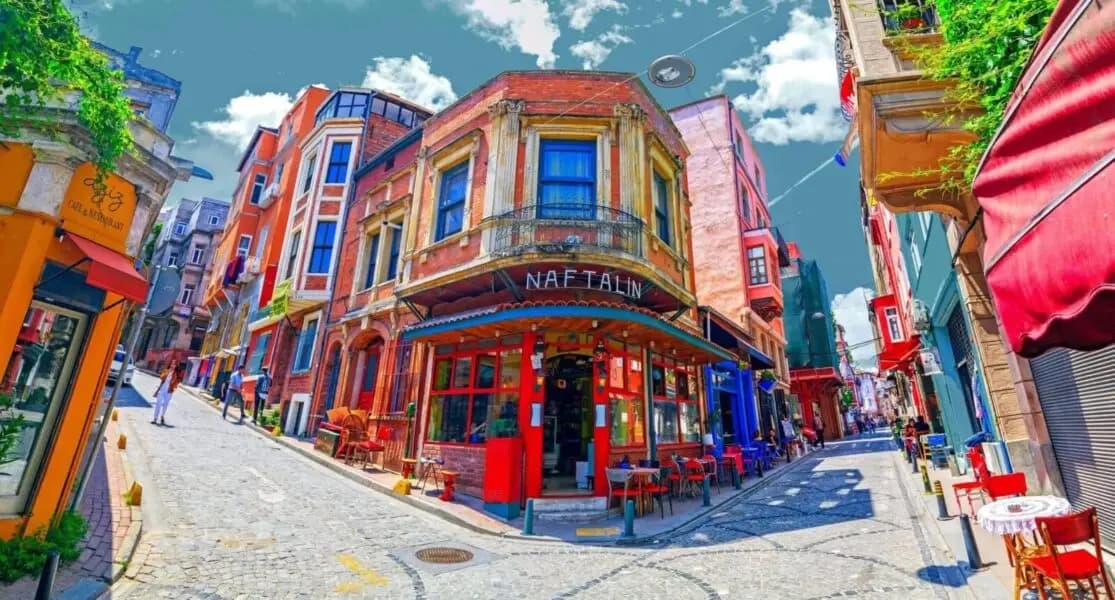
بالات وفنر are both on the ancient peninsula. These places are known for their rich cultural history and lively atmosphere. Balat and Fener are known for their small, winding streets that are lined with colorful, traditional Ottoman homes. With Greek, Jewish, and Armenian influences, these areas show how diverse Istanbul's past was. People can walk around the busy streets, go to old churches and synagogues, and learn about the lively local culture.
اليوم الثالث: زيارة التراث البيزنطية والرومانية
The Church of Saints Sergius and Bacchus, also known as "مسجد Küçük Ayasofya," is an old building in Istanbul's Old City. During the Byzantine Empire, it was built in the sixth century. It was an early example of Byzantine architecture and a forerunner to the larger Hagia Sophia. The structure has intricate columns supporting a dome in the center. It also has walls that are highly decorated and have beautiful mosaics on them. Today, it is a well-known cultural and architectural landmark that draws people with its artistic and historical beauty.
سبعة برج إسطنبول, which are also called Yedikule, are a group of old fortifications in Istanbul, Turkey. During the time of the Byzantines, these towers were built as part of the city's walls to protect them. The towers were placed in a smart way to protect the land walls of Constantinople, the city of the Byzantine Empire. Over time, the towers became a sign of how strong and tough the city was. Today, people can visit these old towers and see relics from Istanbul's long past while taking in sweeping views of the city.
The old city of Istanbul is surrounded by the famous Istanbul City Walls, which were built to protect the city. The Byzantine Empire built these walls, but the Ottoman Empire added to them and made them stronger. The walls, which were about 22 kilometers long, were very important in keeping invaders out of the city throughout history.
The Fatih Mosque, also called the Conqueror's Mosque, is an old and famous holy building in Istanbul's Old City. It is also known as the Conqueror's Mosque. After Sultan Mehmed II took control of Constantinople in 1453, he gave the order to build it. It was built between 1463 and 1470. The mosque is a beautiful example of an Ottoman building.
It has a big dome, elegant minarets, and a lot of intricate details on the outside. It is important not only because it is a beautiful piece of architecture but also because it is a symbol of the Ottoman Empire's victories and cultural history. The Fatih Mosque is still a respected place of worship and a popular place for tourists to come.
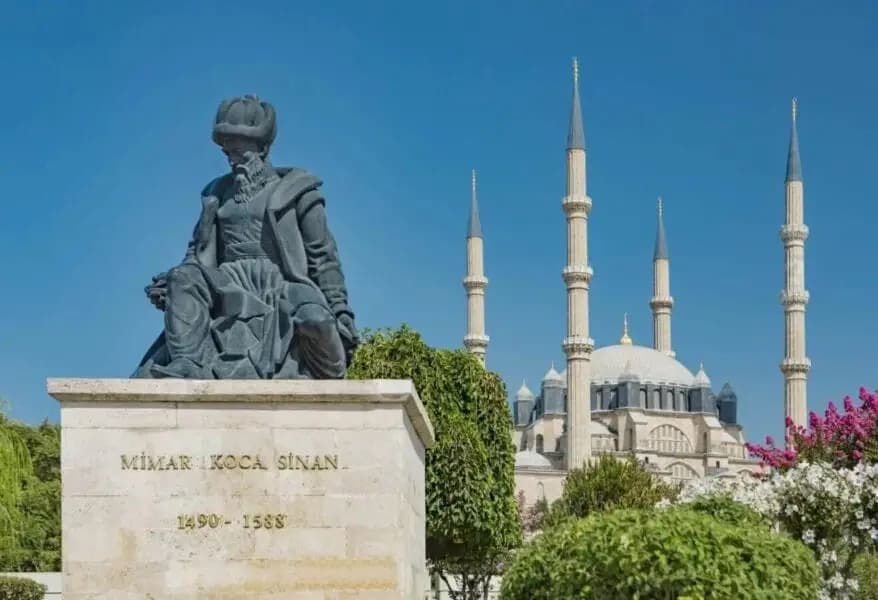
The Süleymaniye Mosque in Istanbul's Old City is a beautiful piece of architecture. Sultan Süleyman the Magnificent asked the great Ottoman architect Mimar Sinan to build it in the 1600s. The mosque is known for its grandeur and grace. It has a huge dome, tall minarets, and an intricately designed interior with beautiful calligraphy and tilework.
It is a big sign of the high quality of Islamic art and Ottoman architecture. The Süleymaniye Mosque is both a place of worship and a famous tourist spot. It shows visitors some of Istanbul's rich cultural history.
تفاصيل رحلة 4 أيام من إسطنبول
عدد السائقين الحد الأقصى لهذا الرحلة هو 10. يرجى الملابس بالرياضة بالمريخ.
لرحلة 4 أيام خاصة في إسطنبول ، نرجح أن تتناولك على الفور وأنت تأخذ الأحذية المريحة.
- نود أن تأخذ ملابس عادية وملابس مرنة.
- هذه الرحلة متاحة كل يوم.
- يوم الثلاثاء هو يوم إغلاق قصر طوب قابي.
- يُغلق سوق البازار الكبير في أيام الأحد.
- The Dolmabahce Palace is closed on Mondays.
نقطة الاجتماع
في الفندق الخاص بك
وقت العرض
ووافق قبل
رحلة خاصة 4 أيام إلى إسطنبول
السعر يضم
- قناة خاصة مهنية
- نقل عمالي يوم 1 و 2
- سيارة خاصة في اليوم الثالث والرابع
الأسعار لا تُشمل
- الطعام والشراب
- رسوم الوصول التي تُشير في الرحلة
- Private Van on the 1st and 2nd days (you can ask additionally). The price is 240 USD for a full-day rental)