4-dniowa wycieczka prywatna do Stambułu
4-Day Private Istanbul Tour
4 Days Private Guided Istanbul Tour
Dzień 1: Stare Miasto Stambułu, część 1
Hipodrom w KonstantynopoluW kształcie litery U, 100 000 osób ogląda starą wyścigową konną gonitwę. Jedynymi elementami Hipodromu Konstantynopola, które przetrwały do dziś, są egipski obelisk, kolumna z węży i kolumny poświęcone cesarzowi Konstantynowi. Siedzenia, ściany i większość pozostałych konstrukcji zostały zniszczone.
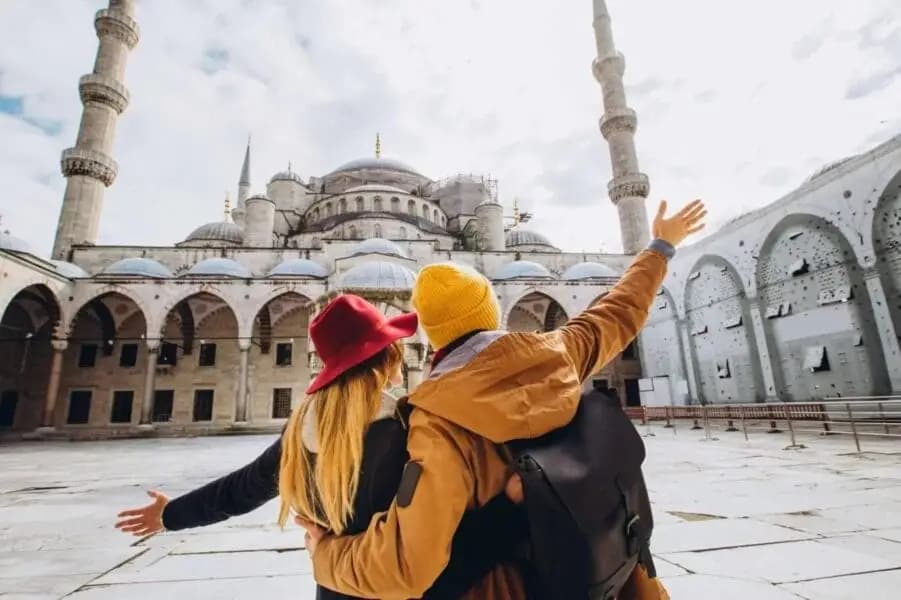
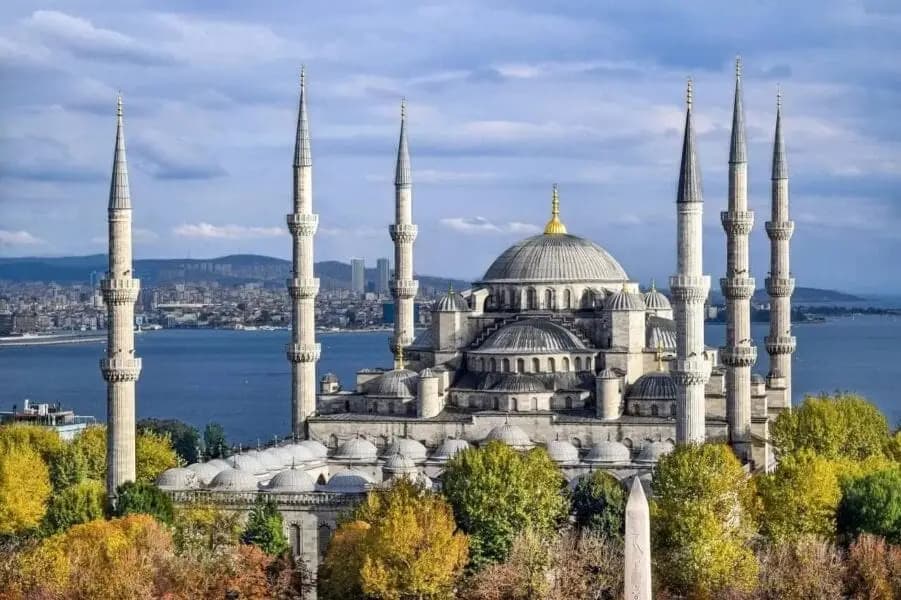
W latach 1609-1616 sultan Ahmed zbudował Błękitny Meczet. W czasach Imperium Osmańskiego była to pałacowa meczet. Nazywana jest Meczetem Niebieskim, jednak turystom dała się znaleźć nazwa „Meczet Niebieski” ze względu na niebieskie płytki wewnątrz.
Muzeum Mosaicznego Stambułu posiada niesamowitą kolekcję rzymskich płytek, z których większość pochodzi z IV do VI wieku. Muzeum znajduje się w Wielkim Pałacu Konstantynopola, co daje turystom wyjątkową okazję, aby zobaczyć, jak skomplikowane te mozaiki dzieła sztuki zostały wykonane.
Muzeum Sztuki Islamskiej W Stambule znajduje się wspaniała kolekcja sztuki i przedmiotów islamskich z różnych miejsc i okresów. W muzeum można podziwiać różne rodzaje sztuki, takie jak iluminowane teksty, kaligrafia, ceramika, tkaniny, rzemiosło metalowe i sztuka drewniana. Obywatele mogą podziwiać piękną precyzję i skomplikowane detale tych dzieł, które ukazują bogatą historię kulturową świata islamskiego. Muzeum Sztuki Islamskiej w Stambule oferuje fascynujący wgląd w to, jak społeczeństwo islamskie przyczyniło się do rozwoju sztuki i kultury na przestrzeni wieków.
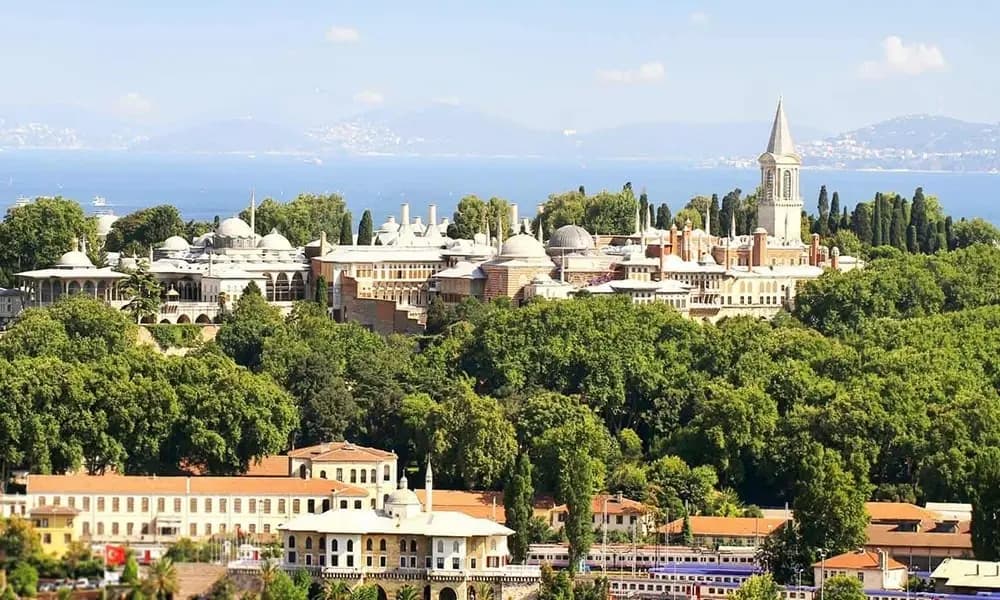
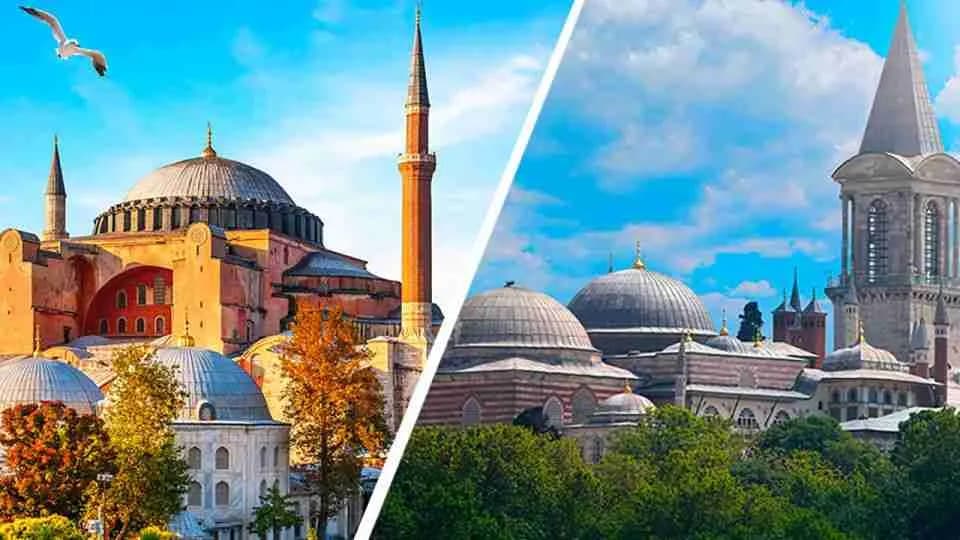
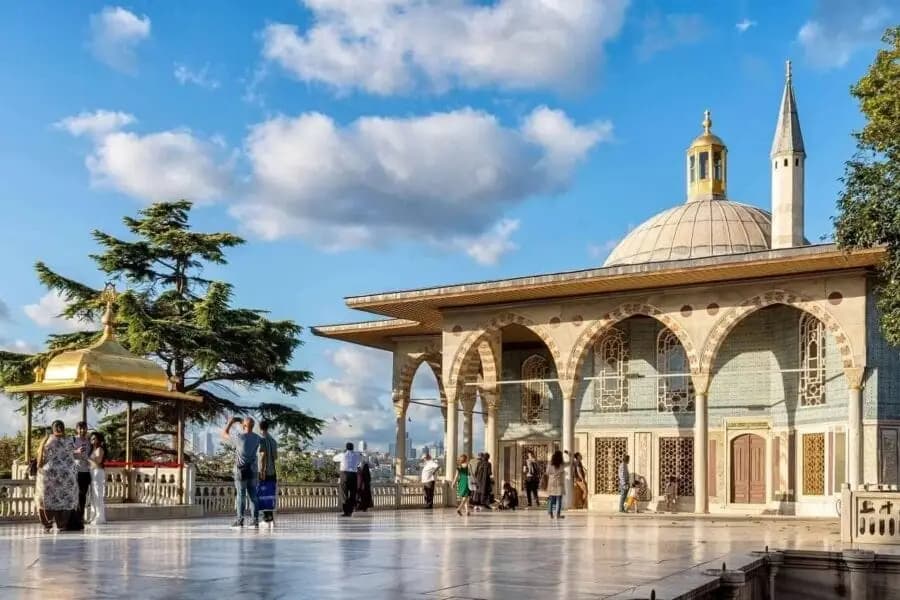
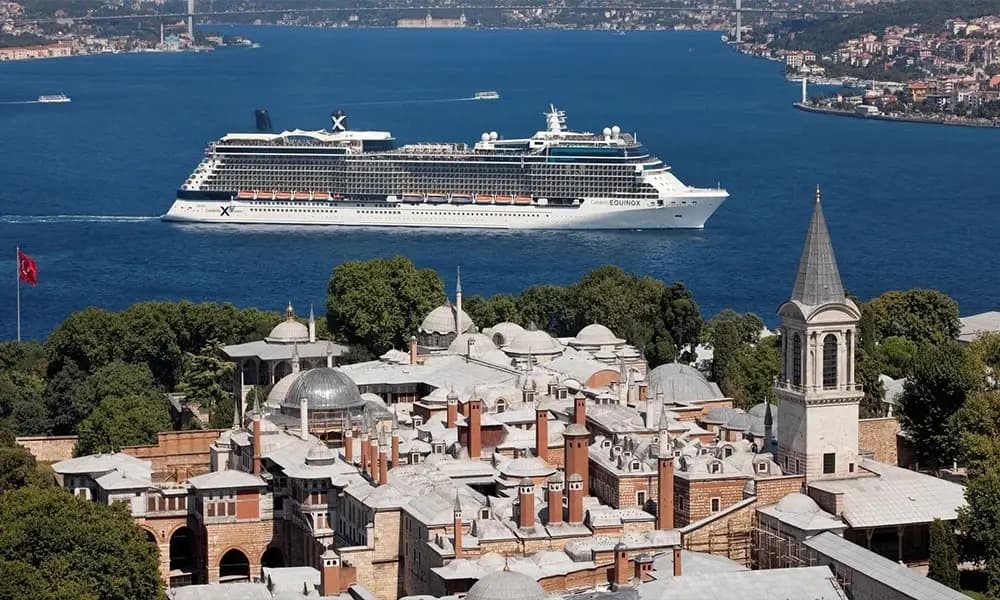
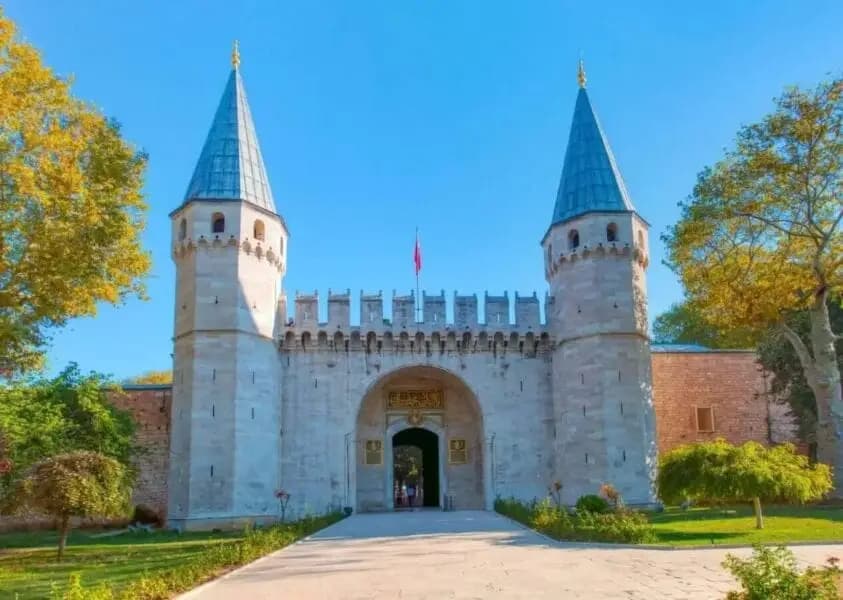
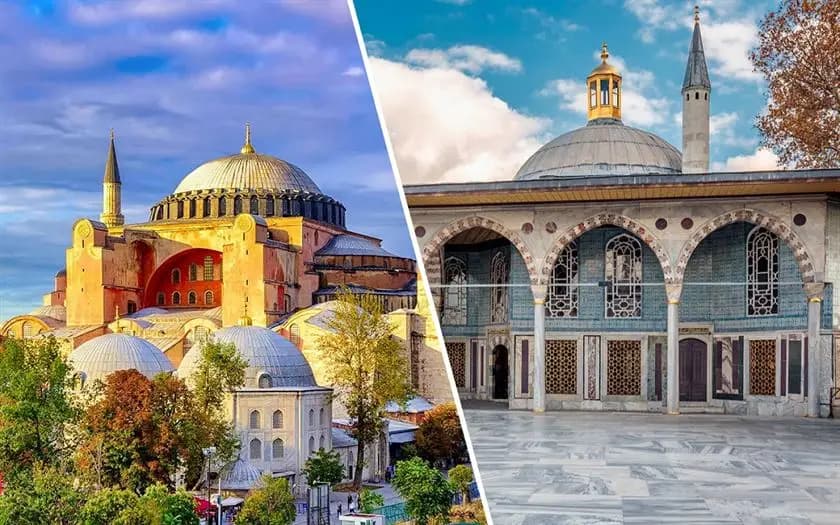
Pałac Topkapi Było to centrum władzy i życia dla Imperium Osmańskiego. W XV wieku, sułtan Mehmed II zbudował ten pałac. Później stał się centrum władzy Imperium Osmańskiego. Od 1924 roku służy jako muzeum.
Dzień 2: Stare Miasto Stambułu, część 2
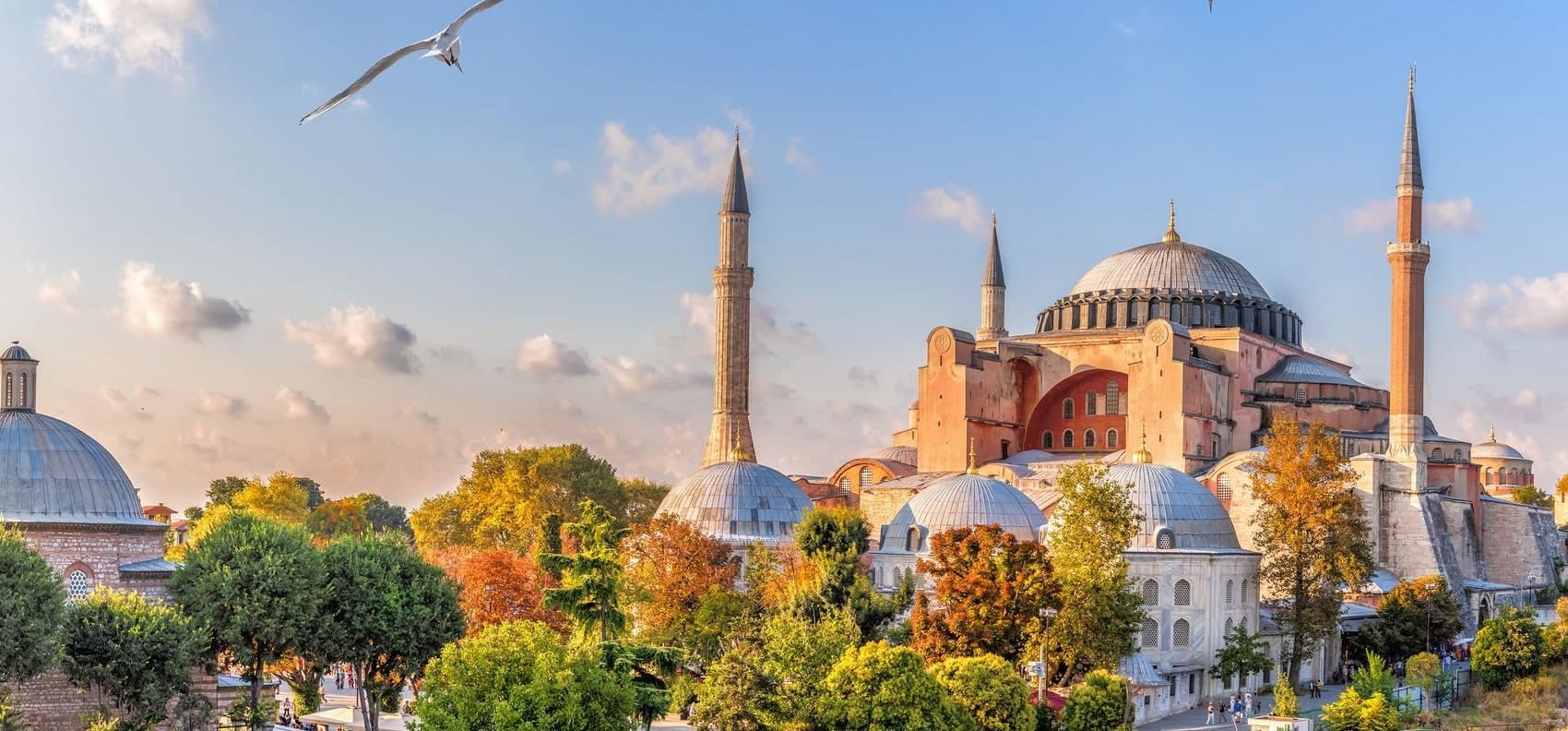
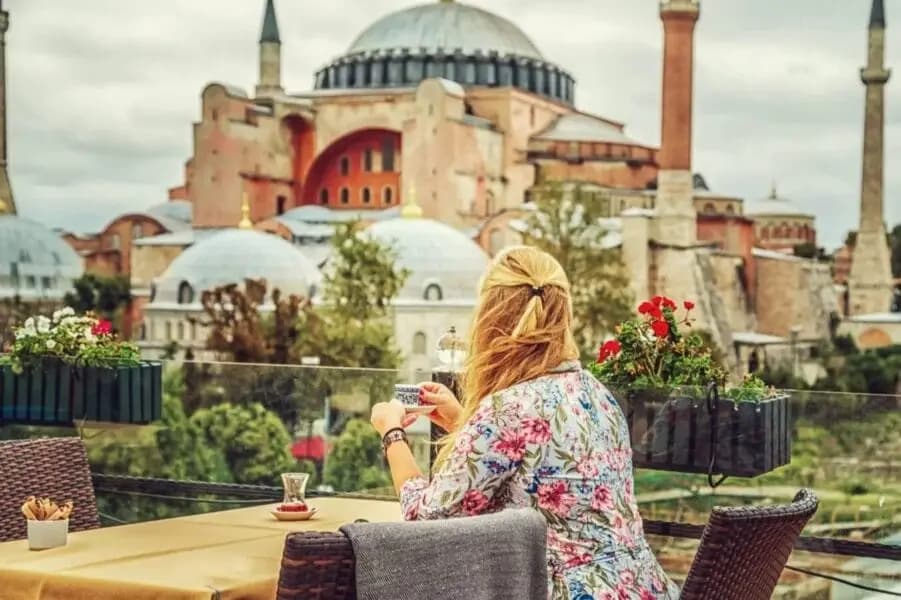
W latach 532-537 Justynian, cesarz rzymski, zbudował Hagia SophiaW latach 1500-tych, osmańscy przemienił kościół w meczet. W 1934 roku został przekształcony w muzeum. W lipcu 2020 roku Hagia Sophia przestała być muzeum i stała się meczetem ponownie. Podobnie jak inne kościoły, turyści mogą udać się do Hagia Sophia.
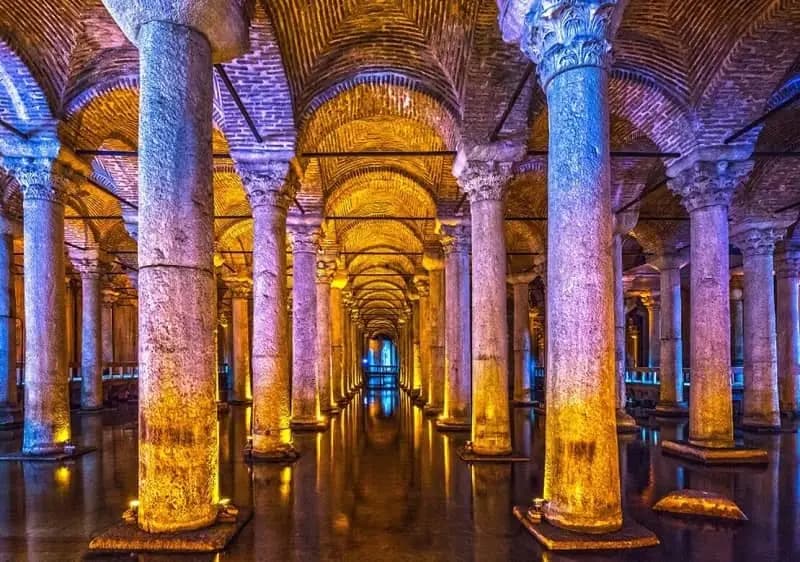
Cesarz Justynian zbudował podziemny zbiornik wody w pobliżu Hagia Sophia.
W roku 600, w Cysterna Bazyliki was built. The tank is about 9,800 square meters and is 138 meters long and 65 meters wide. The upside-down and right-side-up Medusa heads on marble bases are the building's most famous exhibits instead of its columns.
Muzeum Archeologiczne w Stambule posiada ogromną kolekcję przedmiotów z różnych okresów i miejsc. Muzeum składa się z trzech głównych części: Muzeum Archeologicznego, Muzeum Starego Orientu i Muzeum z Kawiarnią. W wystawach można zobaczyć artefakty z starożytnych kultur, takich jak Mezopotamia, Egipt, Grecja i Rzym. W kolekcji znajdują się figurki, sarkofagi, naczynia, monety oraz bardzo szczegółowe dzieła sztuki. Muzeum Archeologiczne w Stambule to skarbnica historycznych i kulturowych artefaktów, które zabierają odwiedzających w fascynującą podróż przez bogatą historię regionu.
Wielki Bazar Jest to najstarszy rynek na świecie, który zawsze był otwarty. Istnieje ponad 4 000 sklepów na 61 ulicach, a ściany całkowicie je otacza. W XV wieku, Sultan Mehmet II zbudował Wielki Bazar. Później, inni sultanowie dodali do niego. Twój przewodnik będzie bardziej niż szczęśliwy, aby pomóc Ci znaleźć swój ulubiony kawałek tureckiej sztuki, jeśli poprosisz.
Dzień 3: Wycieczka prywatna z przewodnikiem po Bosforze
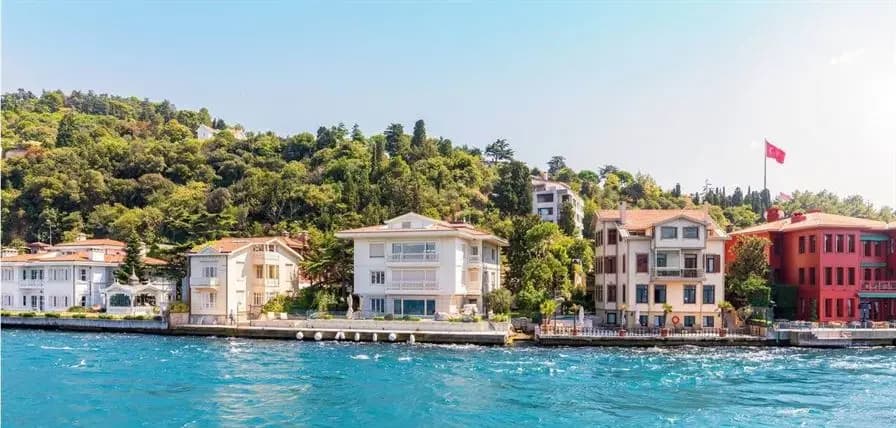
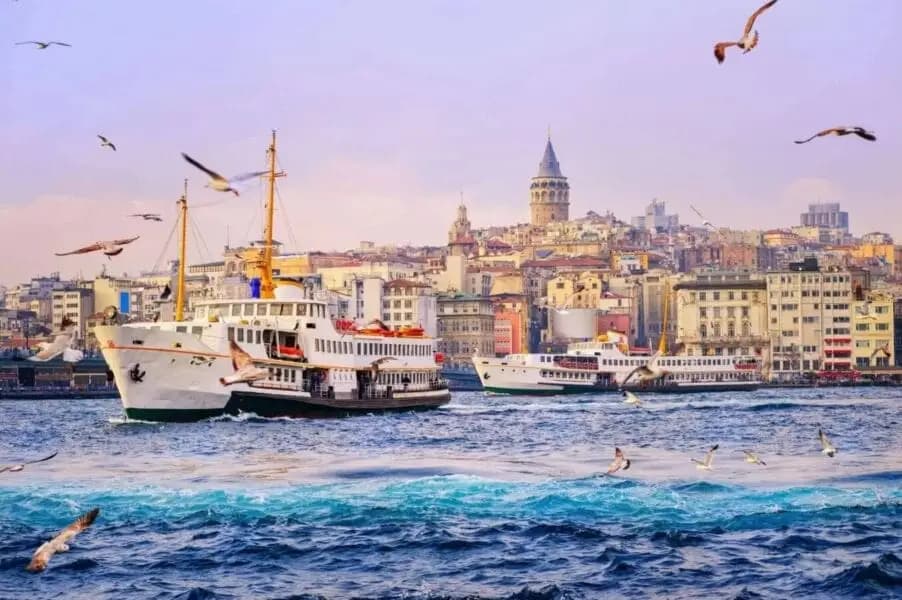
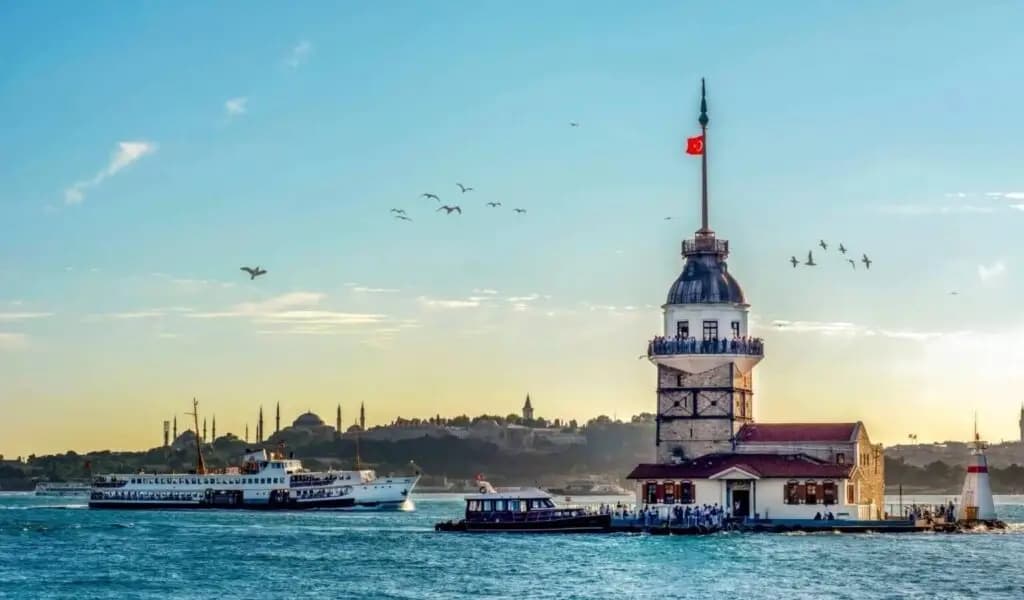
Bosfor Cruise: The strait between the Black Sea and the Sea of Marmara is 32 kilometers long, and it divides Istanbul into two countries. There are a lot of interesting things to see in the towns along the Bosphorus, like huge palaces, resorts, yali (private houses), and so on. On the boat, you will see the Dolmabahce Palace, the Ortakoy Mosque, the Raan Palace, the Bosphorus Bridge, the Rumeli Fortress, the Kücüksu Palace, the Fatih Sultan Mehmet Bridge (the second bridge on the Bosphorus), and the Maiden's Tower.
Sultan Abdulmejid zbudował Pałac Dolmabahçe between 1843 and 1856 so that the Ottoman royal family could live there. Garabet Balyan, Nigogayos Balyan, and Evans Kalfa were all Armenian architects who built the house. The Dolmabahce Palace has 285 rooms, 6 bathrooms, and 46 halls.
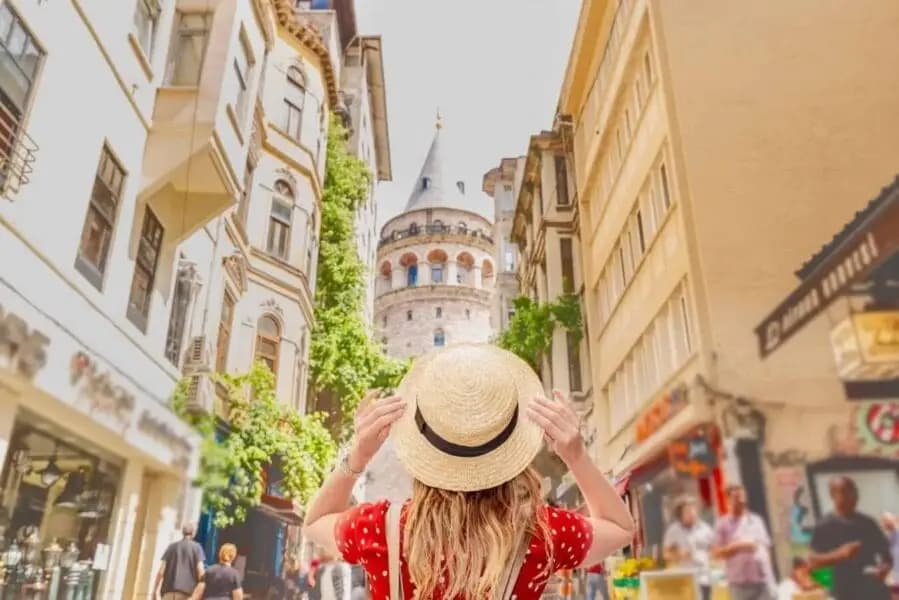
Taksim Square and Istiklal Street: For the vast majority of people who live in Istanbul, Taksim Square and Istiklal Street, which is a pedestrian-only street lined with bars and restaurants, are the city's centers. Between Taksim Square and the Galata Tower, the road goes for 1.44 km (0.87 mi).
Turhan Hatice, who was the mother of Sultan Mehmed IV, constructed the Egyptian Bazaar, also known as the Bazar Egipski, between 1660 and 1665. The market is the center of the spice trade in Istanbul. You can buy Turkish sweets, baklava, and gifts there.
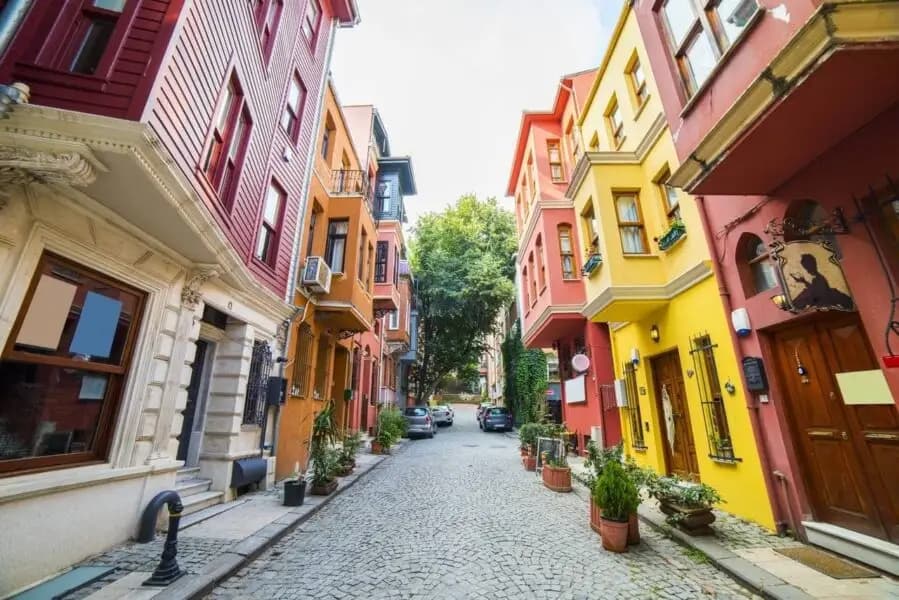
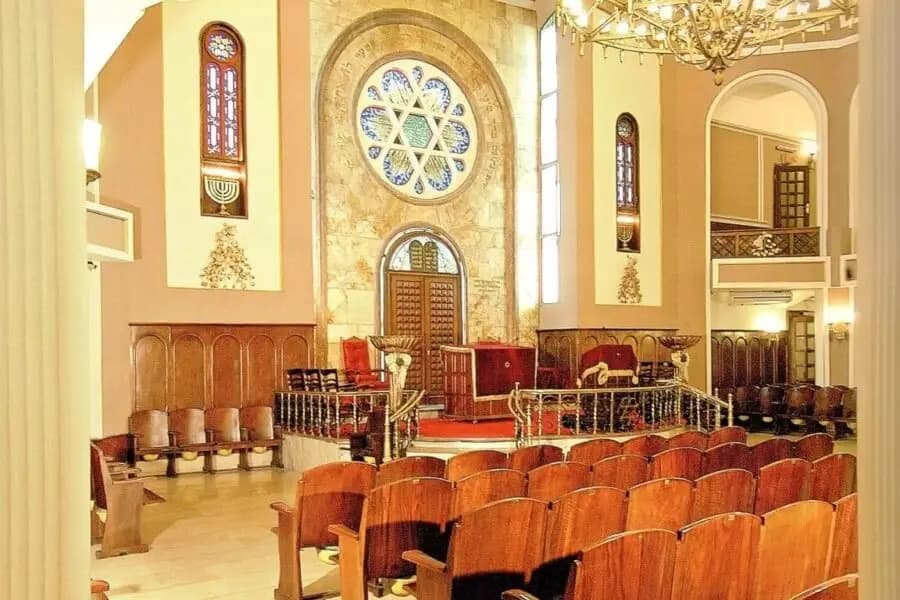
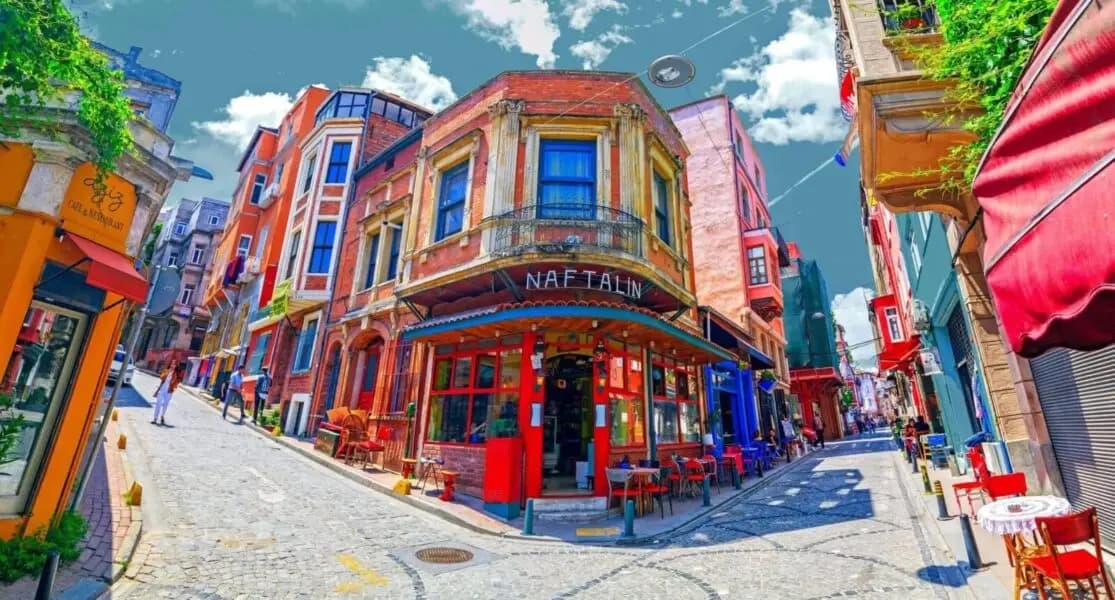
Balat i Fener are both on the ancient peninsula. These places are known for their rich cultural history and lively atmosphere. Balat and Fener are known for their small, winding streets that are lined with colorful, traditional Ottoman homes. With Greek, Jewish, and Armenian influences, these areas show how diverse Istanbul's past was. People can walk around the busy streets, go to old churches and synagogues, and learn about the lively local culture.
Dzień 4: Wycieczka do dziedzictwa bizantyjskiego i osmańskiego
The Church of Saints Sergius and Bacchus, also known as "Meczet Küçük Ayasofya," is an old building in Istanbul's Old City. During the Byzantine Empire, it was built in the sixth century. It was an early example of Byzantine architecture and a forerunner to the larger Hagia Sophia. The structure has intricate columns supporting a dome in the center. It also has walls that are highly decorated and have beautiful mosaics on them. Today, it is a well-known cultural and architectural landmark that draws people with its artistic and historical beauty.
The Seven Towers of Istanbul, which are also called Yedikule, are a group of old fortifications in Istanbul, Turkey. During the time of the Byzantines, these towers were built as part of the city's walls to protect them. The towers were placed in a smart way to protect the land walls of Constantinople, the city of the Byzantine Empire. Over time, the towers became a sign of how strong and tough the city was. Today, people can visit these old towers and see relics from Istanbul's long past while taking in sweeping views of the city.
Stare Miasto Stambułu jest otoczone słynnymi murami Stambułu, które zostały zbudowane, aby chronić miasto. Imperium Bizantyjskie zbudowało te mury, ale Imperium Osmańskie dodało do nich i uczyniło je silniejszymi.
Meczet Fatih, also called the Conqueror's Mosque, is an old and famous holy building in Istanbul's Old City. It is also known as the Conqueror's Mosque. After Sultan Mehmed II took control of Constantinople in 1453, he gave the order to build it. It was built between 1463 and 1470. The mosque is a beautiful example of an Ottoman building.
It has a big dome, elegant minarets, and a lot of intricate details on the outside. It is important not only because it is a beautiful piece of architecture but also because it is a symbol of the Ottoman Empire's victories and cultural history. The Fatih Mosque is still a respected place of worship and a popular place for tourists to come.
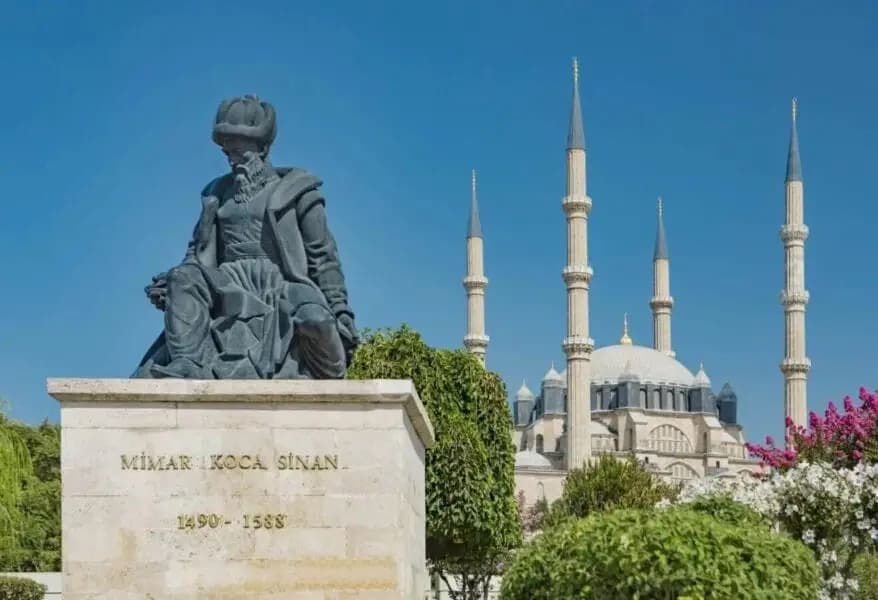
Meczet Süleymaniye in Istanbul's Old City is a beautiful piece of architecture. Sultan Süleyman the Magnificent asked the great Ottoman architect Mimar Sinan to build it in the 1600s. The mosque is known for its grandeur and grace. It has a huge dome, tall minarets, and an intricately designed interior with beautiful calligraphy and tilework.
It is a big sign of the high quality of Islamic art and Ottoman architecture. The Süleymaniye Mosque is both a place of worship and a famous tourist spot. It shows visitors some of Istanbul's rich cultural history.
Details of a 4-day Tour of Istanbul
Maksymalna ilość pasażerów na tę wycieczkę to 10. prosimy o wygodne ubranie i wygodne buty.
For the 4 Days Private Tour of Istanbul, we recommend that you dress casually and wear comfortable shoes.
- Zalecamy noszenie odzieży i wygodnych butów.
- Ta wycieczka jest dostępna codziennie.
- Pałac Topkapı jest zamknięty w poniedziałki.
- Wielki Bazar jest zamknięty w niedziele.
- The Dolmabahce Palace is closed on Mondays.
Spotkanie punkt
W Twoim hotelu
Czas spotkania
Porozumienie przed
4-dniowa wycieczka prywatna do Stambułu
Cena zawiera
- Prywatny profesjonalny przewodnik po trasie
- Transport publiczny w dniu 1 i 2
- Prywatny Van na 3 i 4 dni
Cena wyklucza
- posiłki i napoje
- Opłaty wstępu, wymienione w itinerarium
- Private Van on the 1st and 2nd days (you can ask additionally). The price is 240 USD for a full-day rental)