Tour privato di 4 giorni a Istanbul
Tour privato di 4 giorni a Istanbul
Tour guidato privato di 4 giorni a Istanbul
Giorno 1: Tour della città vecchia di Istanbul, parte 1
L'ippodromo di CostantinopoliIn un'arena a forma di U, 100.000 persone assistono a una vecchia corsa di cavalli. Le uniche parti dell'ippodromo di Costantinopoli che sono ancora presenti sono l'obelisco egizio, la colonna del serpente e le colonne di Costantino. I posti a sedere, le pareti e la maggior parte di ciò che è rimasto sono stati distrutti.
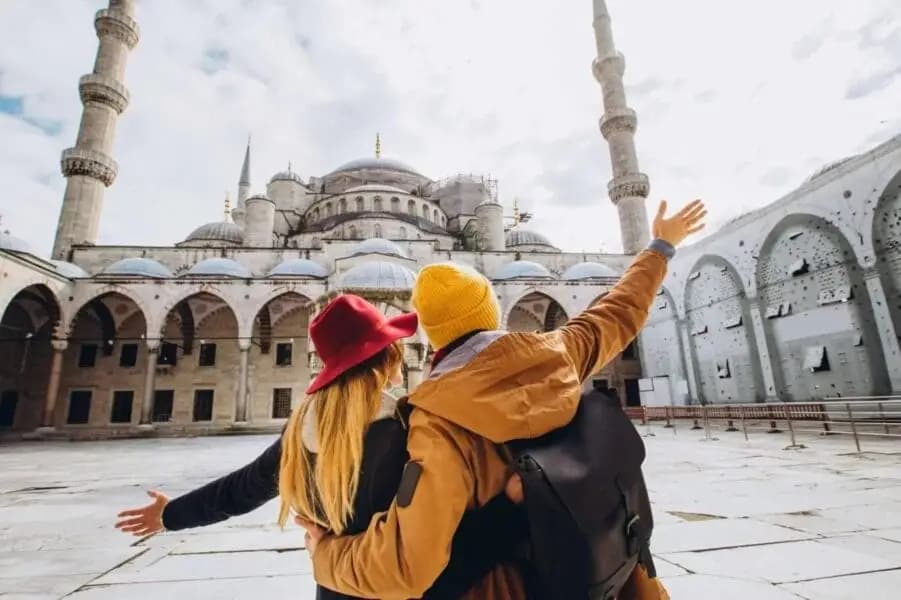
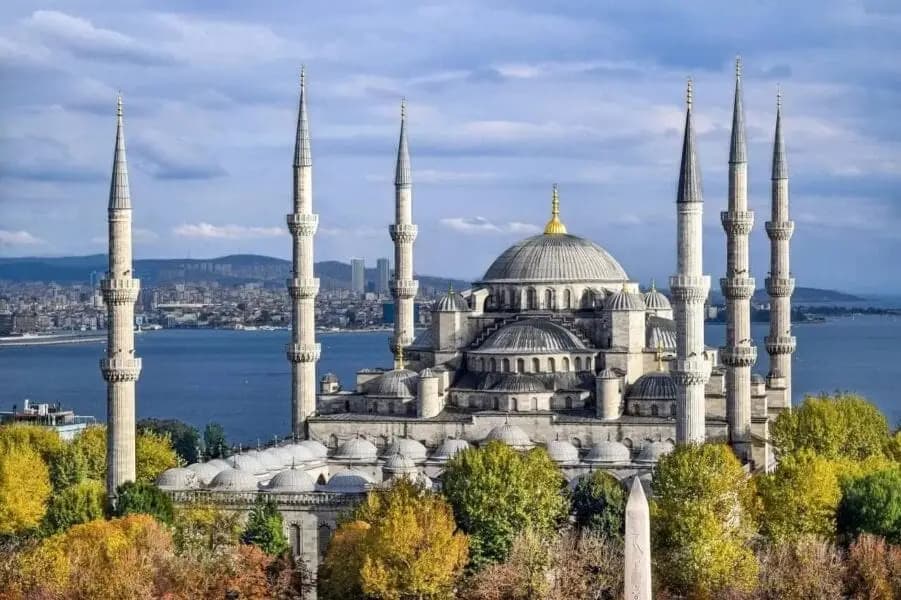
Tra il 1609 e il 1616 il sultano Ahmed costruì la Moschea BluDurante l'Impero Ottomano, era una moschea reale. È conosciuta come la Moschea Blu, ma i turisti l'hanno soprannominata "Moschea Blu" a causa dei suoi piastrelle blu interni.
Il Museo del Mosaico di Istanbul ha una straordinaria collezione di piastrelle romane, la maggior parte delle quali risalgono al 4 ° al 6 ° secolo. Il museo si trova nel Grande Palazzo di Costantinopoli, che dà ai turisti una possibilità unica di vedere come sono state realizzate queste opere d'arte mosaiche.
Il Museo dell'Arte Islamica A Istanbul si trova una collezione eccezionale di arte e oggetti islamici provenienti da molti luoghi e periodi diversi. Il museo espone una varietà di opere d'arte, tra cui testi illustrati, calligrafia, ceramiche, tessuti, lavorazioni in metallo e opere in legno. I visitatori possono ammirare l'abilità artigianale e i dettagli intricati di queste opere, che testimoniano la ricca storia culturale del mondo islamico. Il Museo dell'Arte Islamica di Istanbul offre uno sguardo affascinante su come la società islamica ha contribuito all'arte e alla cultura nel corso della storia.
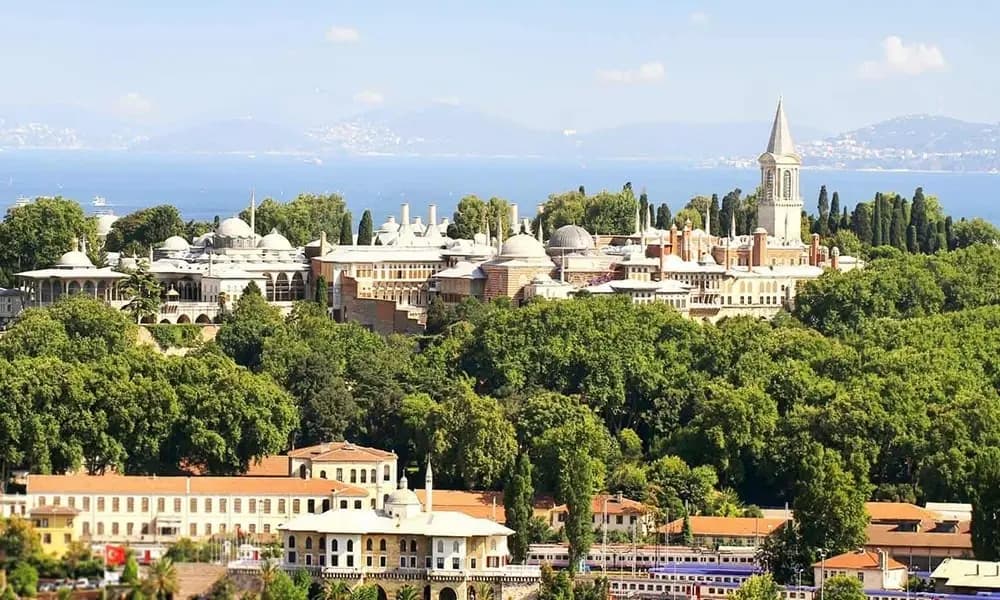
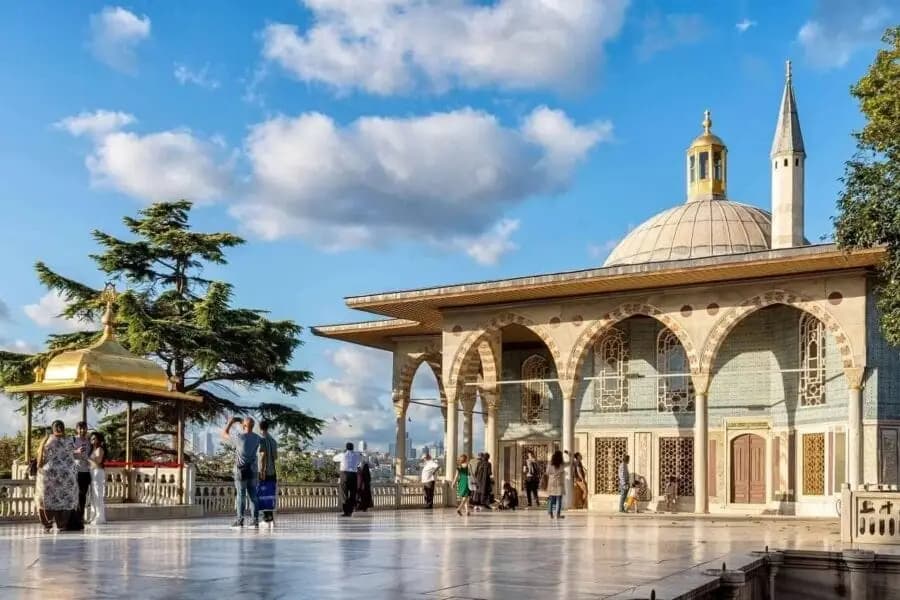
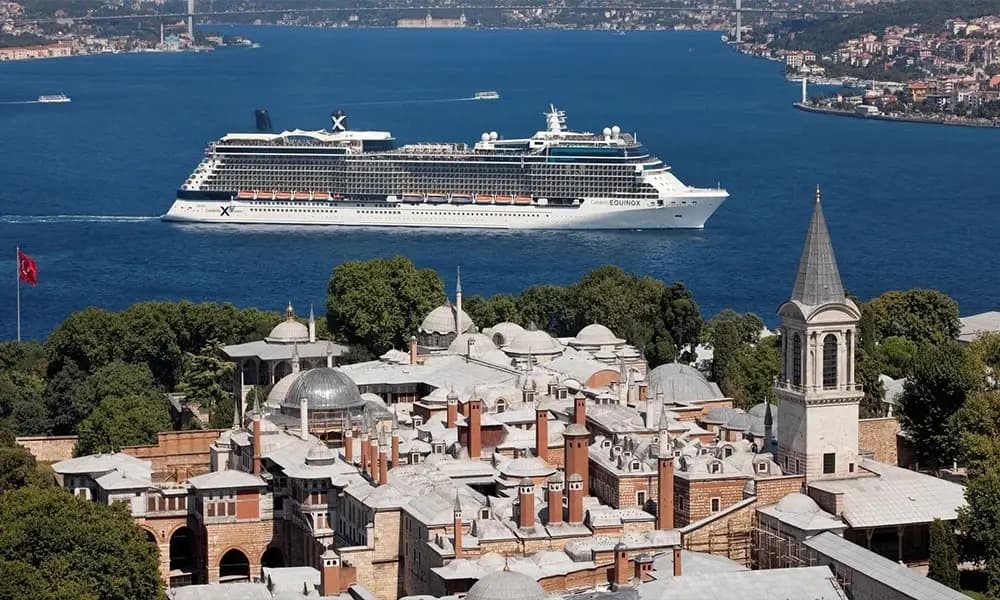
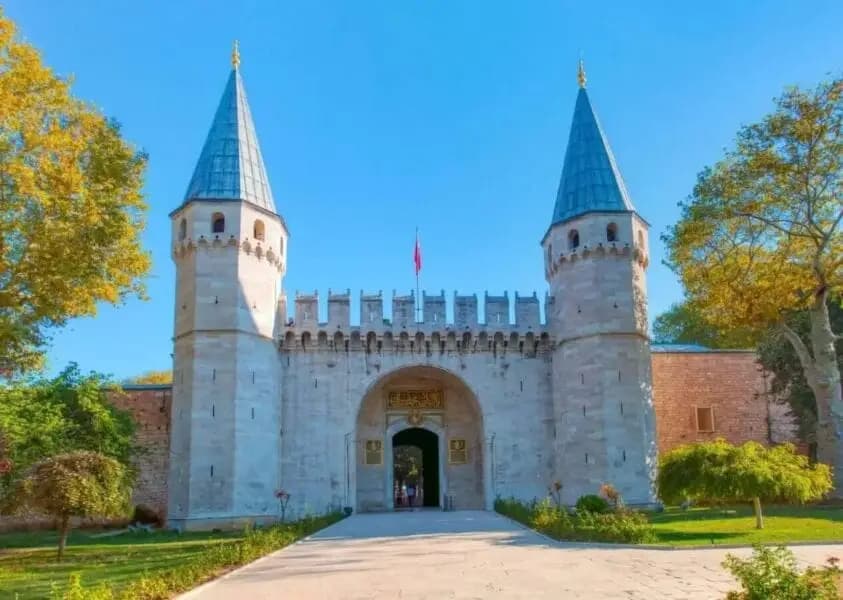
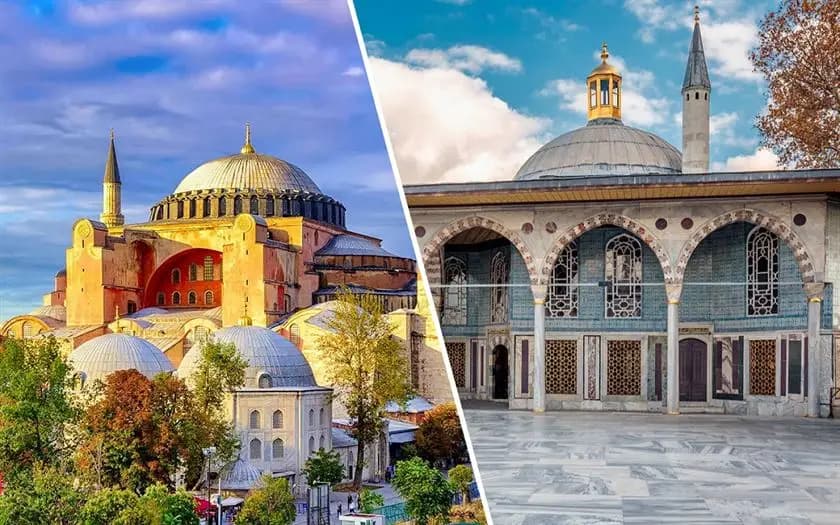
Il Palazzo di Topkapi Era il centro del governo e della vita dell'Impero Ottomano. Nel XV secolo, il sultano Mehmet II fece costruire il palazzo. Successivamente, divenne il centro del governo dell'Impero Ottomano. Dal 1924, è utilizzato come museo.
Giorno 2: Tour della città vecchia di Istanbul, parte 2
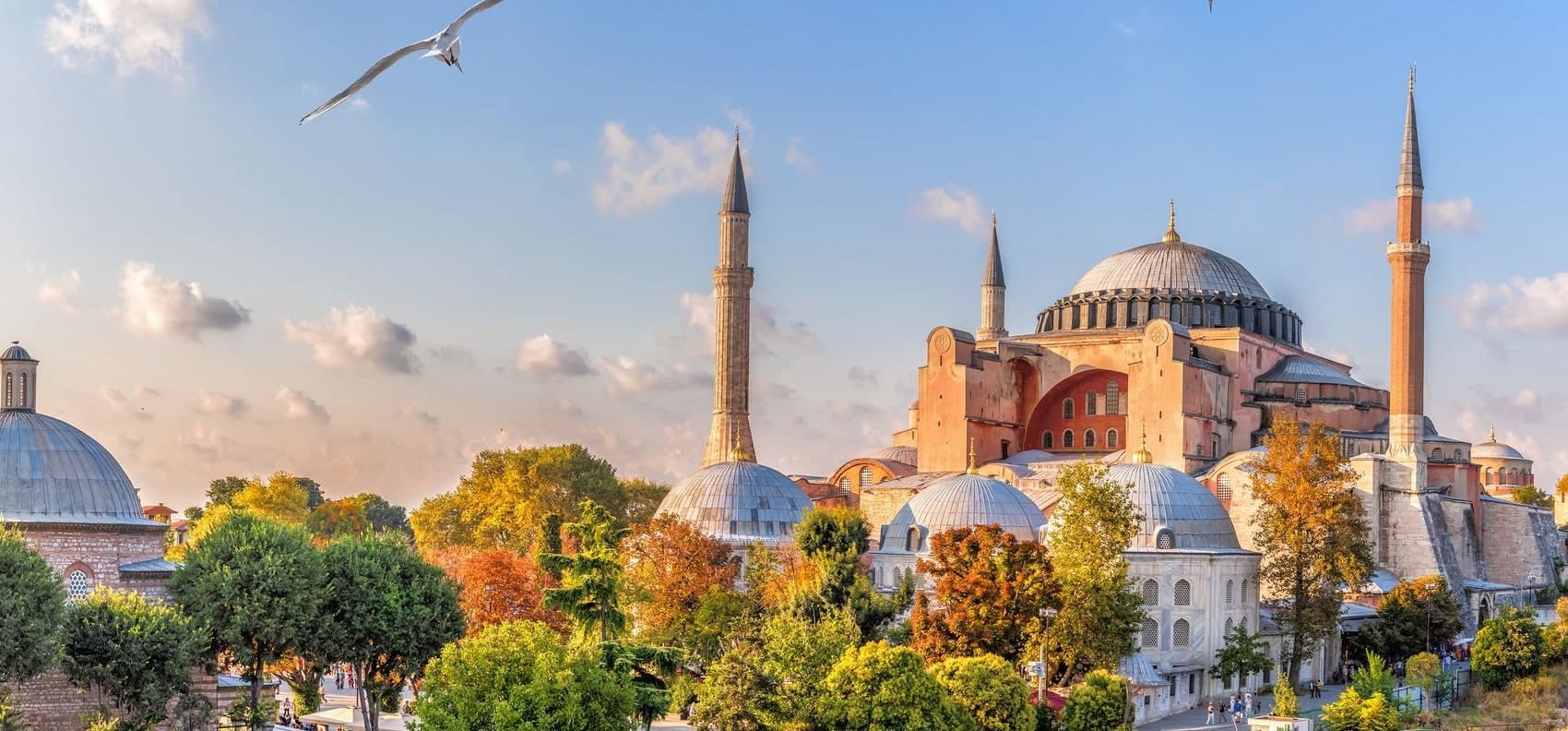
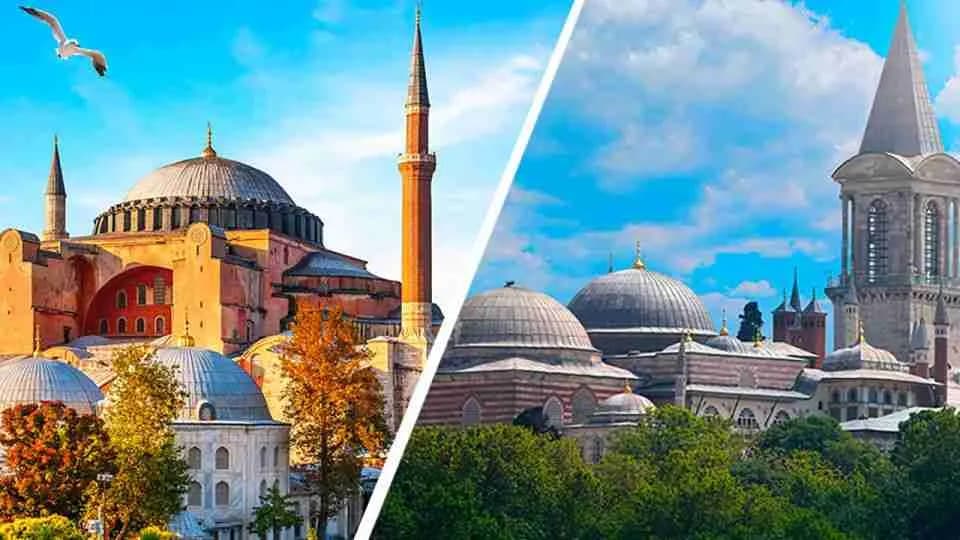
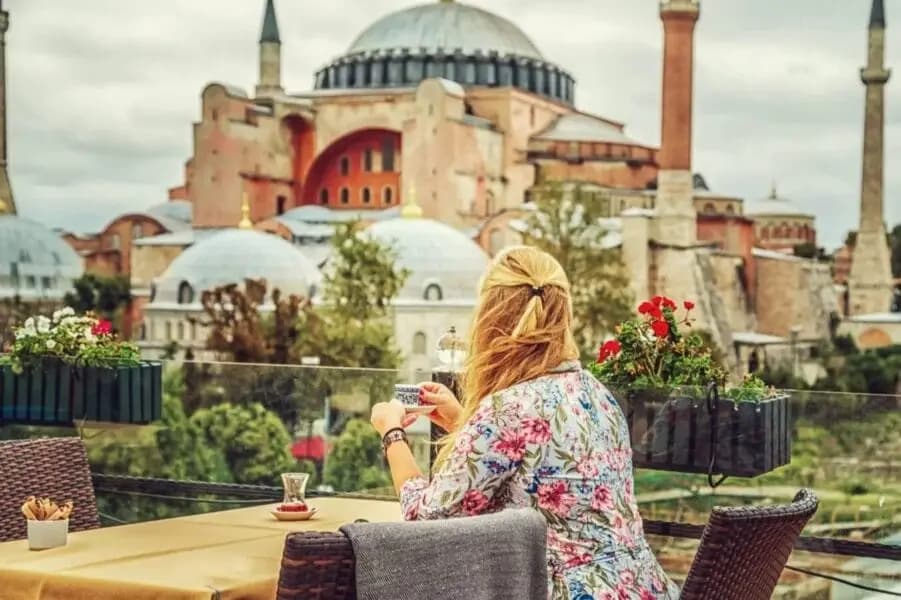
Tra il 532 e il 537, Giustiniano, imperatore romano, costruì la Santa SofiaÈ diventata la chiesa più alta e grande del mondo. Nel XVI secolo, gli Ottomani trasformarono la chiesa in una moschea. Nel 1934, è stata trasformata in un museo. Nel luglio 2020, la Santa Sofia ha smesso di essere un museo e è tornata ad essere una moschea. Come le altre chiese, anche la Santa Sofia è accessibile ai turisti.
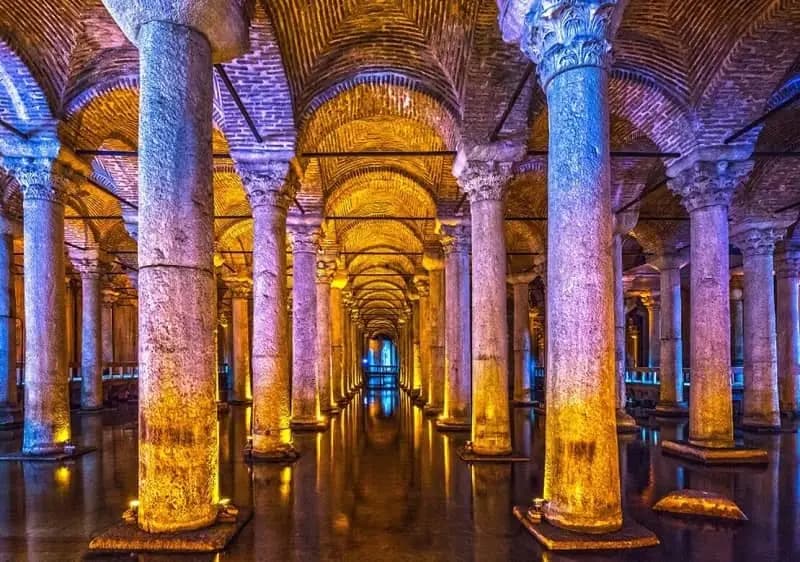
The Roman Emperor Justinian built the underground water tank close to the Hagia Sophia.
Nel 600, il Cisterna Basilica was built. The tank is about 9,800 square meters and is 138 meters long and 65 meters wide. The upside-down and right-side-up Medusa heads on marble bases are the building's most famous exhibits instead of its columns.
I Musei Archeologici di Istanbul Possiede una vasta collezione di oggetti provenienti da diversi periodi e luoghi. Il museo è suddiviso in tre sezioni principali: il Museo Archeologico, il Museo dell'Antico Oriente e il Museo dei Kioschi in ceramica. All'interno del museo è possibile ammirare manufatti provenienti da antiche culture come la Mesopotamia, l'Egitto, la Grecia e Roma. La collezione comprende statue, sarcofagi, vasi, monete e opere d'arte molto dettagliate. I Musei Archeologici di Istanbul sono un vero tesoro di reperti storici e culturali, che offrono ai visitatori un affascinante viaggio nella ricca storia della regione.
Il Grande Bazar is the oldest market in the world that has always been open. There are more than 4,000 stores on 61 streets, and walls completely encircle them. In the 15th century, Sultan Mehmet II built the Grand Bazaar. Later, other sultans added to it. Your guide will be more than happy to help you find your favorite piece of Turkish art if you ask.
Giorno 3: Crociera privata guidata sul Bosforo
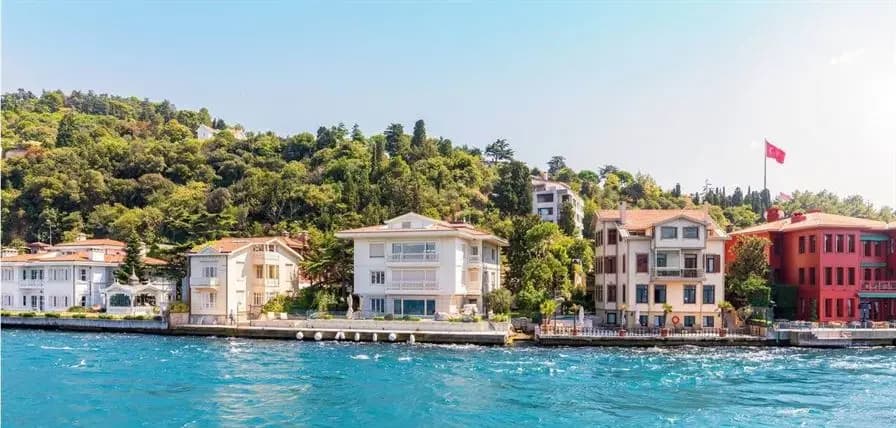
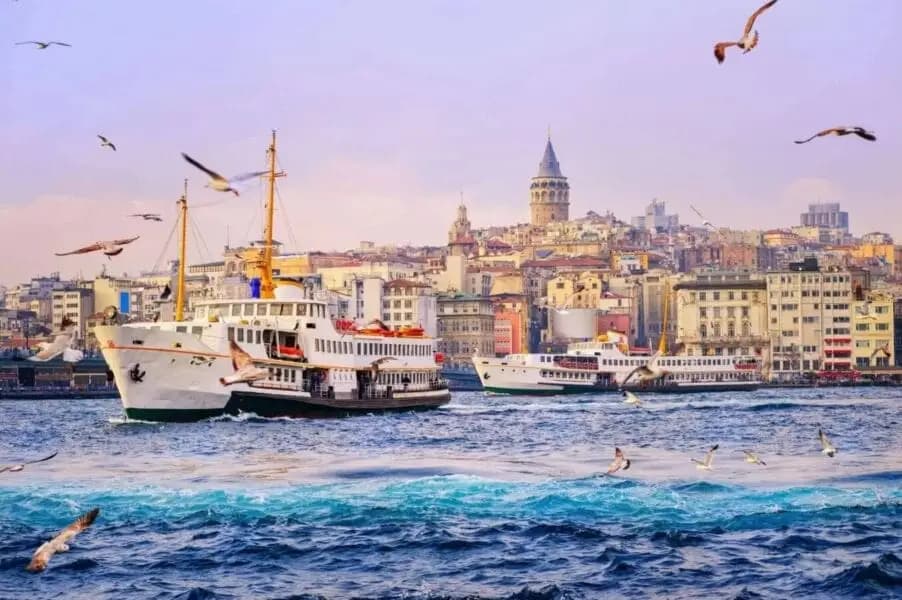
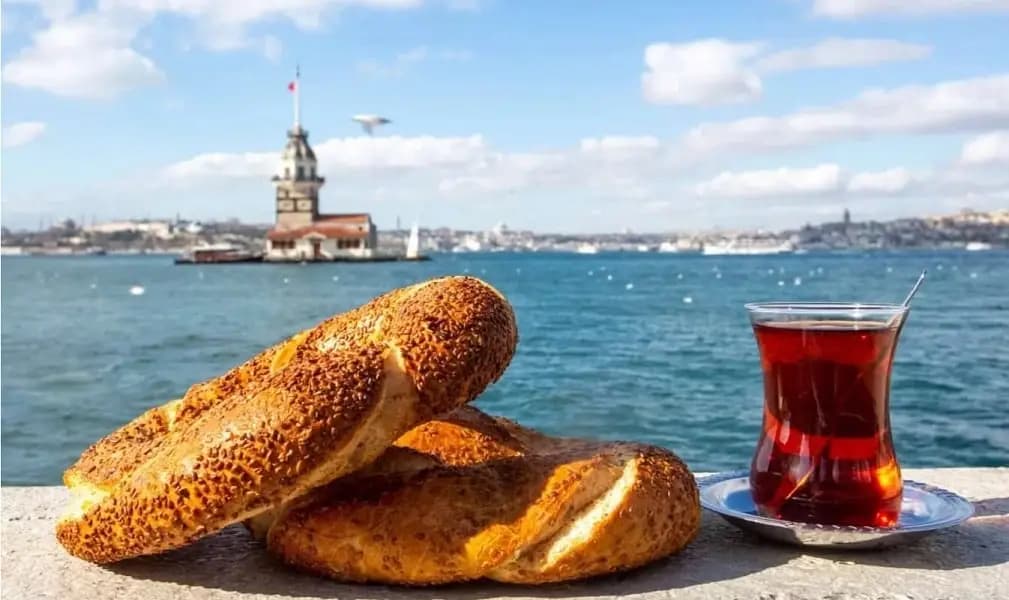
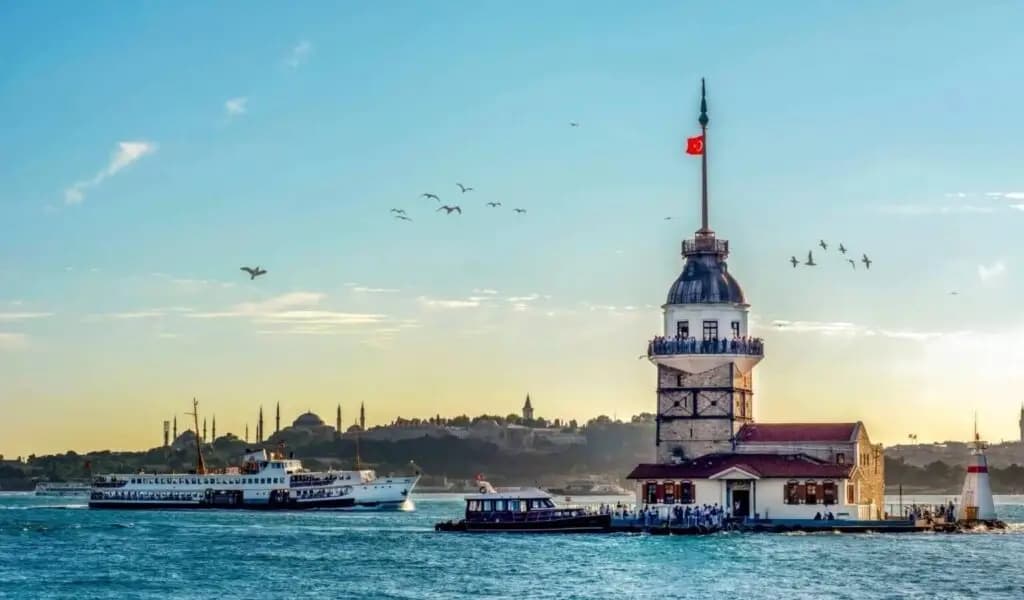
Crociera Bosforo: The strait between the Black Sea and the Sea of Marmara is 32 kilometers long, and it divides Istanbul into two countries. There are a lot of interesting things to see in the towns along the Bosphorus, like huge palaces, resorts, yali (private houses), and so on. On the boat, you will see the Dolmabahce Palace, the Ortakoy Mosque, the Raan Palace, the Bosphorus Bridge, the Rumeli Fortress, the Kücüksu Palace, the Fatih Sultan Mehmet Bridge (the second bridge on the Bosphorus), and the Maiden's Tower.
Il sultano Abdulmejid ha costruito il Palazzo di Dolmabahçe between 1843 and 1856 so that the Ottoman royal family could live there. Garabet Balyan, Nigogayos Balyan, and Evans Kalfa were all Armenian architects who built the house. The Dolmabahce Palace has 285 rooms, 6 bathrooms, and 46 halls.
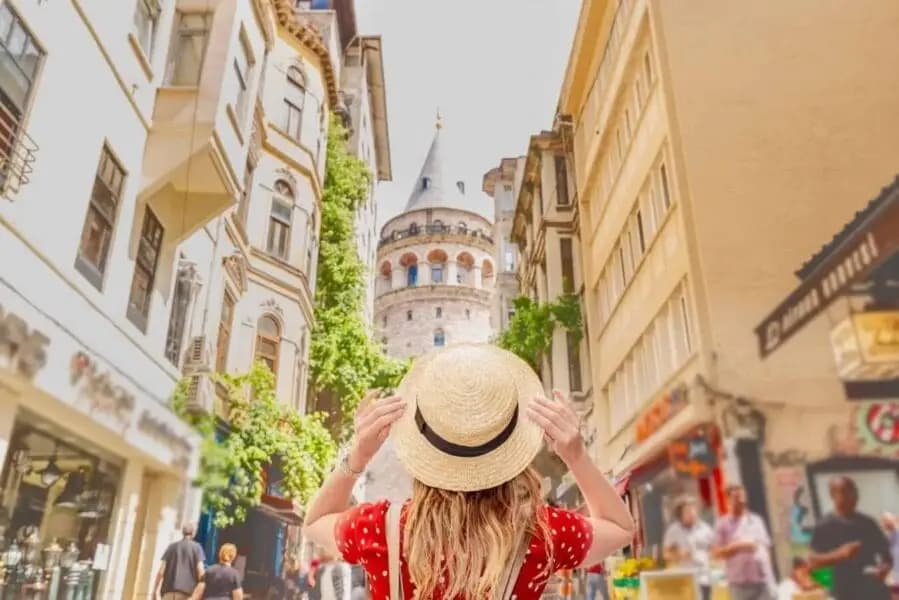
Taksim Square and Istiklal Street: For the vast majority of people who live in Istanbul, Taksim Square and Istiklal Street, which is a pedestrian-only street lined with bars and restaurants, are the city's centers. Between Taksim Square and the Galata Tower, the road goes for 1.44 km (0.87 mi).
Turhan Hatice, who was the mother of Sultan Mehmed IV, constructed the Egyptian Bazaar, also known as the Bazar delle SpezieTra il 1660 e il 1665, il mercato è il centro del commercio delle spezie a Istanbul.
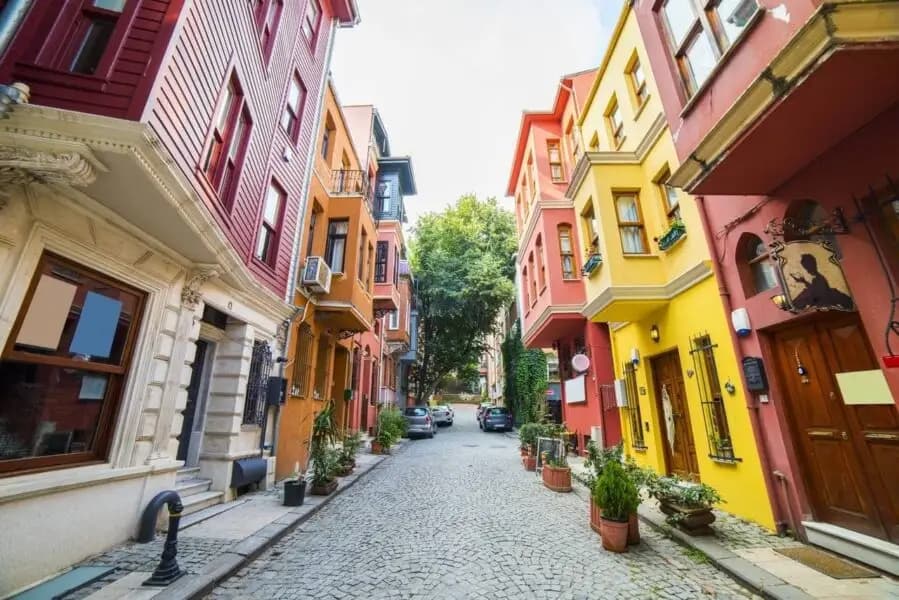
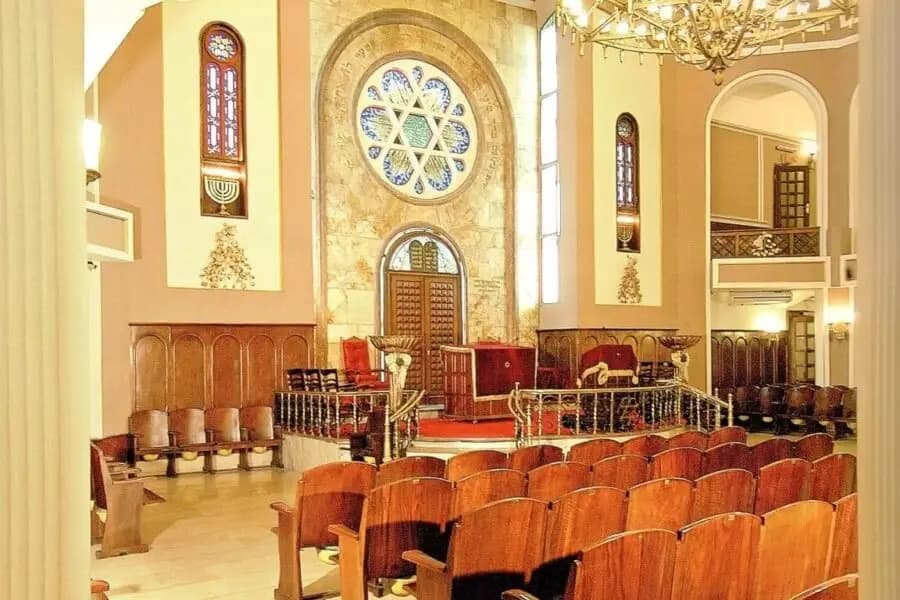
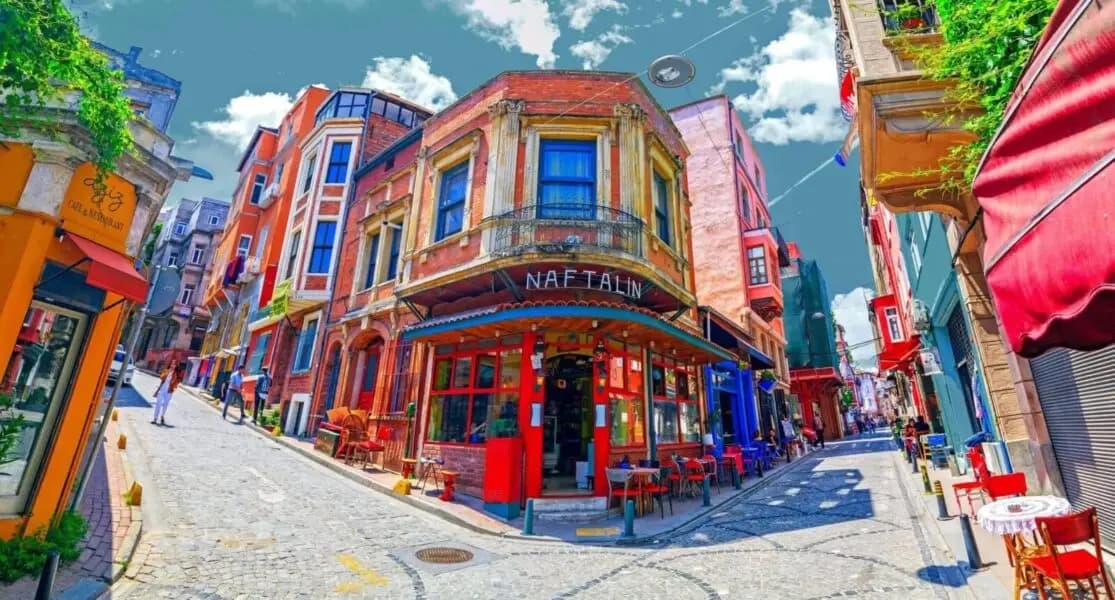
Balat e Fener are both on the ancient peninsula. These places are known for their rich cultural history and lively atmosphere. Balat and Fener are known for their small, winding streets that are lined with colorful, traditional Ottoman homes. With Greek, Jewish, and Armenian influences, these areas show how diverse Istanbul's past was. People can walk around the busy streets, go to old churches and synagogues, and learn about the lively local culture.
Giorno 4: Tour del patrimonio bizantino e ottomano
The Church of Saints Sergius and Bacchus, also known as "Moschea di Küçük Ayasofya," is an old building in Istanbul's Old City. During the Byzantine Empire, it was built in the sixth century. It was an early example of Byzantine architecture and a forerunner to the larger Hagia Sophia. The structure has intricate columns supporting a dome in the center. It also has walls that are highly decorated and have beautiful mosaics on them. Today, it is a well-known cultural and architectural landmark that draws people with its artistic and historical beauty.
Le sette torri di Istanbul, which are also called Yedikule, are a group of old fortifications in Istanbul, Turkey. During the time of the Byzantines, these towers were built as part of the city's walls to protect them. The towers were placed in a smart way to protect the land walls of Constantinople, the city of the Byzantine Empire. Over time, the towers became a sign of how strong and tough the city was. Today, people can visit these old towers and see relics from Istanbul's long past while taking in sweeping views of the city.
La città vecchia di Istanbul è circondata dalle famose mura della città di Istanbul, che sono state costruite per proteggere la città.L'Impero bizantino ha costruito questi muri, ma l'Impero ottomano li ha aggiunti e li ha resi più forti.Le mura, che erano circa 22 chilometri di lunghezza, erano molto importanti nel mantenere gli invasori fuori dalla città nel corso della storia.
The Fatih Mosque, also called the Conqueror's Mosque, is an old and famous holy building in Istanbul's Old City. It is also known as the Conqueror's Mosque. After Sultan Mehmed II took control of Constantinople in 1453, he gave the order to build it. It was built between 1463 and 1470. The mosque is a beautiful example of an Ottoman building.
It has a big dome, elegant minarets, and a lot of intricate details on the outside. It is important not only because it is a beautiful piece of architecture but also because it is a symbol of the Ottoman Empire's victories and cultural history. The Fatih Mosque is still a respected place of worship and a popular place for tourists to come.
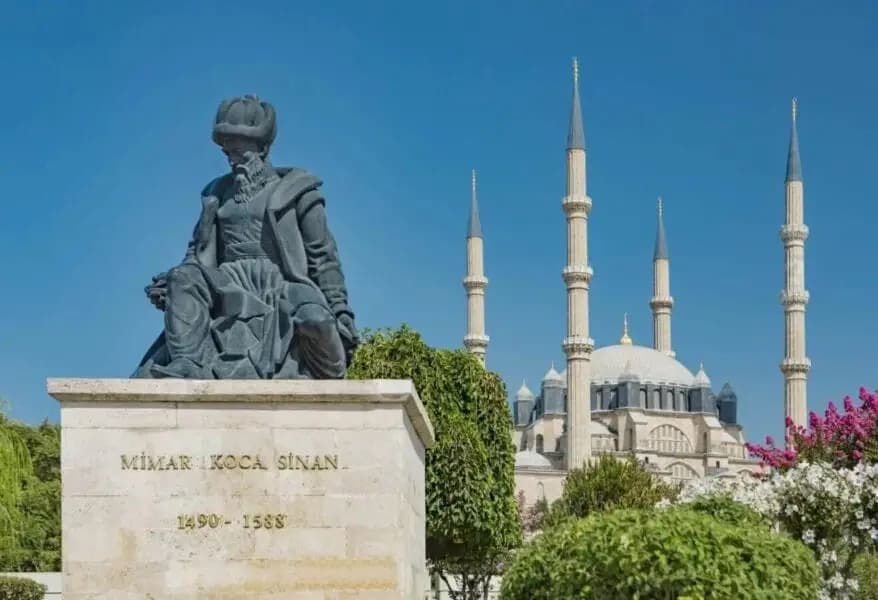
The Süleymaniye Mosque in Istanbul's Old City is a beautiful piece of architecture. Sultan Süleyman the Magnificent asked the great Ottoman architect Mimar Sinan to build it in the 1600s. The mosque is known for its grandeur and grace. It has a huge dome, tall minarets, and an intricately designed interior with beautiful calligraphy and tilework.
It is a big sign of the high quality of Islamic art and Ottoman architecture. The Süleymaniye Mosque is both a place of worship and a famous tourist spot. It shows visitors some of Istanbul's rich cultural history.
Dettagli di un tour di 4 giorni di Istanbul
Il numero massimo di passeggeri per questo tour è 10.Voi preghiamo di vestirvi comodamente e con scarpe casual.
Per il tour privato di 4 giorni di Istanbul, ti consigliamo di vestirti casualmente e indossare scarpe confortevoli.
- Ti consigliamo di indossare abiti casual e scarpe comode.
- Questo tour è disponibile ogni giorno.
- Il Palazzo di Topkapi è chiuso il martedì.
- Il Grande Bazar è chiuso la domenica.
- The Dolmabahce Palace is closed on Mondays.
punto di incontro
nel tuo hotel
Tempo di incontro
Accordo prima
Tour privato di 4 giorni a Istanbul
Prezzo Include
- Guida turistica professionale
- Trasporti pubblici il primo e il secondo giorno
- Van privato nei giorni 3 e 4
Prezzo escluso
- Mangiare e bere
- I prezzi di ingresso, indicati nell’itinerario
- Private Van on the 1st and 2nd days (you can ask additionally). The price is 240 USD for a full-day rental)