Excursão privada de 4 dias em Istambul
Excursão privada de 4 dias em Istambul
Excursão de 4 dias guiada por turistas em Istambul
Dia 1: Tour da Cidade Velha de Istambul, parte 1
O Hipódromo de Constantinopla: Em uma arena em formato de "U", 100.000 pessoas assistem a uma corrida de cavalos antiga. As únicas partes do Hipódromo de Constantinopla que ainda existem são o Obelisco egípcio, a Coluna do Sapo e as Colunas de Constantino. Os assentos, as paredes e a maior parte do que restou foram destruídos.
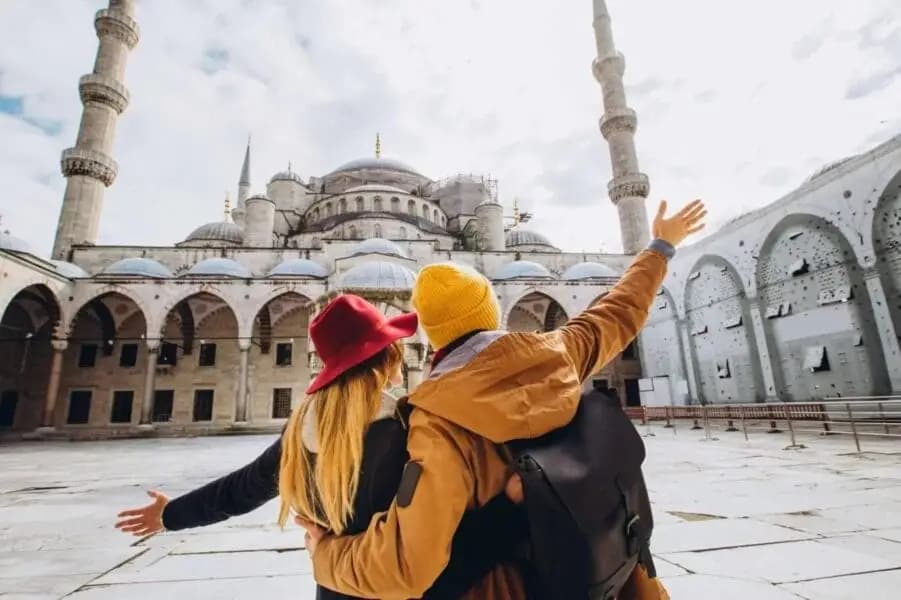
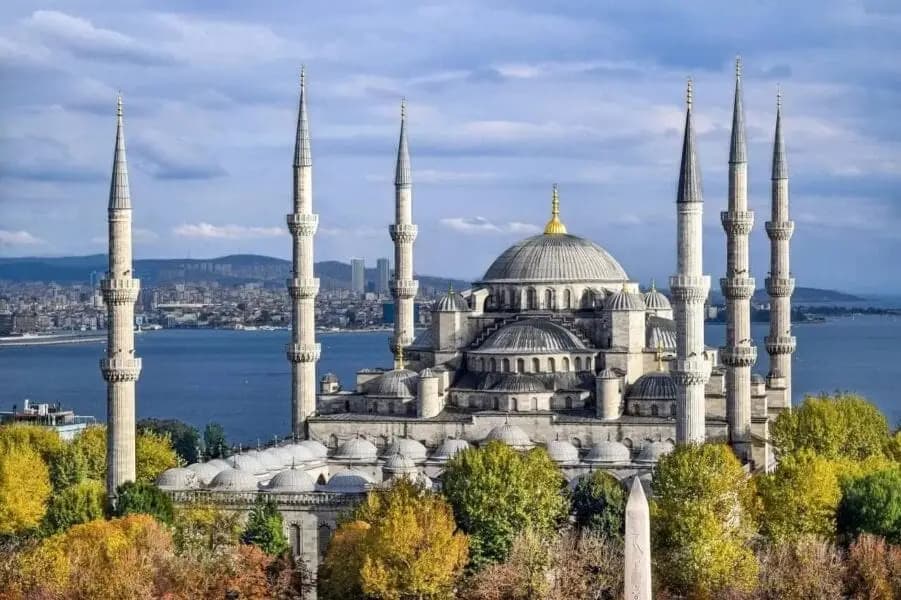
Entre 1609 e 1616, o sultão Ahmed construiu a Mesquita AzulDurante o Império Otomano, era uma mesquita real. É conhecida como Mesquita Azul, mas os turistas a chamaram assim devido aos azulejos azuis que a decoram.
Museu do Mosaico de Istambul tem uma coleção incrível de telhas romanas, a maioria dos quais são do século 4 a 6.O museu está no Grande Palácio de Constantinopla, que dá aos turistas uma oportunidade única de ver como essas obras de arte mosaico foram feitas de forma intrincada.
Museu de Arte Islâmica Em Istambul, existe uma coleção maravilhosa de arte e objetos islâmicos de diversos lugares e épocas. O museu exibe uma variedade de formas de arte, como textos iluminados, caligrafia, cerâmica, tecidos, trabalhos em metal e arte em madeira. Os visitantes podem apreciar a beleza e os detalhes intrincados dessas obras, que revelam a rica história cultural do mundo islâmico. O Museu de Arte Islâmica de Istambul oferece uma visão fascinante de como a sociedade islâmica contribuiu para a arte e a cultura ao longo da história.
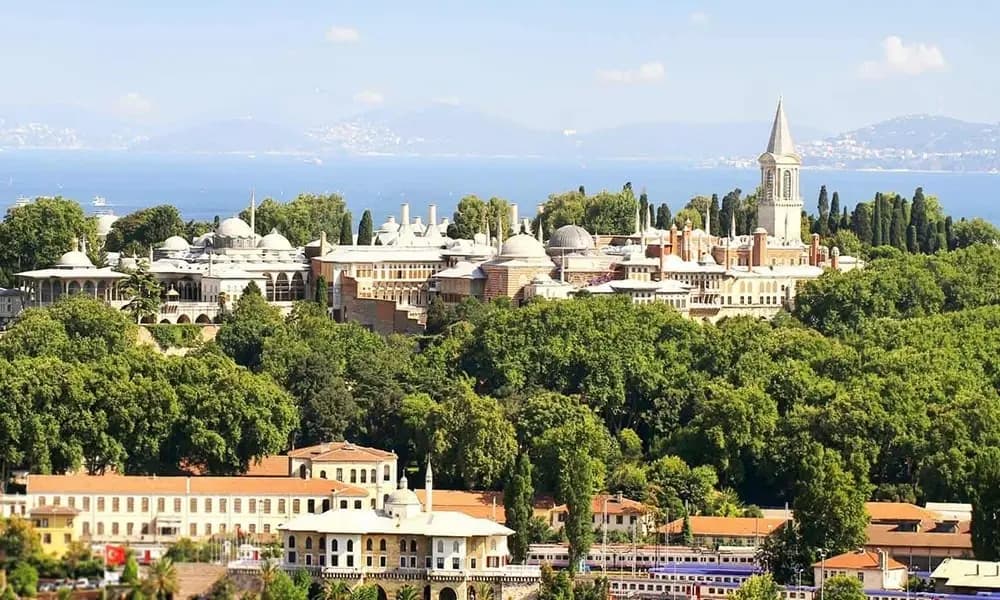
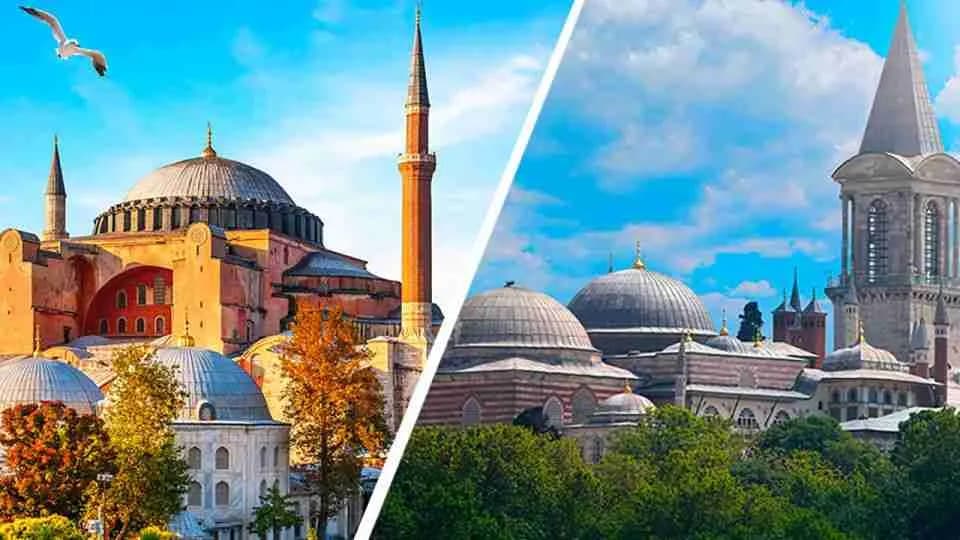
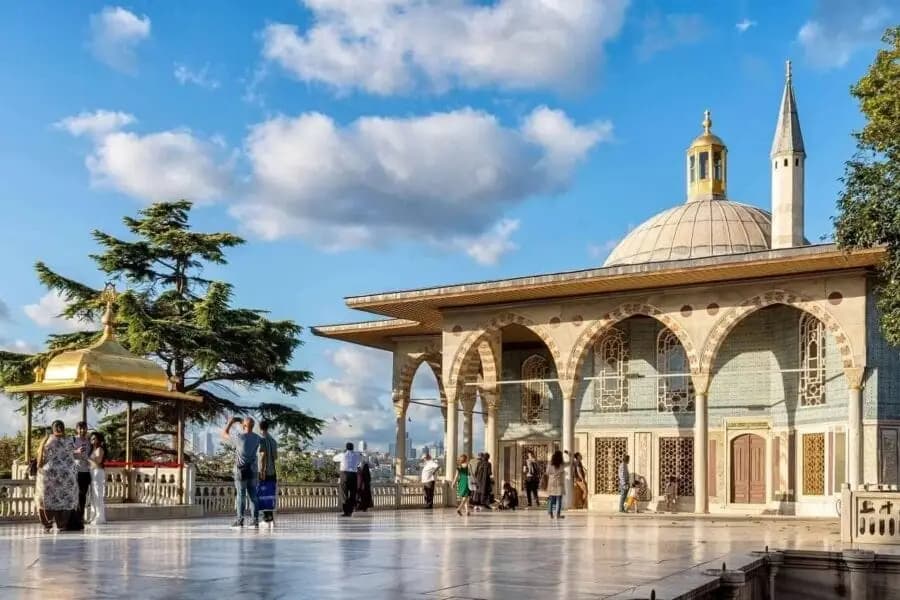
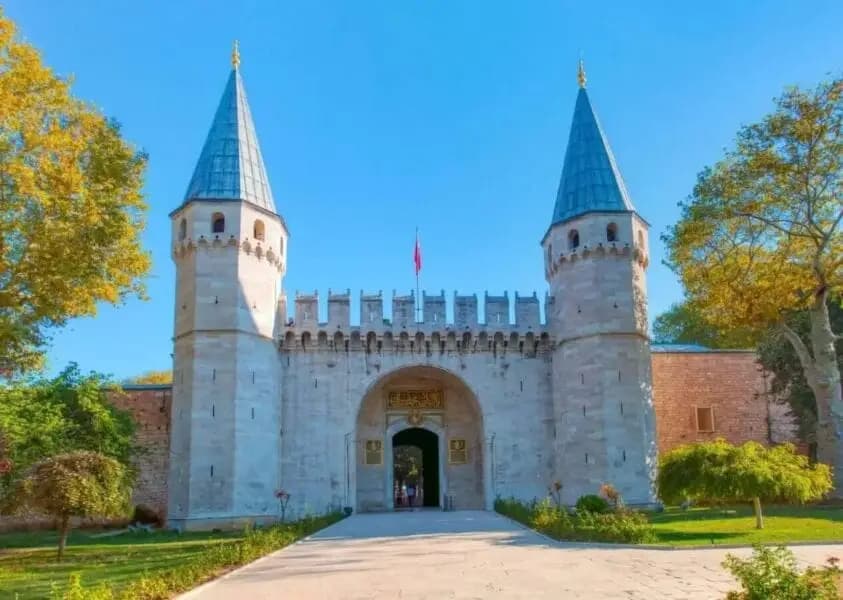
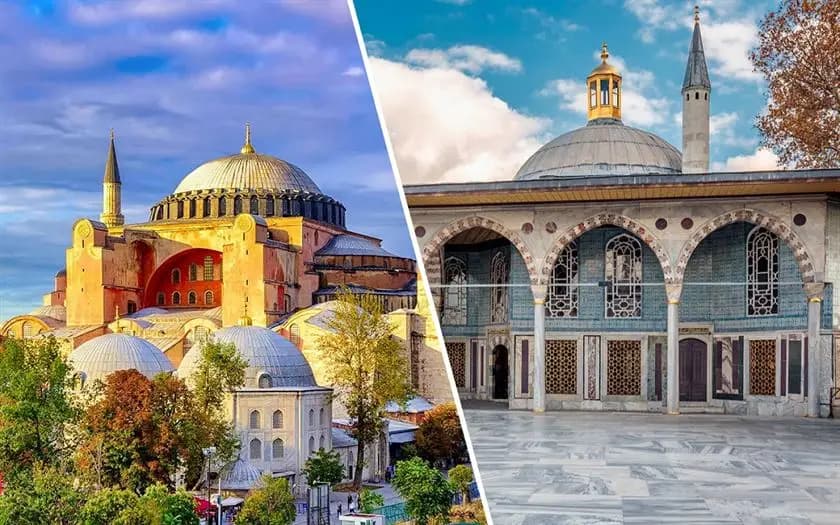
O Palácio de Topkapı Era o centro do governo e da vida do Império Otomano. No século XV, o sultão Mehmed II construiu o palácio. Mais tarde, tornou-se o centro do governo do Império Otomano. Desde 1924, é utilizado como um museu.
Dia 2: Tour pela Cidade Velha de Istambul, parte 2
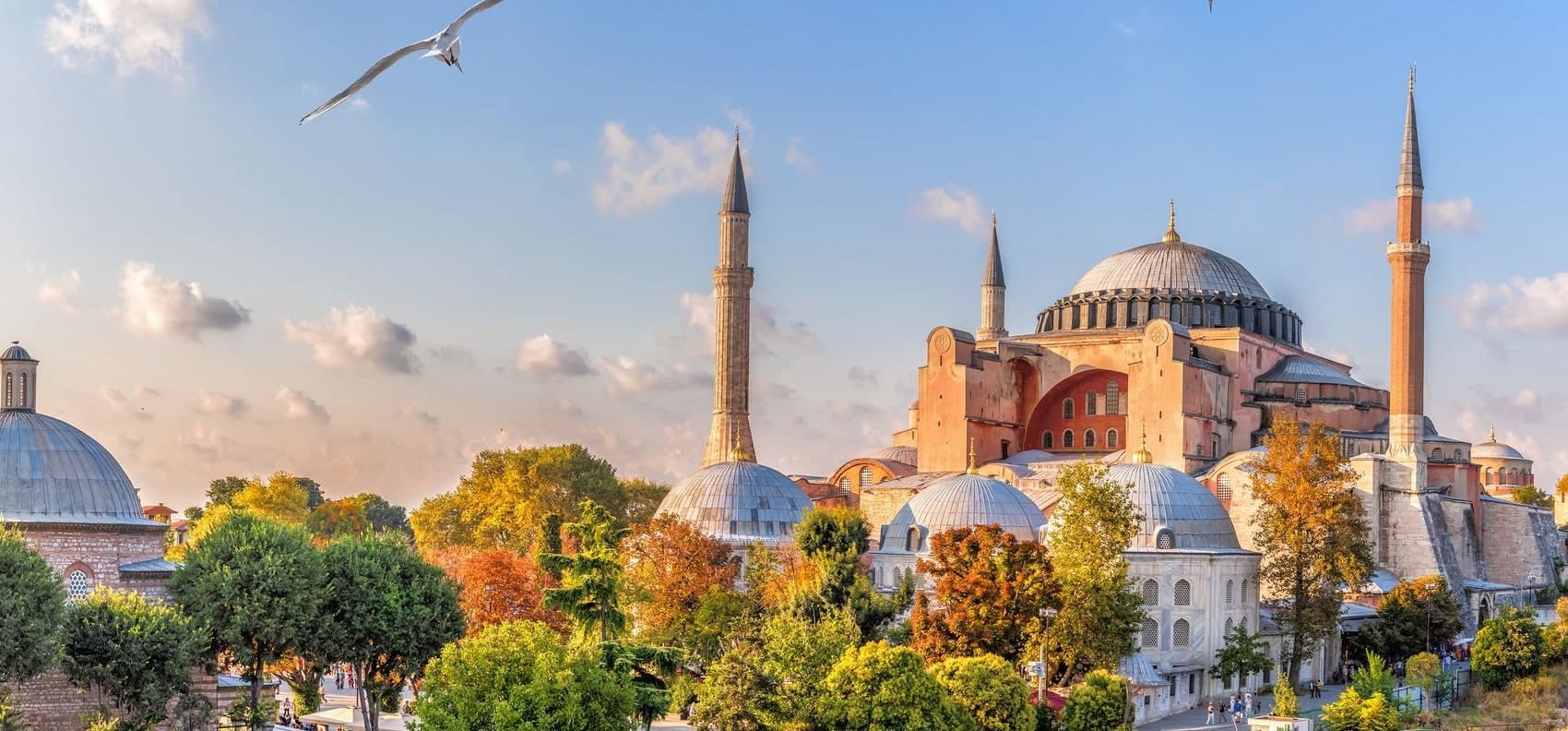
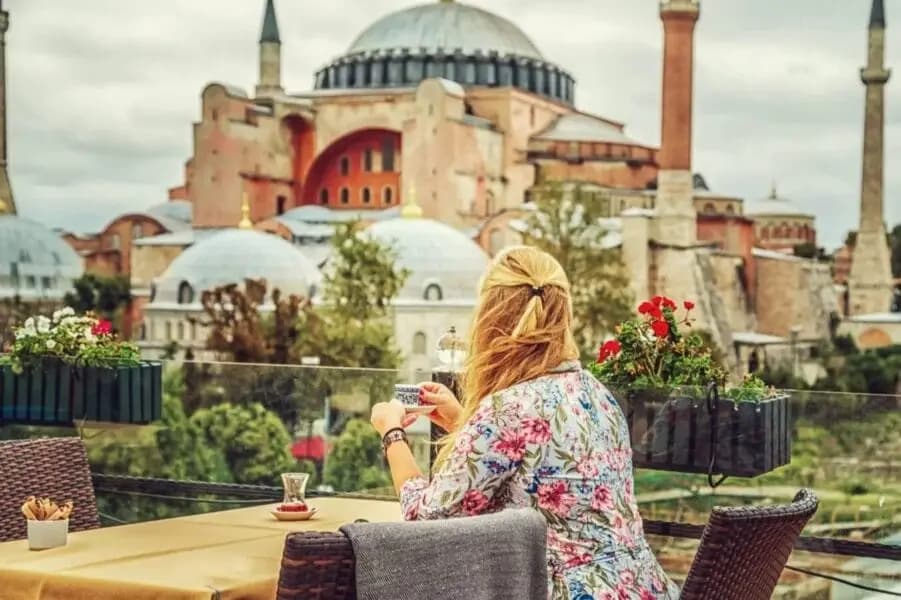
Entre 532 e 537, Justiniano, o imperador romano, construiu uma Santa Sofia. Tornou-se a igreja mais alta e grande do mundo. No século XVI, os otomanos transformaram a igreja em uma mesquita. Em 1934, ela foi transformada em um museu. Em julho de 2020, a Santa Sofia deixou de ser um museu e voltou a ser uma mesquita. Assim como as outras igrejas, os turistas podem visitar a Santa Sofia.
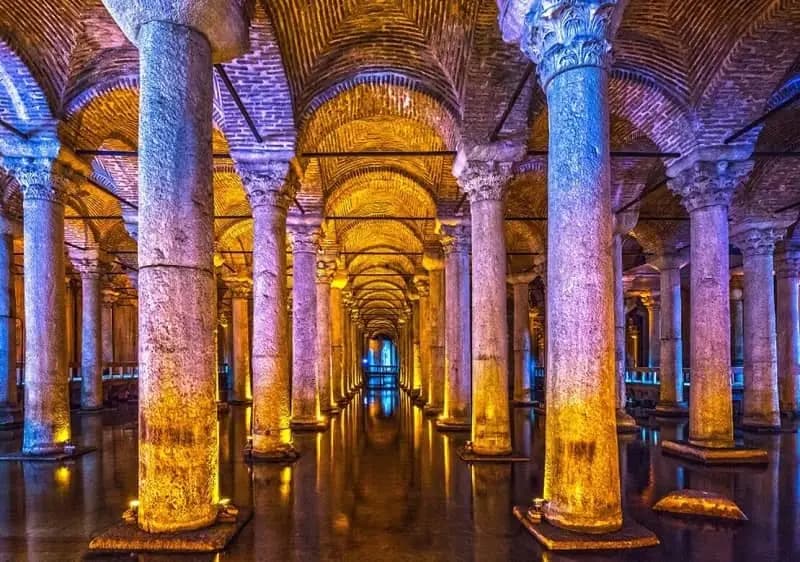
The Roman Emperor Justinian built the underground water tank close to the Hagia Sophia.
No ano de 600, o Cisterna da Basílica was built. The tank is about 9,800 square meters and is 138 meters long and 65 meters wide. The upside-down and right-side-up Medusa heads on marble bases are the building's most famous exhibits instead of its columns.
O Museu de Arqueologia de Istambul possui uma vasta coleção de objetos de diferentes épocas e lugares. O museu é composto por três partes principais: o Museu Arqueológico, o Museu do Oriente Antigo e o Museu do Kiosk de Azulejos. É possível encontrar artefatos de culturas antigas, como a Mesopotâmia, o Egito, a Grécia e Roma, nas exposições do museu. A coleção inclui figuras, sarcófagos, vasos, moedas e obras de arte muito detalhadas. O Museu de Arqueologia de Istambul é um tesouro de artefatos históricos e culturais, que proporcionam aos visitantes uma viagem fascinante pela rica história da região.
O Grande Bazar É o mercado mais antigo do mundo que sempre foi aberto. Existem mais de 4.000 lojas em 61 ruas, e as paredes completamente as cercam. No século 15, o sultão Mehmet II construiu o Grande Bazar. Mais tarde, outros sultões acrescentaram a ele. Seu guia será mais do que feliz em ajudá-lo a encontrar sua peça favorita de arte turca, se você perguntar.
Dia 3: Cruzeiro Privado Guia do Bósforo
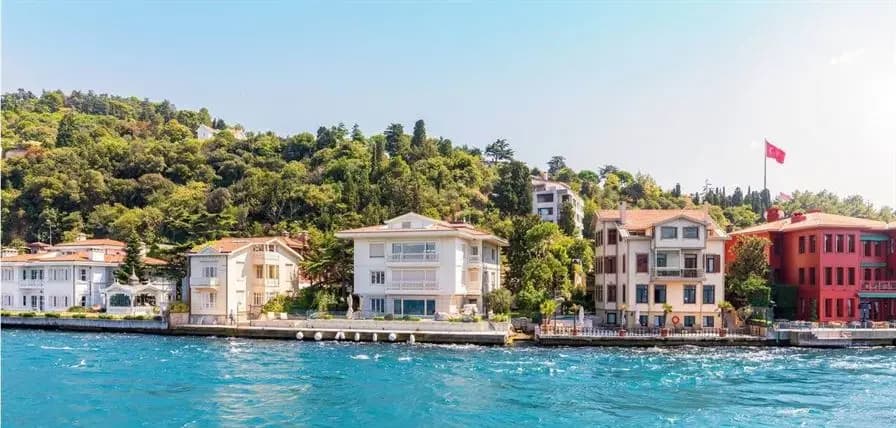
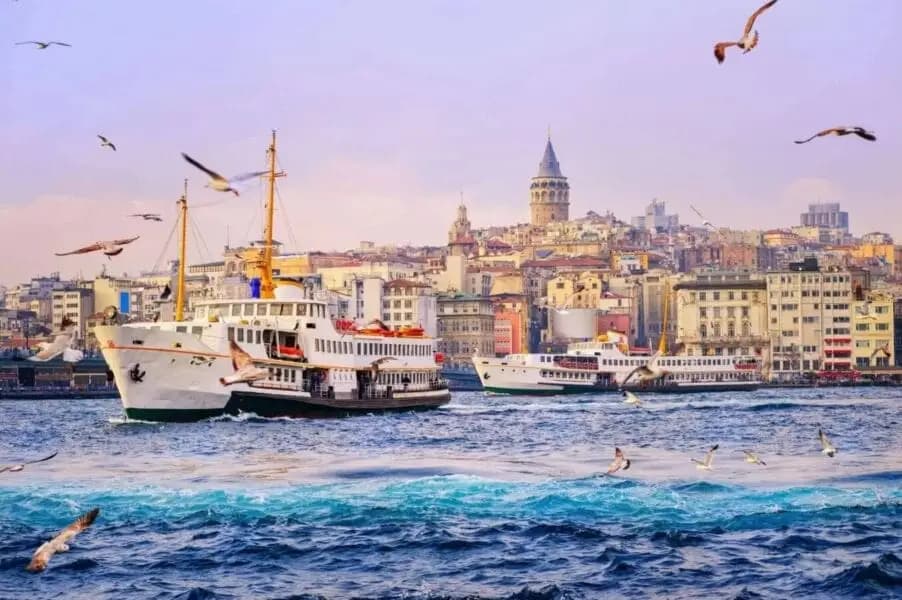
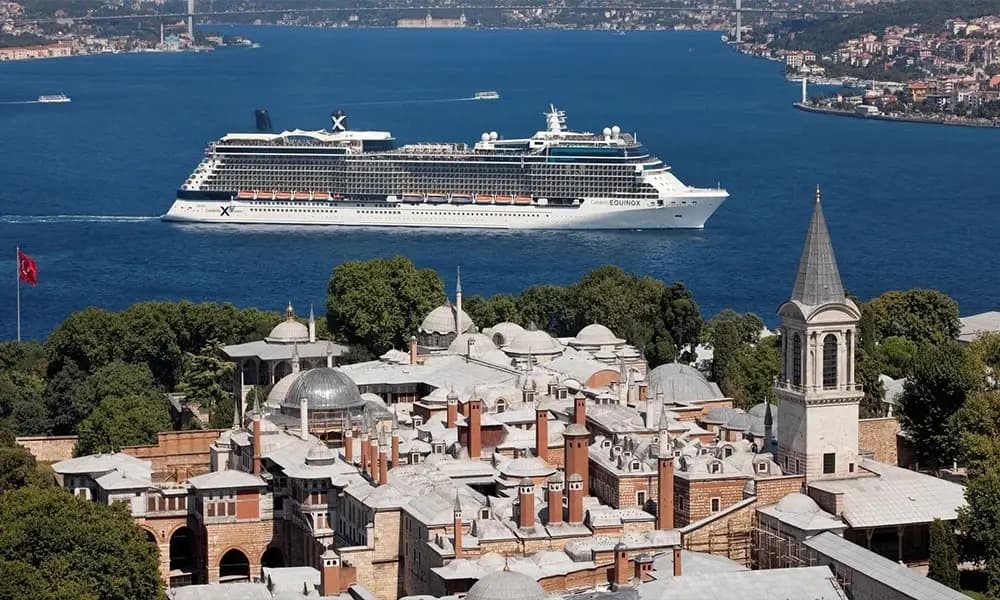
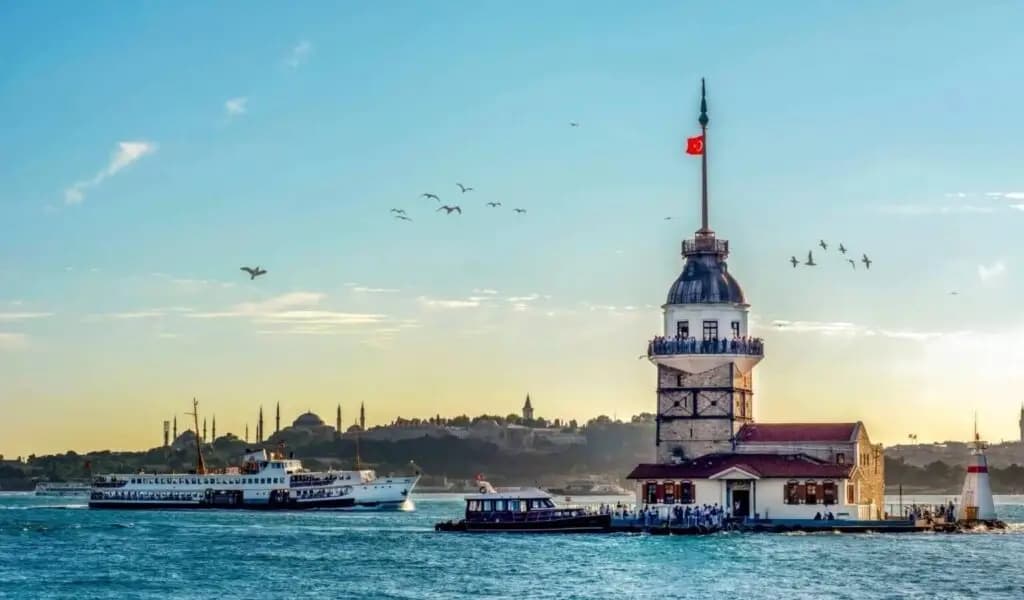
Cruzeiro do Bósforo: The strait between the Black Sea and the Sea of Marmara is 32 kilometers long, and it divides Istanbul into two countries. There are a lot of interesting things to see in the towns along the Bosphorus, like huge palaces, resorts, yali (private houses), and so on. On the boat, you will see the Dolmabahce Palace, the Ortakoy Mosque, the Raan Palace, the Bosphorus Bridge, the Rumeli Fortress, the Kücüksu Palace, the Fatih Sultan Mehmet Bridge (the second bridge on the Bosphorus), and the Maiden's Tower.
O sultão Abdulmejid construiu o Palácio de Dolmabahçe between 1843 and 1856 so that the Ottoman royal family could live there. Garabet Balyan, Nigogayos Balyan, and Evans Kalfa were all Armenian architects who built the house. The Dolmabahce Palace has 285 rooms, 6 bathrooms, and 46 halls.
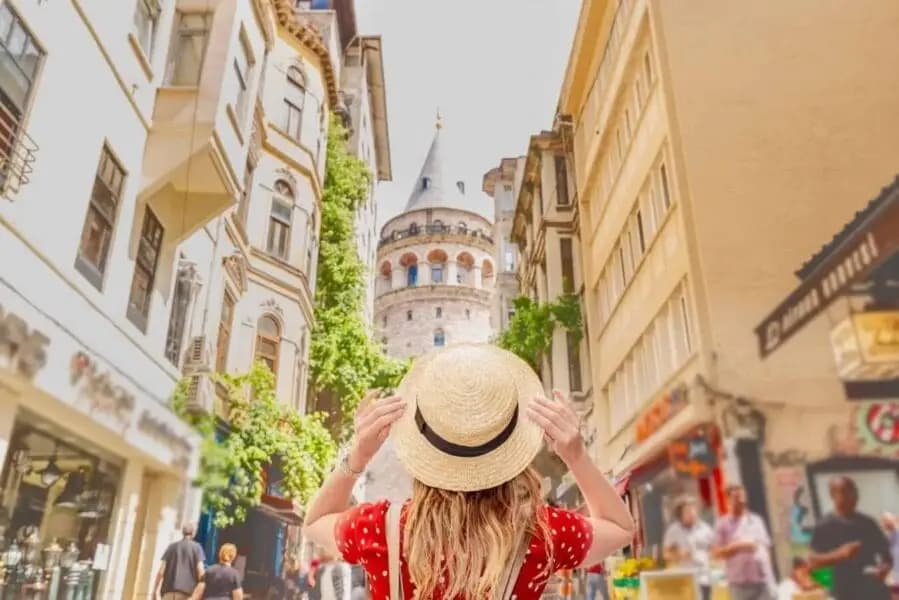
Taksim Square and Istiklal Street: For the vast majority of people who live in Istanbul, Taksim Square and Istiklal Street, which is a pedestrian-only street lined with bars and restaurants, are the city's centers. Between Taksim Square and the Galata Tower, the road goes for 1.44 km (0.87 mi).
Turhan Hatice, who was the mother of Sultan Mehmed IV, constructed the Egyptian Bazaar, also known as the Bazar das Especiarias, entre 1660 e 1665. O mercado é o centro do comércio de especiarias em Istambul. Você pode comprar doces turcos, baklava, e presentes lá.
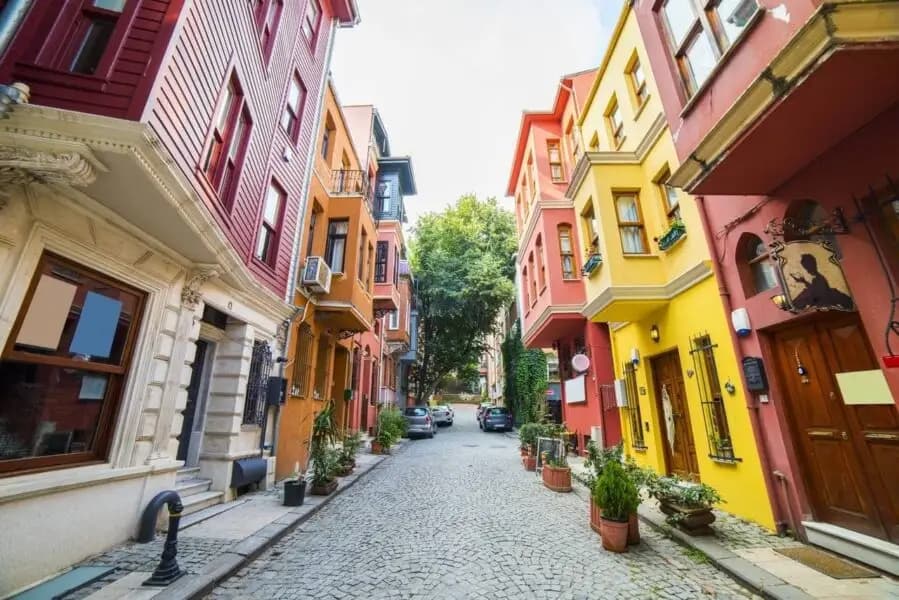
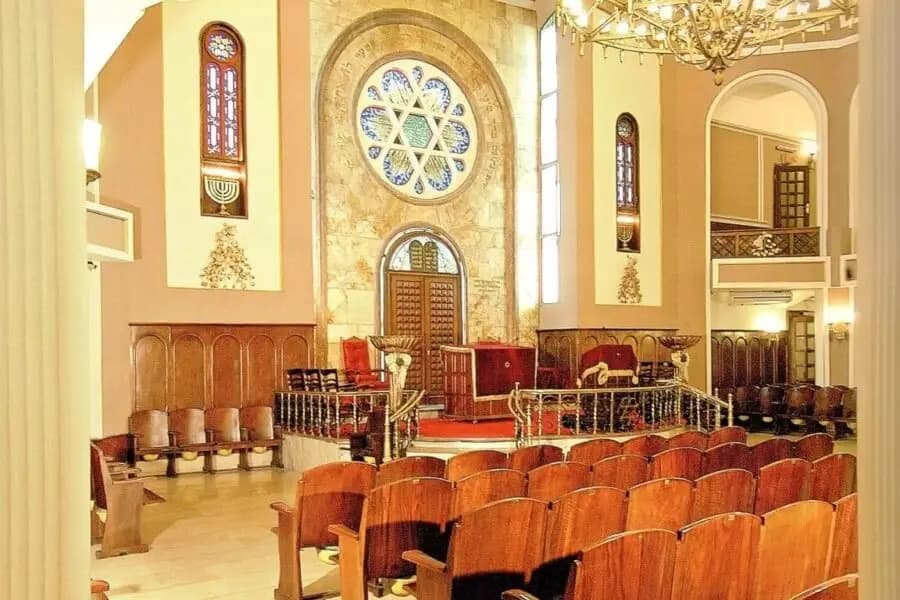
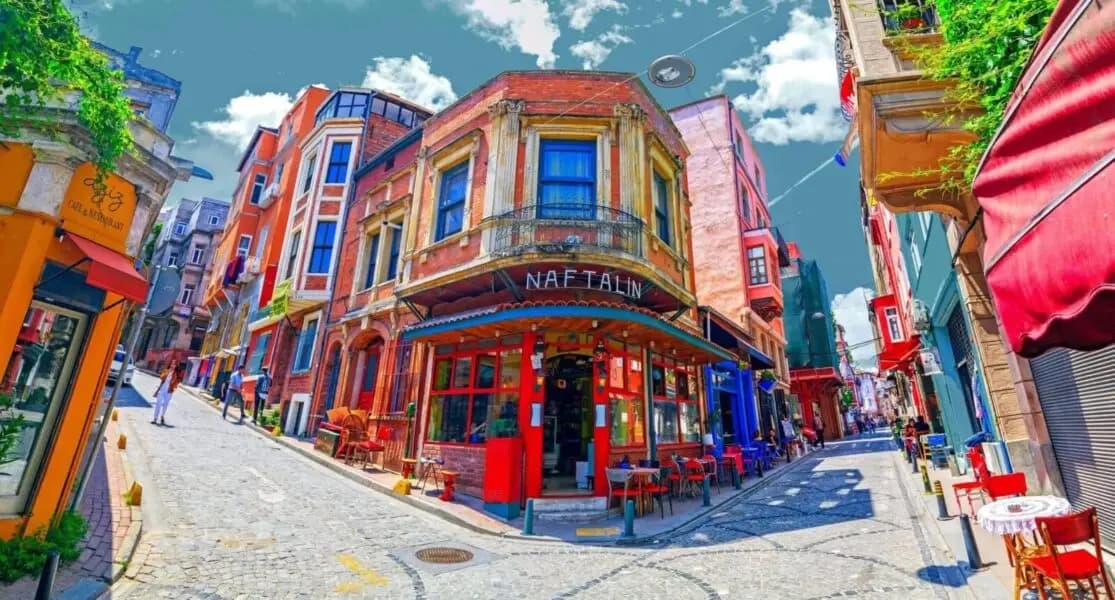
Balat e Fener are both on the ancient peninsula. These places are known for their rich cultural history and lively atmosphere. Balat and Fener are known for their small, winding streets that are lined with colorful, traditional Ottoman homes. With Greek, Jewish, and Armenian influences, these areas show how diverse Istanbul's past was. People can walk around the busy streets, go to old churches and synagogues, and learn about the lively local culture.
Dia 4: Visita ao Patrimônio Bizantino e Otomano
The Church of Saints Sergius and Bacchus, also known as "Mesquita de Küçük Ayasofya," is an old building in Istanbul's Old City. During the Byzantine Empire, it was built in the sixth century. It was an early example of Byzantine architecture and a forerunner to the larger Hagia Sophia. The structure has intricate columns supporting a dome in the center. It also has walls that are highly decorated and have beautiful mosaics on them. Today, it is a well-known cultural and architectural landmark that draws people with its artistic and historical beauty.
As Sete Torres de Istambul, which are also called Yedikule, are a group of old fortifications in Istanbul, Turkey. During the time of the Byzantines, these towers were built as part of the city's walls to protect them. The towers were placed in a smart way to protect the land walls of Constantinople, the city of the Byzantine Empire. Over time, the towers became a sign of how strong and tough the city was. Today, people can visit these old towers and see relics from Istanbul's long past while taking in sweeping views of the city.
A cidade velha de Istambul é cercada pelas famosas Muralhas da Cidade de Istambul, que foram construídas para proteger a cidade.O Império Bizantino construiu essas muralhas, mas o Império Otomano acrescentou-lhes e as tornou mais fortes.As muralhas, que eram de cerca de 22 quilômetros de comprimento, foram muito importantes para manter os invasores fora da cidade ao longo da história.
The Fatih Mosque, also called the Conqueror's Mosque, is an old and famous holy building in Istanbul's Old City. It is also known as the Conqueror's Mosque. After Sultan Mehmed II took control of Constantinople in 1453, he gave the order to build it. It was built between 1463 and 1470. The mosque is a beautiful example of an Ottoman building.
It has a big dome, elegant minarets, and a lot of intricate details on the outside. It is important not only because it is a beautiful piece of architecture but also because it is a symbol of the Ottoman Empire's victories and cultural history. The Fatih Mosque is still a respected place of worship and a popular place for tourists to come.
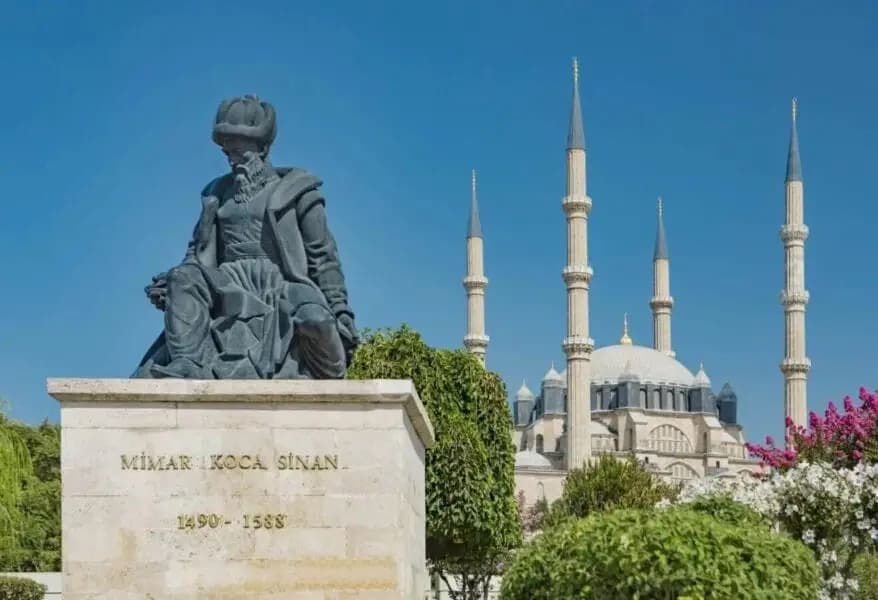
A Mesquita de Süleymaniye in Istanbul's Old City is a beautiful piece of architecture. Sultan Süleyman the Magnificent asked the great Ottoman architect Mimar Sinan to build it in the 1600s. The mosque is known for its grandeur and grace. It has a huge dome, tall minarets, and an intricately designed interior with beautiful calligraphy and tilework.
It is a big sign of the high quality of Islamic art and Ottoman architecture. The Süleymaniye Mosque is both a place of worship and a famous tourist spot. It shows visitors some of Istanbul's rich cultural history.
Detalhes de um Tour de 4 dias em Istambul
O número máximo de passageiros para este passeio é 10.Por favor, vesti-se confortavelmente e em sapatos casual.
Para o Tour Privado de 4 Dias de Istambul, recomendamos que você se vestir casual e usar sapatos confortáveis.
- Recomendamos que você use roupas casuais e sapatos confortáveis.
- Este tour está disponível todos os dias.
- O Palácio de Topkapı está fechado às terças.
- O Grande Bazar está fechado aos domingos.
- The Dolmabahce Palace is closed on Mondays.
Ponto de encontro
No seu hotel
Hora do Encontro
Acordo antes
Excursão privada de 4 dias em Istambul
Preço inclui
- Guia de Viagem Profissional
- Transporte público no 1o e 2o dia
- Vans privados nos 3o e 4o dias
Preço excluído
- Refeições e bebidas
- Taxas de entrada, mencionadas no itinerário
- Private Van on the 1st and 2nd days (you can ask additionally). The price is 240 USD for a full-day rental)