Esplora Istanbul
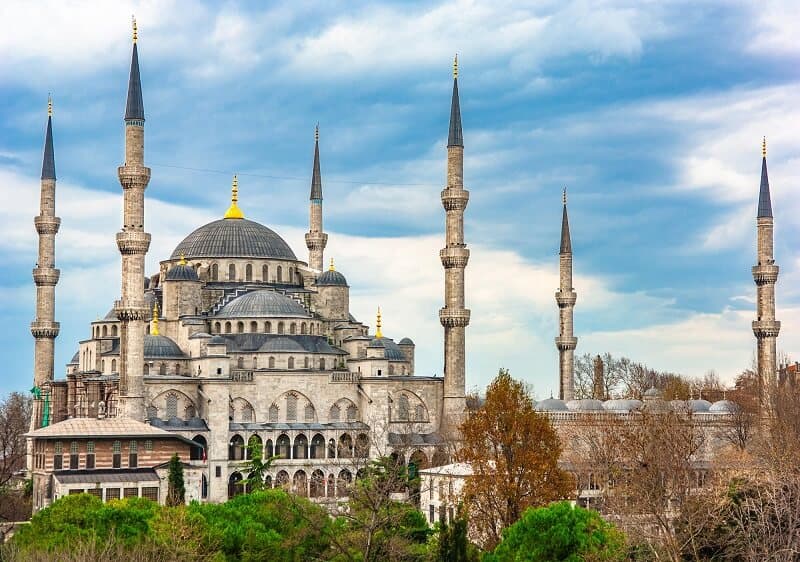
Moschea Blu
La Moschea Blu fu fondata dal sultano ottomano Ahmet I e costruita dall'architetto Sedefkar Mehmet Aga nel 1609-1616.
Scoprite questo punto di forza
Le migliori attrazioni a Istanbul - la pagina ti guida dove trascorrere e quali attrazioni da visitare a Istanbul durante il tuo viaggio.
Esplorate i musei, i palazzi e i monumenti storici di Istanbul. Scegliete un'attrazione specifica per scoprire la sua storia e pianificate la vostra visita.
La Moschea Blu fu fondata dal sultano ottomano Ahmet I e costruita dall'architetto Sedefkar Mehmet Aga nel 1609-1616.
Scoprite questo punto di forza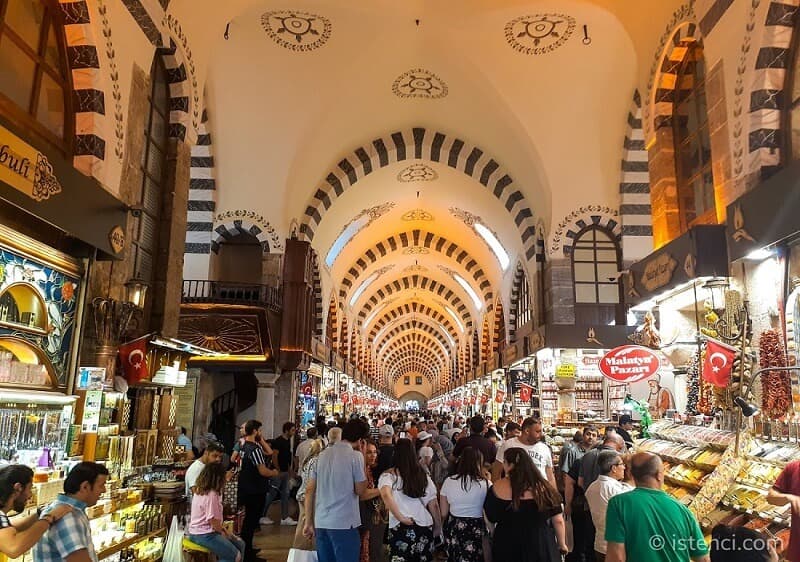
Bazar delle Spezie is Istanbul’s second-largest bazaar, constructed in the same complex as Yeni Camii. There are six gates, which make it an attractive exterior.
Scoprite questo punto di forza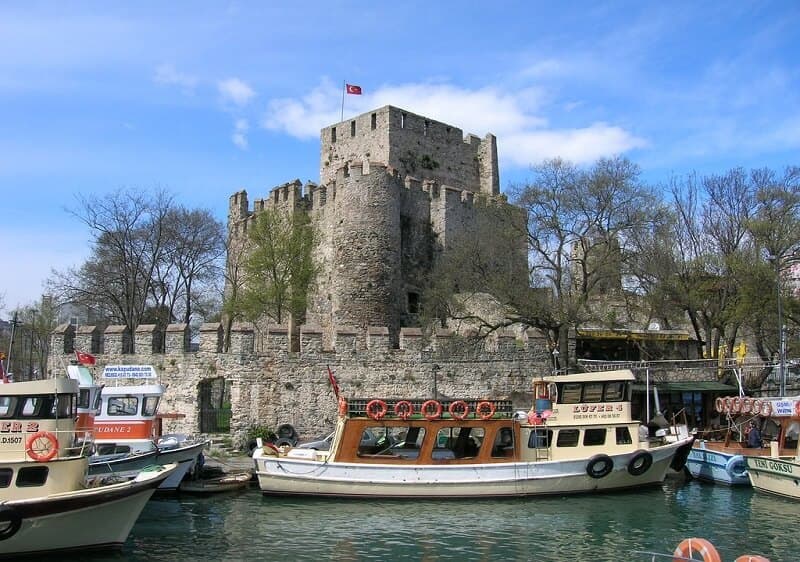
Fortezza di Anadolu is the first Ottoman architecture in Istanbul. It was variously called “Yenice Hisar”, “Akca Hisar”, “Guzelce Hisar”.
Scoprite questo punto di forza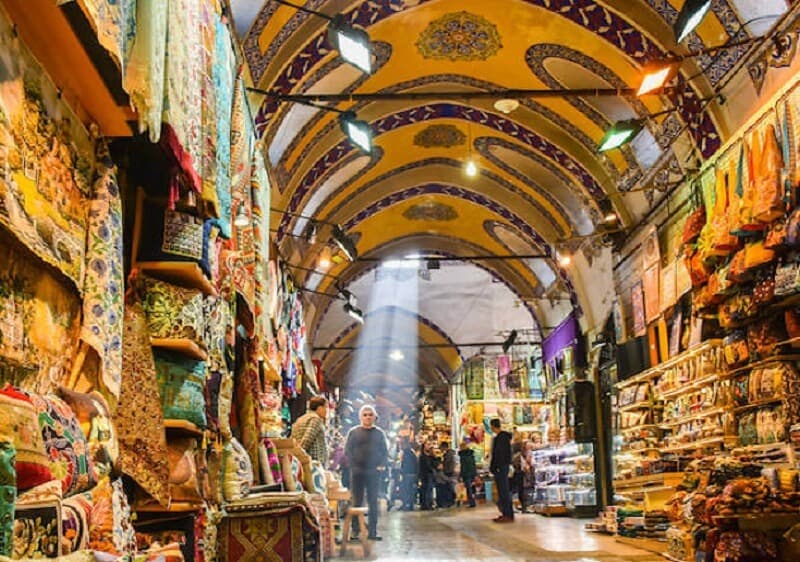
Gran Bazar has around 4000 shops and over 60 alleyways, covering a huge labyrinth in the city center.
Scoprite questo punto di forza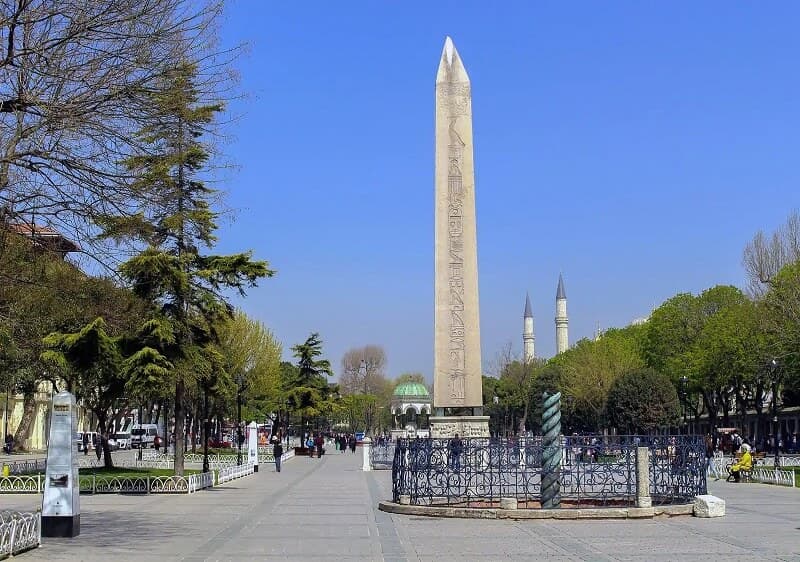
Ippodromo di Costantinopoli site always has a view of vast open spaces, and however far one may look, one may see the sky. The structure as a whole is broad and imposing.
Scoprite questo punto di forza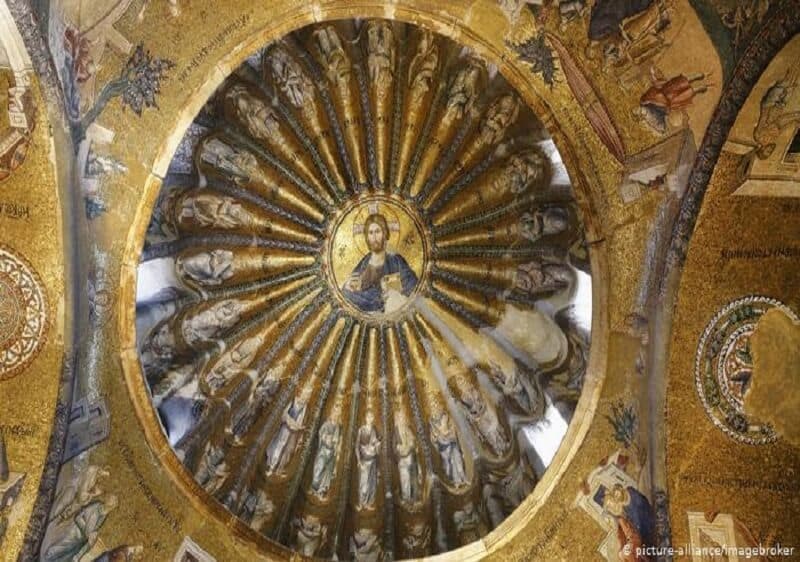
St. Teodius built Chora Church in 534 during the reign of Emperor Justinian. The monastery was restored by the empress Maria Dukaina in the 11th century.
Scoprite questo punto di forza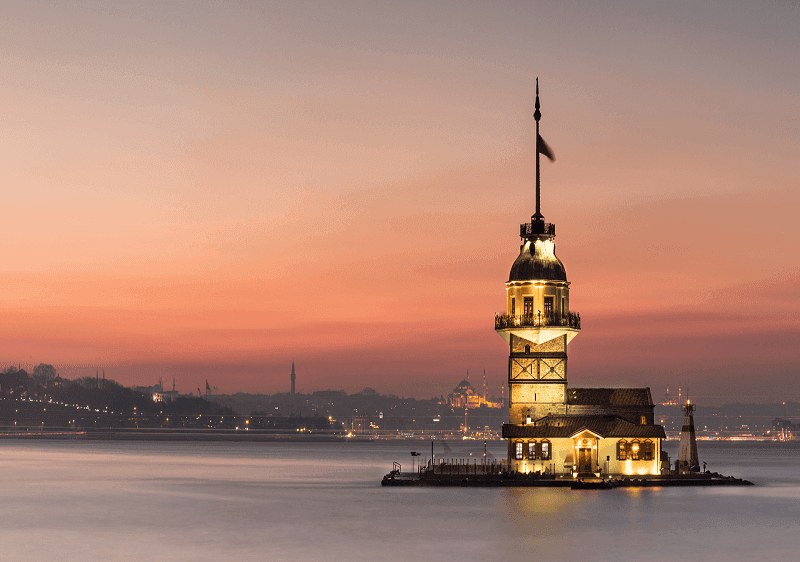
Maiden's Tower, the king, built the tower so that his daughter would be far away from the land and avoid the snake. But the prophecy did not stop following.
Scoprite questo punto di forza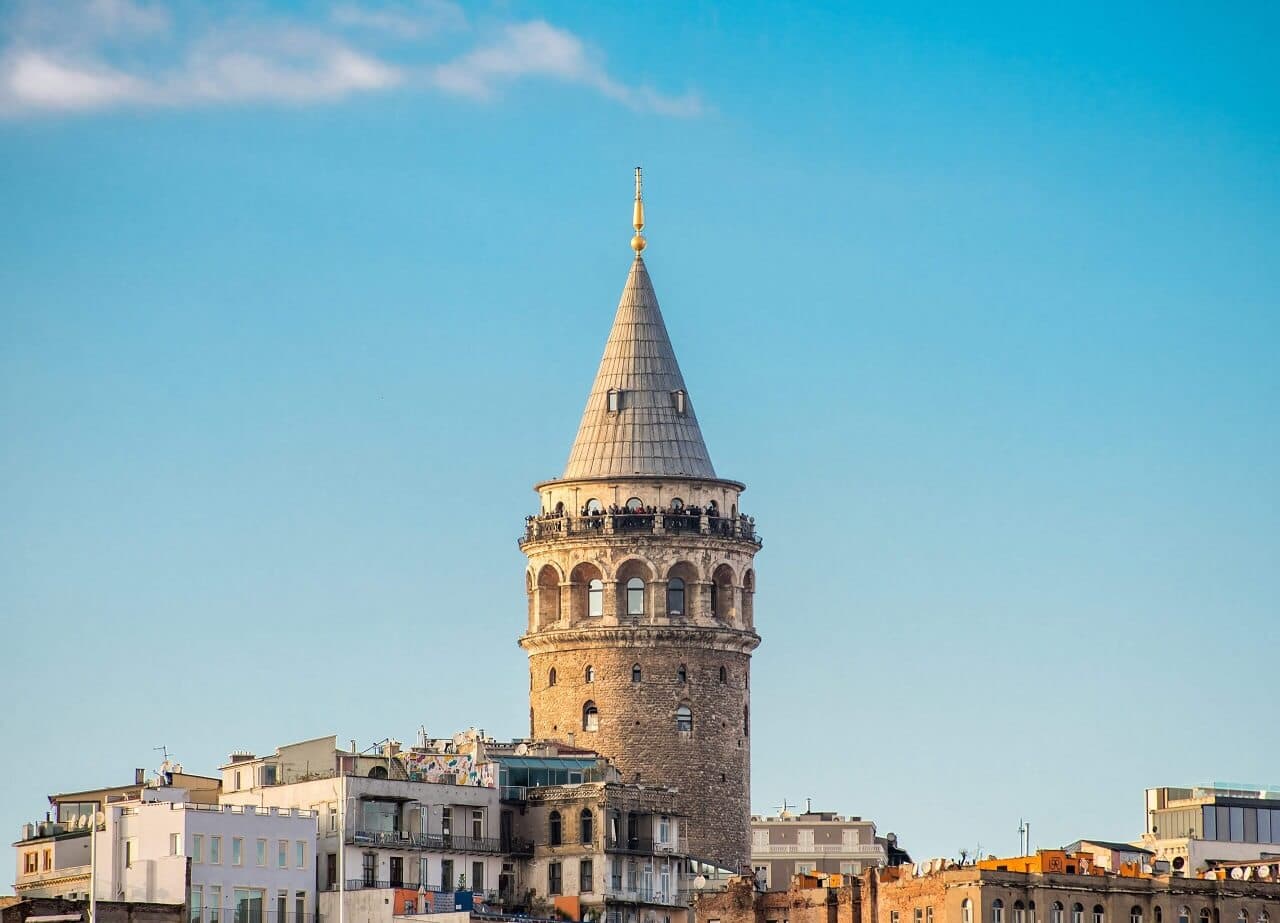
Torre di Galata was used as a watchtower for many years. Because the Galata Tower was the highest construction in Istanbul with 67 m length.
Scoprite questo punto di forza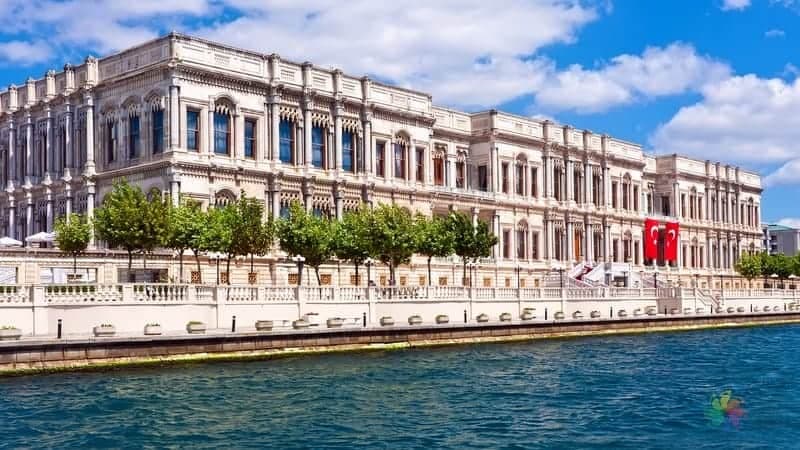
Ciragan Palace, During the Second Constitutional Monarchy, Sultan Mehmet Resat allowed the parliament to hold their meetings in this building.
Scoprite questo punto di forza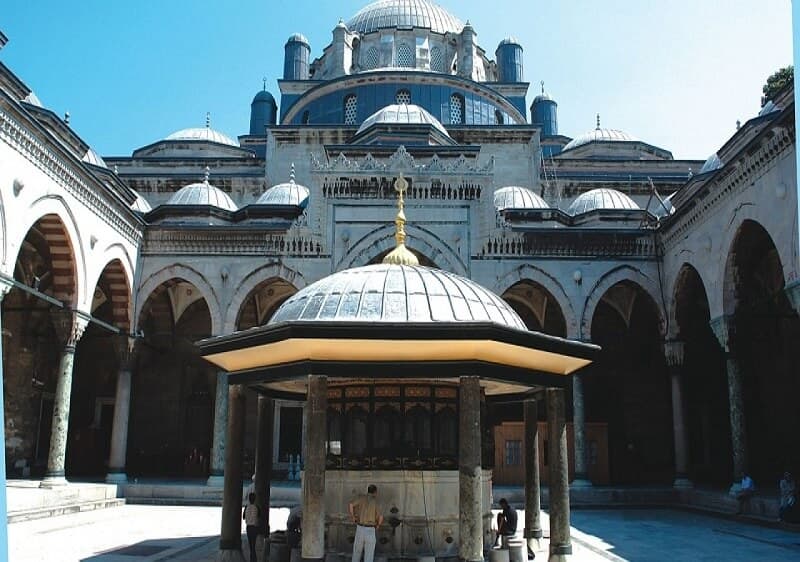
Bayezid Mosque, according to some modern architects it is the beginning of classical Ottoman architecture. The mosque is located near the Grand Bazaar.
Scoprite questo punto di forza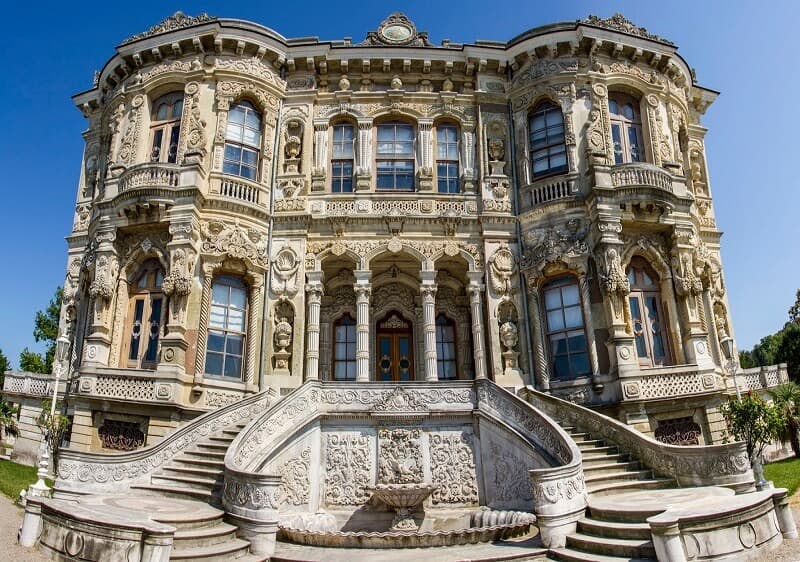
Padiglione di Küçüksu was built by Sultan Abdulmecid in 1857 and asked to design in Baroque style to architect Garabet Balyan and his son Nicogos Balyan.
Scoprite questo punto di forza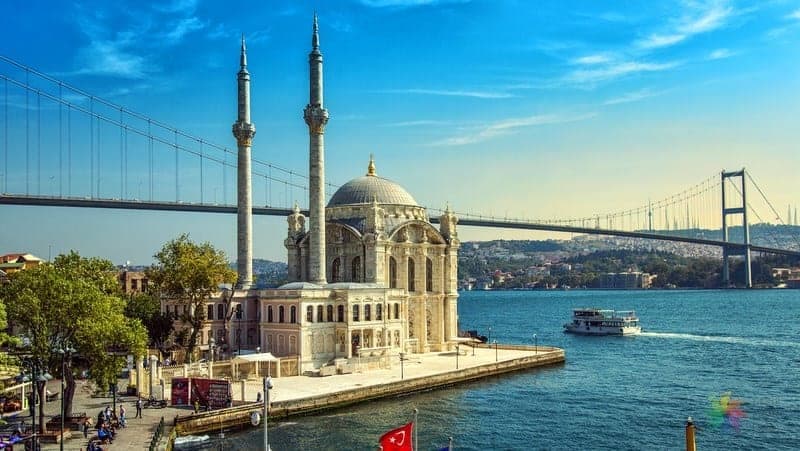
Moschea di Ortaköy challenges the grand Ottoman Mosques with its two tiny minarets, elegant gothic, rococo architecture.
Scoprite questo punto di forza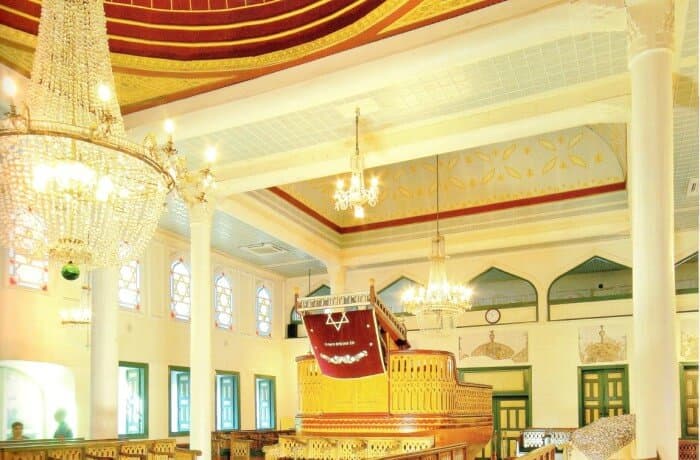
Ahrida Synagogue, The synagogue is located in the Balat neighborhood of Istanbul, and it is the biggest one among Balat’s synagogues.
Scoprite questo punto di forza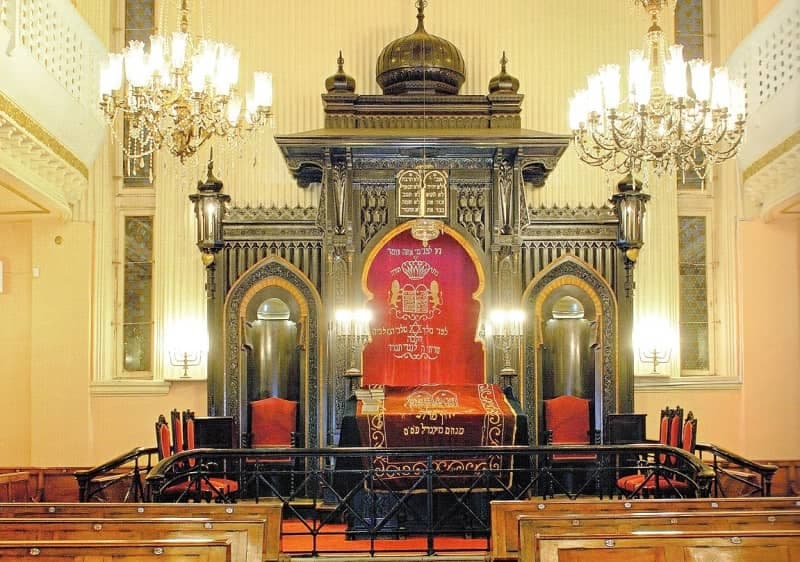
La Sinagoga Ashkenazi, conosciuta per la sua facciata in stile europeo, fu costruita dal gruppo di origine austriaca Askenazis nel 1900 nel quartiere di Galata di Istanbul.
Scoprite questo punto di forza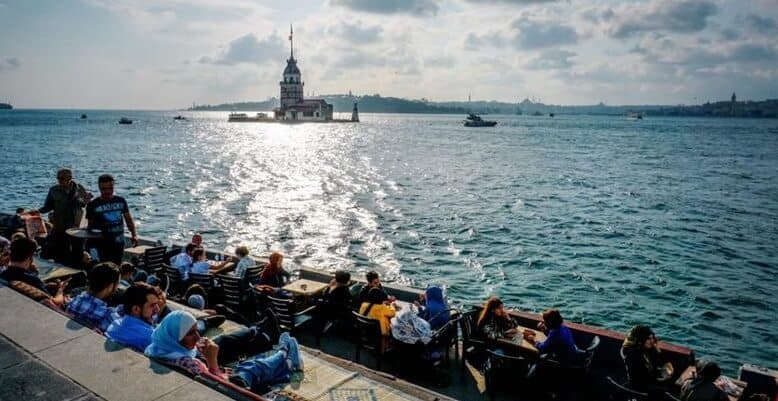
Üsküdar si trova vicino al Bosforo, nella parte asiatica, ed è anche uno dei quartieri più storici di Istanbul.
Scoprite questo punto di forza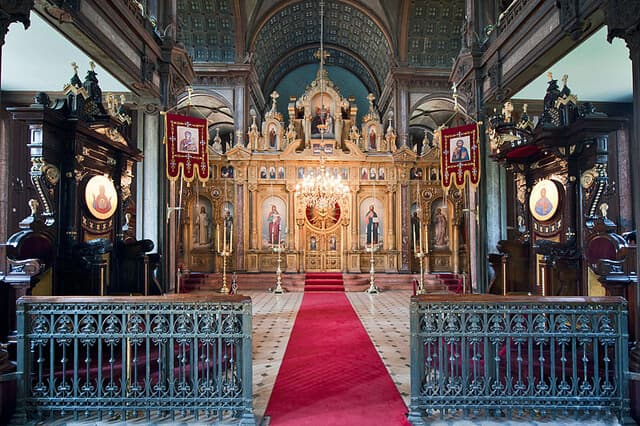
St. Stephen Church, in 1898, church was completed and inaugurated by Exarch Joseph. The church’s skeleton is made of steel and covered by metal boards.
Scoprite questo punto di forza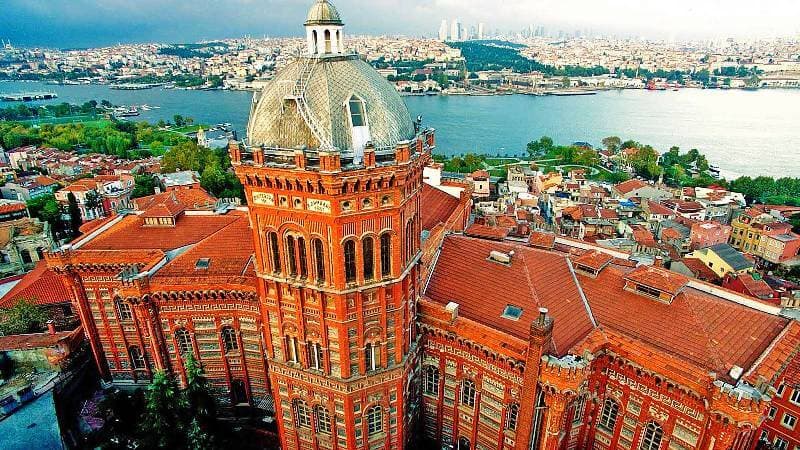
Balat e Fener are one of the oldest neighborhoods of Istanbul, located by the Golden Horn, on the European side in the Fatih district.
Scoprite questo punto di forza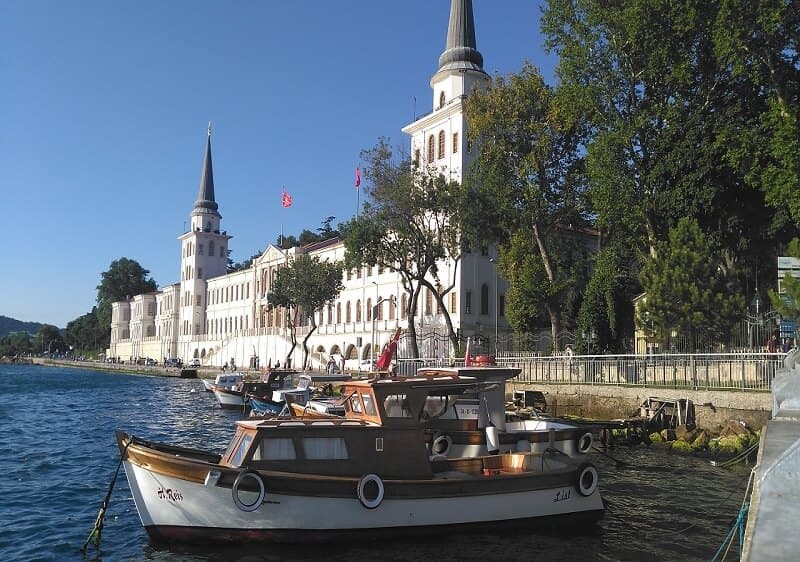
Scuola Militare di Kuleli was established in 1845 with the name ‘Mektabi Fununu Idadiye’ at Macka, now Istanbul Technical University is located there.
Scoprite questo punto di forza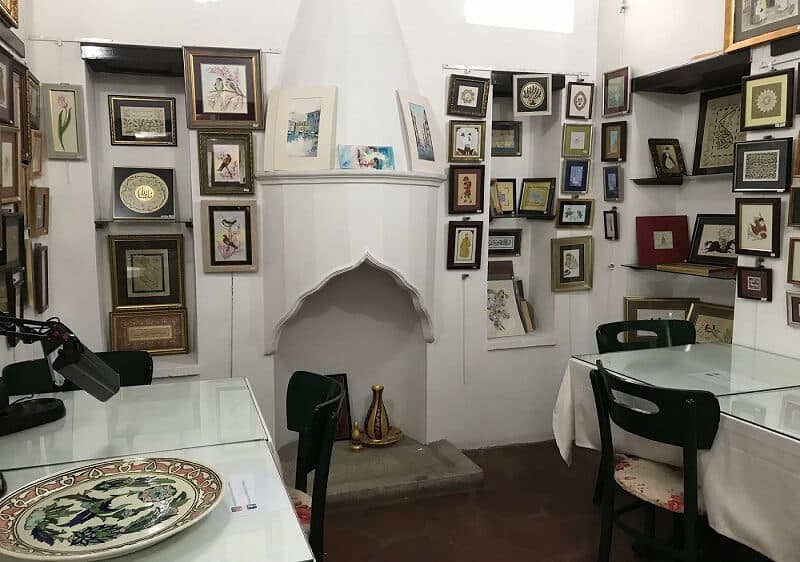
Madrasa di Caferağa was built by the famous architect Mimar Sinan in the 16th c. that the madrasah is an art school today
Scoprite questo punto di forza
Chiesa di Santa Maria dei Mongoli was built by the Byzantine Emperor Maurikios Sopatra and her friend Eustolia at the beginning of the 7th century.
Scoprite questo punto di forza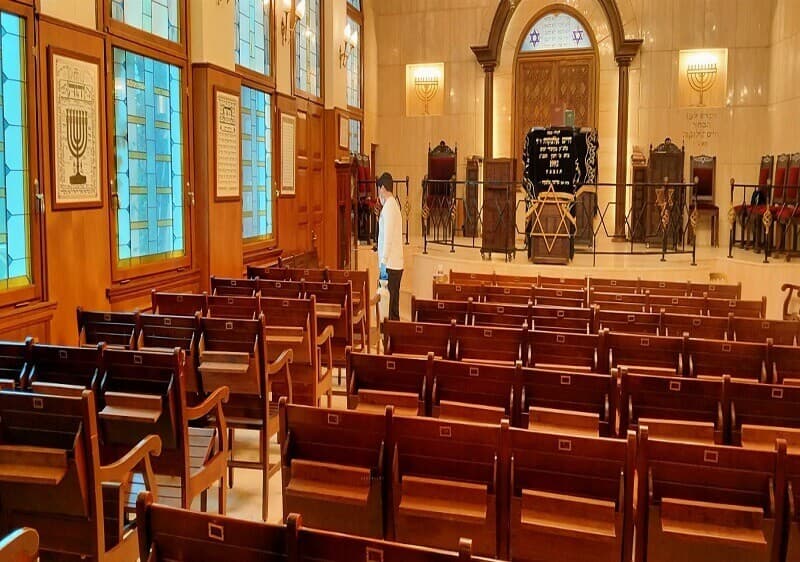
Sinagoga Etz Ahayim is in the Ortakoy neighborhood of Istanbul near the Bosphorus Bridge. The name Etz Ahayim means “the tree of life” in Roman traditions.
Scoprite questo punto di forza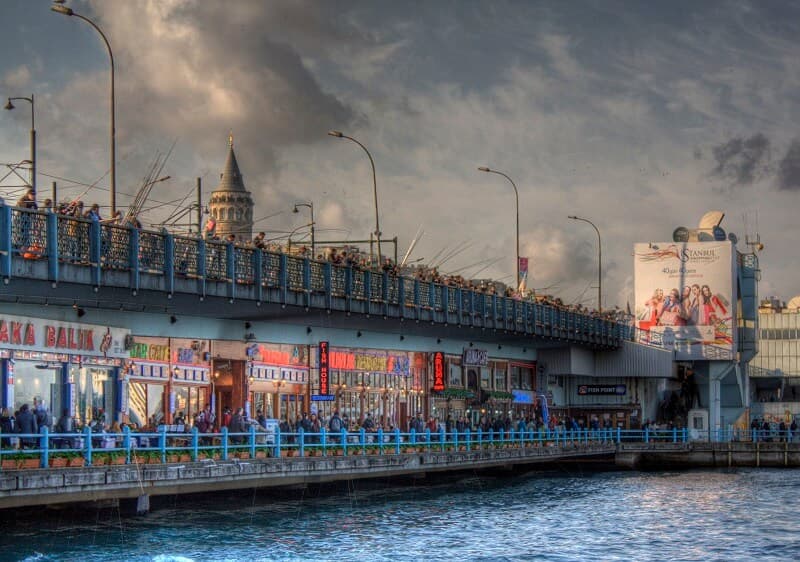
Sultan Mehmed constructed Galata Bridge in the 15th century; after a while, it was demolished. Sultan Bayezid asked for a Project from Leonardo da Vinci.
Scoprite questo punto di forza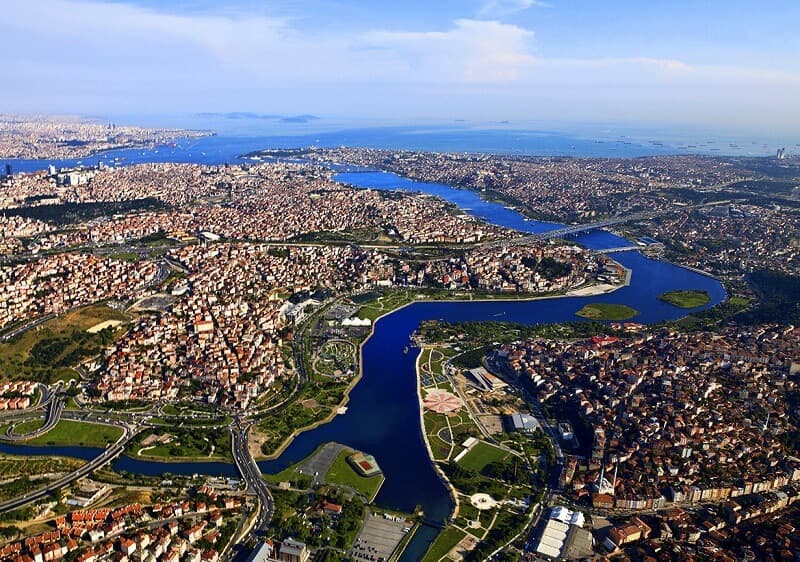
Corno d’Oro is one of the best natural harbours globally; it was once the centre for the Byzantine and Ottoman navies and commercial shipping interests.
Scoprite questo punto di forza
Isola di Galatasaray was used as a coal store and hired by a ship transport company. In 1957, they bought this and renovated it that you can see it on Bosphorus.
Scoprite questo punto di forza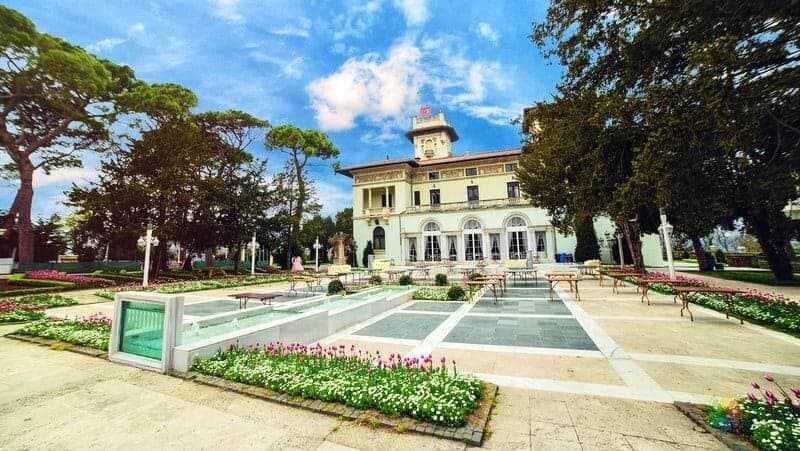
Padiglione del Khedivè was commissioned by the last “Hidiv” (governor of Egypt) Abbas Hilmi Pasha and designed by the Italian architect Delfo Seminati in 1907.
Scoprite questo punto di forza
Viale İstiklal is one of the most popular places in Istanbul. The Istiklal lies between Galata Tower and Taksim Square.
Scoprite questo punto di forza
Museo Madame Tussauds Istanbul is located in Istiklal Street (Taksim). The museum gives you a chance to make you meet with your celebrities and popular famous people.
Scoprite questo punto di forza
Chiesa di Pammakaristos was built during the Komnenian reign as a Middle Age Byzantine church and was added with late Byzantine architecture.
Scoprite questo punto di forza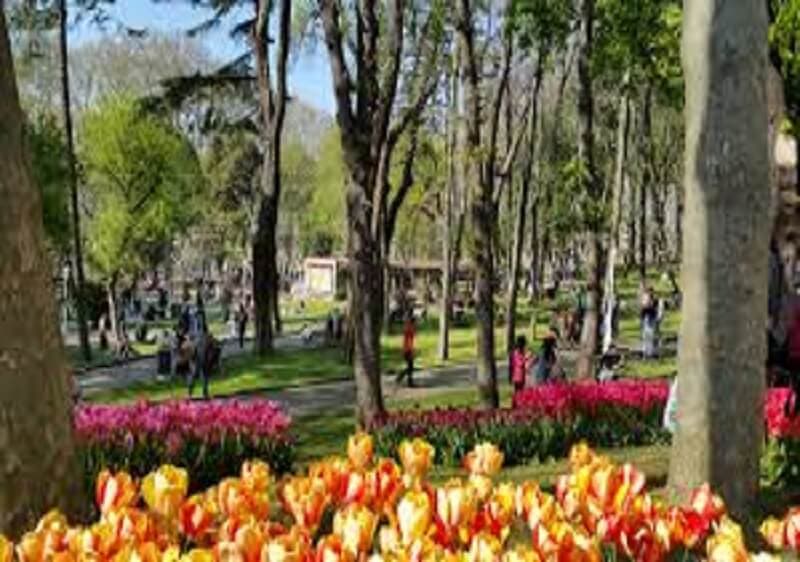
Parco di Gülhane (Rose House or Garden) is located in the Historical Peninsula of Istanbul on The Topkapi Palace's western edge.
Scoprite questo punto di forza
Piazza Sultanahmet is located at the heart of Istanbul where The Blue Mosque, Hagia Sophia, Basilica Cistern, Topkapi Palace, the Hippodrome, Grand Bazaar, etc.
Scoprite questo punto di forza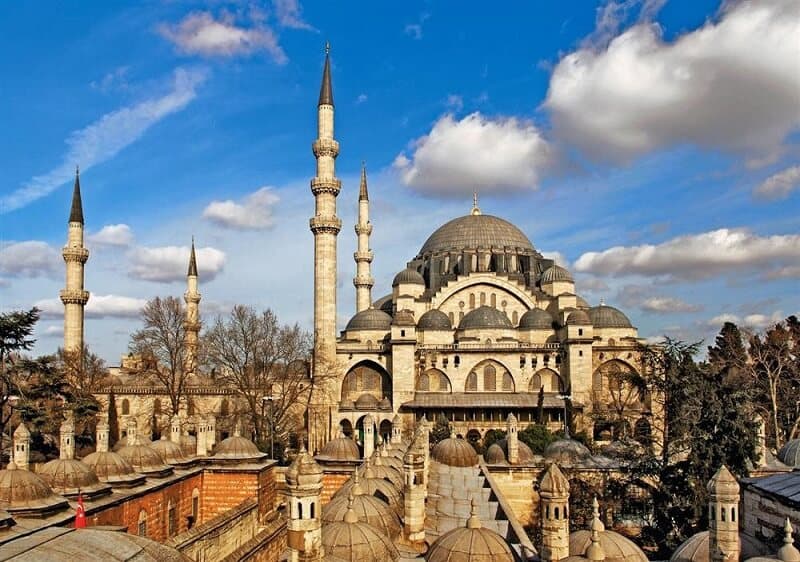
Moschea di Süleymaniye was built by the Ottoman Sultan Suleiman the Magnificent in 1551-1557. The mosque was designed by the famous architect Mimar Sinan.
Scoprite questo punto di forza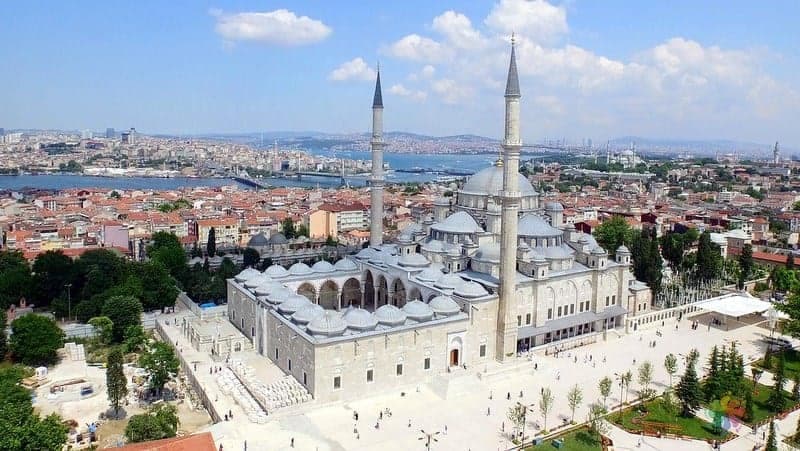
The Ottoman Sultan Mehmed II built Fatih Mosque The mosque between 1463 and 1470 after the conquest of Constantinopolis in 1453.
Scoprite questo punto di forza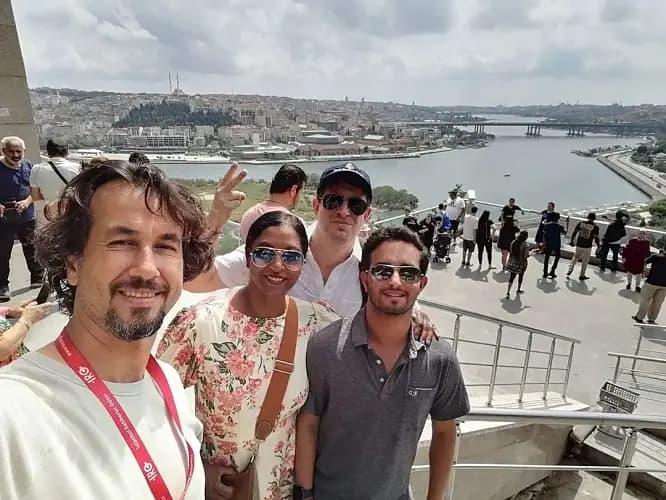
Collina di Pierre Loti was a French officer who lived in Istanbul couple of years. He loved Istanbul and the Turks so much that he did not want to leave Turkey.
Scoprite questo punto di forza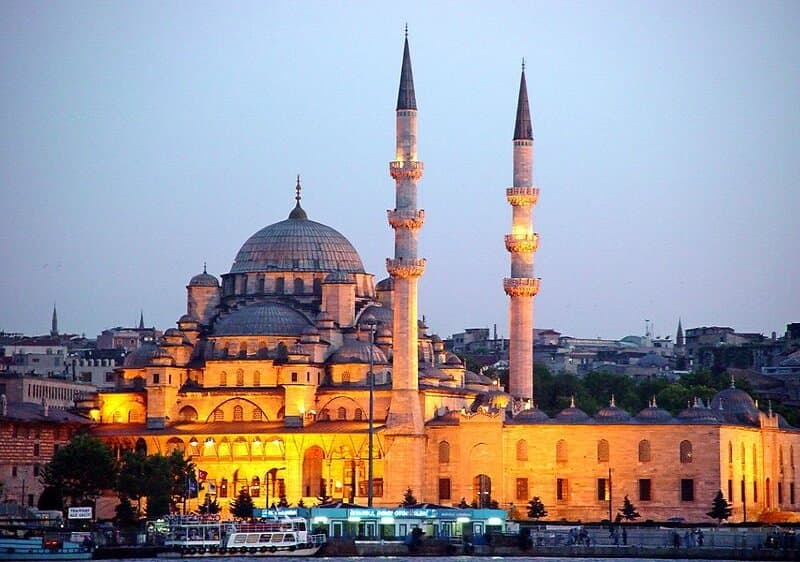
Moschea Nuova was started by the Ottoman sultan Murad III’s wife Safiye Sultan in 1597 and completed by the Ottoman sultan Mehmed VI’s mother in 1665.
Scoprite questo punto di forza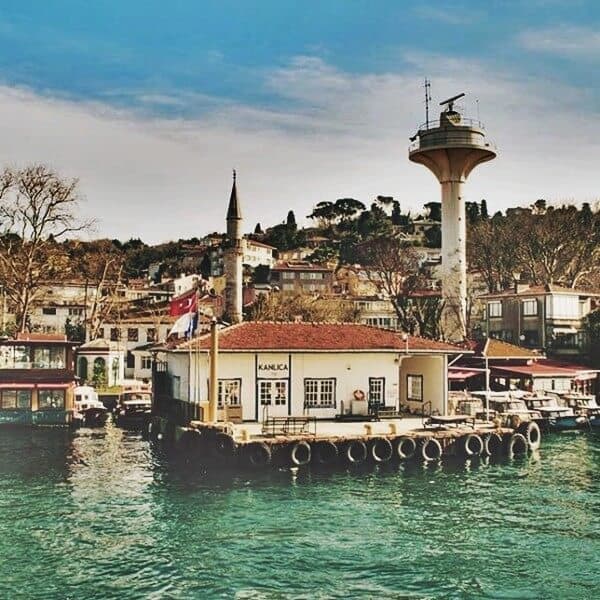
Kanlıca is located in the Beykoz district and near the Bosphorus, even though Kanlica is less populated than the other neighborhoods.
Scoprite questo punto di forza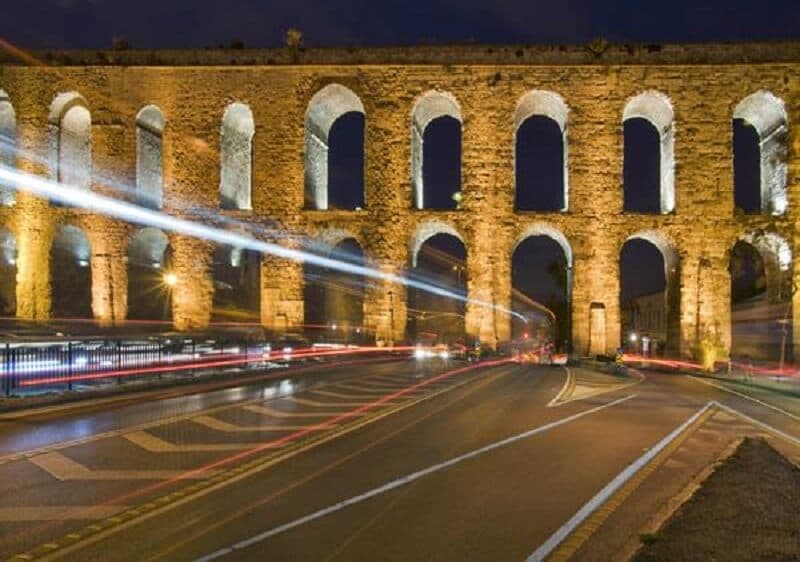
L'imperatore romano Valens costruì l'acquedotto di Valens Istanbul nel 4 ° sec. A.D. I romani fornirono acqua ai cittadini attraverso acquedotti e riempirono le cisterne.
Scoprite questo punto di forza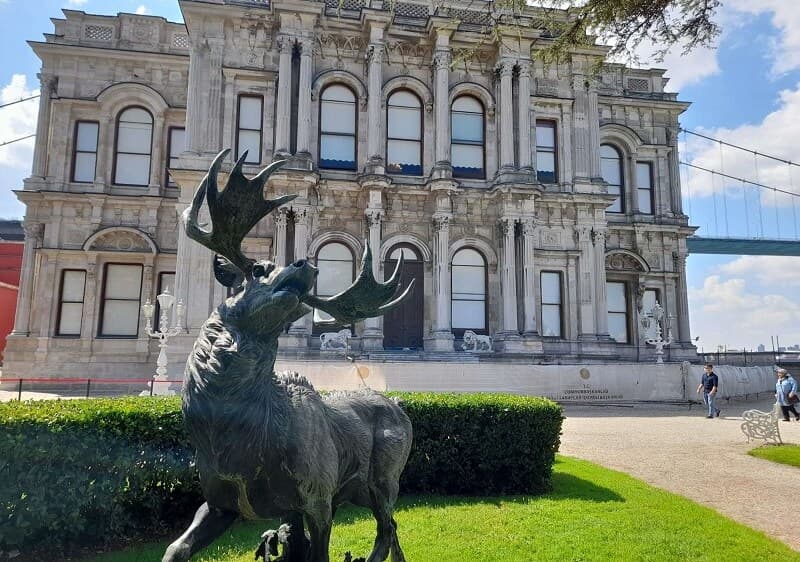
The Ottoman Sultan Abdulaziz built Beylerbeyi Palace in 1861-1865. The architects are Sarkis and Agop Balyan brothers. It was a summer palace.
Scoprite questo punto di forza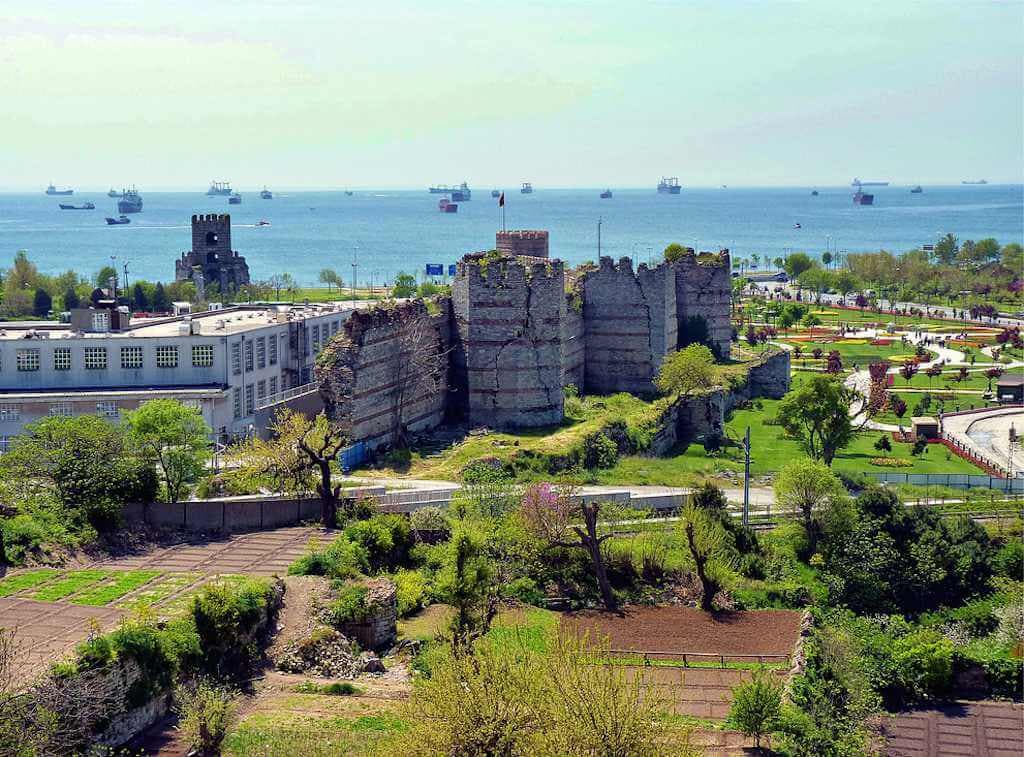
Fortezza di Yedikule is located in the Fatih district of Istanbul near the Sea of Marmara. The Ottoman Sultan Mehmed II built the fortress in 1458.
Scoprite questo punto di forza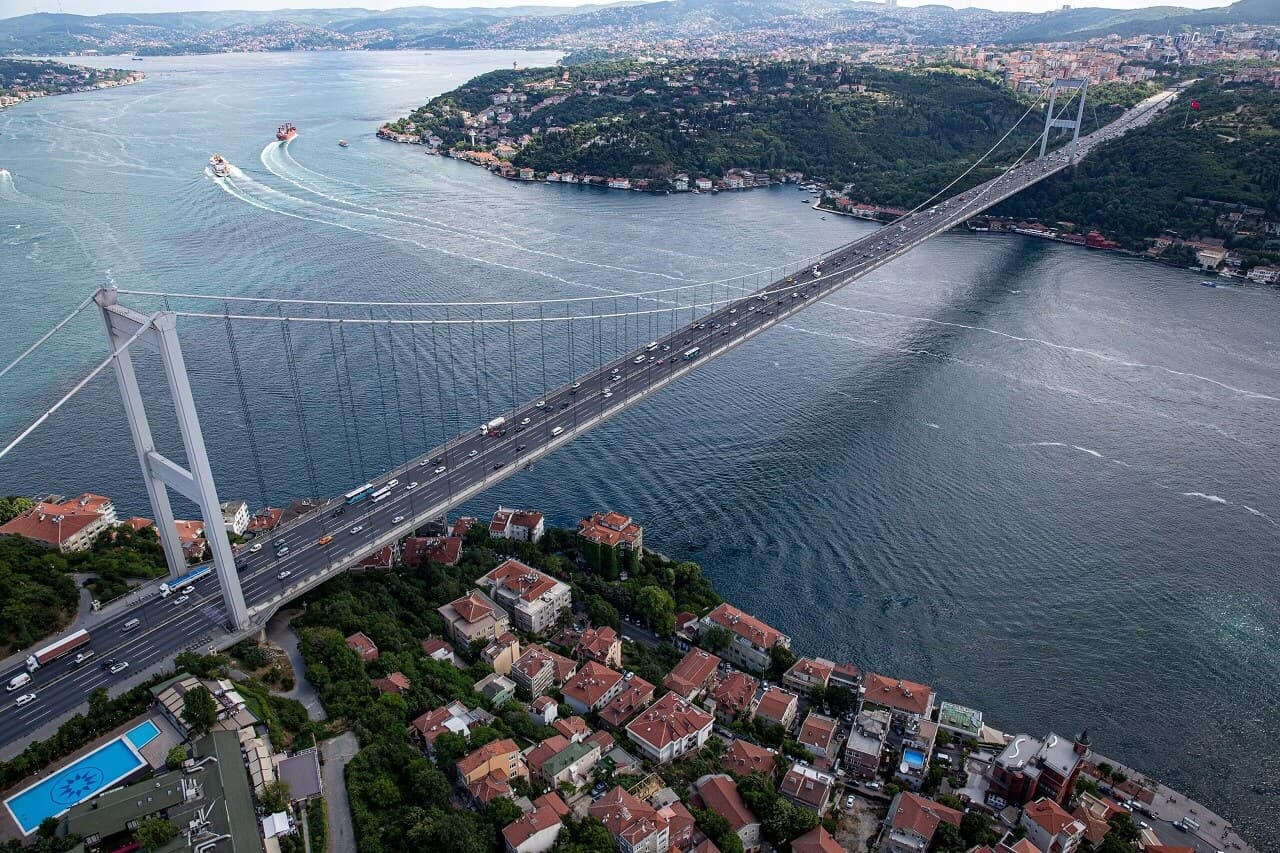
Bosforo is the strait name that connects Europe to Asia and connects the Black Sea to the Marmara Sea. The Bosphorus Bridge was built between the years 1973.
Scoprite questo punto di forza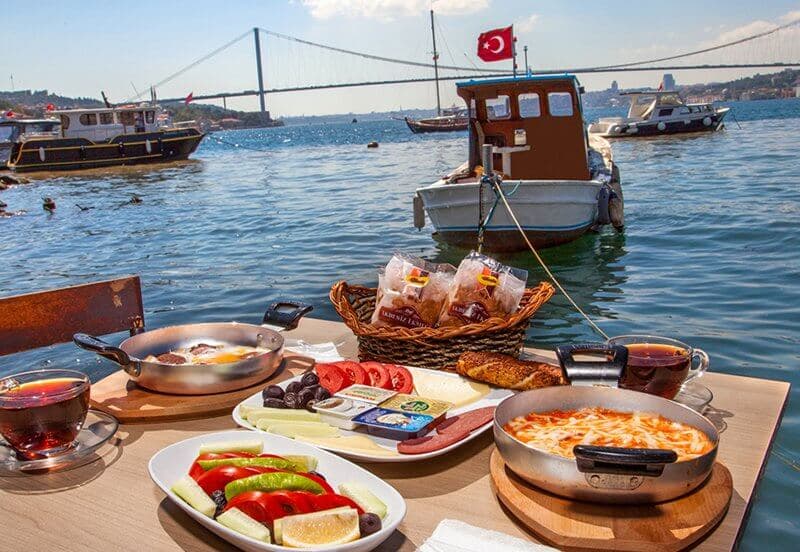
Çengelköy neighborhood is part of Üsküdar district, located near the Bosphorus and between Beylerbeyi and Vaniköy neighborhoods.
Scoprite questo punto di forza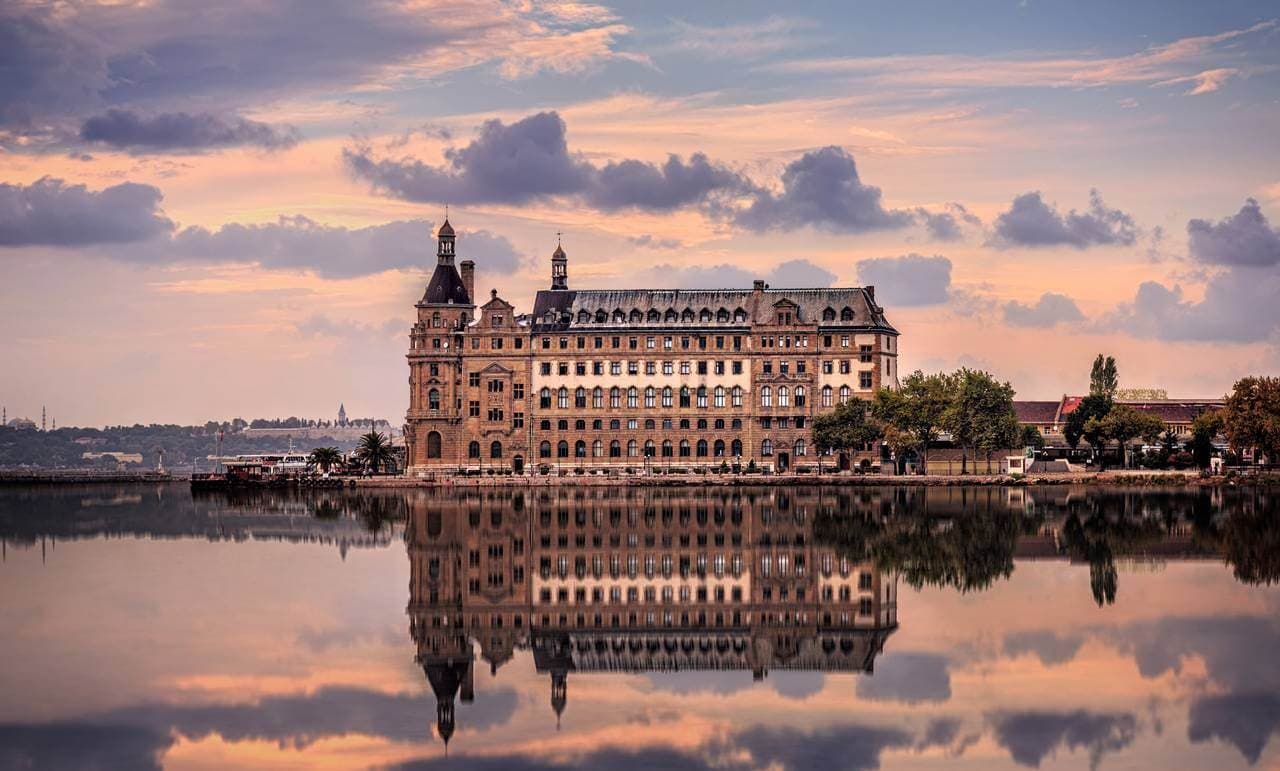
Kadıköy is a popular destination where situated by the Sea of Marmara on the Asian side of Istanbul. Perhaps, Kadıköy might be the first settlement in Istanbul.
Scoprite questo punto di forza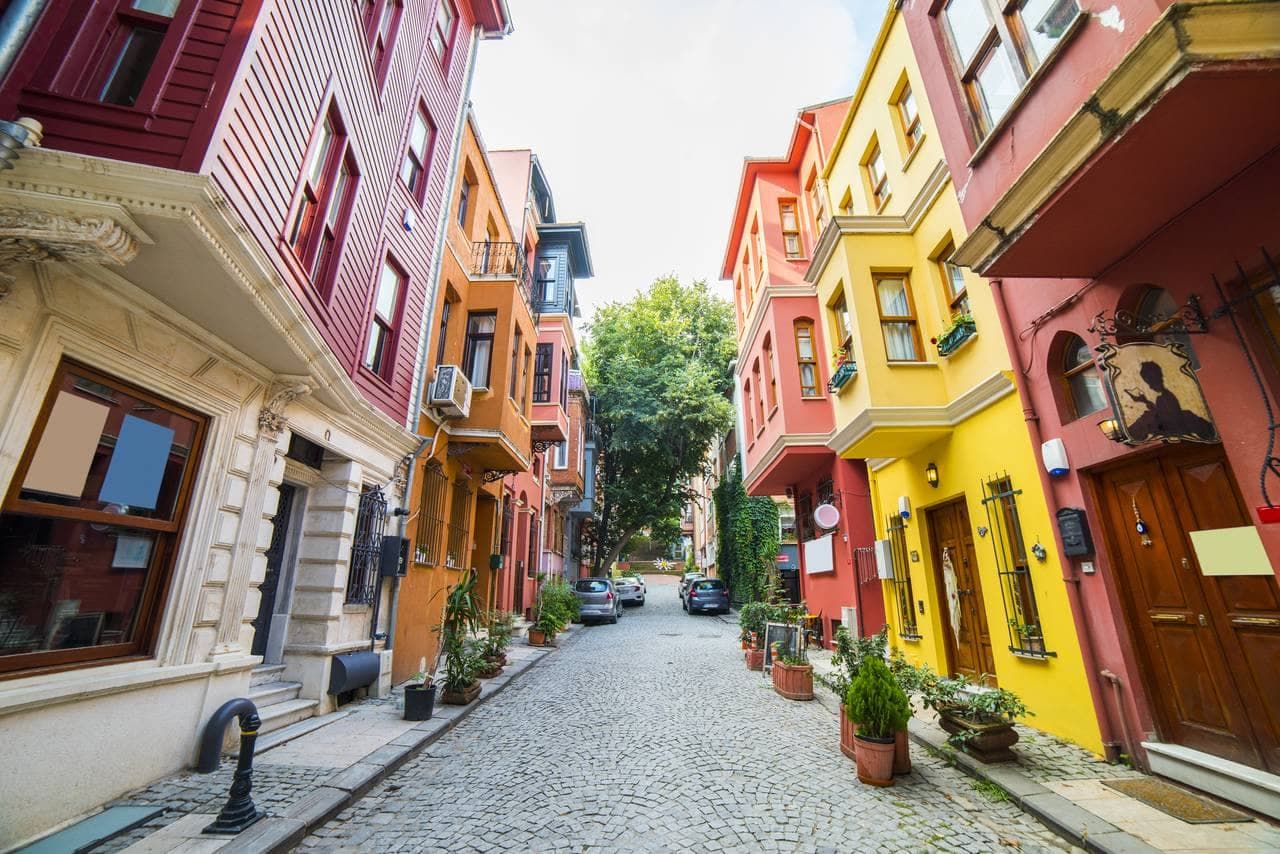
Kuzguncuk quartiere di colorate case di legno turche, serie televisive, kioschi, Yalis, moschee, chiese, e belle strade pavimentate di rame.
Scoprite questo punto di forza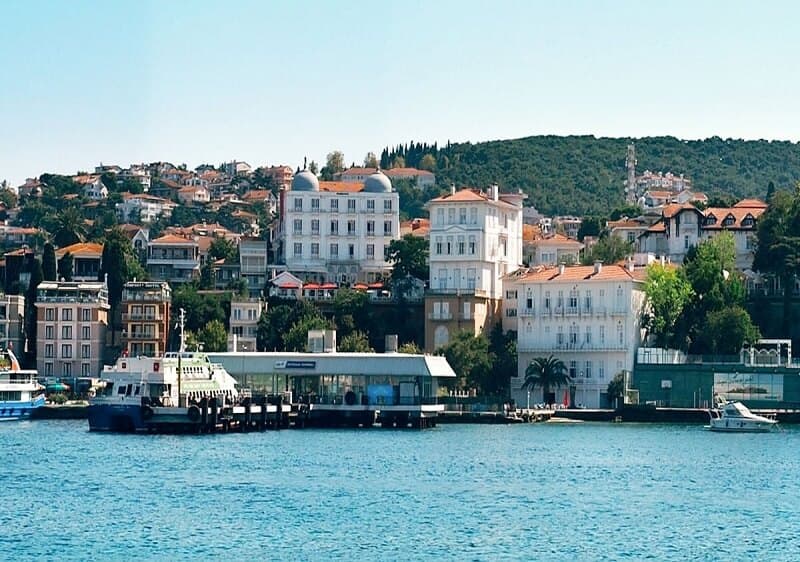
Isole dei Principi is one of the four islands of Istanbul and the largest one. The history dates back to the Hellenistic period.
Scoprite questo punto di forza