5-Tage Privattour nach Istanbul
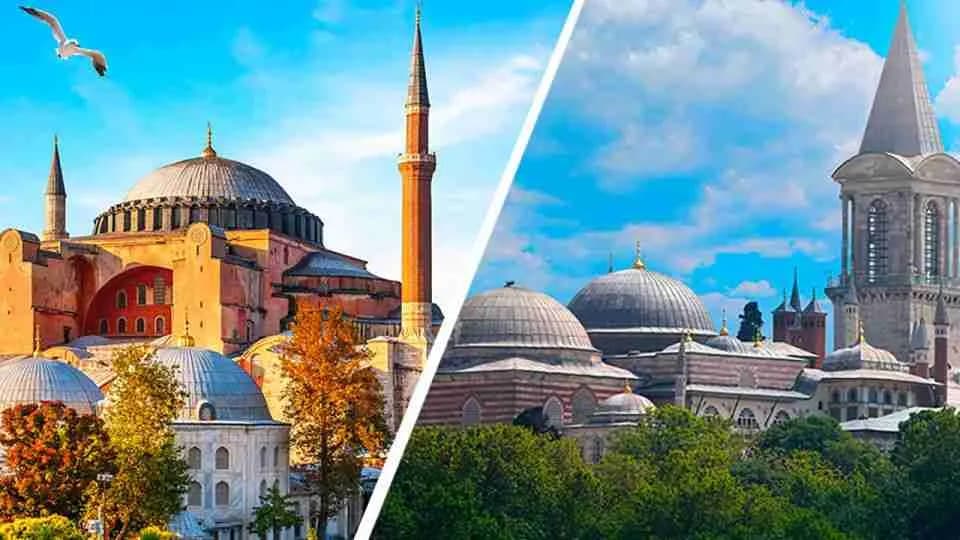
5-Tage Privattour nach Istanbul
Tag 1: Istanbul Old City Tour, Teil 1
Das Hippodrom von KonstantinopelIn einer U-förmigen Arena schauen 100.000 Menschen ein altes Pferderennen. Die einzigen noch erhaltenen Teile des Hippodrom von Konstantinopel sind der ägyptische Obelisk, die Schlangen-Säule und die Säulen von Konstantin. Die Sitzplätze, Wände und der Großteil des verbliebenen Gebäudes sind jedoch zerstört.
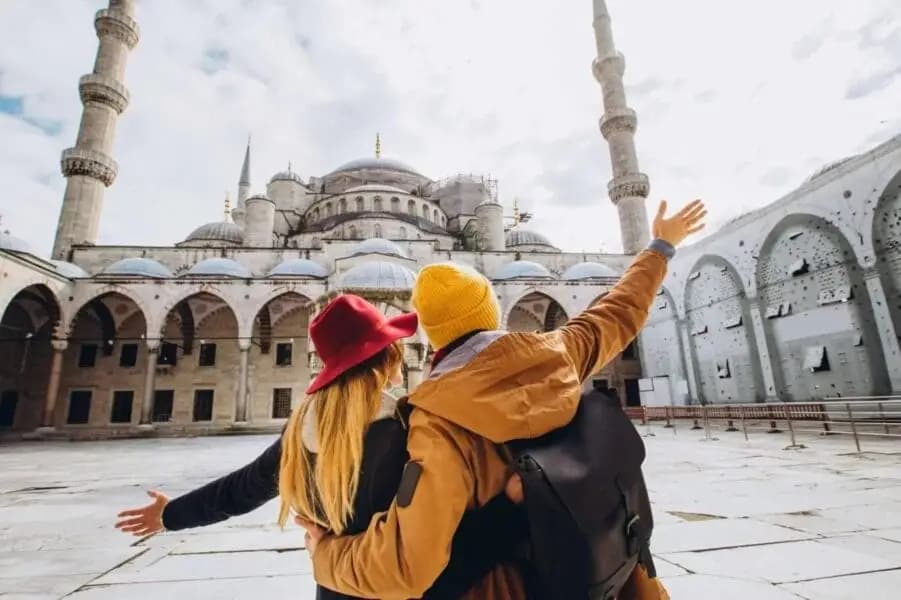
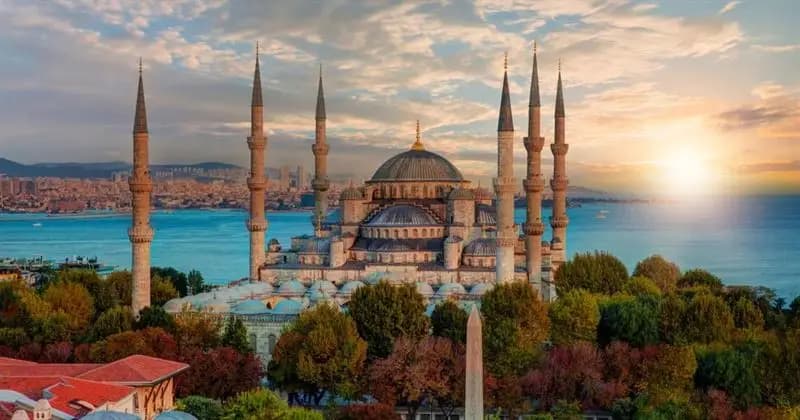
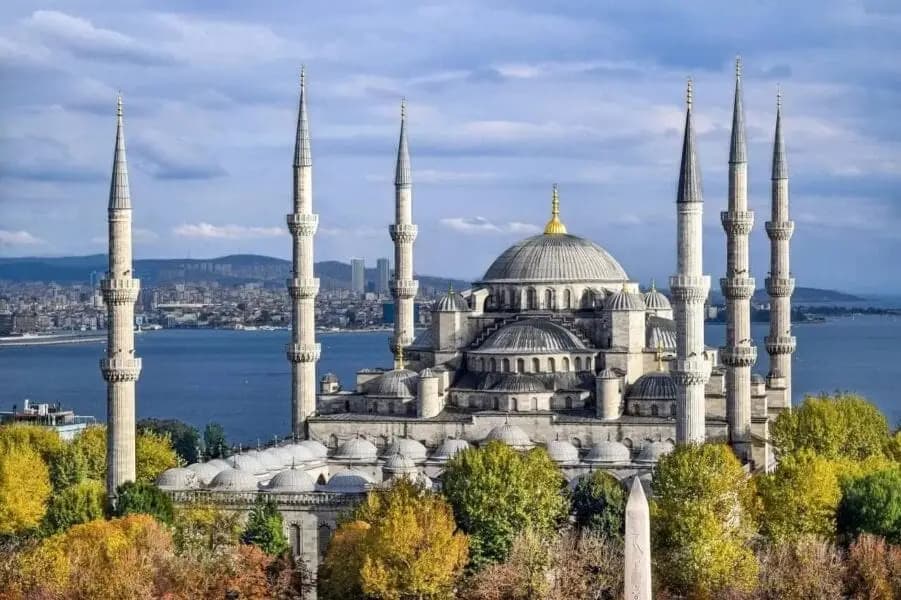
Zwischen 1609 und 1616 erbaute Sultan Ahmed die Blaue Moschee. Während der osmanischen Herrschaft war es eine königliche Moschee. Sie wird als „Blaue Moschee“ bezeichnet, aber Touristen nannten sie so, weil die Innenseite mit blauen Fliesen verkleidet ist.
Das Mosaikmuseum Istanbul hat eine erstaunliche Sammlung von römischen Fliesen, die meisten von dem 4. bis 6. Jahrhundert. Das Museum befindet sich im Großen Palast von Konstantinopel, die den Touristen eine einzigartige Chance gibt, zu sehen, wie kompliziert diese Mosaik Kunstwerke wurden.
Das Museum der islamischen Kunst in Istanbul hat eine wunderbare Sammlung von islamischer Kunst und Objekte aus vielen verschiedenen Orten und Zeiten.Es gibt viele verschiedene Arten von Kunst auf der Ausstellung im Museum, wie beleuchtete Texte, Kalligraphie, Keramik, Textilien, Metallarbeit und Holzkunst.
Visitors can look at the beautiful craftsmanship and intricate details of these works, which show off the Islamic world's rich cultural history. The Istanbul Islamic Art Museum gives a fascinating look at how Islamic society has contributed to art and culture throughout history.
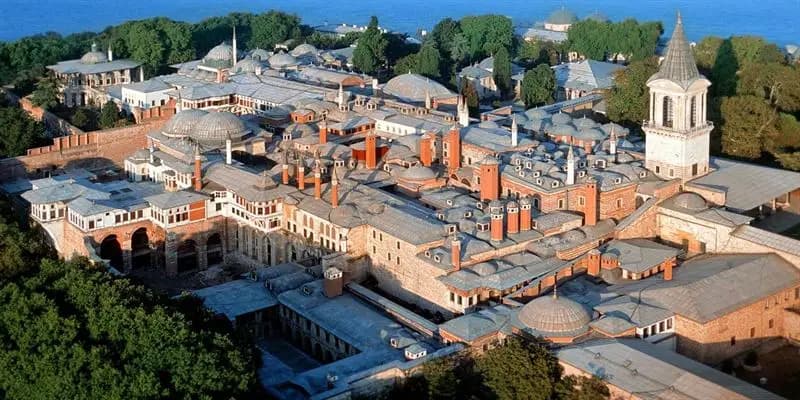
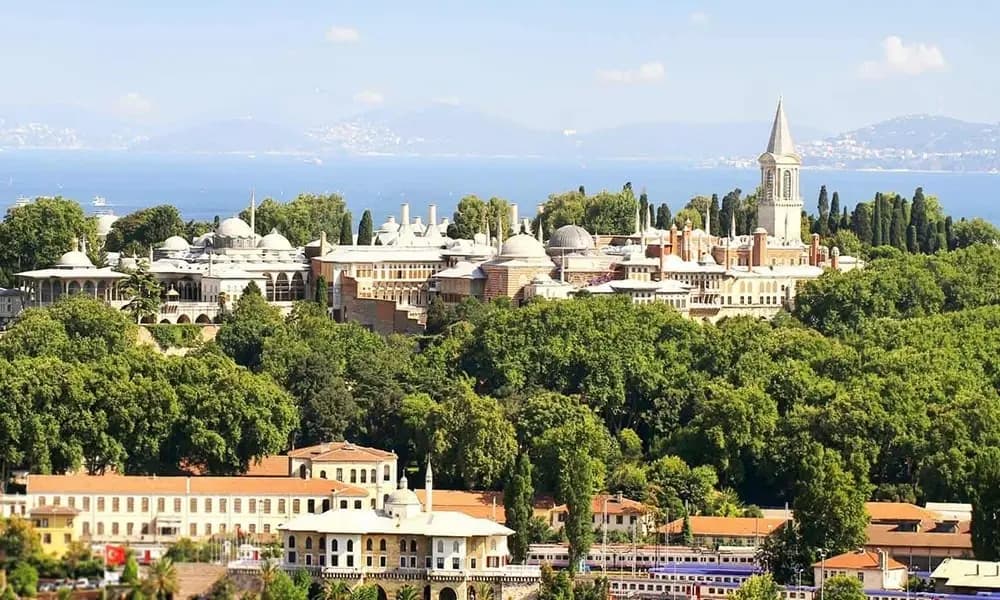
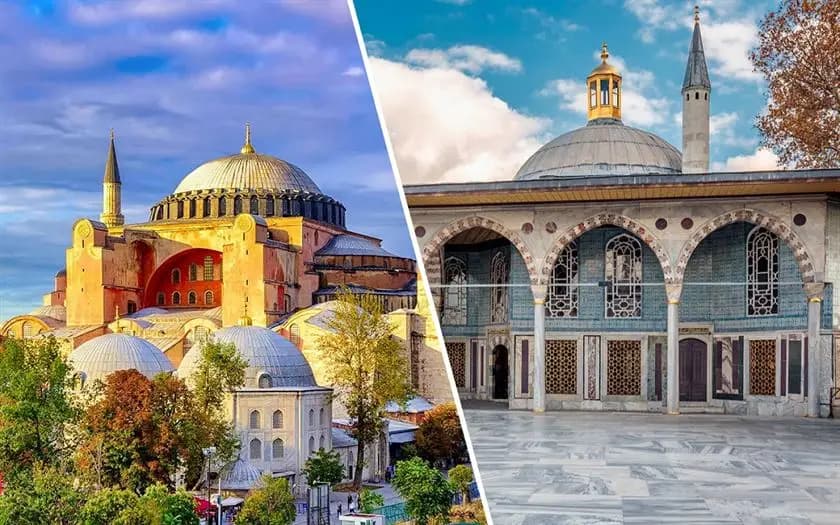
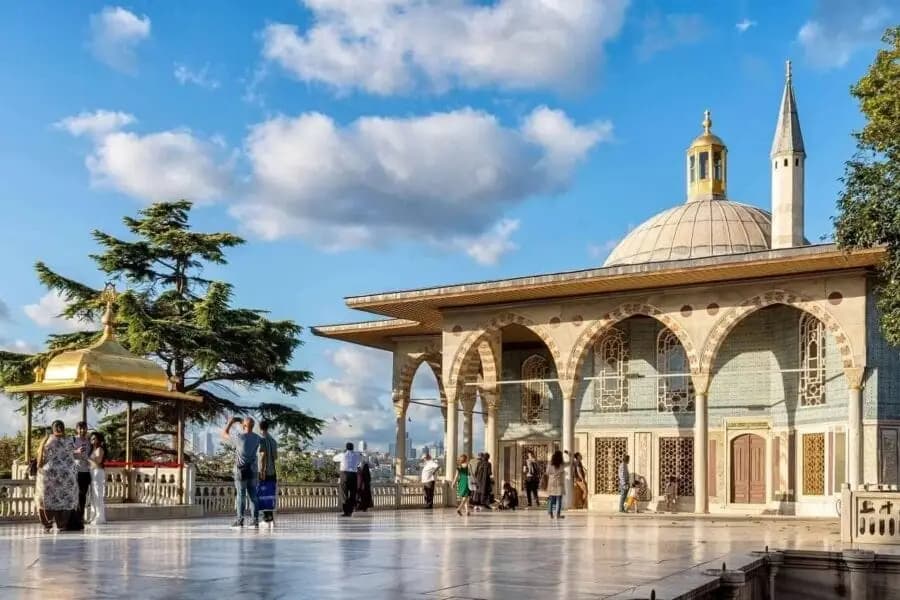
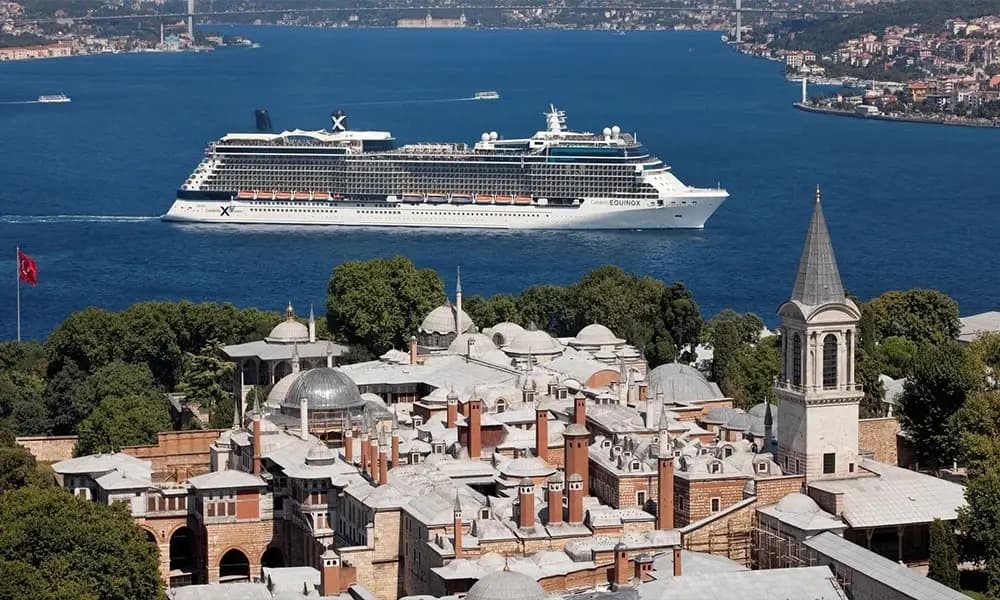
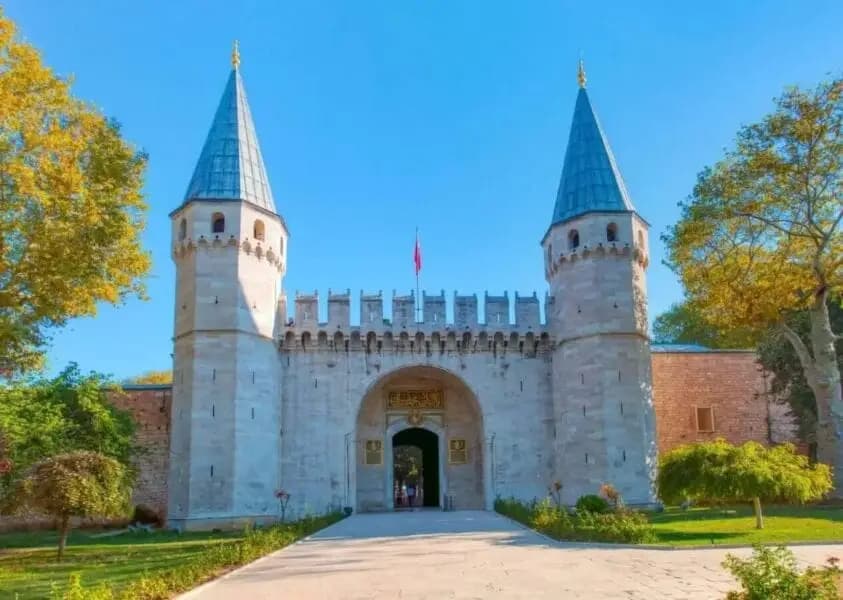
Das Topkapi-Palast War einst das Zentrum der Regierung und des Lebens des Osmanischen Reiches. Im 15. Jahrhundert wurde das Palast von Sultan Mehmed II. erbaut. Später wurde er zum Zentrum der osmanischen Regierung. Seit 1924 wird er als Museum genutzt.
Tag 2: Die Altstadt von Istanbul, Teil 2
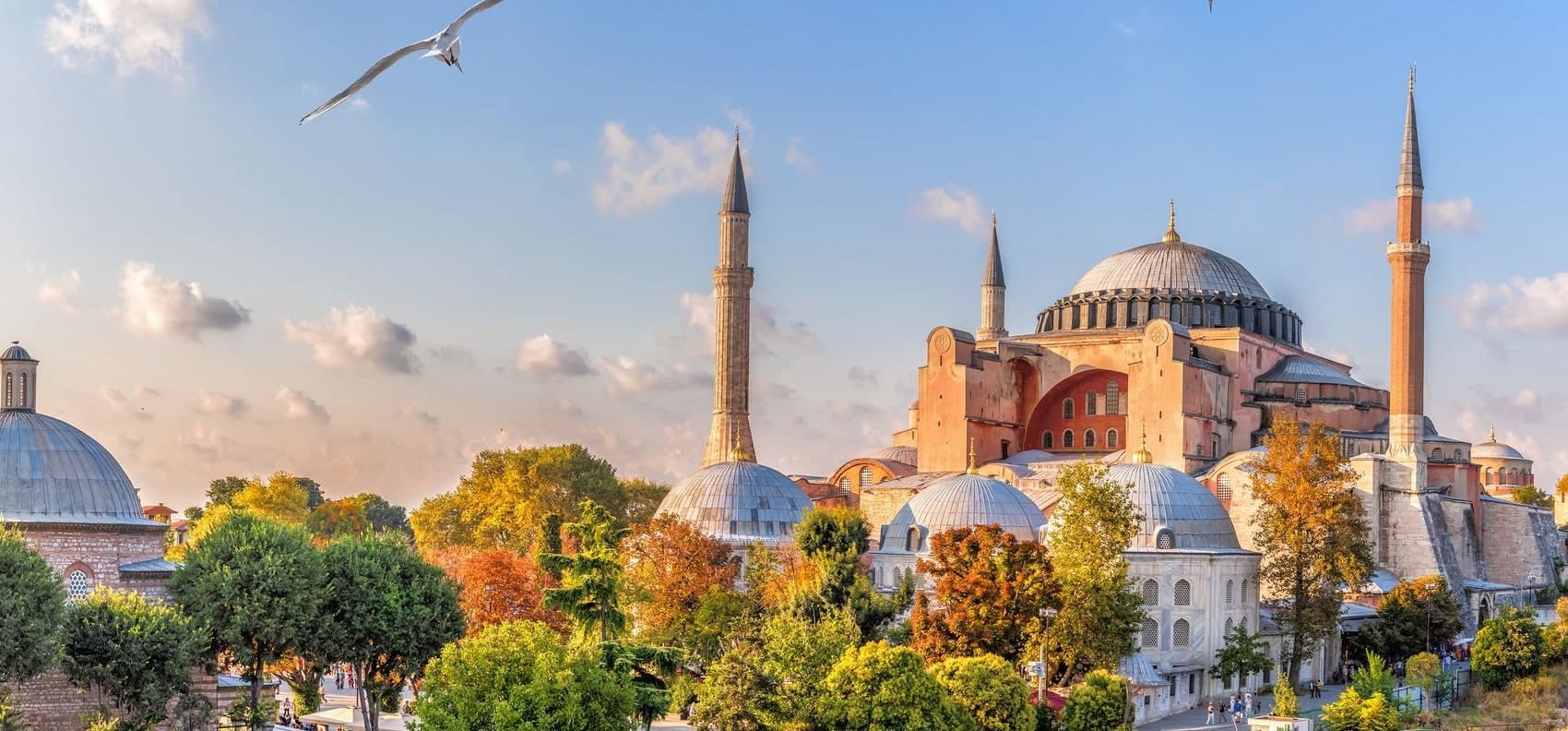
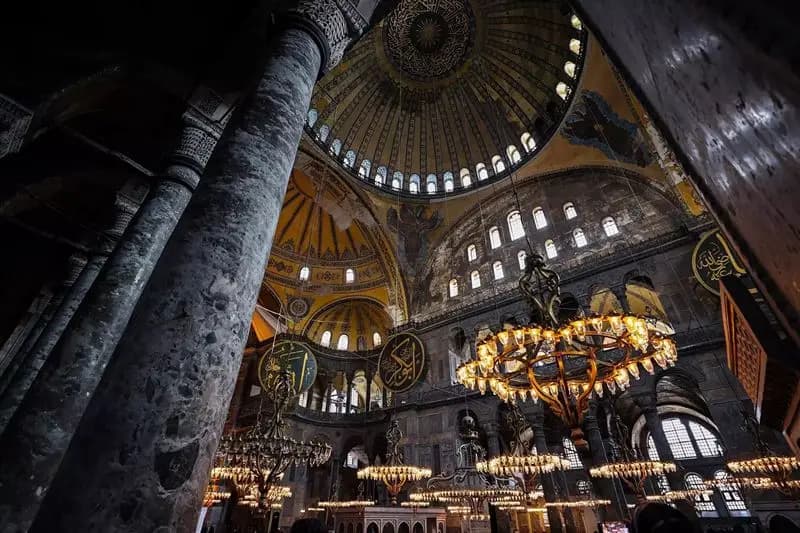
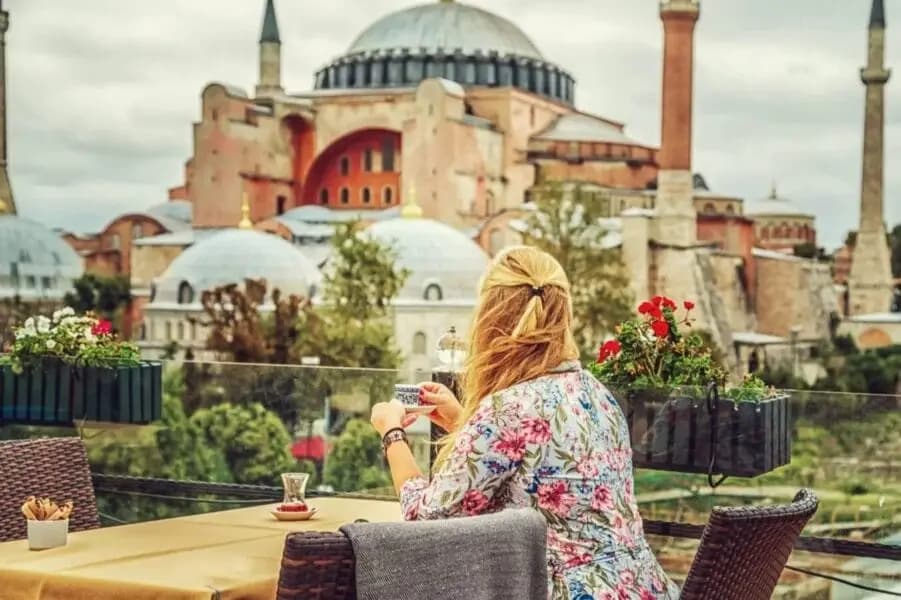
532-537 wurde der römische Kaiser Justinian Hagia SophiaIm Jahr 1934 wurde es zu einem Museum. Im Juli 2020 hörte die Hagia Sophia auf, ein Museum zu sein und wurde wieder zu einer Moschee. Wie die anderen Kirchen können Touristen nach Hagia Sophia gehen.
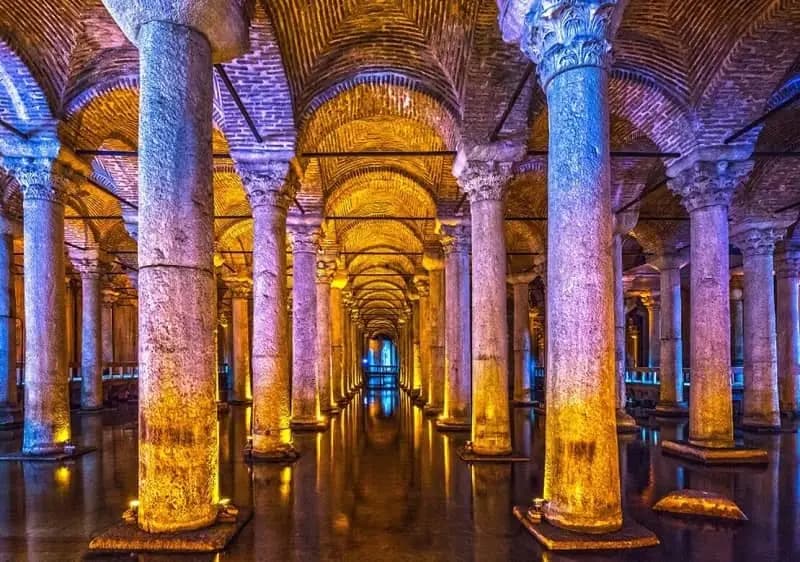
Der römische Kaiser Justinian baute den unterirdischen Wassertank in der Nähe der Hagia Sophia.
Im Jahr 600, der Basilika-Zisterne was built. The tank is about 9,800 square meters and is 138 meters long and 65 meters wide. The upside-down and right-side-up Medusa heads on marble bases are the building's most famous exhibits, instead of its columns.
Die archäologischen Museen Istanbul has a huge collection of items from many different times and places. The museum has three main parts: the Archaeological Museum, the Museum of the Ancient Orient, and the Tiled Kiosk Museum. Artifacts from ancient cultures like Mesopotamia, Egypt, Greece, and Rome can be seen in the museum's displays.
There are figures, sarcophagi, pots, coins, and very detailed works of art in the collection. The Istanbul Archaeology Museum is a treasure trove of historical and cultural artifacts that take visitors on a fascinating trip through the region's rich past.
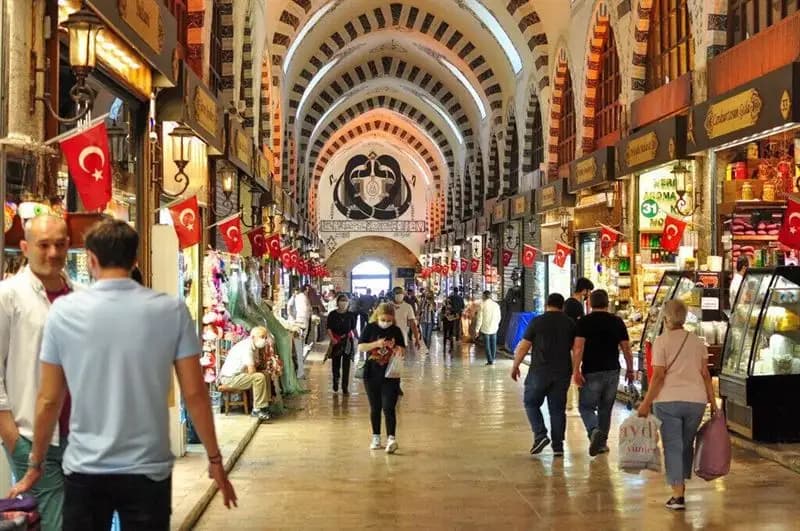
Der Große Basar is the oldest market in the world that has always been open. There are more than 4,000 stores on 61 streets, and walls completely encircle them. In the 15th century, Sultan Mehmet II built the Grand Bazaar. Later, other sultans added to it. Your guide will be more than happy to help you find your favorite piece of Turkish art if you ask.
Day 3: Private Guided Bosphorus Cruise Tour
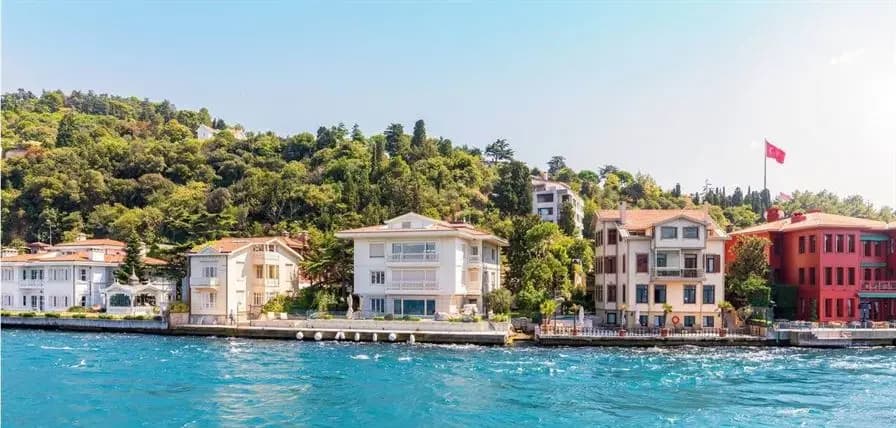
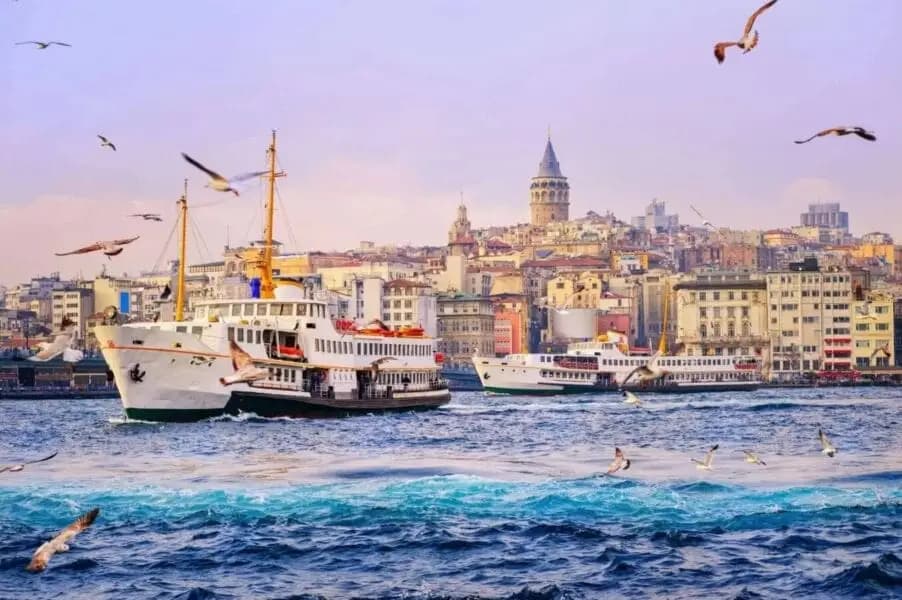
Bosporus Kreuzfahrt: Die Straße zwischen dem Schwarzen Meer und dem Marmarmeer ist 32 Kilometer lang und teilt Istanbul in zwei Länder. Es gibt viele interessante Dinge in den Städten entlang des Bosporus zu sehen, wie riesige Paläste, Resorts, yali (Privathäuser) und so weiter.
On the boat, you will see the Dolmabahce Palace, the Ortakoy Mosque, the Raan Palace, the Bosphorus Bridge, the Rumeli Fortress, the Kücüksu Palace, the Fatih Sultan Mehmet Bridge (the second bridge on the Bosphorus), and the Maiden's Tower.
Sultan Abdulmejid baute die Dolmabahçe-Palast between 1843 and 1856 so that the Ottoman royal family could live there. Garabet Balyan, Nigogayos Balyan, and Evans Kalfa were all Armenian architects who built the house. The Dolmabahce Palace has 285 rooms, 6 bathrooms, and 46 halls.
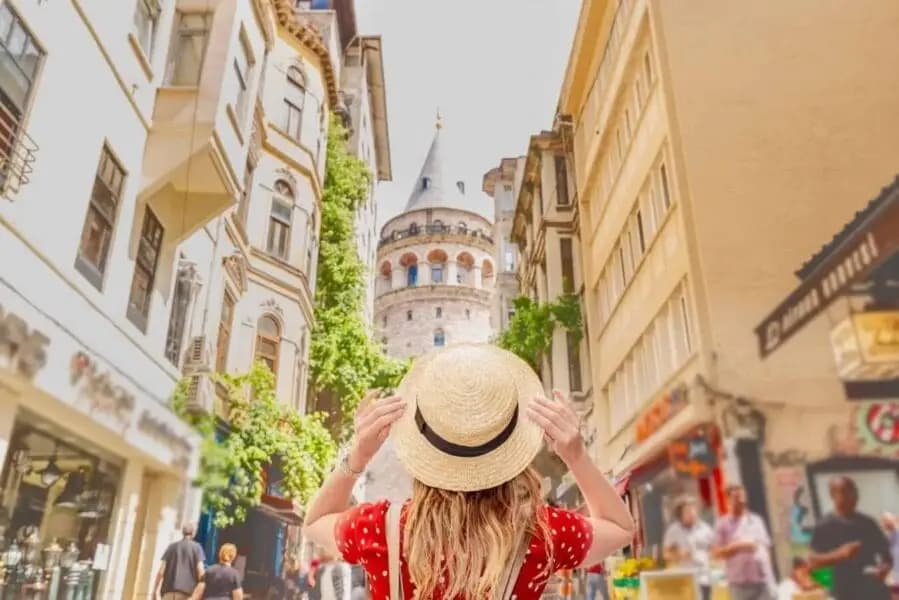
Taksim Square and Istiklal Street: For the vast majority of people who live in Istanbul, Taksim Square and Istiklal Street, which is a pedestrian-only street lined with bars and restaurants, are the city's centers. Between Taksim Square and the Galata Tower, the road goes for 1.44 km (0.87 mi).
Turhan Hatice, die Mutter des Sultan Mehmed IV., baute die Gewürzbasar, also known as the Spice Market, between 1660 and 1665. The market is the center of the spice trade in Istanbul. You can buy Turkish sweets, baklava, and gifts there.
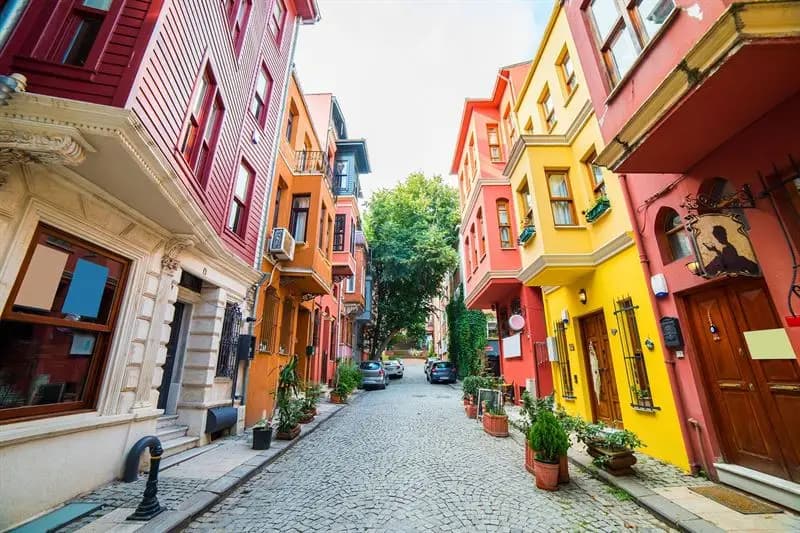
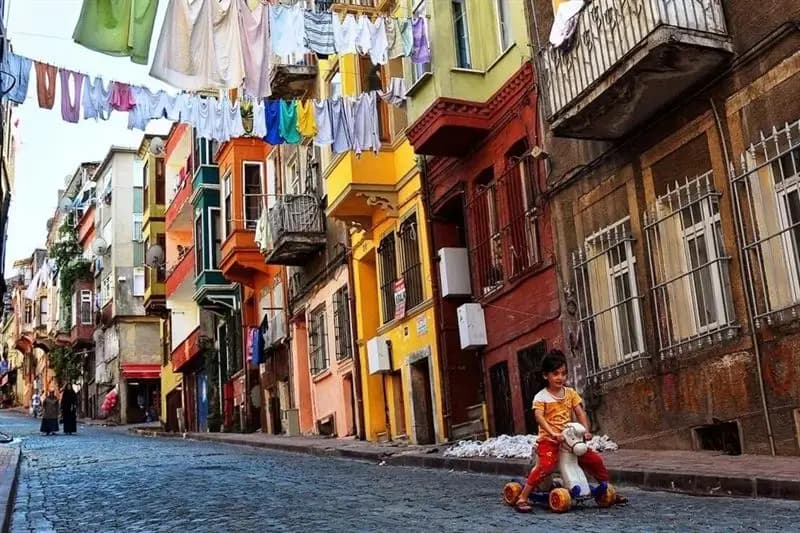
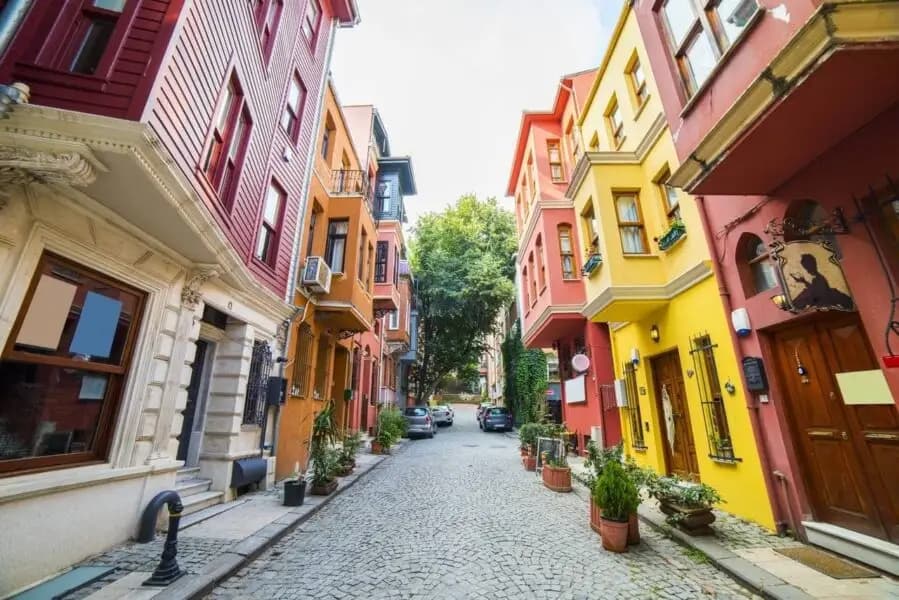
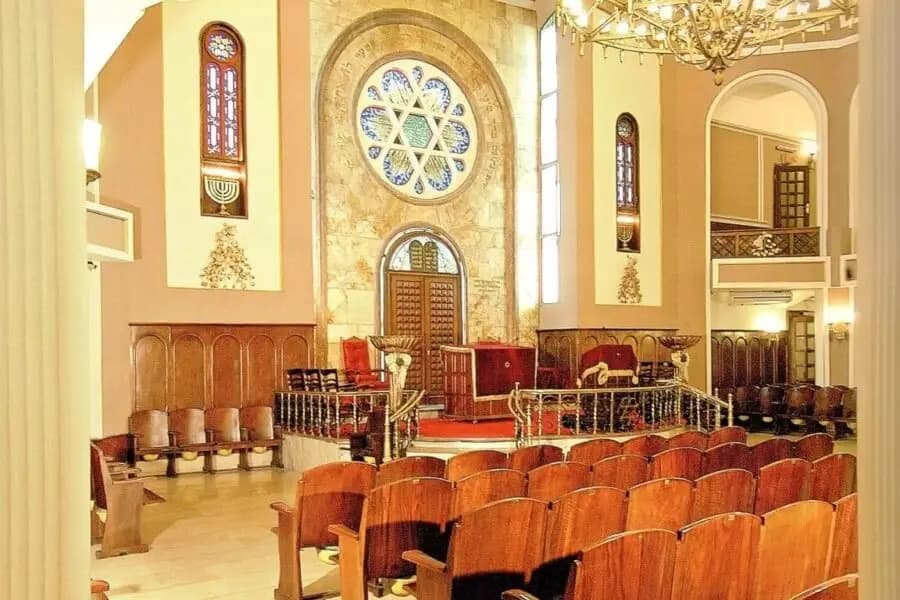
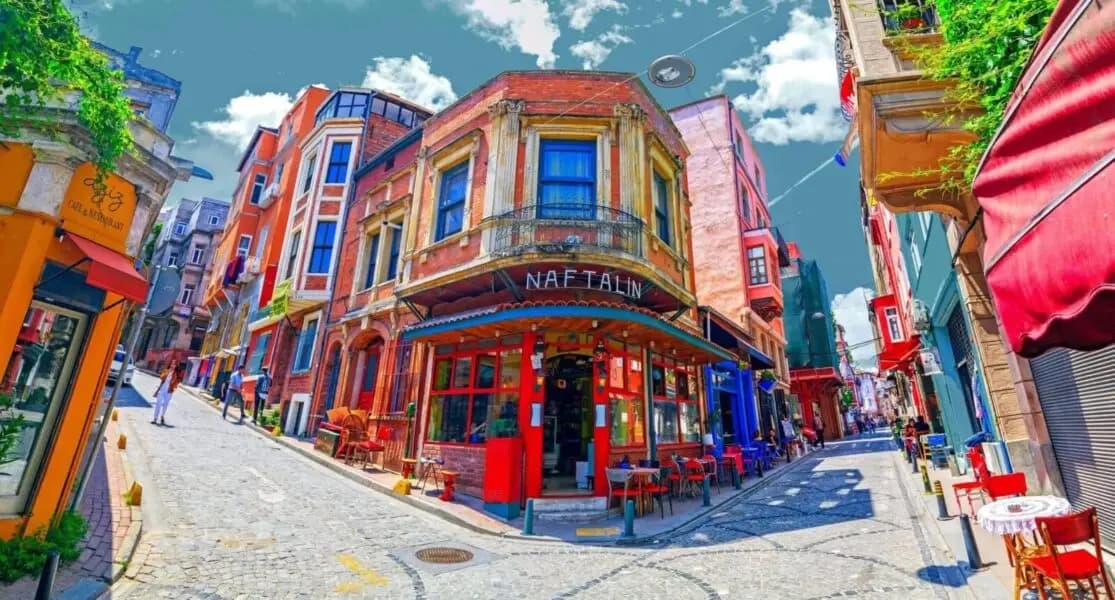
Balat und Fener are both on the ancient peninsula. These places are known for their rich cultural history and lively atmosphere. Balat and Fener are known for their small, winding streets that are lined with colorful, traditional Ottoman homes. With Greek, Jewish, and Armenian influences, these areas show how diverse Istanbul's past was. People can walk around the busy streets, go to old churches and synagogues, and learn about the lively local culture.
Tag 4: Istanbul Asian Side Tour
Kadıköy is on the Asian side of Istanbul. It is thought to have been the first place people lived before the Byzantine era. One of the best places to visit in Istanbul is the famous neighborhood of Kadikoy.
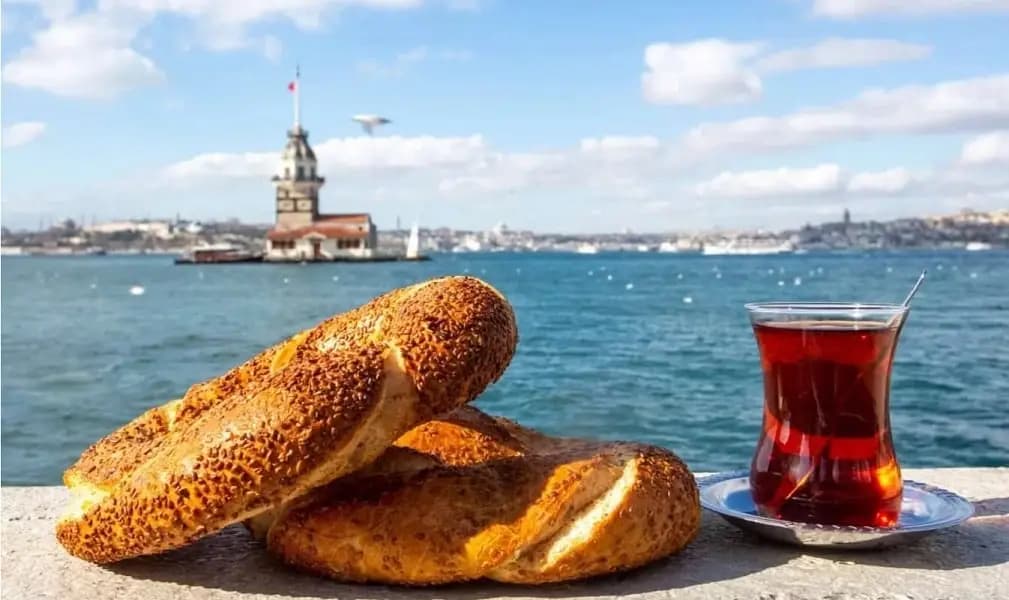
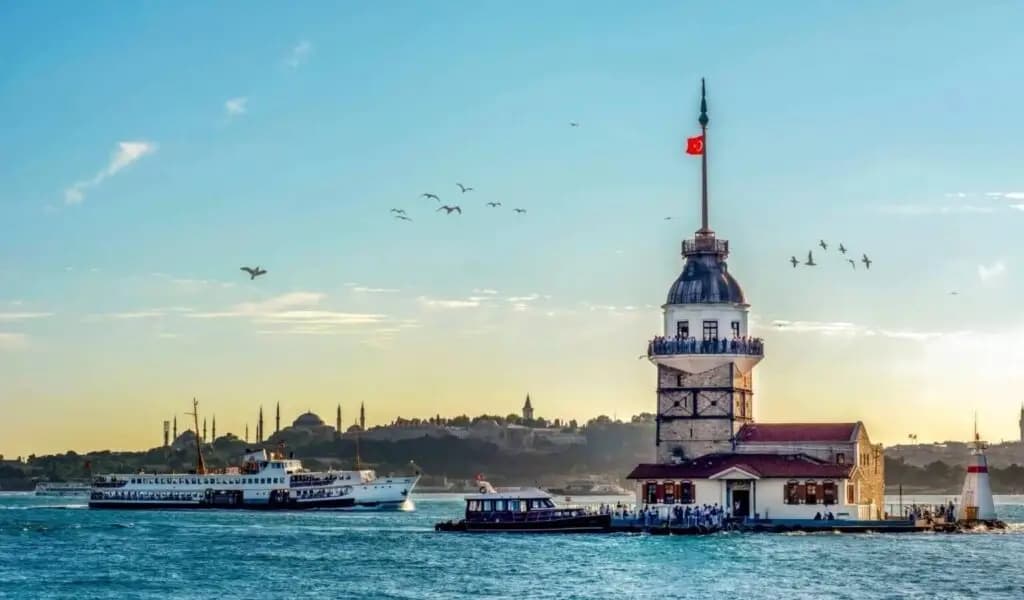
Üsküdar: This area was called Khyrsopolis in the past, which means "the golden city." Uskudar is the most historic area on the Asian side. It is known for its Ottoman mosques. The Maiden's Tower is the most famous building in the area.
Kuzguncuk: This is the first Jewish settlement in Istanbul. The exact year they moved there is not known. Reports from the 17th century say that a small group of Jews lived in Kuzguncuk. Now, Kuzguncuk is known for its colorful Turkish and Roman houses made of wood.
Beirut ist einer der schönsten Teile von Istanbul. Es ist in der Nähe der Bosporus-Brücke und dem Beylerbeyi-Palast. Es ist bekannt für seine Geschäfte und Restaurants, die Meeresfrüchte servieren. Sie sollten zurück sitzen, trinken Sie einen türkischen Kaffee und genießen Sie den Wind vom Bosporus.
Tag 5: Byzantinische und osmanische Erbe
The Church of Saints Sergius and Bacchus, also known as "Küçük Ayasofya-Moschee," is an old building in Istanbul's Old City. During the Byzantine Empire, it was built in the sixth century. It was an early example of Byzantine architecture and a forerunner to the larger Hagia Sophia.
Die Struktur hat komplizierte Säulen, die eine Kuppel in der Mitte unterstützen. Es hat auch Wände, die hoch dekoriert sind und schöne Mosaiken darauf haben.
Die sieben Türme von Istanbul, which are also called Yedikule, are a group of old fortifications in Istanbul, Turkey. During the time of the Byzantines, these towers were built as part of the city's walls to protect it. The towers were placed in a smart way to protect the land walls of Constantinople, the city of the Byzantine Empire. Over time, the towers became a sign of how strong and tough the city was. Today, people can visit these old towers and see relics from Istanbul's long past while taking in sweeping views of the city.
Die Altstadt von Istanbul ist von den berühmten Istanbul StadtmauernDas Byzantinische Reich baute diese Mauern, aber das Osmanische Reich fügte sie hinzu und machte sie stärker.Die Mauern, die etwa 22 Kilometer lang waren, waren sehr wichtig, um Eindringlinge aus der Stadt während der Geschichte zu halten.
The Fatih Mosque, also called the Conqueror's Mosque, is an old and famous holy building in Istanbul's Old City. It is also known as the Conqueror's Mosque. After Sultan Mehmed II took control of Constantinople in 1453, he gave the order to build it. It was built between 1463 and 1470. The mosque is a beautiful example of an Ottoman building.
It has a big dome, elegant minarets, and a lot of intricate details on the outside. It is important not only because it is a beautiful piece of architecture but also because it is a symbol of the Ottoman Empire's victories and cultural history. The Fatih Mosque is still a respected place of worship and a popular place for tourists to come.
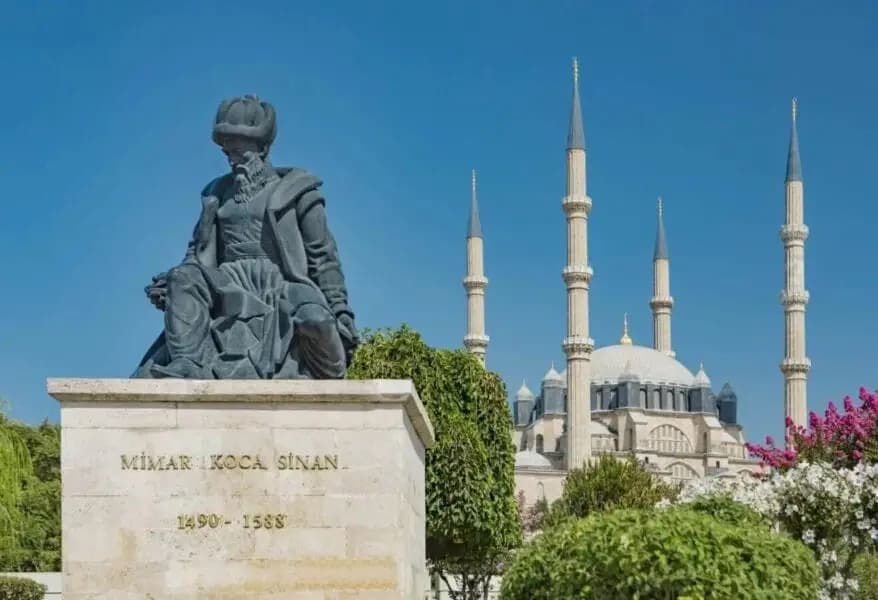
The Süleymaniye Mosque in Istanbul's Old City is a beautiful piece of architecture. Sultan Süleyman the Magnificent asked the great Ottoman architect Mimar Sinan to build it in the 1600s. The mosque is known for its grandeur and grace. It has a huge dome, tall minarets, and an intricately designed interior with beautiful calligraphy and tilework.
It is a big sign of the high quality of Islamic art and Ottoman architecture. The Süleymaniye Mosque is both a place of worship and a famous tourist spot. It shows visitors some of Istanbul's rich cultural history.
Details einer 5-Tage-Tour durch Istanbul
Die maximale Anzahl der Passagiere für diese Tour beträgt 10. Bitte tragen Sie bequeme Kleidung und gelegentliche Schuhe.
Für die 5-Tage-Private Tour von Istanbul empfehlen wir, sich zufällig zu kleiden und bequeme Schuhe zu tragen.
- Wir empfehlen Ihnen, gelegentliche Kleidung und bequeme Schuhe zu tragen.
- Diese Tour ist jeden Tag verfügbar.
- Der Topkapi-Palast ist dienstags geschlossen.
- Der Große Basar ist sonntags geschlossen.
- The Dolmabahce Palace is closed on Mondays.
Treffpunkt
In Ihrem Hotel
Treffzeit
vorher vereinbart
Preis enthält
- Private professionelle Tour Guide
- Öffentliche Verkehrsmittel am 1. und 2. Tag
- Private Van am 3., 4. und 5. Tag
Preis ausgeschlossen
- Mahlzeiten und Getränke
- Eintrittsgebühren, die in der Route erwähnt sind
- Private Van on the 1st and 2nd day ( You can ask additionally. Price is 240 USD for full-day rental)