5-dňový súkromný zájazd do Istanbulu
5-dňový súkromný turné v Istanbule
1. deň: Turné Starého mesta v Istanbule, časť 1
Hipodróm v KonstantinopoleV U-tvarej aréne sa zhromaždi 100 000 ľudí a sledujú starodávny pretek s koňmi. Jediné časti Hippodrómu v Konštantínopole, ktoré sa ešte zachovali, sú egyptský obelisk, slonina a Constantineove slúpy. Sedadlá, steny a väčšina toho, čo zostalo, boli zničené.
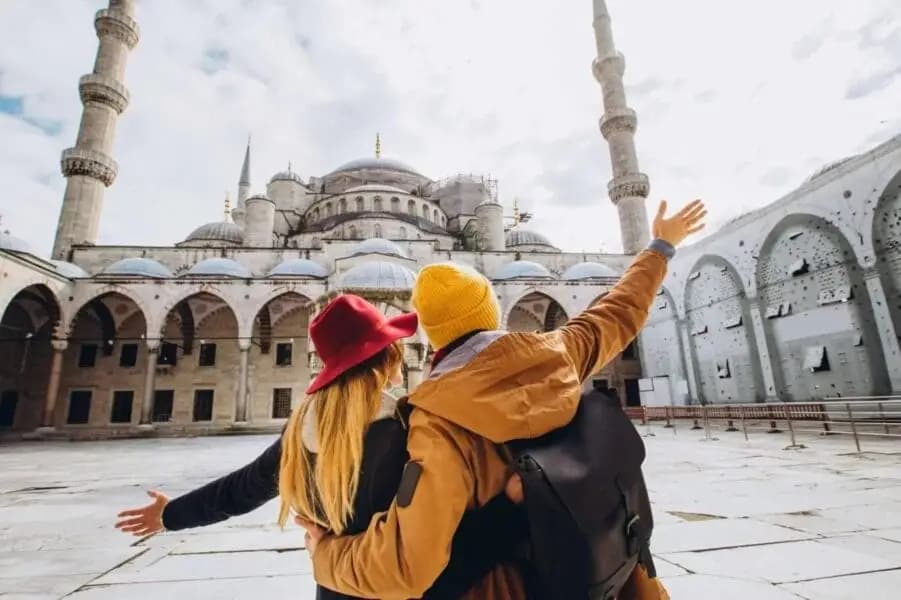
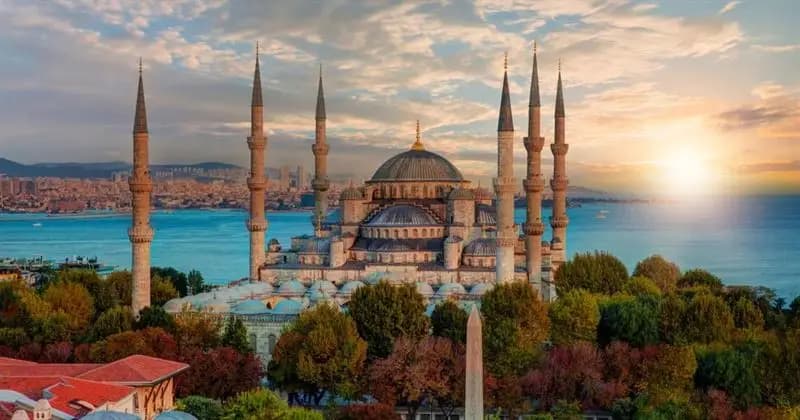
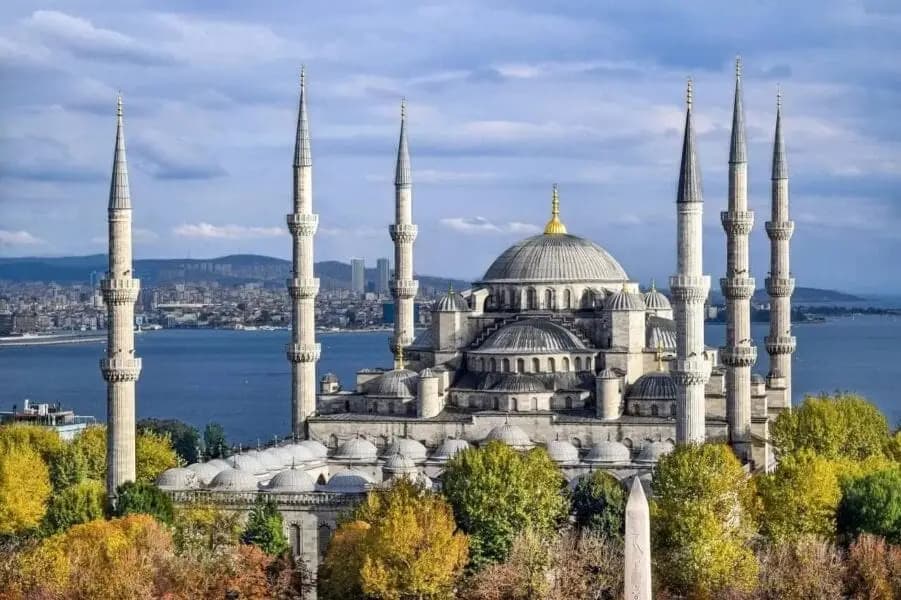
V rokoch 1609 až 1616 založil sultán Ahmed Modrá mešita. V období Osmanskej ríše to bol kráľovský mešít. Volá sa Modrá mešita, ale turisti mu dali túto názov, pretože vnútri sa nachádzajú modré dlaždice.
Istanbulské mozaikové múzeum má úžasnú zbierku rímskych dlaždíc, z ktorých väčšina pochádza zo 4. až 6. storočia. Múzeum sa nachádza v Veľkom paláci v Konštantínopole, čo dáva turistom jedinečnú šancu vidieť, ako zložité boli tieto mozaikové umelecké diela.
Múzeum islamského umenia v Istanbule má nádhernú zbierku islamského umenia a predmetov z mnohých rôznych miest a čias. Existuje mnoho rôznych druhov umenia na výstave v múzeu, ako sú osvetlené texty, kaligrafia, keramika, textílie, kovové a drevené umenie.
Visitors can look at the beautiful craftsmanship and intricate details of these works, which show off the Islamic world's rich cultural history. The Istanbul Islamic Art Museum gives a fascinating look at how Islamic society has contributed to art and culture throughout history.
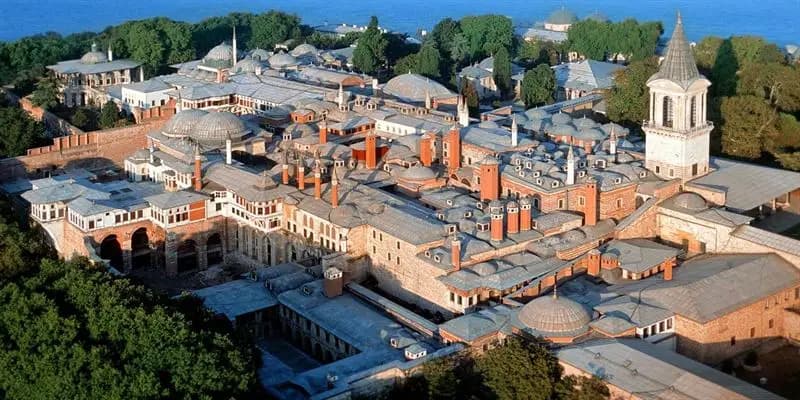
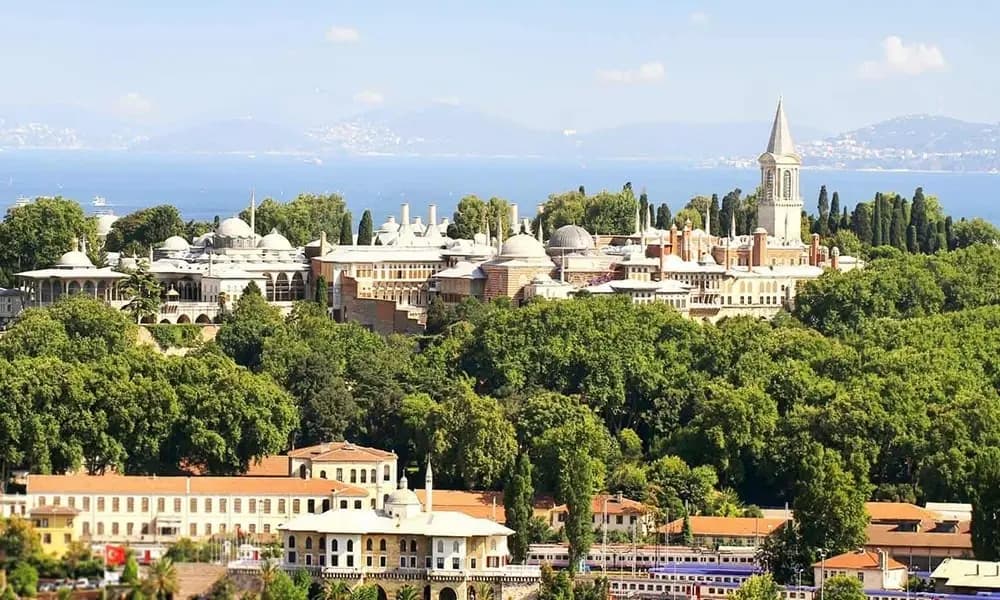
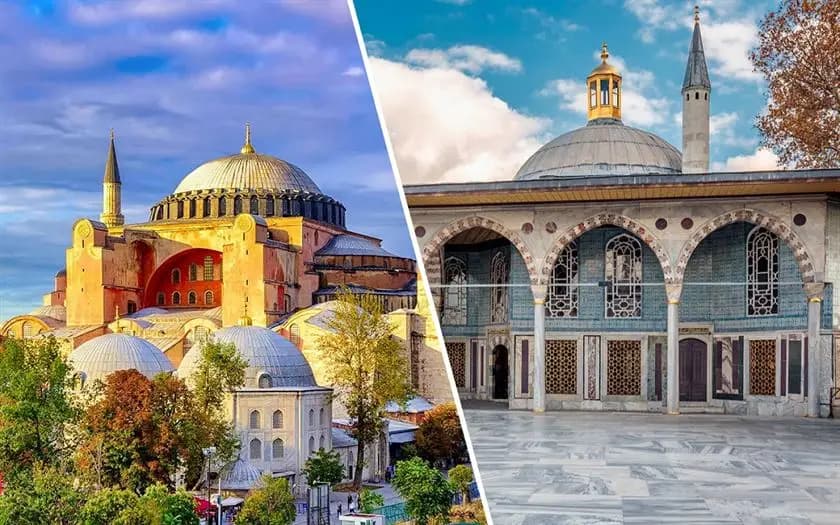
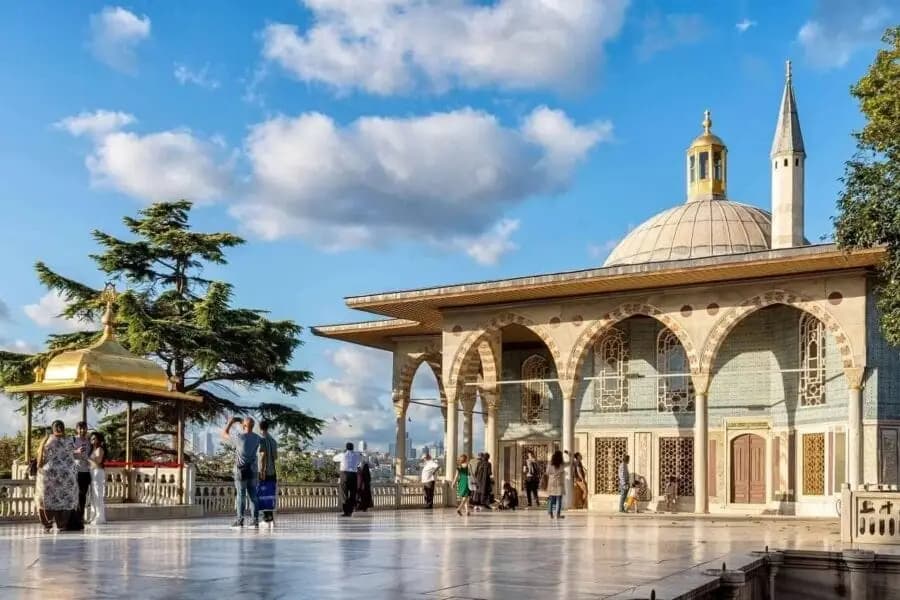
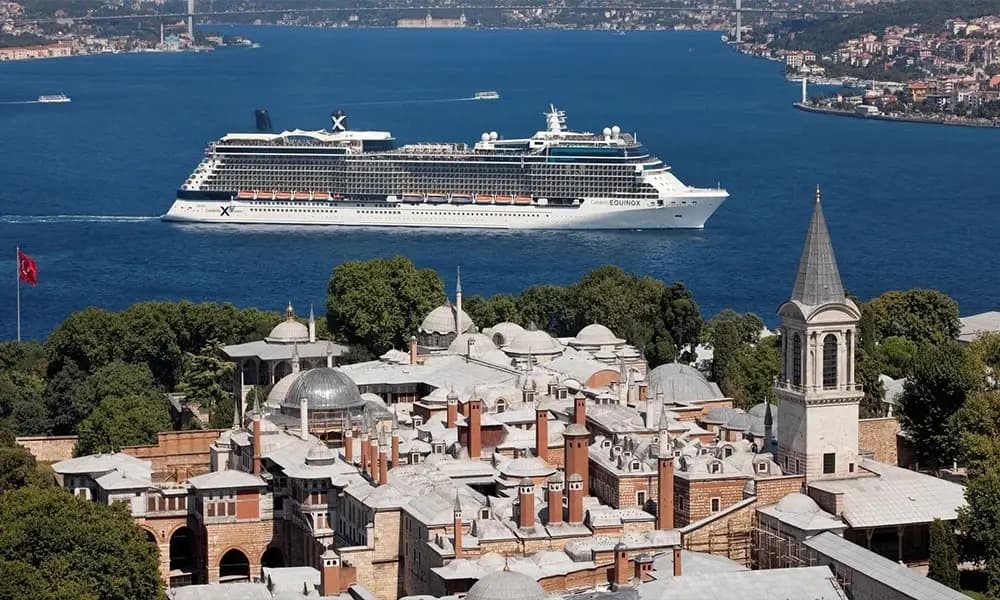
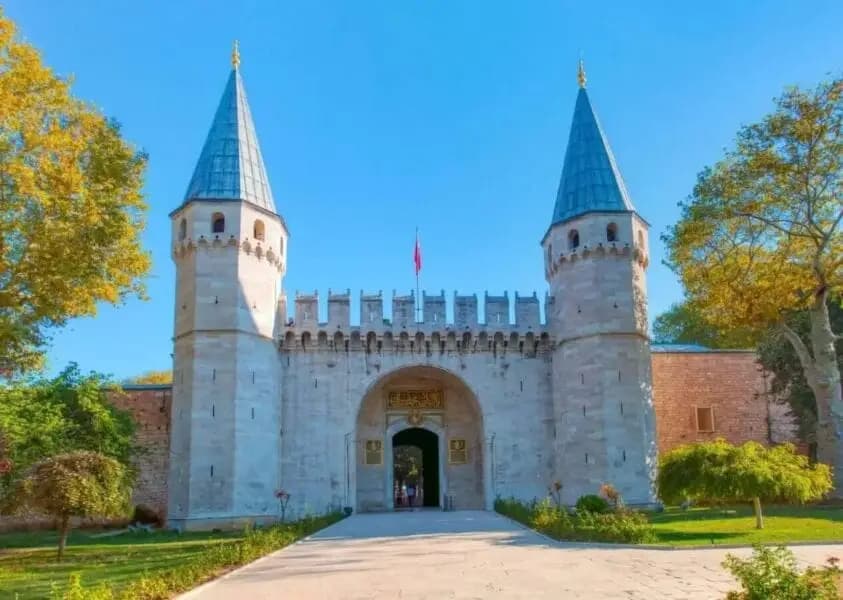
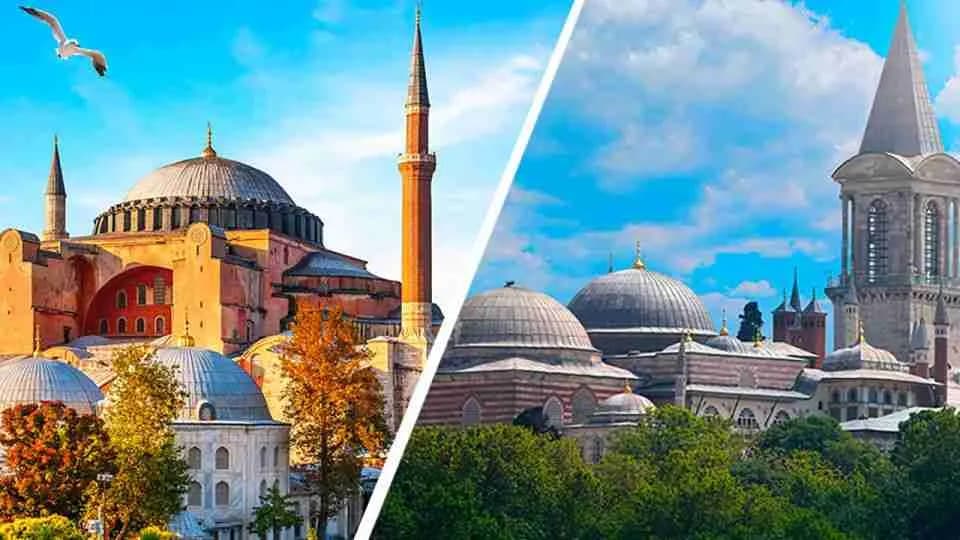
Palác Topkapı Bol to centrum vlády a života v Osmanskej ríši. V 15. storočí ho postavil sultán Mehmed II. Neskôr sa stal centrom vlády Osmanskej ríše. Od roku 1924 sa používa ako múzeum.
Deň 2: Staré mesto Istanbul, časť 2
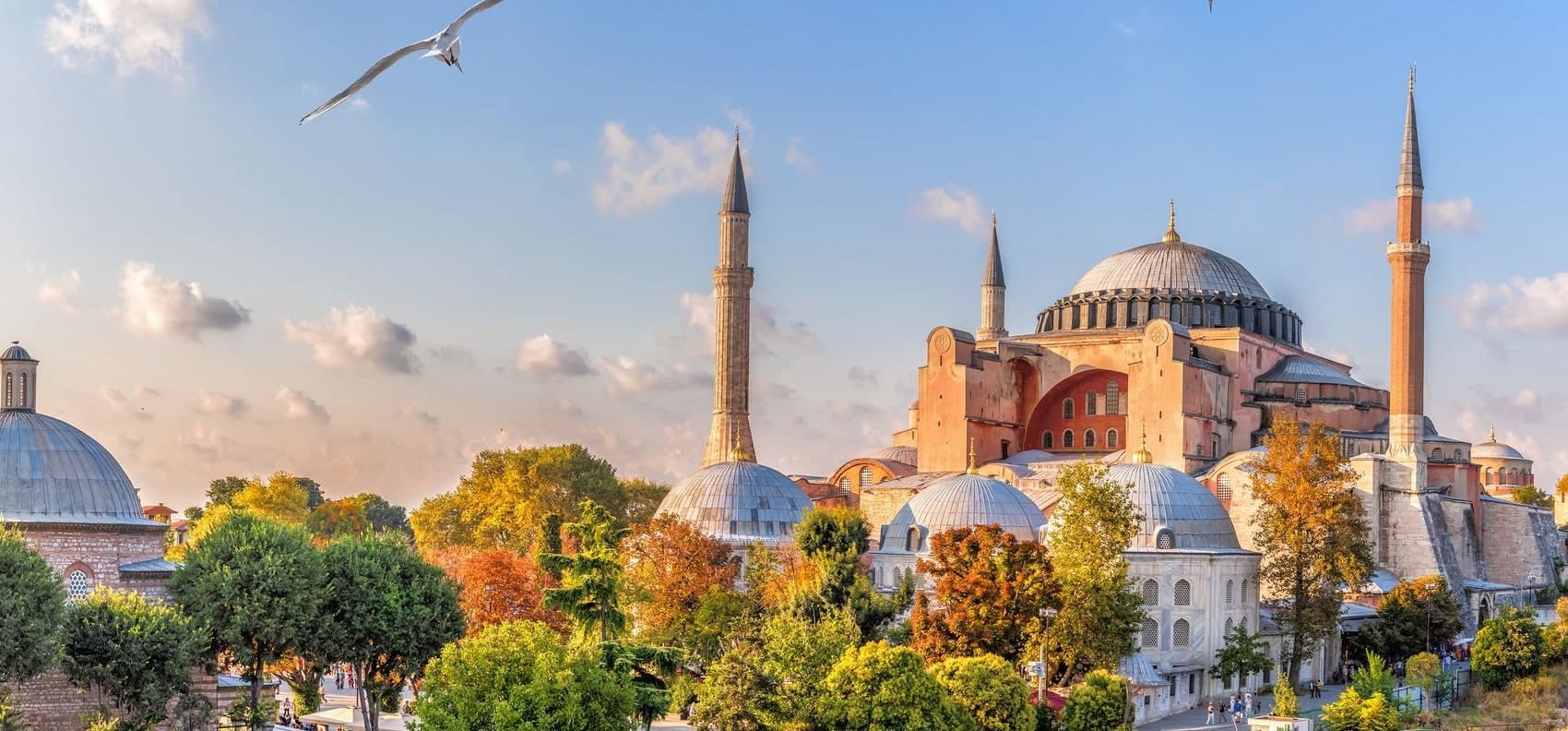
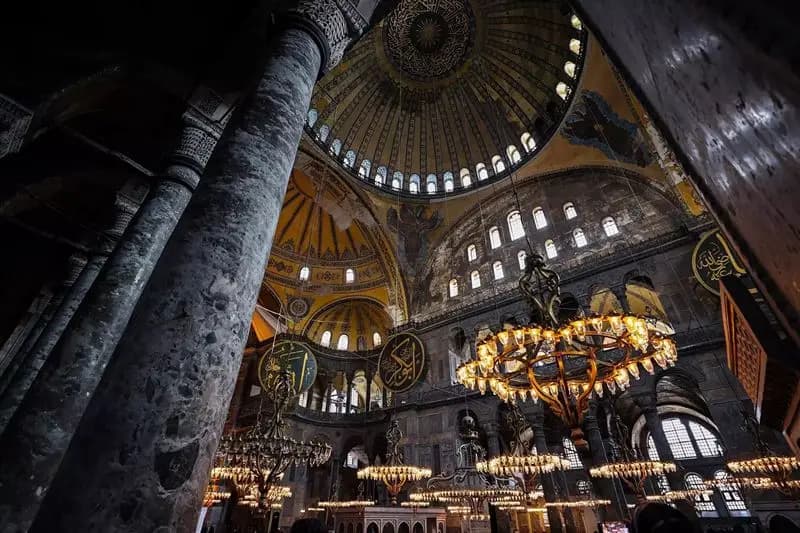
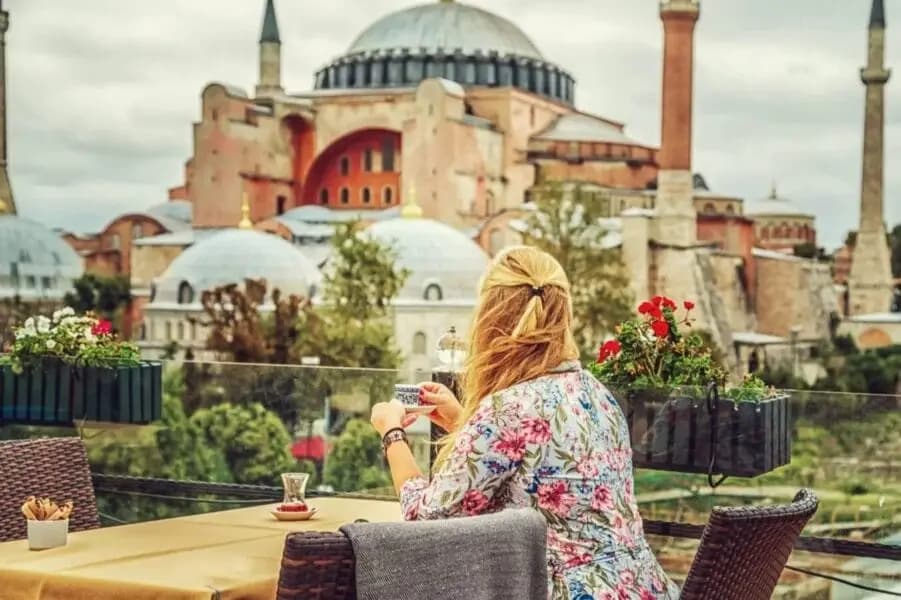
V rokoch 532 až 537 rímsky cisár Justinián Hagia Sofia. Postupne sa stala najvyššou a najväčšou katedrálou na svete. V 16. storočí ju Ottomanská ríša premenili na mešitu. V roku 1934 sa stala múzeom. V júli 2020 sa Hagia Sofia opäť stala mešitou. Podobne ako ostatné kostoly, aj návštevníci môžu navštíviť Hagia Sofiu.
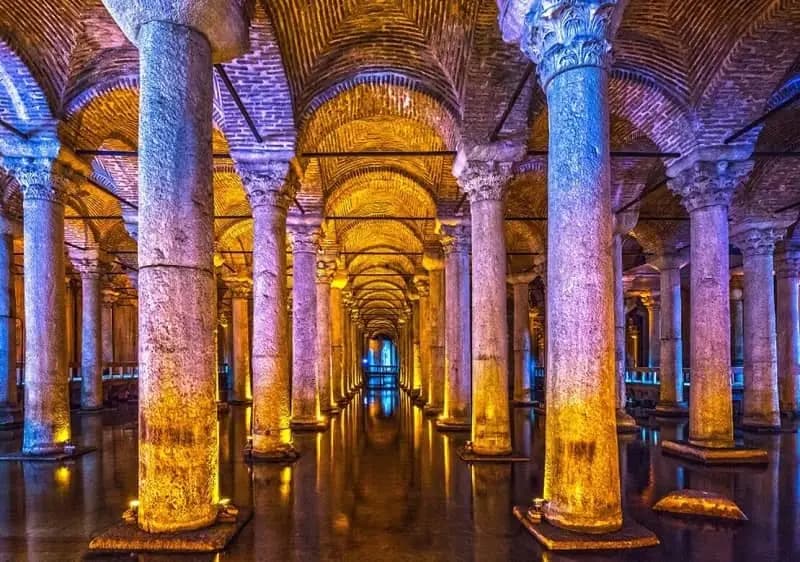
The Roman Emperor Justinian built the underground water tank close to the Hagia Sophia.
V roku 600, v Baziliková cisterna was built. The tank is about 9,800 square meters and is 138 meters long and 65 meters wide. The upside-down and right-side-up Medusa heads on marble bases are the building's most famous exhibits, instead of its columns.
Muzeum Istanbulskej archeológie has a huge collection of items from many different times and places. The museum has three main parts: the Archaeological Museum, the Museum of the Ancient Orient, and the Tiled Kiosk Museum. Artifacts from ancient cultures like Mesopotamia, Egypt, Greece, and Rome can be seen in the museum's displays.
There are figures, sarcophagi, pots, coins, and very detailed works of art in the collection. The Istanbul Archaeology Museum is a treasure trove of historical and cultural artifacts that take visitors on a fascinating trip through the region's rich past.
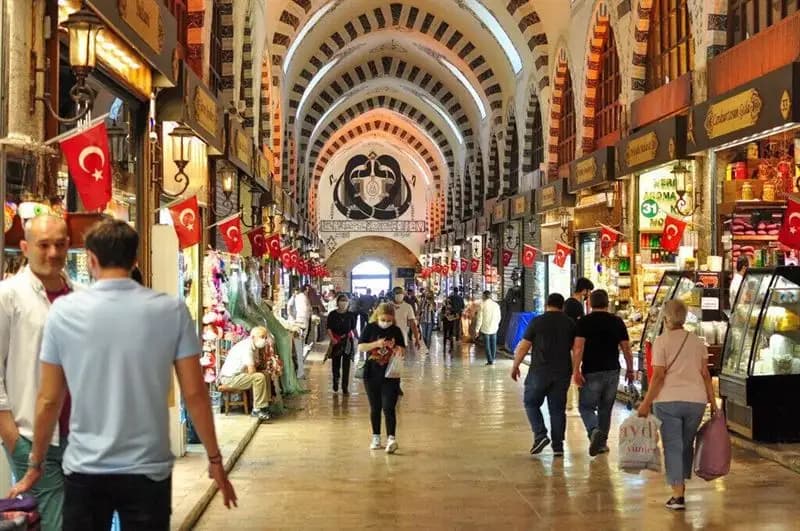
Veľký bazár je najstarším trhom na svete, ktorý bol vždy otvorený. Na 61 uliciach je viac ako 4 000 obchodov a steny ich úplne obklopujú. V 15. storočí Sultan Mehmet II. postavil Veľký bazár. Neskôr k nemu pridali aj ďalší sultáni. Váš sprievodca vám pomôže nájsť vaše obľúbené turecké umenie, ak sa opýtate.
3. deň: súkromná plavba Bosporom
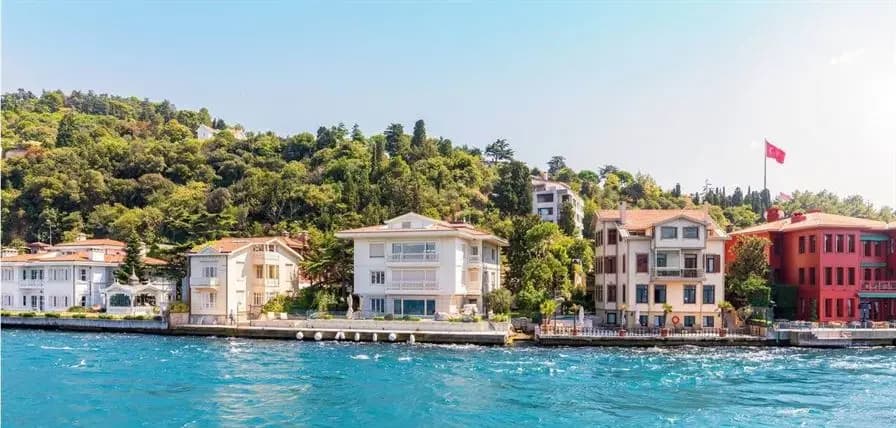
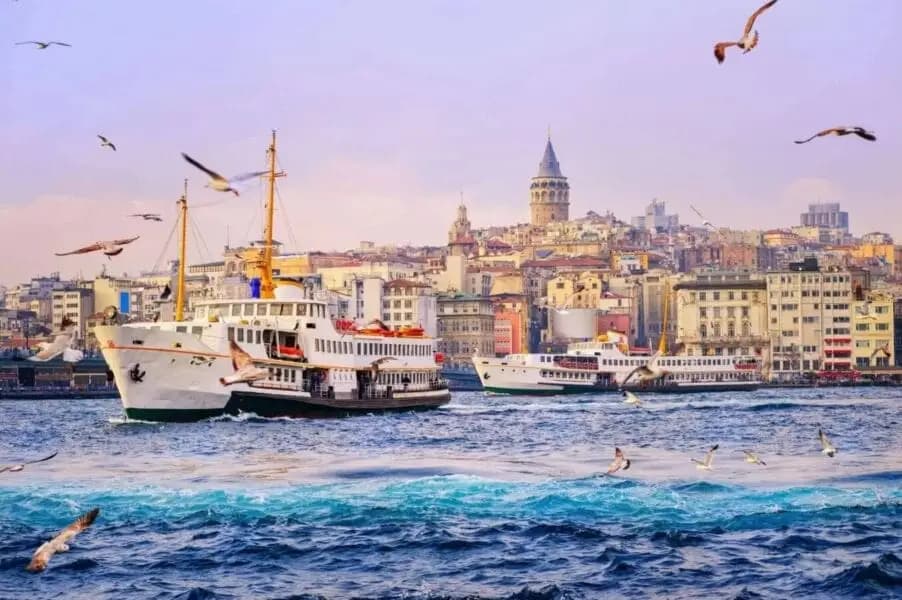
Bosporus Cruise: Prieliv medzi Čiernym morom a Marmarským morom je 32 kilometrov dlhý a rozdeľuje Istanbul na dve krajiny. Existuje veľa zaujímavých vecí, ktoré treba vidieť v mestách pozdĺž Bosporu, ako sú obrovské paláce, strediská, yali (súkromné domy) a tak ďalej.
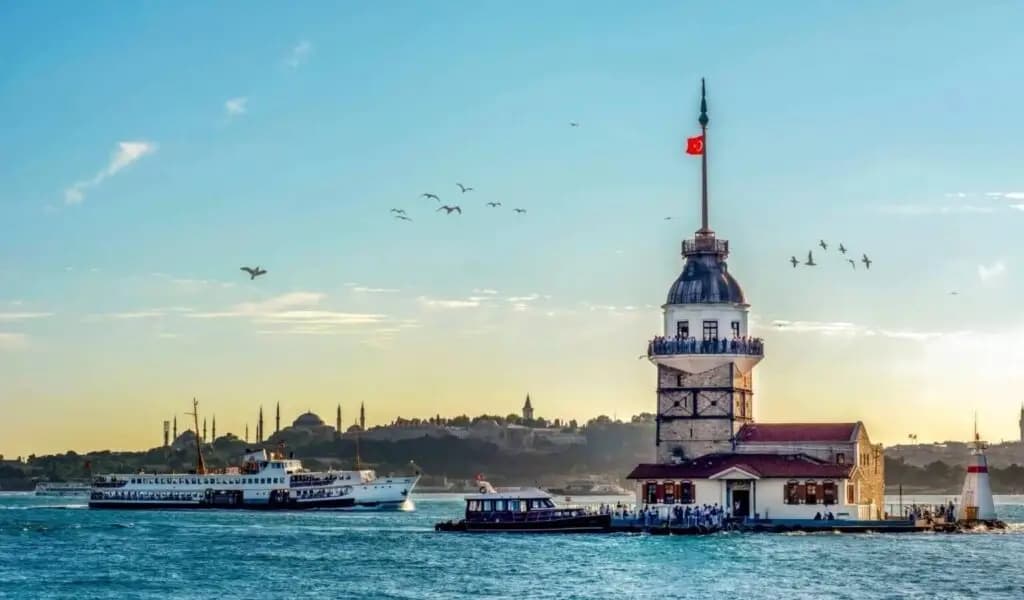
On the boat, you will see the Dolmabahce Palace, the Ortakoy Mosque, the Raan Palace, the Bosphorus Bridge, the Rumeli Fortress, the Kücüksu Palace, the Fatih Sultan Mehmet Bridge (the second bridge on the Bosphorus), and the Maiden's Tower.
Sultan Abdulmejid sa rozhodol Palác Dolmabahçe between 1843 and 1856 so that the Ottoman royal family could live there. Garabet Balyan, Nigogayos Balyan, and Evans Kalfa were all Armenian architects who built the house. The Dolmabahce Palace has 285 rooms, 6 bathrooms, and 46 halls.
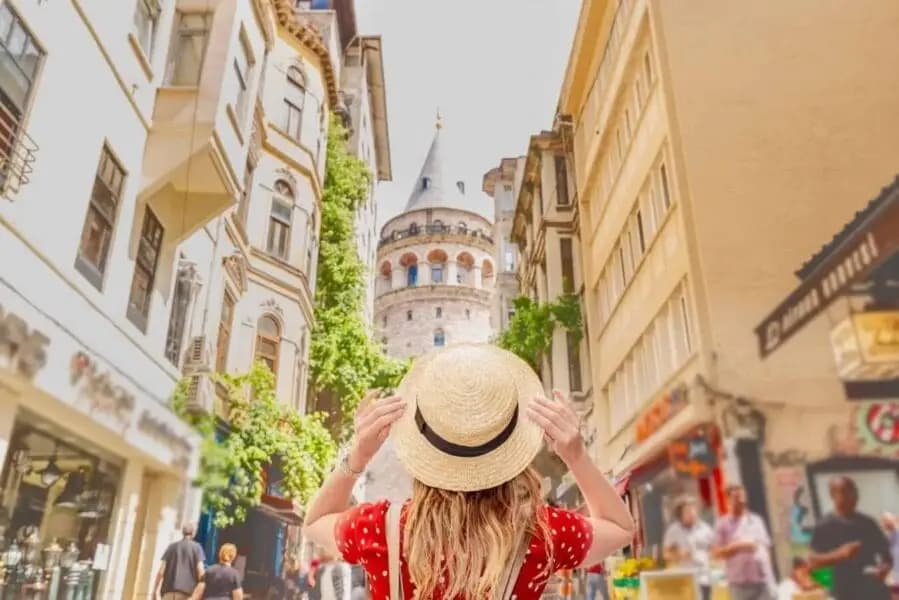
Taksim Square and Istiklal Street: For the vast majority of people who live in Istanbul, Taksim Square and Istiklal Street, which is a pedestrian-only street lined with bars and restaurants, are the city's centers. Between Taksim Square and the Galata Tower, the road goes for 1.44 km (0.87 mi).
Turhan Hatice, ktorý bol matkou sultána Mehmeda IV., postavil Bazár korenia, also known as the Spice Market, between 1660 and 1665. The market is the center of the spice trade in Istanbul. You can buy Turkish sweets, baklava, and gifts there.
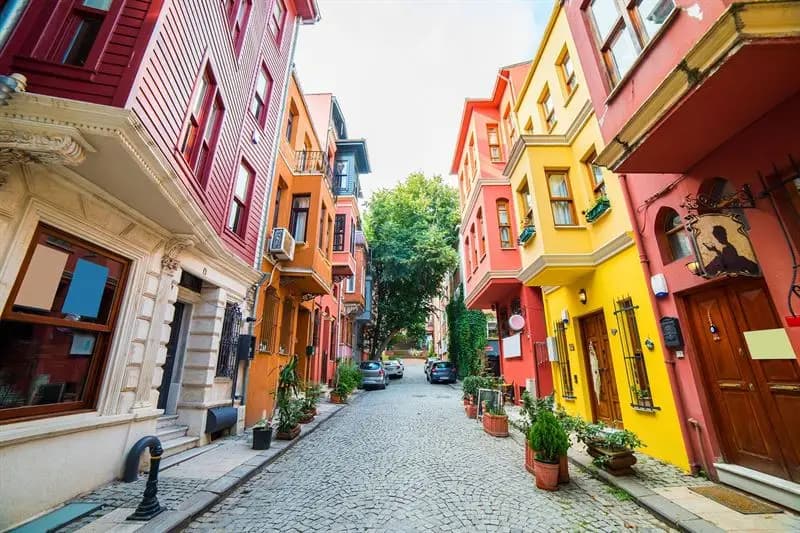
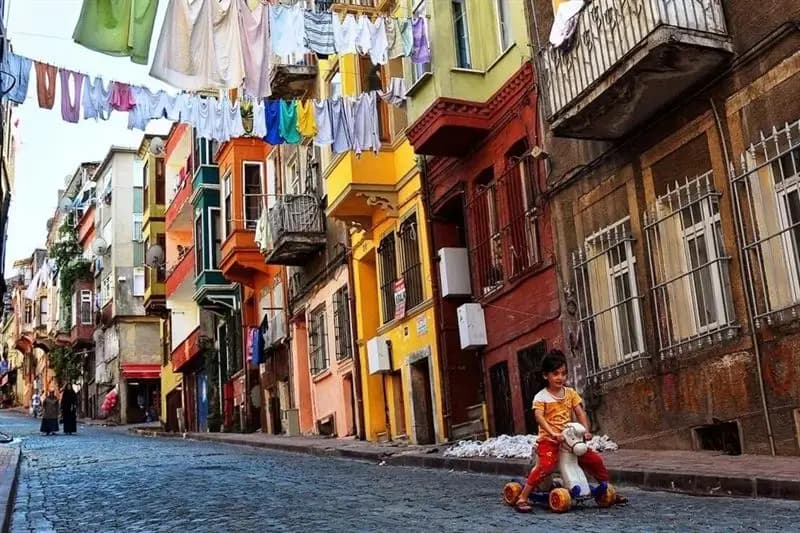
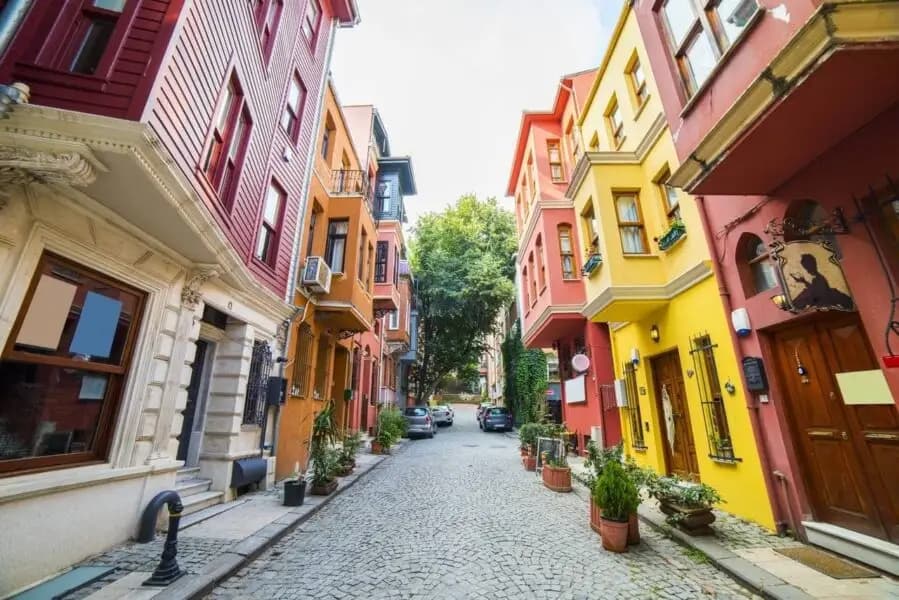
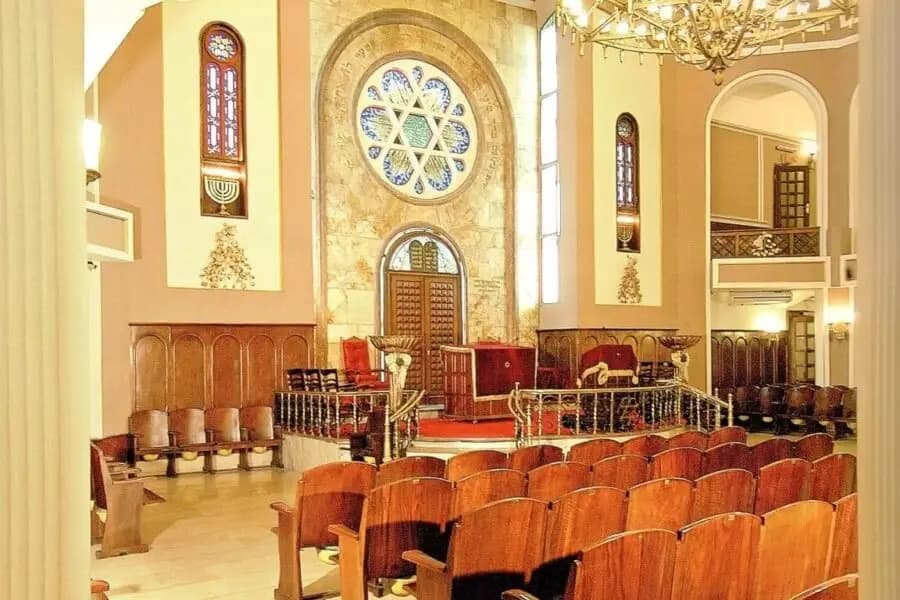
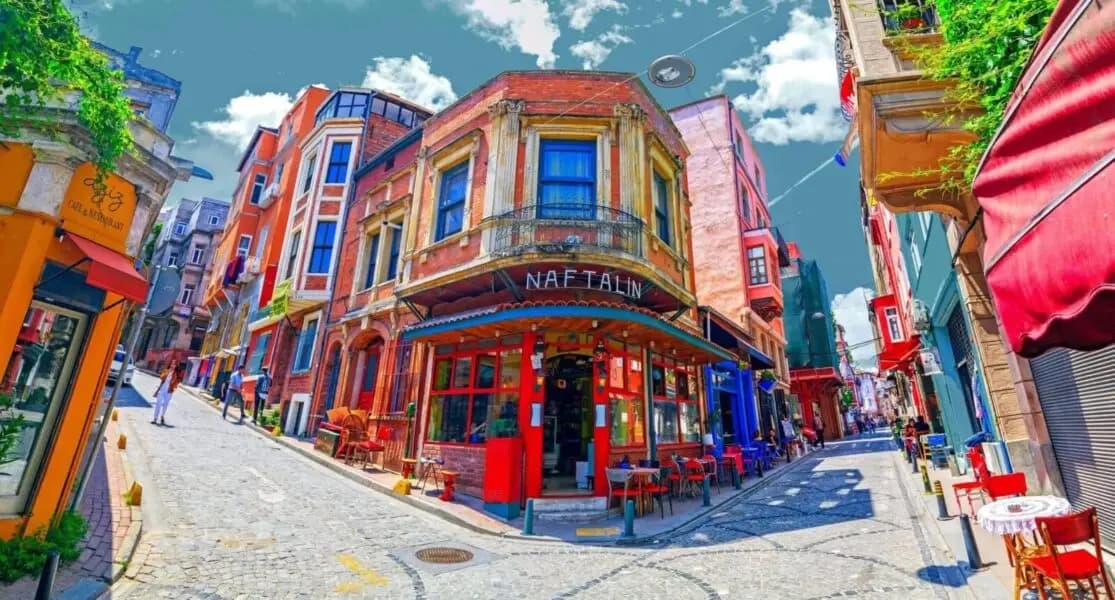
Balat a Fener are both on the ancient peninsula. These places are known for their rich cultural history and lively atmosphere. Balat and Fener are known for their small, winding streets that are lined with colorful, traditional Ottoman homes. With Greek, Jewish, and Armenian influences, these areas show how diverse Istanbul's past was. People can walk around the busy streets, go to old churches and synagogues, and learn about the lively local culture.
4. deň: Istanbul Asian Side Tour
Kadıköy is on the Asian side of Istanbul. It is thought to have been the first place people lived before the Byzantine era. One of the best places to visit in Istanbul is the famous neighborhood of Kadikoy.
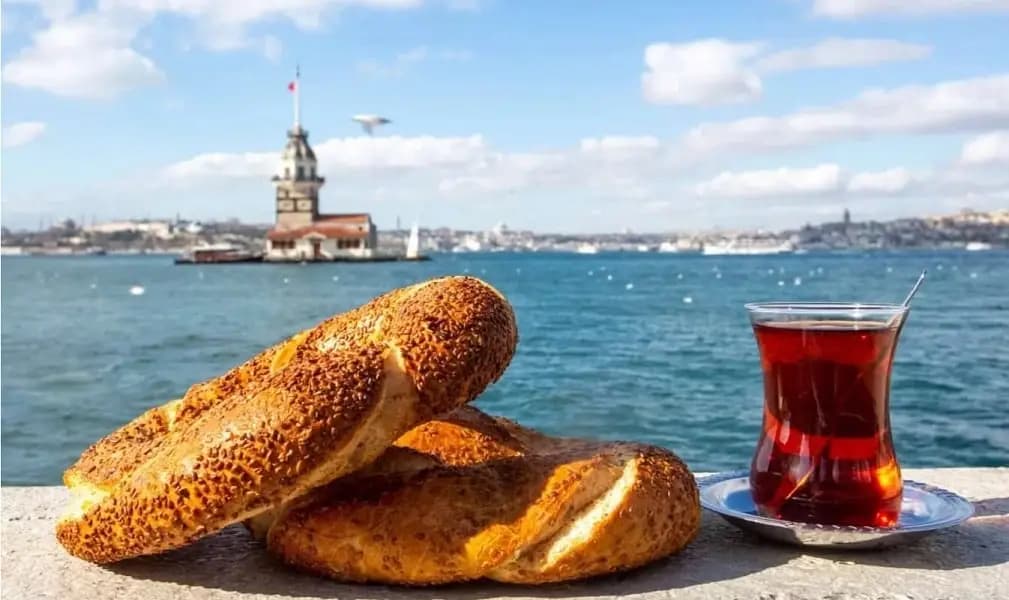
Üsküdar: This area was called Khyrsopolis in the past, which means "the golden city." Uskudar is the most historic area on the Asian side. It is known for its Ottoman mosques. The Maiden's Tower is the most famous building in the area.
Kuzguncuk: This is the first Jewish settlement in Istanbul. The exact year they moved there is not known. Reports from the 17th century say that a small group of Jews lived in Kuzguncuk. Now, Kuzguncuk is known for its colorful Turkish and Roman houses made of wood.
Bežecká is one of the most beautiful parts of Istanbul. It is close to the Bosphorus Bridge and the Beylerbeyi Palace. It is known for its shops and restaurants that serve seafood. You should sit back, drink some Turkish coffee, and enjoy the breeze from the Bosphorus.
5. deň: Bizantské a osmanské pamiatky
The Church of Saints Sergius and Bacchus, also known as "Mešita Küçük Ayasofya," is an old building in Istanbul's Old City. During the Byzantine Empire, it was built in the sixth century. It was an early example of Byzantine architecture and a forerunner to the larger Hagia Sophia.
Štruktúra má zložité stĺpy podporujúce kupolu v strede. Má tiež steny, ktoré sú vysoko zdobené a majú na nich krásne mozaiky.Dnes je to dobre známa kultúrna a architektonická pamiatka, ktorá priťahuje ľudí svojou umeleckou a historickou krásou.
Sedem veží v Istanbule, which are also called Yedikule, are a group of old fortifications in Istanbul, Turkey. During the time of the Byzantines, these towers were built as part of the city's walls to protect it. The towers were placed in a smart way to protect the land walls of Constantinople, the city of the Byzantine Empire. Over time, the towers became a sign of how strong and tough the city was. Today, people can visit these old towers and see relics from Istanbul's long past while taking in sweeping views of the city.
Staré mesto Istanbul je obklopené slávnymi Istanbul mestské hradbyByzantská ríša postavila tieto múry, ale Osmanská ríša k nim pridala a posilnila ich.Mury, ktoré boli asi 22 kilometrov dlhé, boli veľmi dôležité pri udržiavaní útočníkov mimo mesta počas histórie.
The Fatih Mosque, also called the Conqueror's Mosque, is an old and famous holy building in Istanbul's Old City. It is also known as the Conqueror's Mosque. After Sultan Mehmed II took control of Constantinople in 1453, he gave the order to build it. It was built between 1463 and 1470. The mosque is a beautiful example of an Ottoman building.
It has a big dome, elegant minarets, and a lot of intricate details on the outside. It is important not only because it is a beautiful piece of architecture but also because it is a symbol of the Ottoman Empire's victories and cultural history. The Fatih Mosque is still a respected place of worship and a popular place for tourists to come.
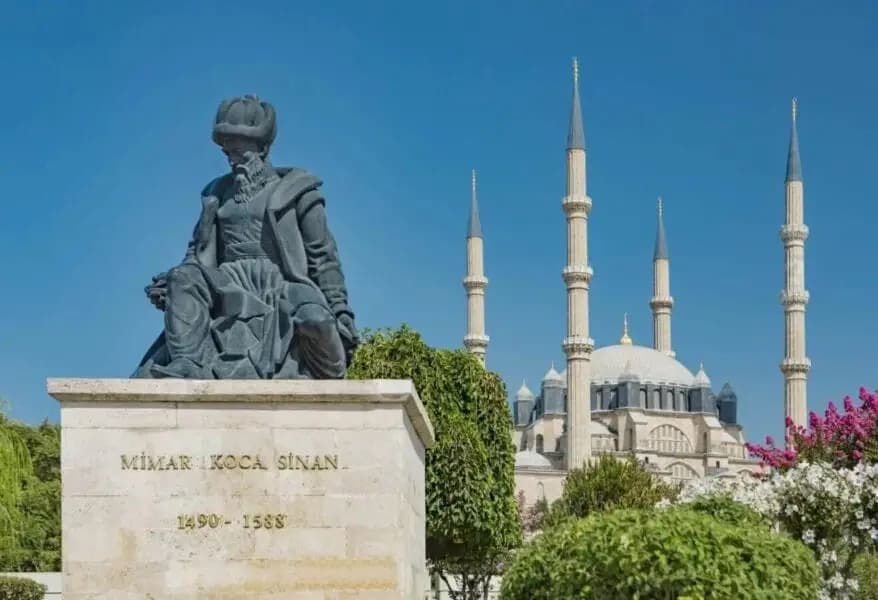
The Süleymaniye Mosque in Istanbul's Old City is a beautiful piece of architecture. Sultan Süleyman the Magnificent asked the great Ottoman architect Mimar Sinan to build it in the 1600s. The mosque is known for its grandeur and grace. It has a huge dome, tall minarets, and an intricately designed interior with beautiful calligraphy and tilework.
It is a big sign of the high quality of Islamic art and Ottoman architecture. The Süleymaniye Mosque is both a place of worship and a famous tourist spot. It shows visitors some of Istanbul's rich cultural history.
Podrobnosti o 5-dňovej prehliadke Istanbulu
Maximálny počet cestujúcich na túto prehliadku je 10. Prosím, obliekajte sa pohodlne a v bežných topánkach.
Pri 5-dňovej súkromnej prehliadke Istanbulu odporúčame, aby ste sa obliekali príležitostne a nosili pohodlné topánky.
- Odporúčame vám nosiť pohodlné oblečenie a pohodlné topánky.
- Táto prehliadka je k dispozícii každý deň.
- Palác Topkapı je zatvorený v utorky.
- Veľký bazár je v nedeľu zatvorený.
- The Dolmabahce Palace is closed on Mondays.
Stretnutie bod
V tvojom hoteli
Stretnutie času
Dohodli sa pred
Cena zahŕňa
- Súkromný profesionálny sprievodca
- Verejná doprava v 1. a 2. deň
- Súkromný van na 3., 4. a 5. deň
Cena vylúčená
- Jedlá a nápoje
- Vstupné uvedené v itinerári
- Private Van on the 1st and 2nd day ( You can ask additionally. Price is 240 USD for full-day rental)