Visite privée de 5 jours à Istanbul
Tour privé de 5 jours à Istanbul
Jour 1 : Tour de la vieille ville d’Istanbul, partie 1
L'hippodrome de ConstantinopleDans une arène en forme de U, 100 000 personnes assistent à une course de chevaux ancienne. Seuls l'obélisque égyptien, la colonne de la Vipère et les colonnes de Constantin subsistent encore. Les sièges, les murs et la plupart des éléments restants ont été détruits.
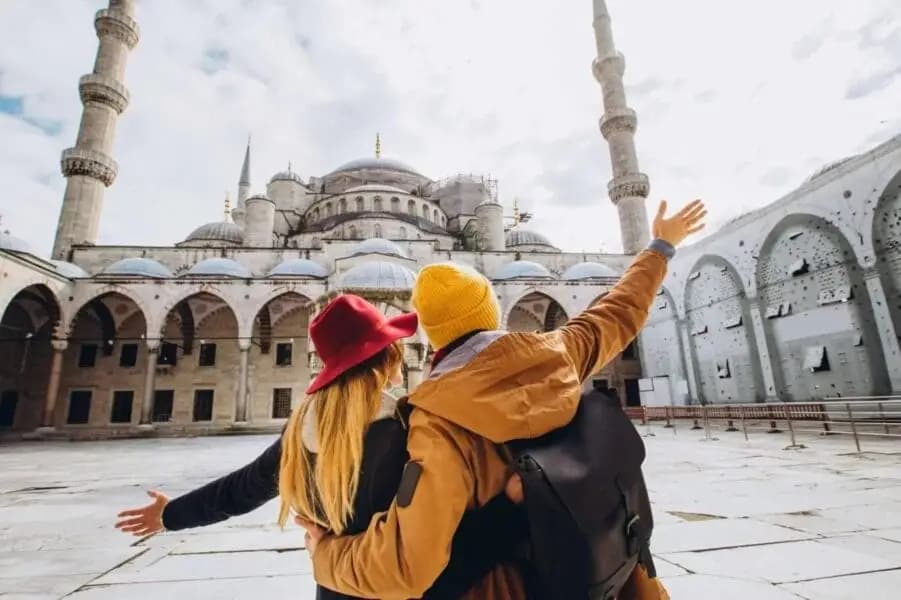
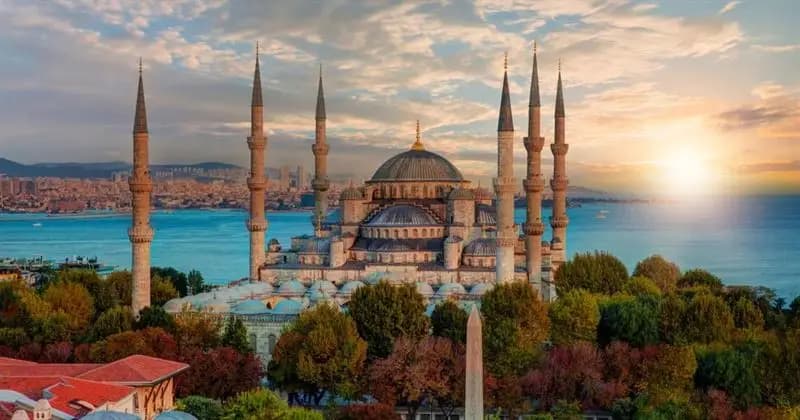
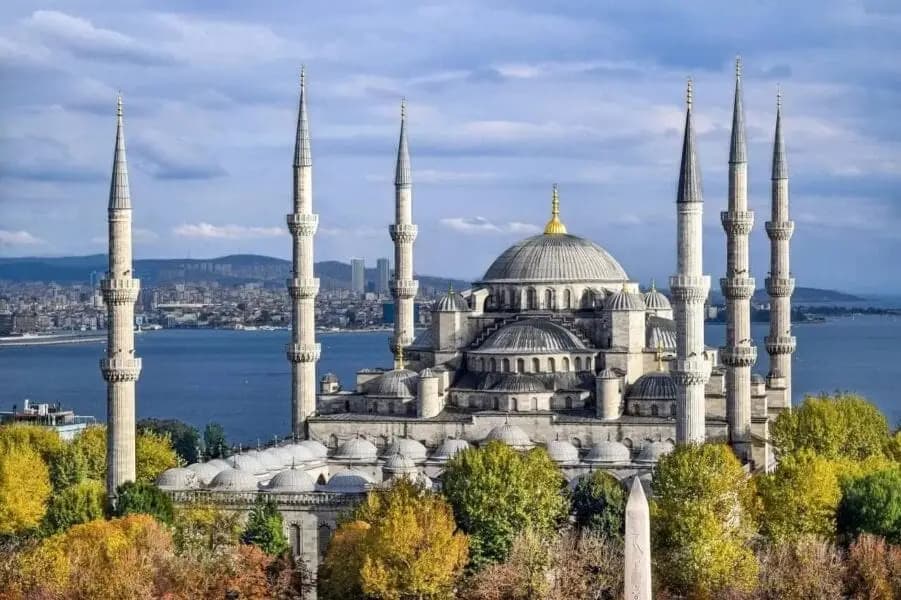
Entre 1609 et 1616, le sultan Ahmed construisit la Mosquée bleueAu cours de l'Empire ottoman, il s'agissait d'une mosquée royale. Elle est appelée la "Mosquée bleue", mais les touristes lui ont donné ce nom en raison des carreaux bleus à l'intérieur.
Le musée de la mosaïque d'Istanbul Il a une incroyable collection de carreaux romains, dont la plupart datent du 4ème au 6ème siècle. Le musée se trouve dans le Grand Palais de Constantinople, ce qui donne aux touristes une chance unique de voir à quel point ces œuvres d'art mosaïques ont été faites.
Le musée d’art islamique Istanbul a une merveilleuse collection d'art islamique et d'objets de nombreux lieux et époques différentes.Il y a beaucoup de différents types d'art à l'exposition au musée, tels que les textes illuminés, la calligraphie, la céramique, les textiles, le métal et l'art du bois.
Visitors can look at the beautiful craftsmanship and intricate details of these works, which show off the Islamic world's rich cultural history. The Istanbul Islamic Art Museum gives a fascinating look at how Islamic society has contributed to art and culture throughout history.
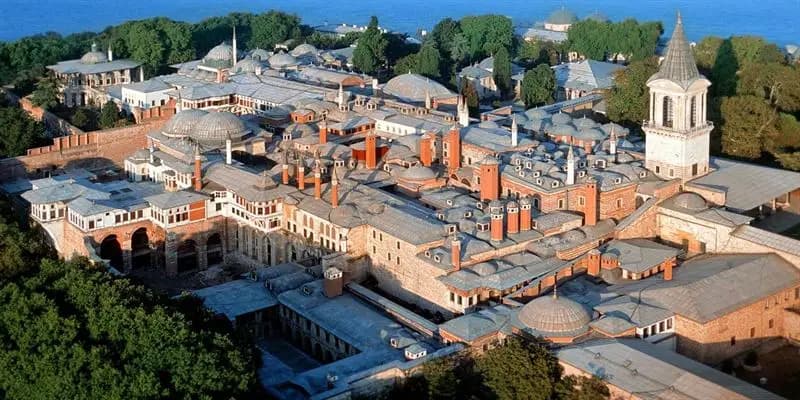
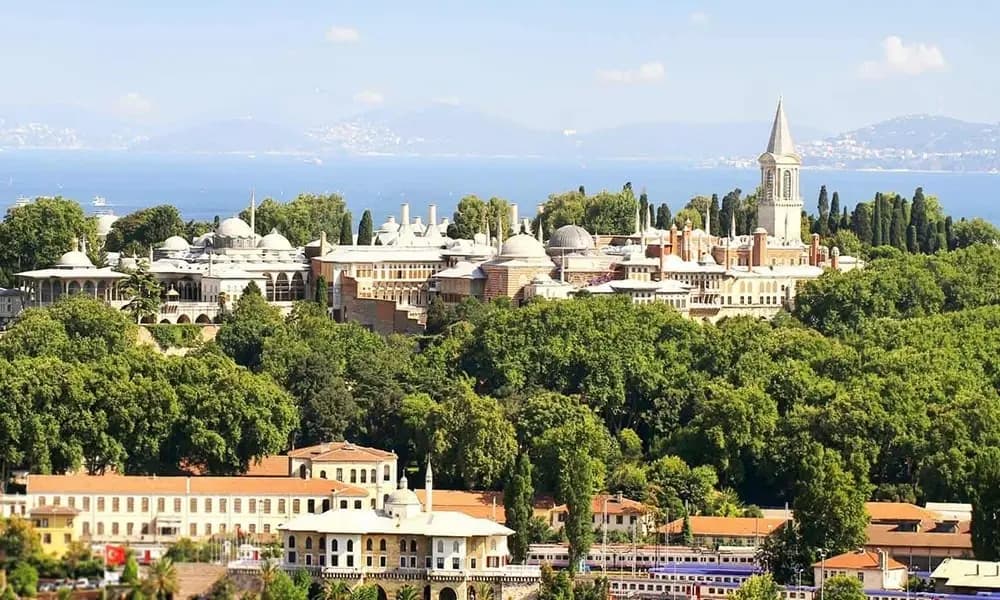
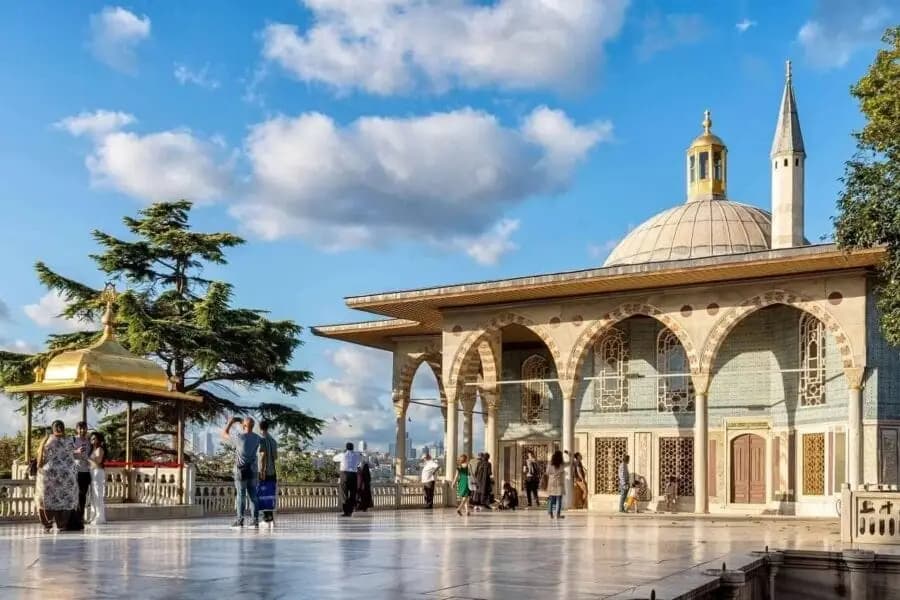
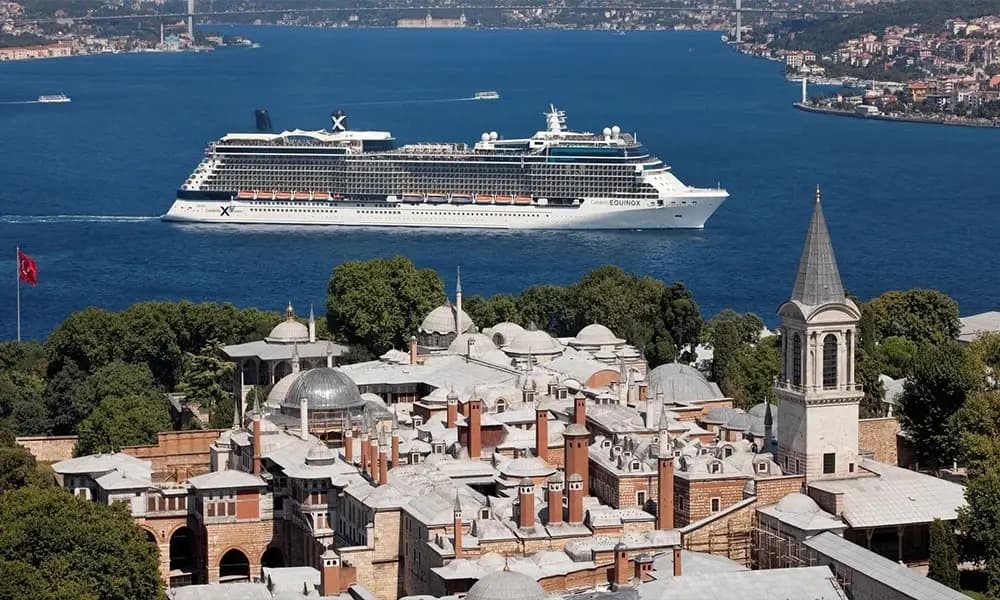
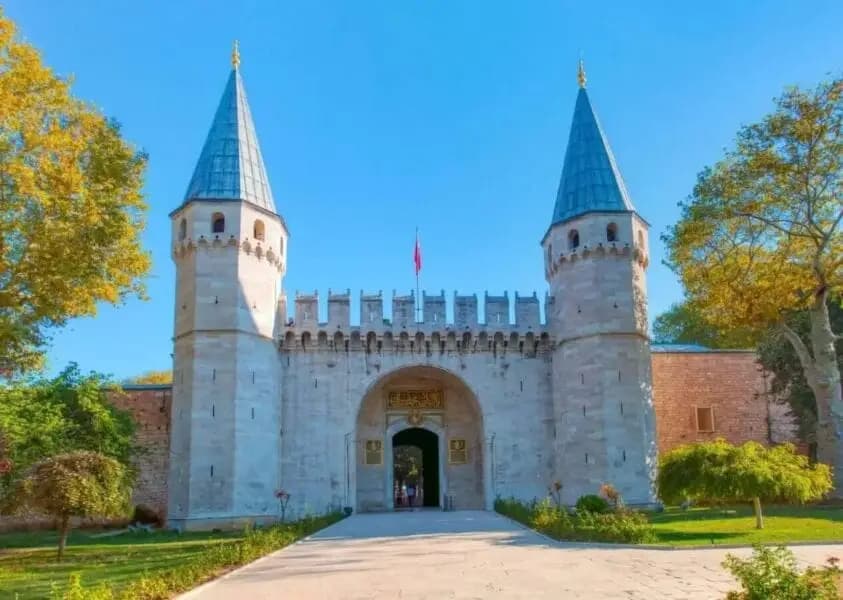
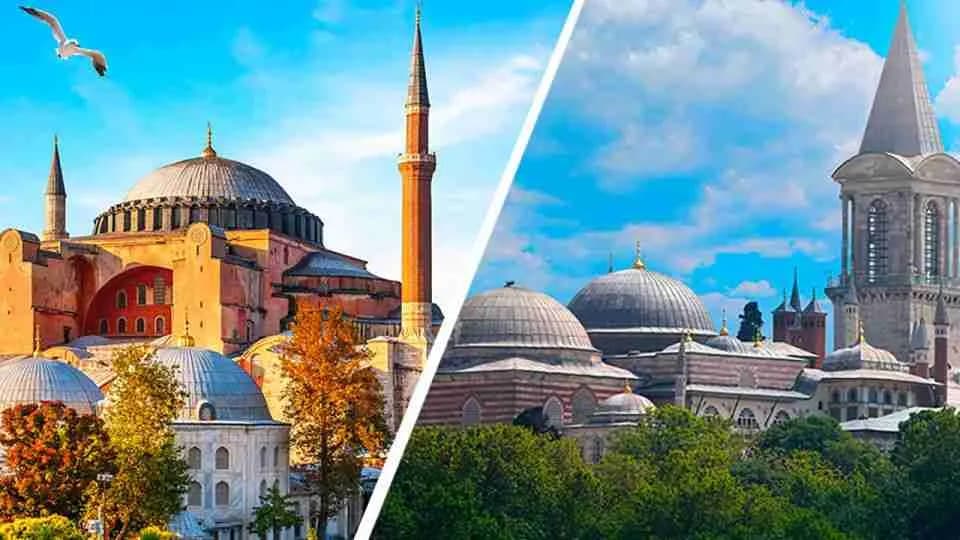
Le palais de Topkapı C'était autrefois le centre du pouvoir et de la vie de l'Empire ottoman. Au XVe siècle, le sultan Mehmed II a fait construire ce palais. Il est ensuite devenu le centre du gouvernement de l'Empire ottoman. Depuis 1924, il est utilisé comme musée.
Jour 2 : La vieille ville d’Istanbul, partie 2
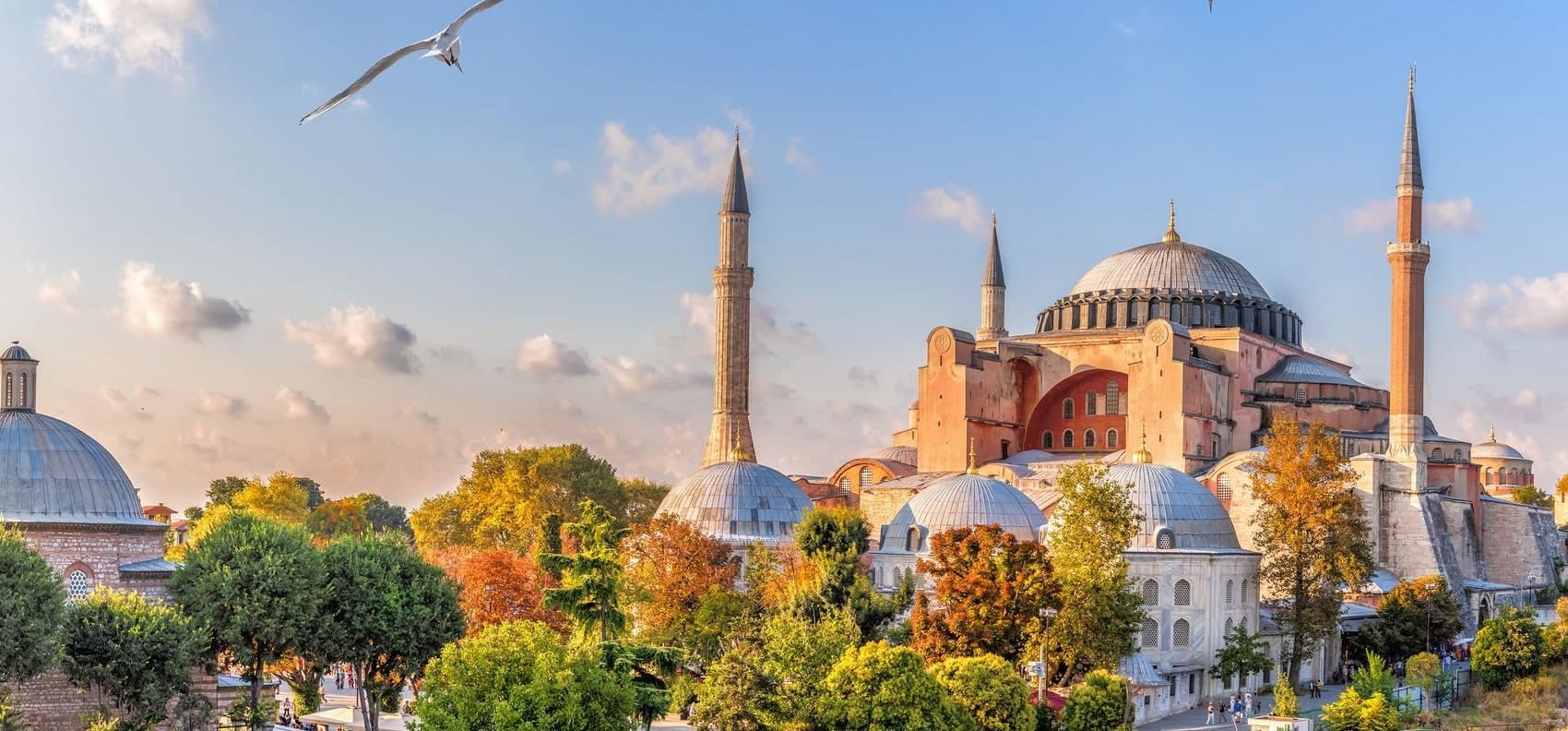
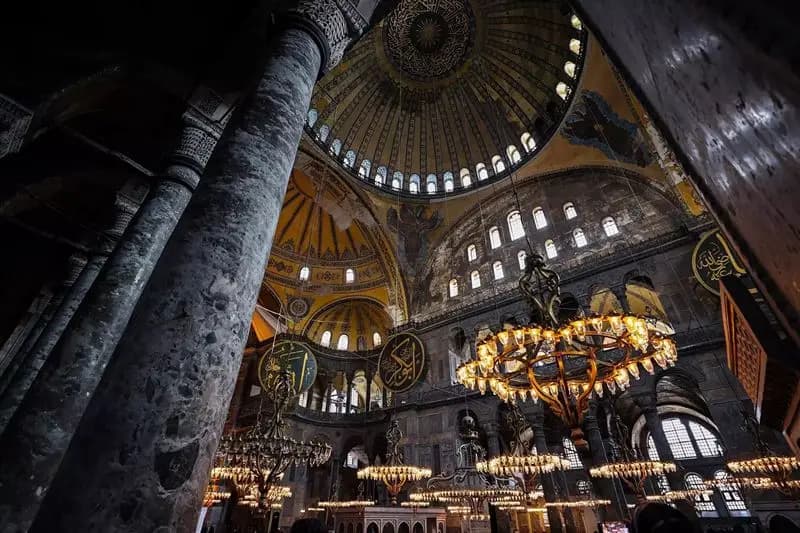
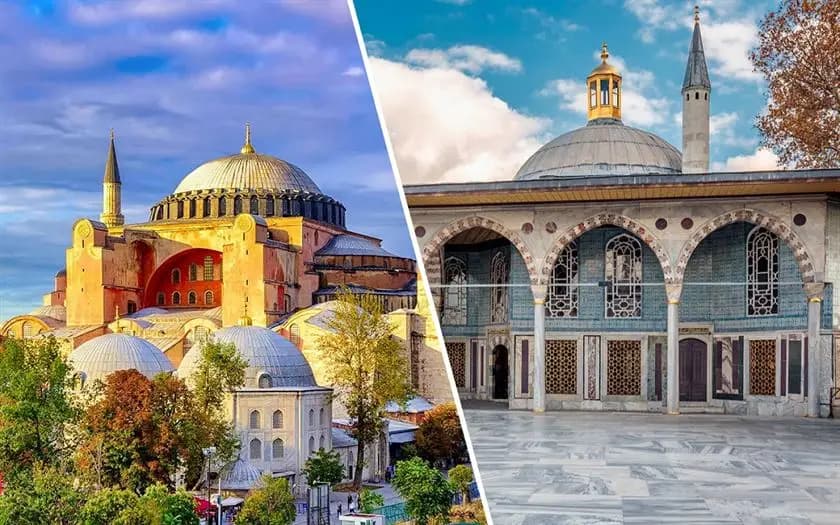
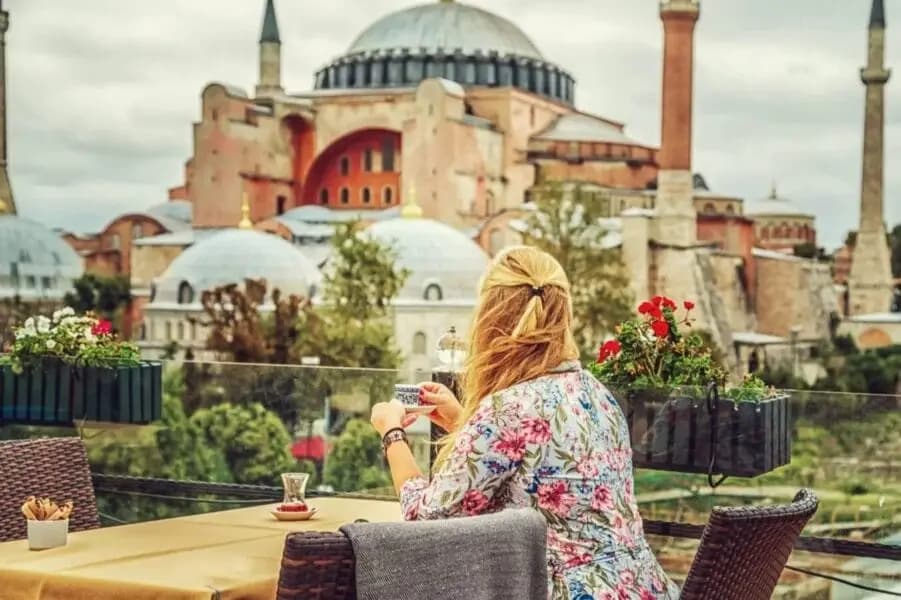
Entre 532 et 537, Justinien, empereur romain, construisit Sainte-SophieElle est devenue la plus grande et la plus haute église du monde. Au XVIe siècle, les Ottomans ont transformé l'église en mosquée. En 1934, elle est devenue un musée. En juillet 2020, la Sainte-Sophie a cessé d'être un musée et est redevenue une mosquée. Comme les autres églises, les touristes peuvent visiter la Sainte-Sophie.
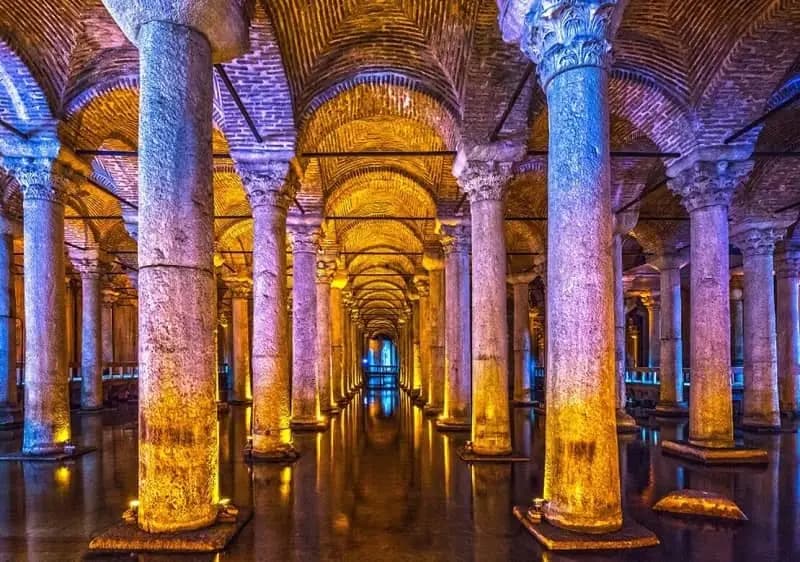
The Roman Emperor Justinian built the underground water tank close to the Hagia Sophia.
En l’an 600, la Citerne Basilique was built. The tank is about 9,800 square meters and is 138 meters long and 65 meters wide. The upside-down and right-side-up Medusa heads on marble bases are the building's most famous exhibits, instead of its columns.
Les musées archéologiques d'Istanbul has a huge collection of items from many different times and places. The museum has three main parts: the Archaeological Museum, the Museum of the Ancient Orient, and the Tiled Kiosk Museum. Artifacts from ancient cultures like Mesopotamia, Egypt, Greece, and Rome can be seen in the museum's displays.
There are figures, sarcophagi, pots, coins, and very detailed works of art in the collection. The Istanbul Archaeology Museum is a treasure trove of historical and cultural artifacts that take visitors on a fascinating trip through the region's rich past.
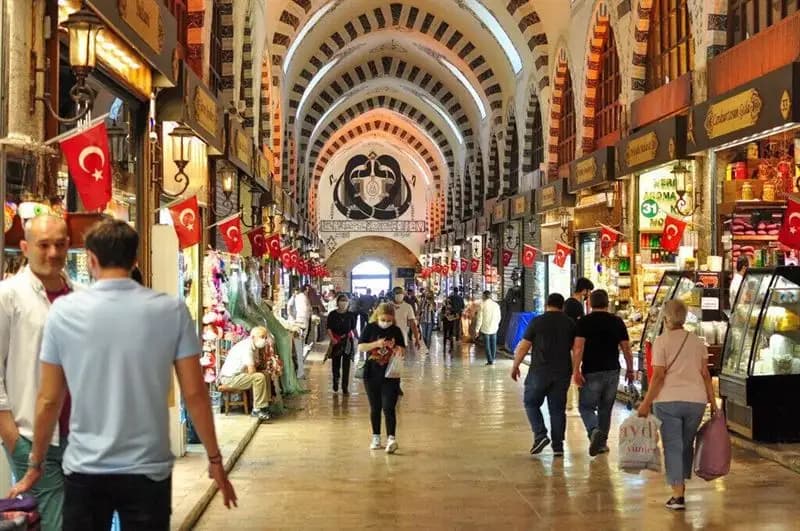
Le Grand Bazar is the oldest market in the world that has always been open. There are more than 4,000 stores on 61 streets, and walls completely encircle them. In the 15th century, Sultan Mehmet II built the Grand Bazaar. Later, other sultans added to it. Your guide will be more than happy to help you find your favorite piece of Turkish art if you ask.
Jour 3 : Visite guidée du Bosphore
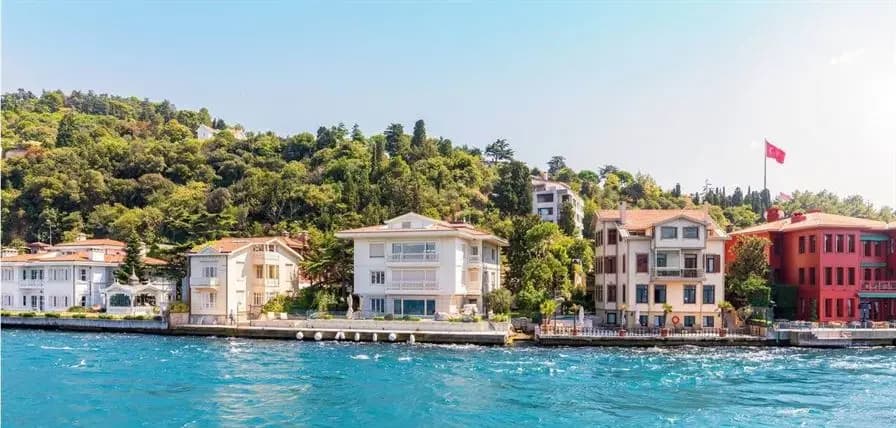
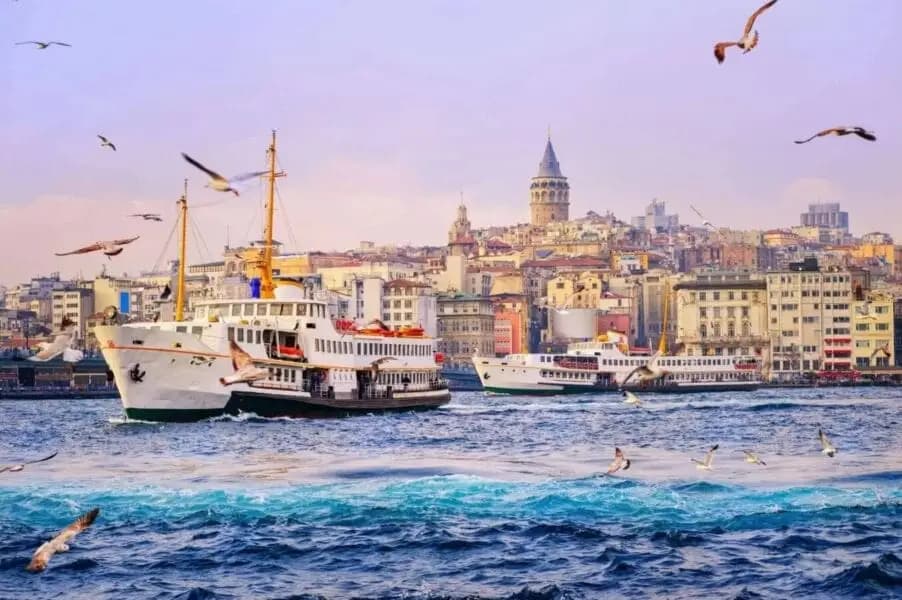
Croisière Bosphore: Le détroit entre la mer Noire et la mer de Marmara est de 32 kilomètres de long, et il divise Istanbul en deux pays.Il y a beaucoup de choses intéressantes à voir dans les villes le long du Bosphore, comme les grands palais, les stations balnéaires, yali (maison privée), et ainsi de suite.
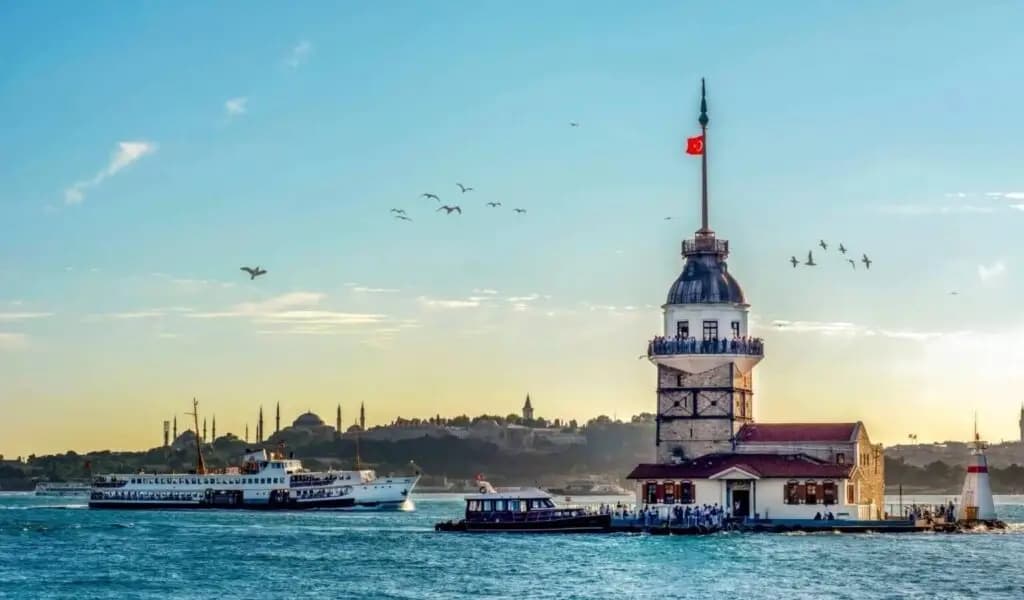
On the boat, you will see the Dolmabahce Palace, the Ortakoy Mosque, the Raan Palace, the Bosphorus Bridge, the Rumeli Fortress, the Kücüksu Palace, the Fatih Sultan Mehmet Bridge (the second bridge on the Bosphorus), and the Maiden's Tower.
Le sultan Abdulmejid a construit la Palais de Dolmabahçe between 1843 and 1856 so that the Ottoman royal family could live there. Garabet Balyan, Nigogayos Balyan, and Evans Kalfa were all Armenian architects who built the house. The Dolmabahce Palace has 285 rooms, 6 bathrooms, and 46 halls.
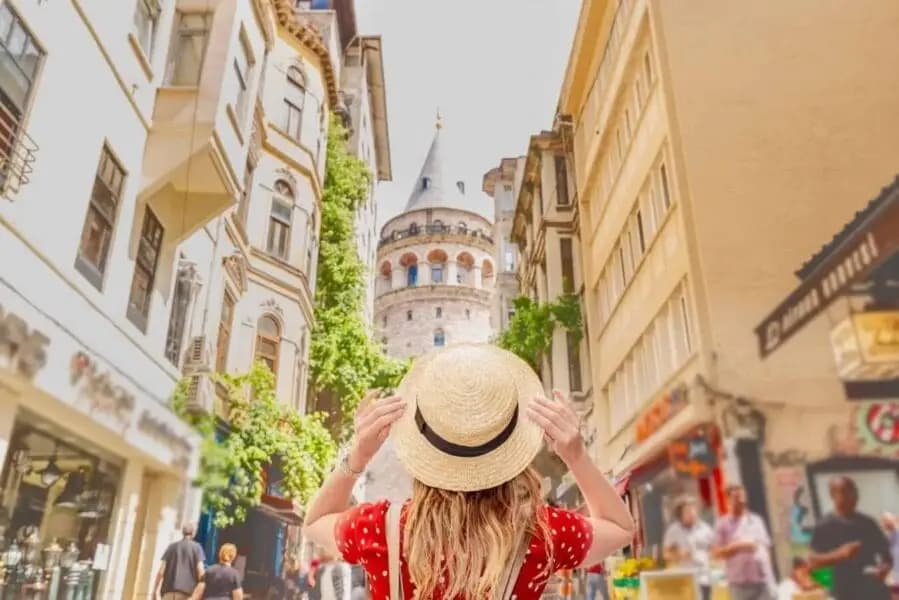
Taksim Square and Istiklal Street: For the vast majority of people who live in Istanbul, Taksim Square and Istiklal Street, which is a pedestrian-only street lined with bars and restaurants, are the city's centers. Between Taksim Square and the Galata Tower, the road goes for 1.44 km (0.87 mi).
Turhan Hatice, qui était la mère du sultan Mehmed IV, construisit la Bazar aux épices, also known as the Spice Market, between 1660 and 1665. The market is the center of the spice trade in Istanbul. You can buy Turkish sweets, baklava, and gifts there.
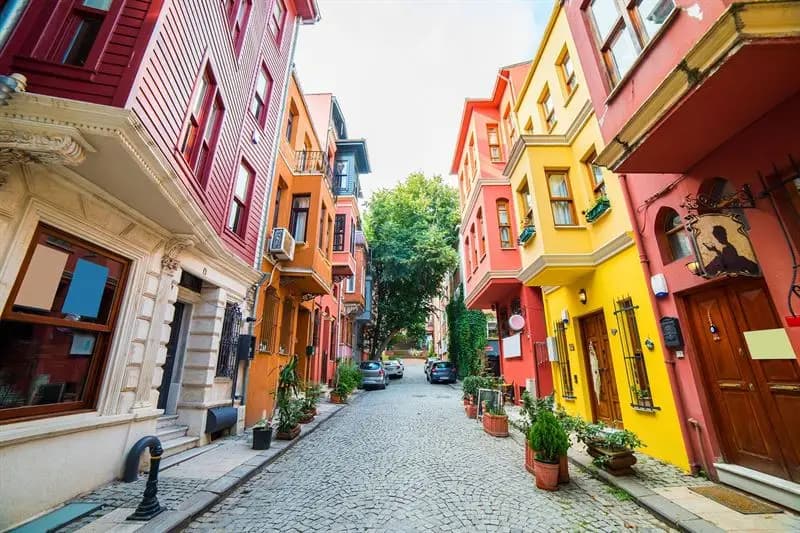
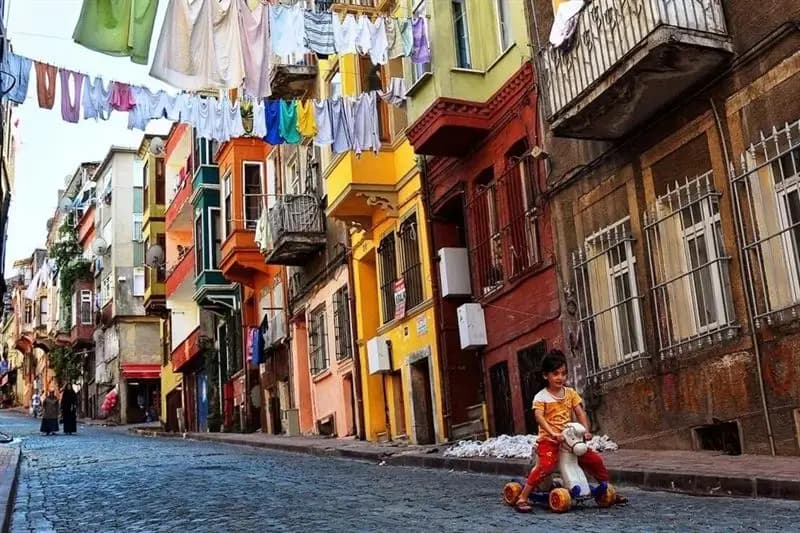
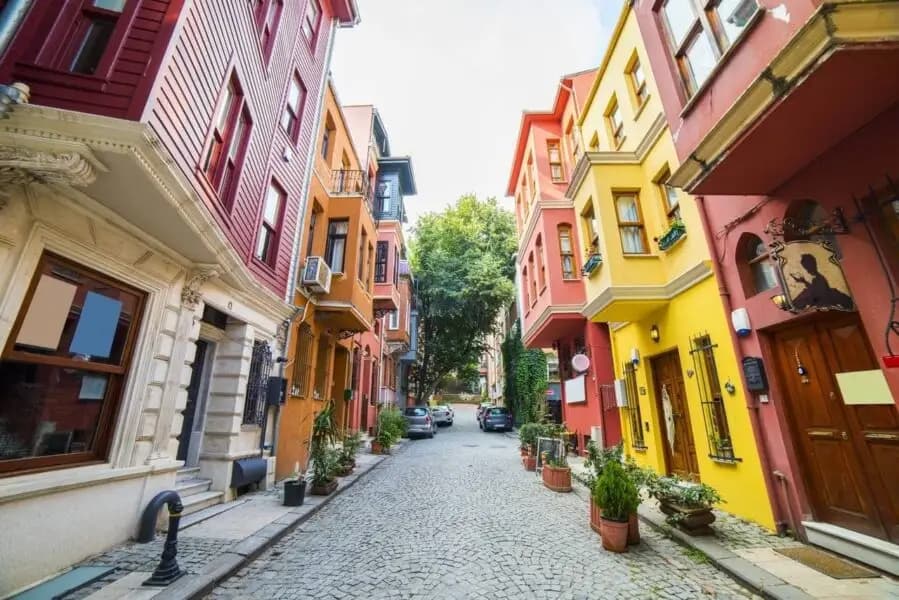
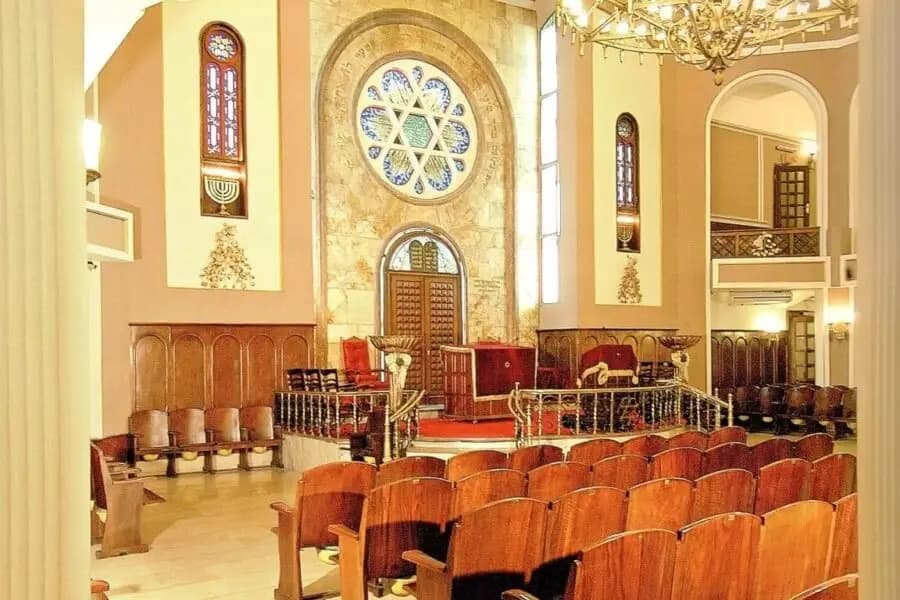
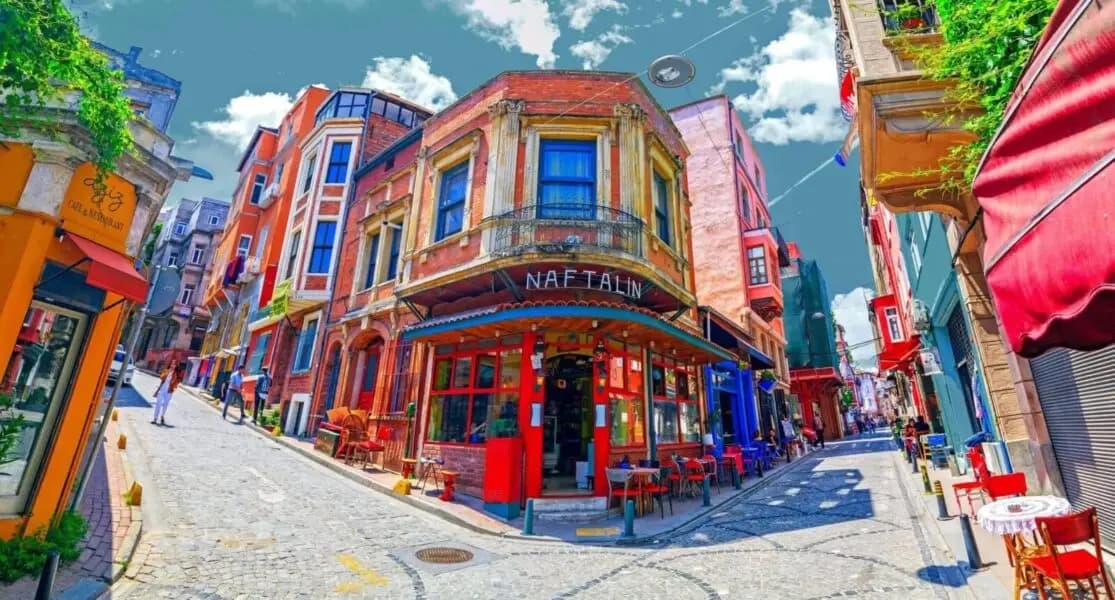
Balat et Fener are both on the ancient peninsula. These places are known for their rich cultural history and lively atmosphere. Balat and Fener are known for their small, winding streets that are lined with colorful, traditional Ottoman homes. With Greek, Jewish, and Armenian influences, these areas show how diverse Istanbul's past was. People can walk around the busy streets, go to old churches and synagogues, and learn about the lively local culture.
Jour 4 : Tour de l'Asie d'Istanbul
Kadıköy is on the Asian side of Istanbul. It is thought to have been the first place people lived before the Byzantine era. One of the best places to visit in Istanbul is the famous neighborhood of Kadikoy.
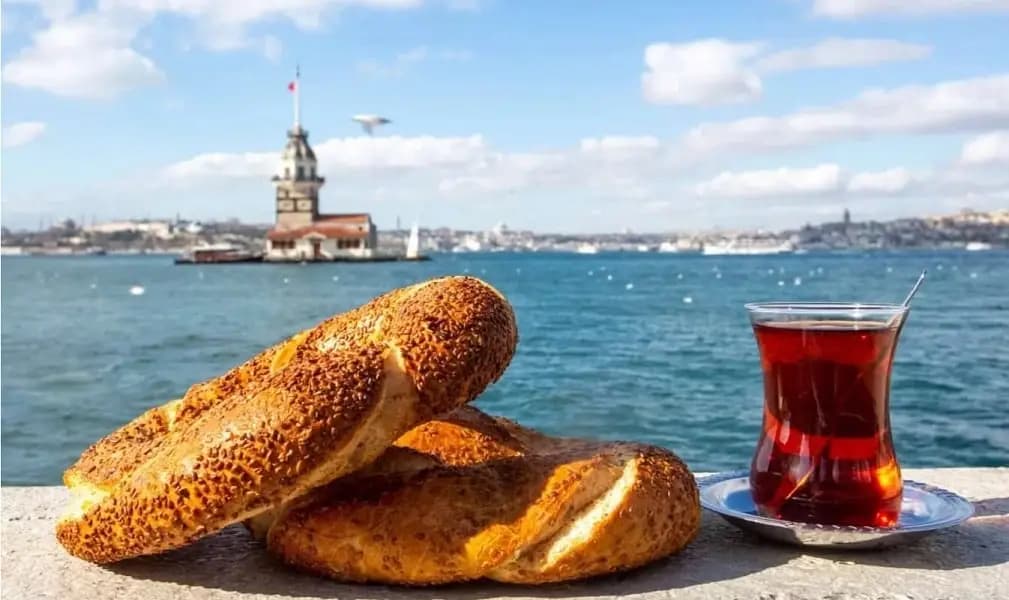
Üsküdar: This area was called Khyrsopolis in the past, which means "the golden city." Uskudar is the most historic area on the Asian side. It is known for its Ottoman mosques. The Maiden's Tower is the most famous building in the area.
KuzguncukC'est le premier établissement juif à Istanbul.L'année exacte où ils se sont installés n'est pas connue.Les rapports du 17ème siècle disent qu'un petit groupe de Juifs vivait à Kuzguncuk.Maintenant, Kuzguncuk est connu pour ses maisons colorées turques et romaines en bois.
Beaumont is one of the most beautiful parts of Istanbul. It is close to the Bosphorus Bridge and the Beylerbeyi Palace. It is known for its shops and restaurants that serve seafood. You should sit back, drink some Turkish coffee, and enjoy the breeze from the Bosphorus.
Jour 5 : Visite du patrimoine byzantin et ottoman
The Church of Saints Sergius and Bacchus, also known as "Mosquée de Küçük Ayasofya," is an old building in Istanbul's Old City. During the Byzantine Empire, it was built in the sixth century. It was an early example of Byzantine architecture and a forerunner to the larger Hagia Sophia.
La structure a des colonnes complexes soutenant une coupole au centre. Il a également des murs qui sont hautement décorés et ont de belles mosaïques sur eux.
Les sept tours d'Istanbul, which are also called Yedikule, are a group of old fortifications in Istanbul, Turkey. During the time of the Byzantines, these towers were built as part of the city's walls to protect it. The towers were placed in a smart way to protect the land walls of Constantinople, the city of the Byzantine Empire. Over time, the towers became a sign of how strong and tough the city was. Today, people can visit these old towers and see relics from Istanbul's long past while taking in sweeping views of the city.
La vieille ville d'Istanbul est entourée de célèbres Murs de la ville d'IstanbulL'Empire byzantin construisit ces murs, mais l'Empire ottoman les ajouta et les rendit plus forts.Les murs, qui étaient d'environ 22 kilomètres de long, étaient très importants pour garder les envahisseurs hors de la ville tout au long de l'histoire.
The Fatih Mosque, also called the Conqueror's Mosque, is an old and famous holy building in Istanbul's Old City. It is also known as the Conqueror's Mosque. After Sultan Mehmed II took control of Constantinople in 1453, he gave the order to build it. It was built between 1463 and 1470. The mosque is a beautiful example of an Ottoman building.
It has a big dome, elegant minarets, and a lot of intricate details on the outside. It is important not only because it is a beautiful piece of architecture but also because it is a symbol of the Ottoman Empire's victories and cultural history. The Fatih Mosque is still a respected place of worship and a popular place for tourists to come.
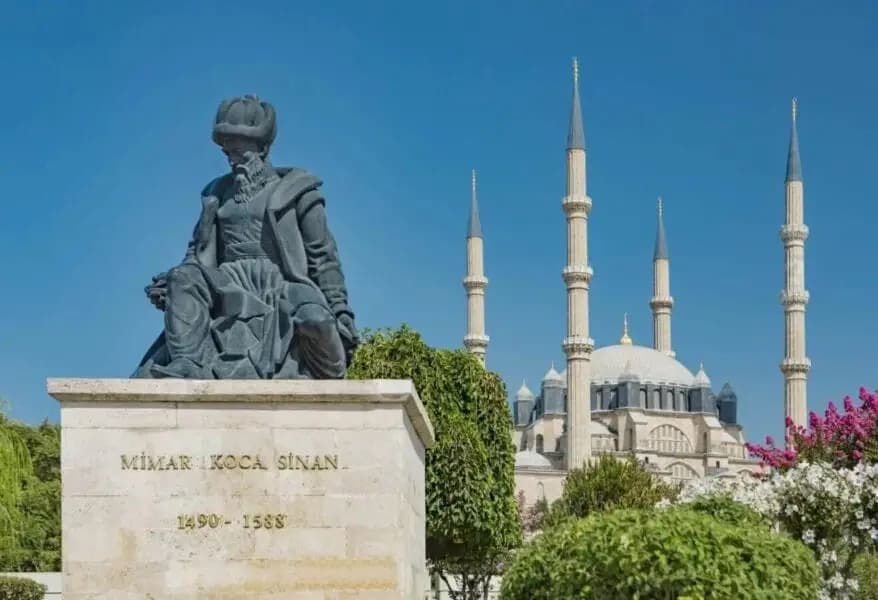
The Süleymaniye Mosque in Istanbul's Old City is a beautiful piece of architecture. Sultan Süleyman the Magnificent asked the great Ottoman architect Mimar Sinan to build it in the 1600s. The mosque is known for its grandeur and grace. It has a huge dome, tall minarets, and an intricately designed interior with beautiful calligraphy and tilework.
It is a big sign of the high quality of Islamic art and Ottoman architecture. The Süleymaniye Mosque is both a place of worship and a famous tourist spot. It shows visitors some of Istanbul's rich cultural history.
Détails d'une visite de 5 jours d'Istanbul
Le nombre maximum de passagers pour ce tour est de 10.Veuillez vous habiller confortablement et en chaussures de type casual.
Pour la visite privée de 5 jours d’Istanbul, nous vous recommandons de vous habiller au hasard et de porter des chaussures confortables.
- Nous vous recommandons de porter des vêtements de nuit et des chaussures confortables.
- Cette visite est disponible tous les jours.
- Le palais de Topkapı est fermé les mardis.
- Le Grand Bazar est fermé les dimanches.
- The Dolmabahce Palace is closed on Mondays.
Point de rencontre
Dans votre hôtel
Le temps de la rencontre
convenu avant
Prix inclus
- Guide de voyage professionnel
- Transports en commun le 1er et 2ème jour
- Van privé le 3ème, 4ème et 5ème jour
Prix exclusif
- repas et boissons
- Les frais d’entrée mentionnés dans l’itinéraire
- Private Van on the 1st and 2nd day ( You can ask additionally. Price is 240 USD for full-day rental)