5 napos privát turné Isztambulban
5 napos privát turné Isztambulban
1. nap: Isztambul óvárosának túra, 1. rész
Konstatinápolyi lóverseny-pályaEgy U-alakú arénában 100 000 ember nézi meg egy régi lóverseny versenyt. A Konstantinápolyi hippodrom egyetlen fennmaradt része a görög obeliszk, a kígyósoszlop és a Konstantinososzlop. A ülőhelyek, a falak és a többi maradvány már elpusztult.
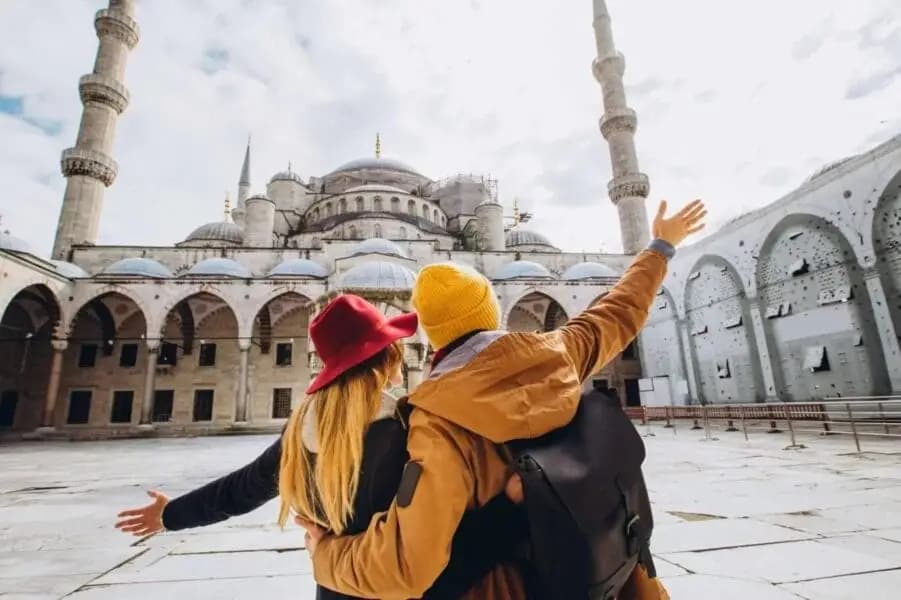
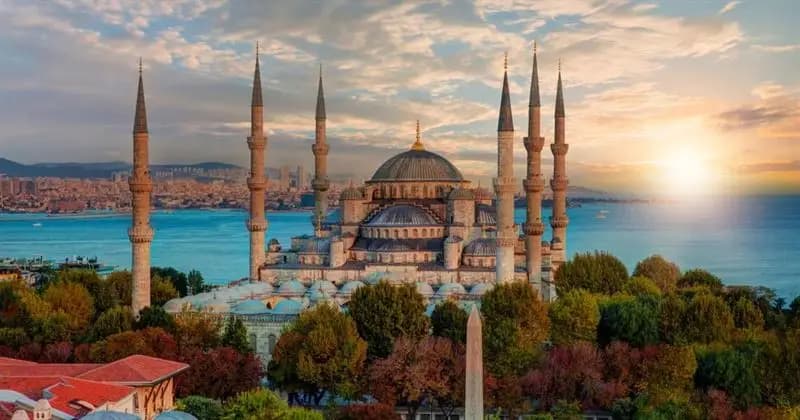
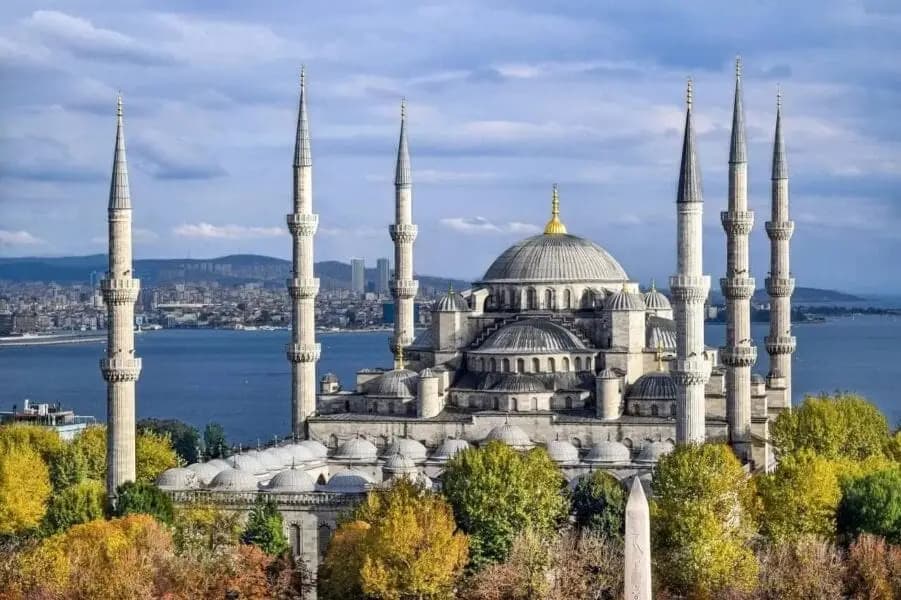
1609 és 1616 között Ahmed szultán építette a Kék mecsetAz Oszmán Birodalom idején egy királyi mecset volt. Bár hivatalosan "Kék mecset" néven ismert, a turisták a belső, kék csempék miatt ezt a nevet adták neki.
Isztambul Mosaic Múzeum van egy csodálatos gyűjteménye római csempe, amelyek többsége a 4. és 6. században. A múzeum található a Nagy Konstantinápolyi Palota, amely a turisták számára egy egyedülálló lehetőséget, hogy milyen bonyolult ezeket a mozaik műalkotások készült.
Iszlám Művészeti Múzeum Isztambulban van egy csodálatos gyűjteménye az iszlám művészet és tárgyak sok különböző helyek és idők. Sok különböző művészeti kiállítás a múzeumban, mint például megvilágított szövegek, calligraphy, kerámia, textil, fémmunkák, és a fa művészet.
Visitors can look at the beautiful craftsmanship and intricate details of these works, which show off the Islamic world's rich cultural history. The Istanbul Islamic Art Museum gives a fascinating look at how Islamic society has contributed to art and culture throughout history.
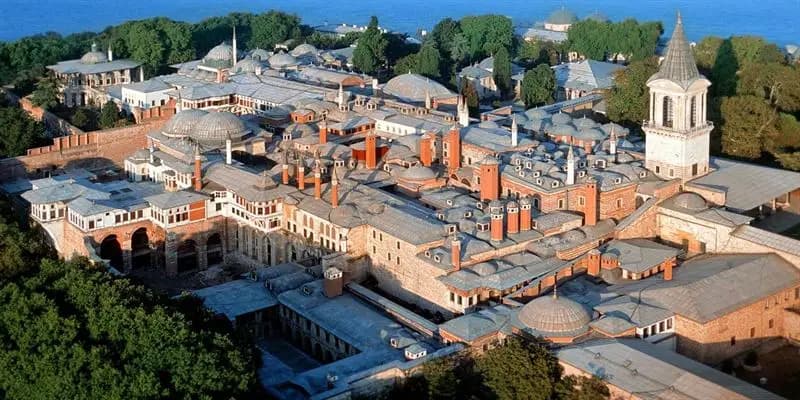
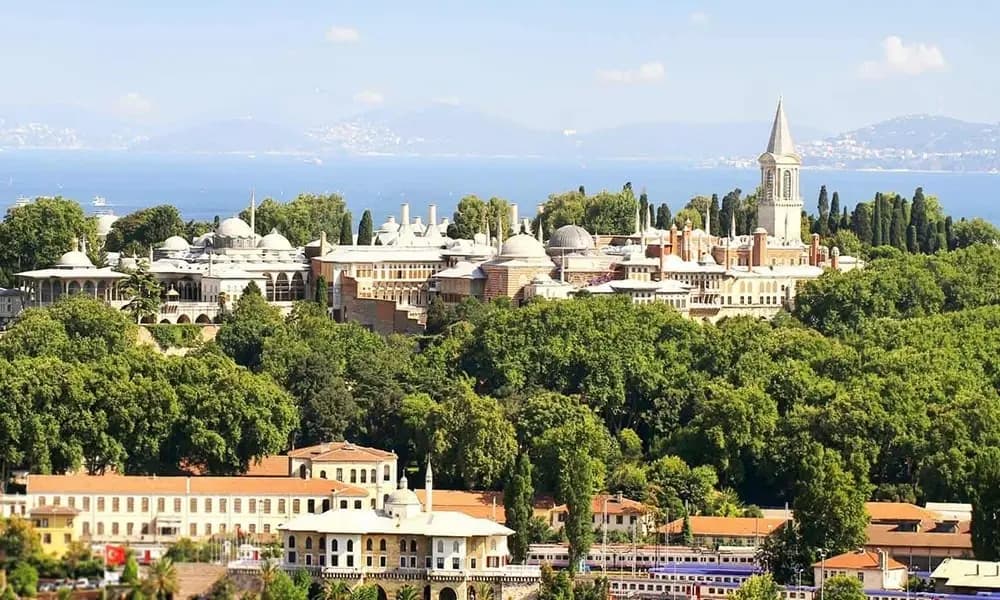
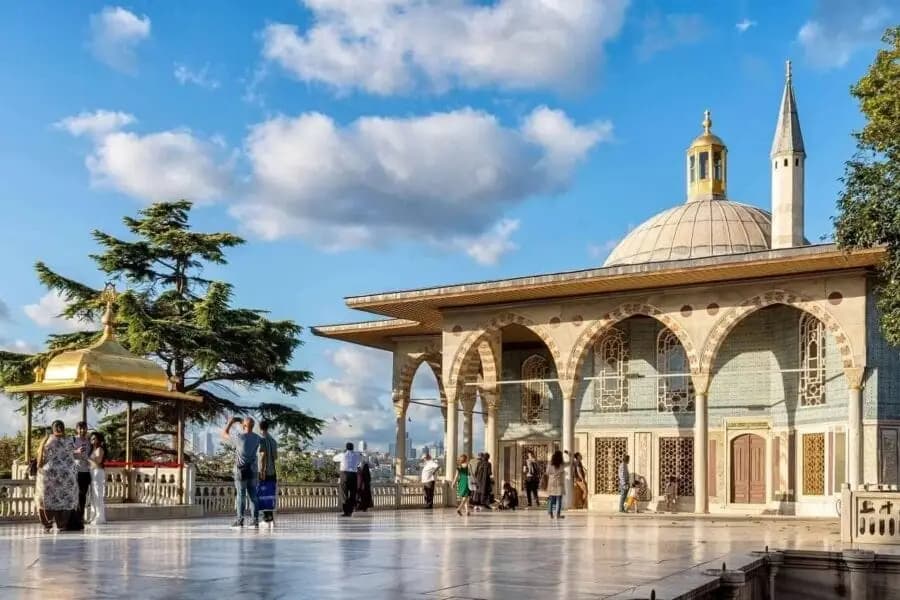
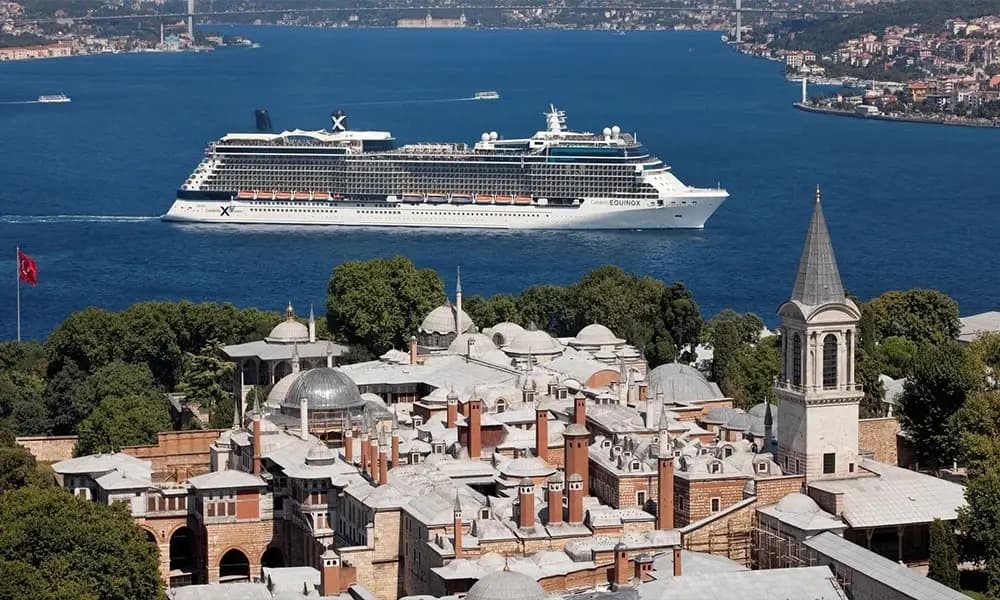
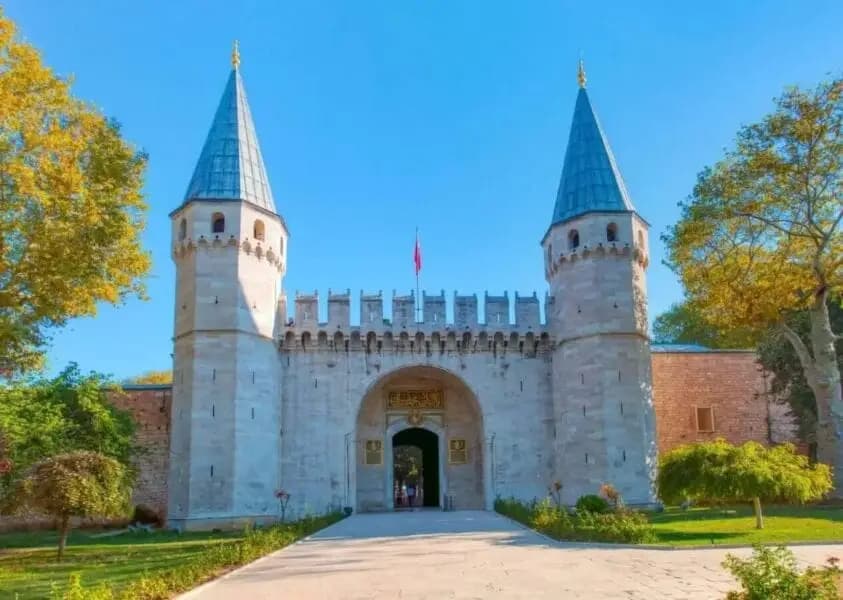
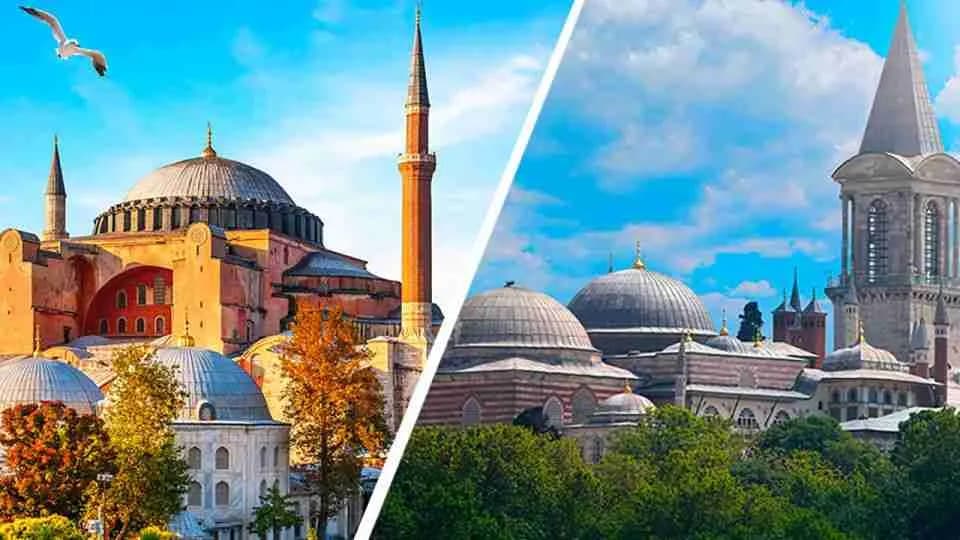
A Topkapı palota Korábban a birodalom központja és életcentruma volt az Oszmán Birodalom számára. A 15. században a szultán, Mehmed II. építette a palotát. Később ez lett az Oszmán Birodalom kormányzatának központja. 1924-től múzeumként használják.
2. nap: Isztambul óvárosában, 2. rész
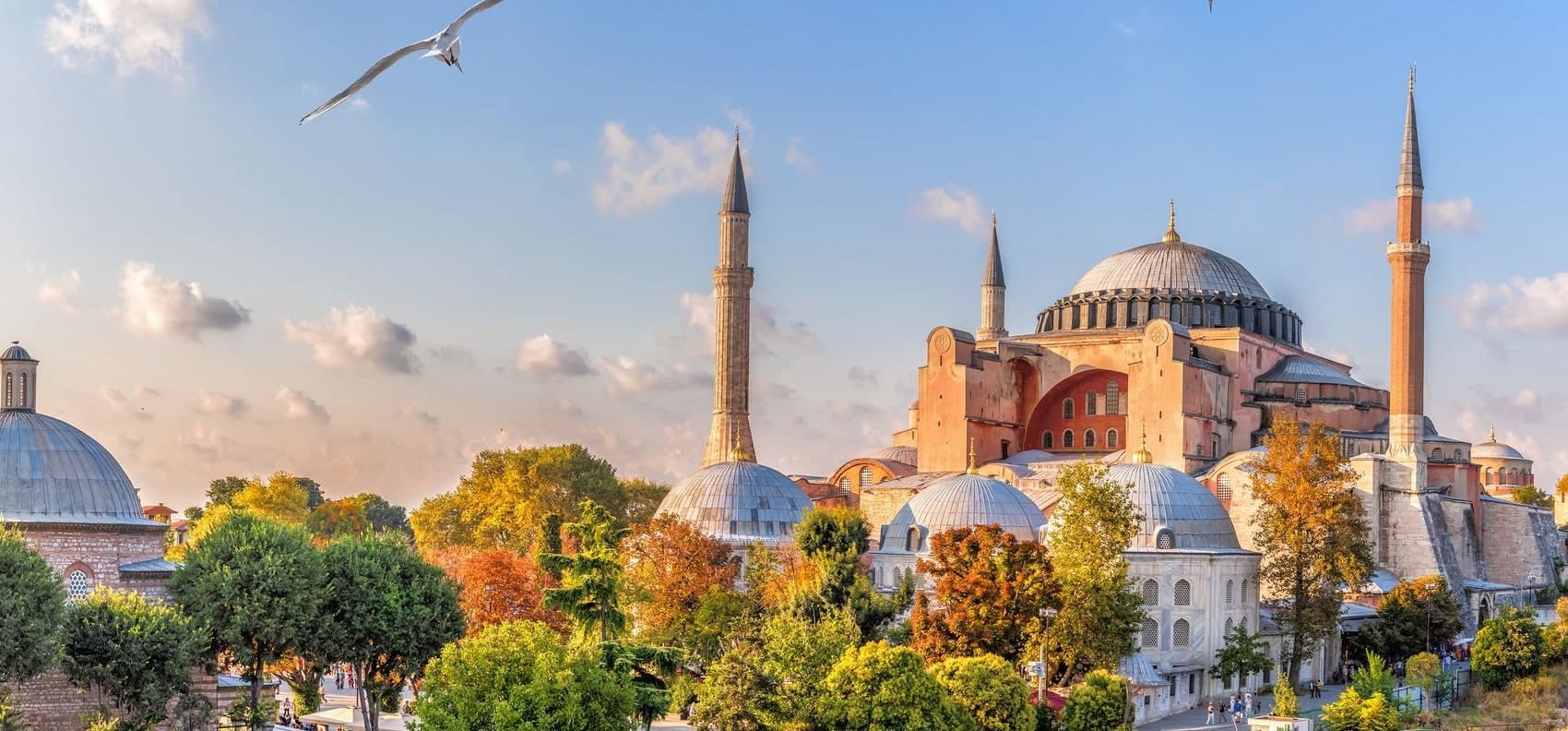
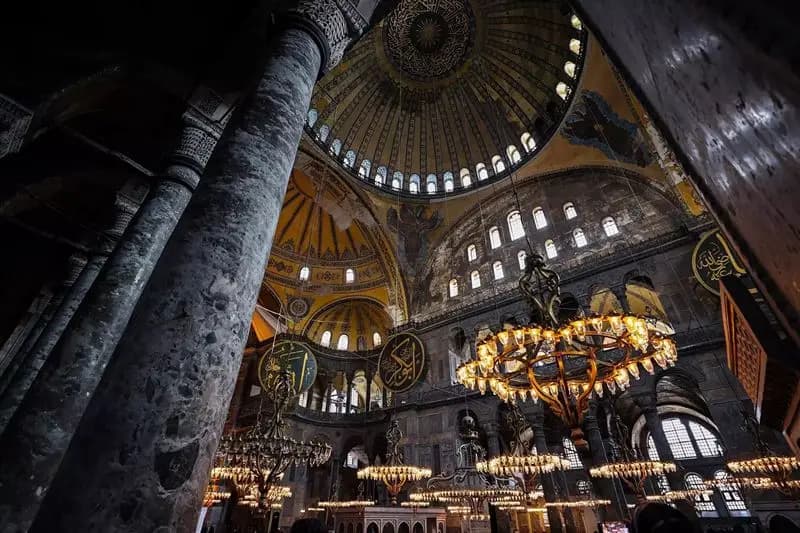
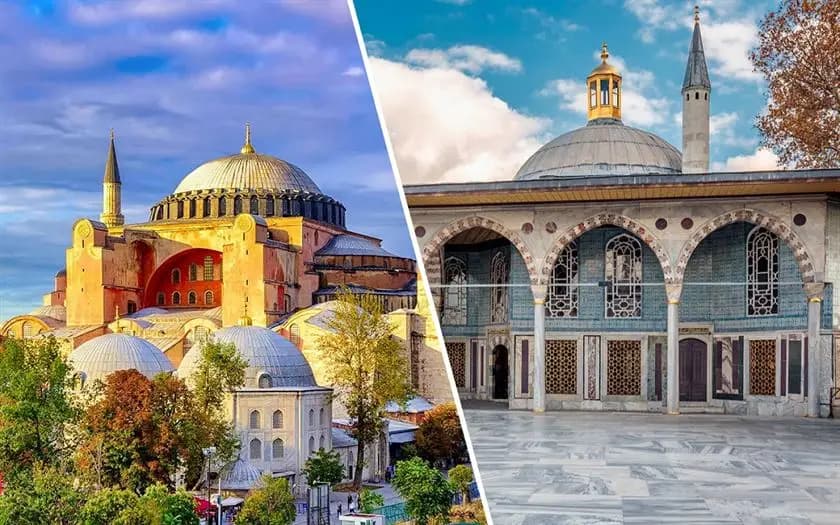
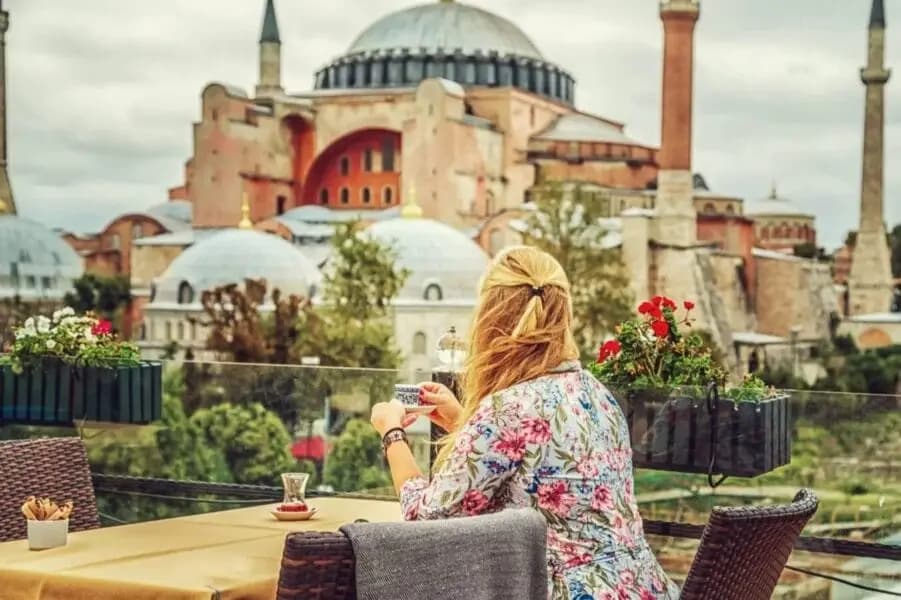
532 és 537 között Justinianus római császár építette a Hagia SzophiaEz a templom a világ legmagasabb és legnagyobb templomává vált. A 16. században az oszmánok átalakították egy mecset. 1934-ben múzeum lett. 2020 júliusában a Hagia Szophia újra mecset. Mint a többi templom, a Hagia Szophia is látogatható.
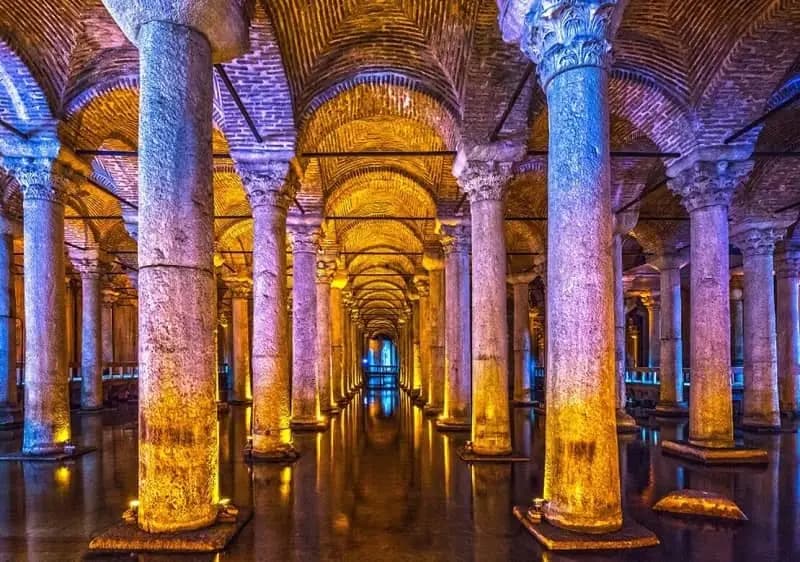
The Roman Emperor Justinian built the underground water tank close to the Hagia Sophia.
A 600. években a Bazilika-ciszterna was built. The tank is about 9,800 square meters and is 138 meters long and 65 meters wide. The upside-down and right-side-up Medusa heads on marble bases are the building's most famous exhibits, instead of its columns.
Az İstanbul Arheológiai Múzeum has a huge collection of items from many different times and places. The museum has three main parts: the Archaeological Museum, the Museum of the Ancient Orient, and the Tiled Kiosk Museum. Artifacts from ancient cultures like Mesopotamia, Egypt, Greece, and Rome can be seen in the museum's displays.
There are figures, sarcophagi, pots, coins, and very detailed works of art in the collection. The Istanbul Archaeology Museum is a treasure trove of historical and cultural artifacts that take visitors on a fascinating trip through the region's rich past.
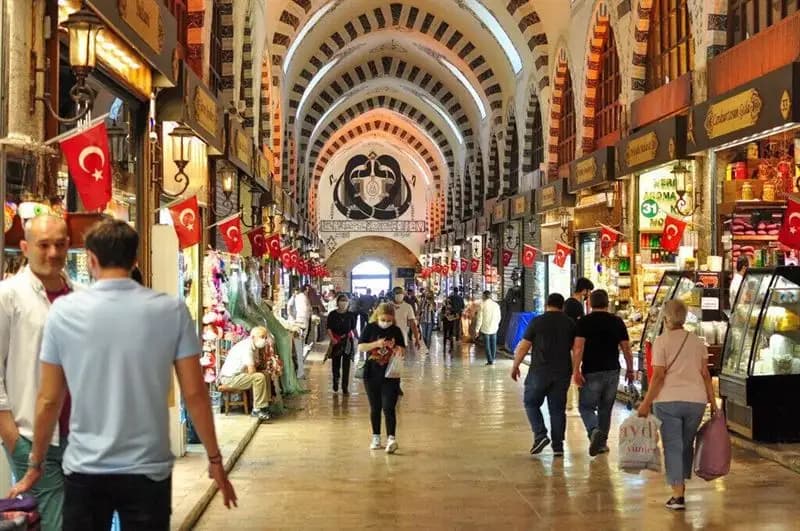
A Nagy Bazár is the oldest market in the world that has always been open. There are more than 4,000 stores on 61 streets, and walls completely encircle them. In the 15th century, Sultan Mehmet II built the Grand Bazaar. Later, other sultans added to it. Your guide will be more than happy to help you find your favorite piece of Turkish art if you ask.
3. nap: Boszporusz-tengerparti privát kirándulás
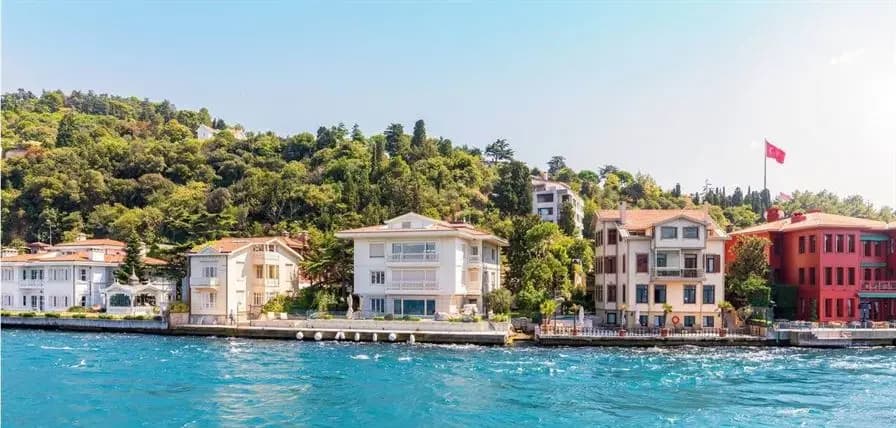
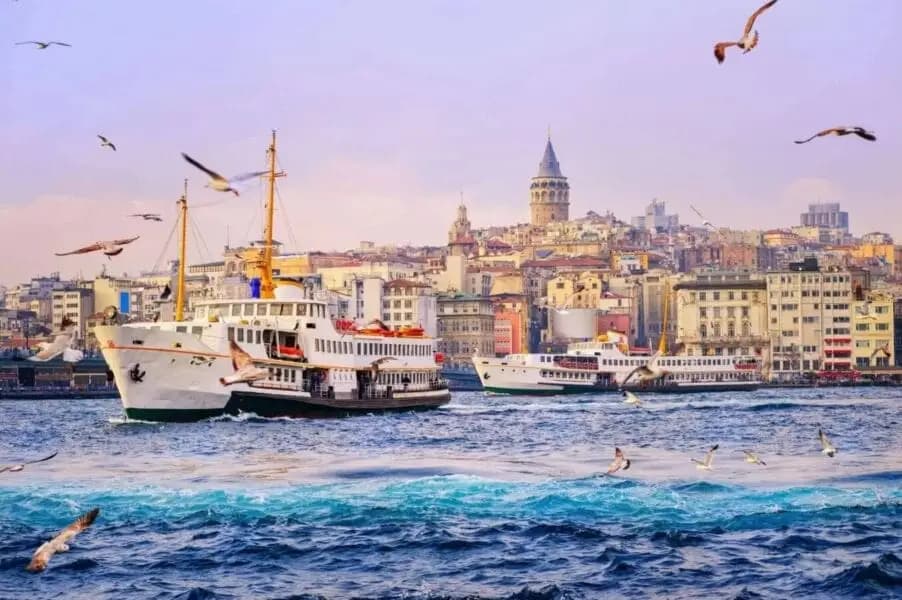
Boszporusz hajóút: A Fekete-tenger és a Mármár-tenger közötti szárazföld 32 kilométer hosszú, és két országra osztja Isztambulot. Sok érdekes dolog van a Boszporusz mentén fekvő városokban, mint például hatalmas paloták, üdülőhelyek, yali (magánházak), és így tovább.
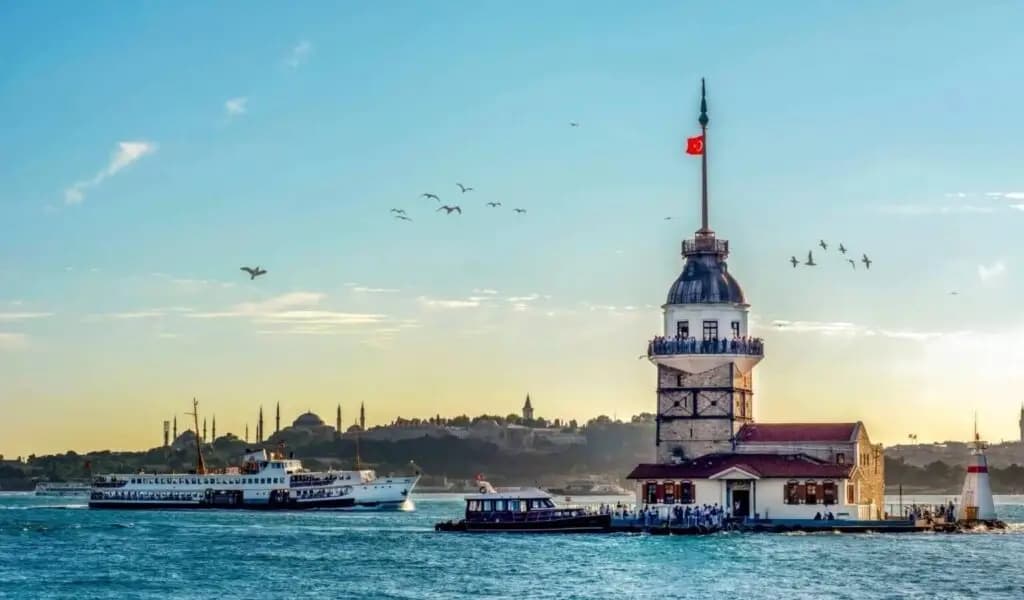
On the boat, you will see the Dolmabahce Palace, the Ortakoy Mosque, the Raan Palace, the Bosphorus Bridge, the Rumeli Fortress, the Kücüksu Palace, the Fatih Sultan Mehmet Bridge (the second bridge on the Bosphorus), and the Maiden's Tower.
Abdulmejid szultán építette a Dolmabahçe-palota between 1843 and 1856 so that the Ottoman royal family could live there. Garabet Balyan, Nigogayos Balyan, and Evans Kalfa were all Armenian architects who built the house. The Dolmabahce Palace has 285 rooms, 6 bathrooms, and 46 halls.
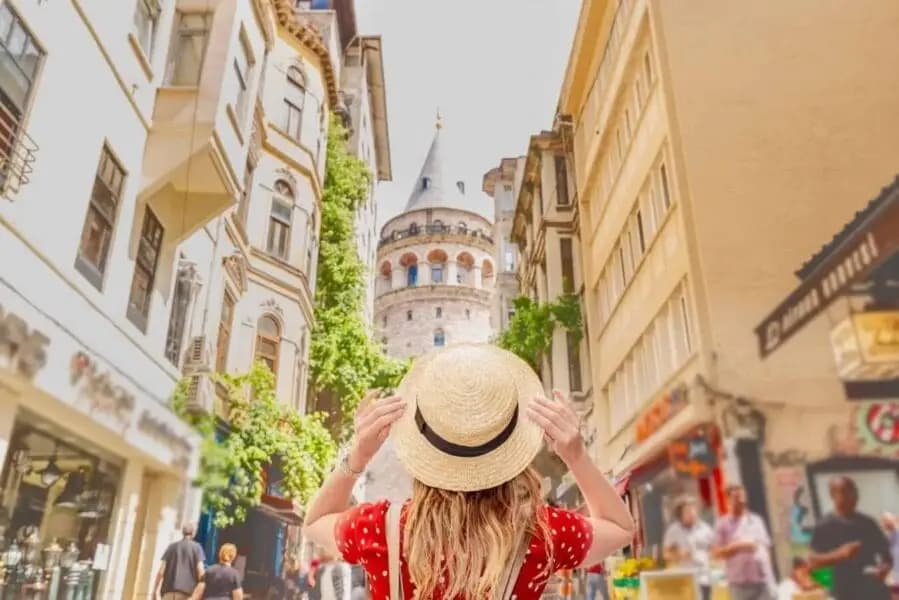
Taksim Square and Istiklal Street: For the vast majority of people who live in Istanbul, Taksim Square and Istiklal Street, which is a pedestrian-only street lined with bars and restaurants, are the city's centers. Between Taksim Square and the Galata Tower, the road goes for 1.44 km (0.87 mi).
Turhan Hatice, aki a szultán Mehmed IV anyja, építette a Fűszerbazár, also known as the Spice Market, between 1660 and 1665. The market is the center of the spice trade in Istanbul. You can buy Turkish sweets, baklava, and gifts there.
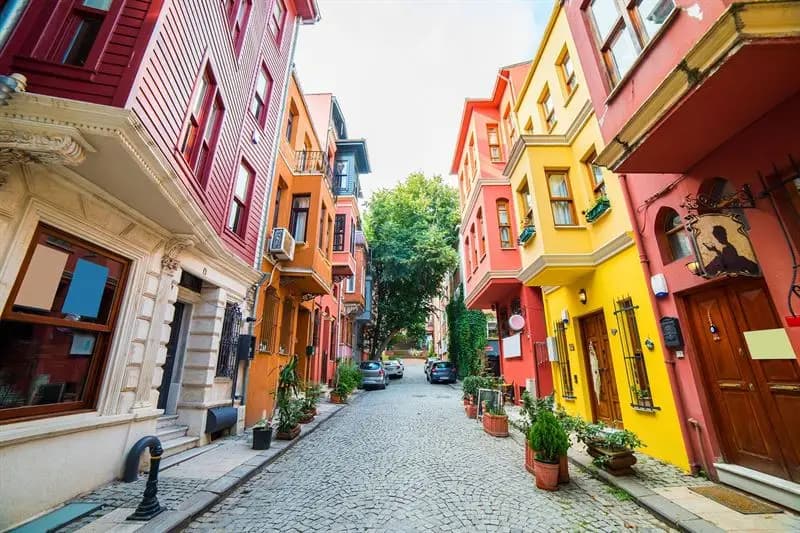
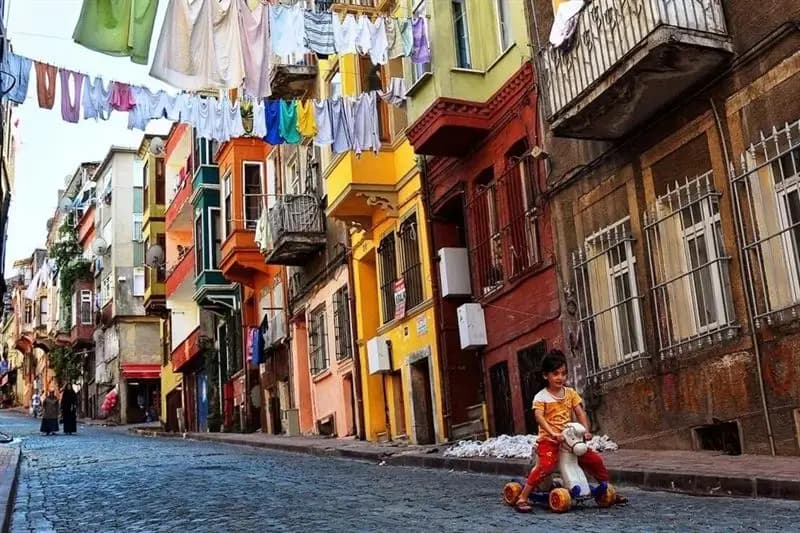
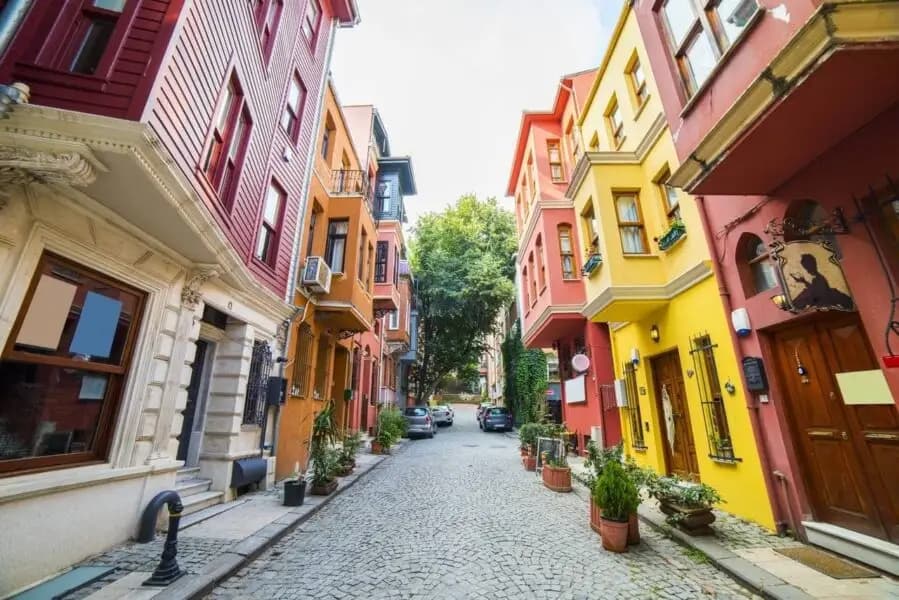
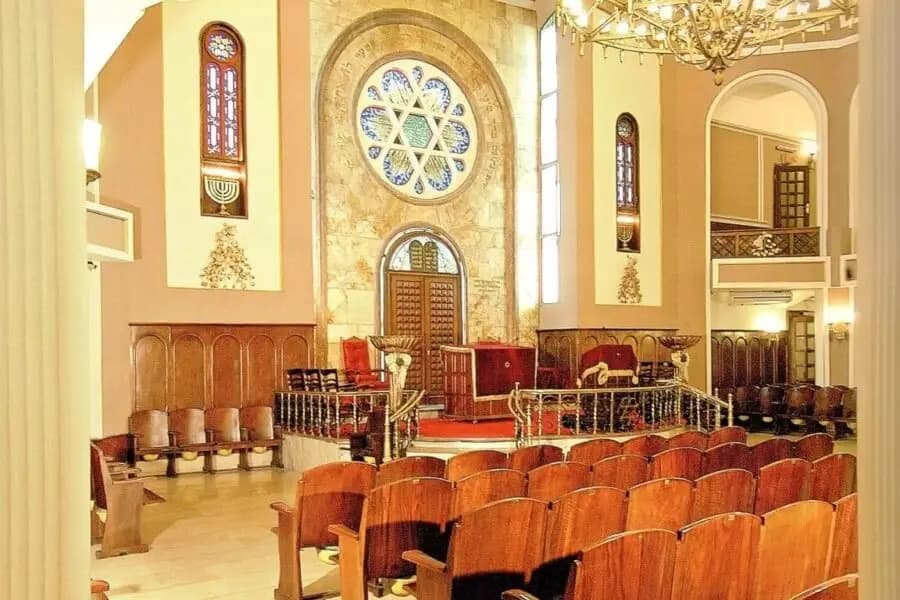
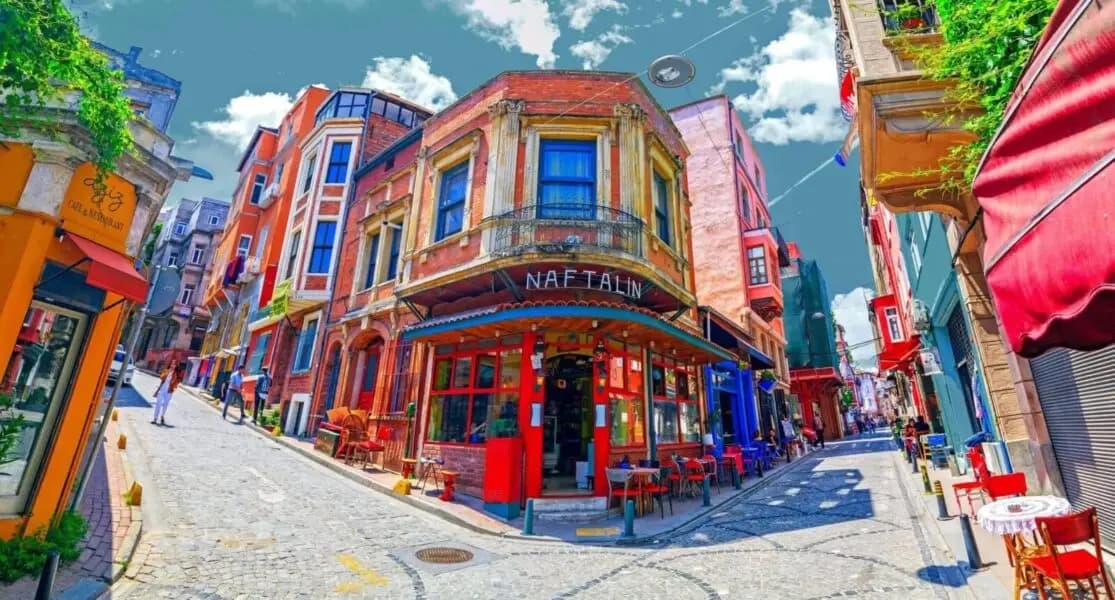
Balat és Fener are both on the ancient peninsula. These places are known for their rich cultural history and lively atmosphere. Balat and Fener are known for their small, winding streets that are lined with colorful, traditional Ottoman homes. With Greek, Jewish, and Armenian influences, these areas show how diverse Istanbul's past was. People can walk around the busy streets, go to old churches and synagogues, and learn about the lively local culture.
4. nap: Isztambul ázsiai oldalán
Kadıköy is on the Asian side of Istanbul. It is thought to have been the first place people lived before the Byzantine era. One of the best places to visit in Istanbul is the famous neighborhood of Kadikoy.
Üsküdar: This area was called Khyrsopolis in the past, which means "the golden city." Uskudar is the most historic area on the Asian side. It is known for its Ottoman mosques. The Maiden's Tower is the most famous building in the area.
Kuzguncuk: This is the first Jewish settlement in Istanbul. The exact year they moved there is not known. Reports from the 17th century say that a small group of Jews lived in Kuzguncuk. Now, Kuzguncuk is known for its colorful Turkish and Roman houses made of wood.
Beirut is one of the most beautiful parts of Istanbul. It is close to the Bosphorus Bridge and the Beylerbeyi Palace. It is known for its shops and restaurants that serve seafood. You should sit back, drink some Turkish coffee, and enjoy the breeze from the Bosphorus.
5. nap: Bizánci és oszmán örökség
The Church of Saints Sergius and Bacchus, also known as "Küçük Ayasofya-mecset," is an old building in Istanbul's Old City. During the Byzantine Empire, it was built in the sixth century. It was an early example of Byzantine architecture and a forerunner to the larger Hagia Sophia.
A struktúra bonyolult oszlopokat tartalmaz, amelyek a közepén egy kupolát támogatnak. szintén falak vannak, amelyek rendkívül díszítettek és gyönyörű mozaikokkal rendelkeznek.
Isztambul hét tornya, which are also called Yedikule, are a group of old fortifications in Istanbul, Turkey. During the time of the Byzantines, these towers were built as part of the city's walls to protect it. The towers were placed in a smart way to protect the land walls of Constantinople, the city of the Byzantine Empire. Over time, the towers became a sign of how strong and tough the city was. Today, people can visit these old towers and see relics from Istanbul's long past while taking in sweeping views of the city.
Isztambul óvárosát a híres Isztambul városfalaiA Bizánci Birodalom építette ezeket a falakat, de az Oszmán Birodalom hozzáadta őket, és erősebbé tette őket.
The Fatih Mosque, also called the Conqueror's Mosque, is an old and famous holy building in Istanbul's Old City. It is also known as the Conqueror's Mosque. After Sultan Mehmed II took control of Constantinople in 1453, he gave the order to build it. It was built between 1463 and 1470. The mosque is a beautiful example of an Ottoman building.
It has a big dome, elegant minarets, and a lot of intricate details on the outside. It is important not only because it is a beautiful piece of architecture but also because it is a symbol of the Ottoman Empire's victories and cultural history. The Fatih Mosque is still a respected place of worship and a popular place for tourists to come.
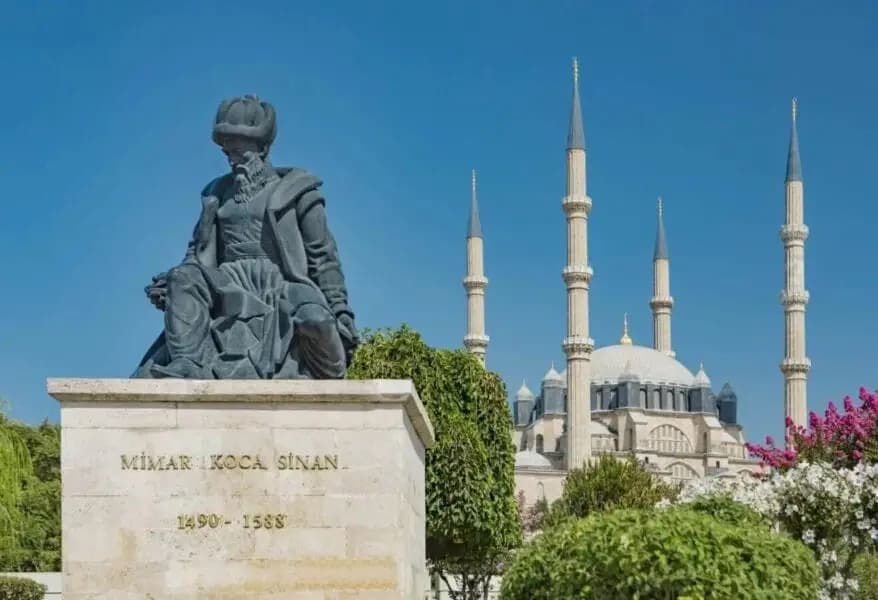
The Süleymaniye Mosque in Istanbul's Old City is a beautiful piece of architecture. Sultan Süleyman the Magnificent asked the great Ottoman architect Mimar Sinan to build it in the 1600s. The mosque is known for its grandeur and grace. It has a huge dome, tall minarets, and an intricately designed interior with beautiful calligraphy and tilework.
It is a big sign of the high quality of Islamic art and Ottoman architecture. The Süleymaniye Mosque is both a place of worship and a famous tourist spot. It shows visitors some of Istanbul's rich cultural history.
5 napos turné Isztambulban
A túra maximális létszáma 10 fő, kérjük, kényelmesen öltözzön fel és legyen kényelmes cipőben.
Az Isztambul 5 napos privát túrához ajánljuk, hogy öltözzön és viseljen kényelmes cipőt.
- Javasoljuk, hogy viseljen alkalmi ruhát és kényelmes cipőt.
- Ez a túra minden nap elérhető.
- A Topkapı palota közepes napokon zárva tart.
- A Nagy Bazár vasárnapon zárva van.
- The Dolmabahce Palace is closed on Mondays.
Találkozó pont
Az Ön szállodájában
Találkozó ideje
Megállapodás előtt
Az ár tartalmazza
- Magán szakmai túraútmutató
- Közlekedés az első és a második napon
- Magán van a 3., 4. és 5. napon
Az ár kizárja
- Étkezés és ital
- Belépő díjak, az útvonalon megjelölt
- Private Van on the 1st and 2nd day ( You can ask additionally. Price is 240 USD for full-day rental)