5-dagars privat tur i Istanbul
5-dagars privat Istanbul Tour
Dag 1: Istanbuls gamla stadstur, del 1
Hippodromen i KonstantinopelI en U-formad arena ser 100 000 personer en gammal hästlopp. De enda delarna av Hippodromen i Konstantinopel som fortfarande finns kvar är den egyptiska obelisken, ormskolsen och Konstantins kolumner. Sätena, väggarna och det mesta av det som återstod har förstörts.
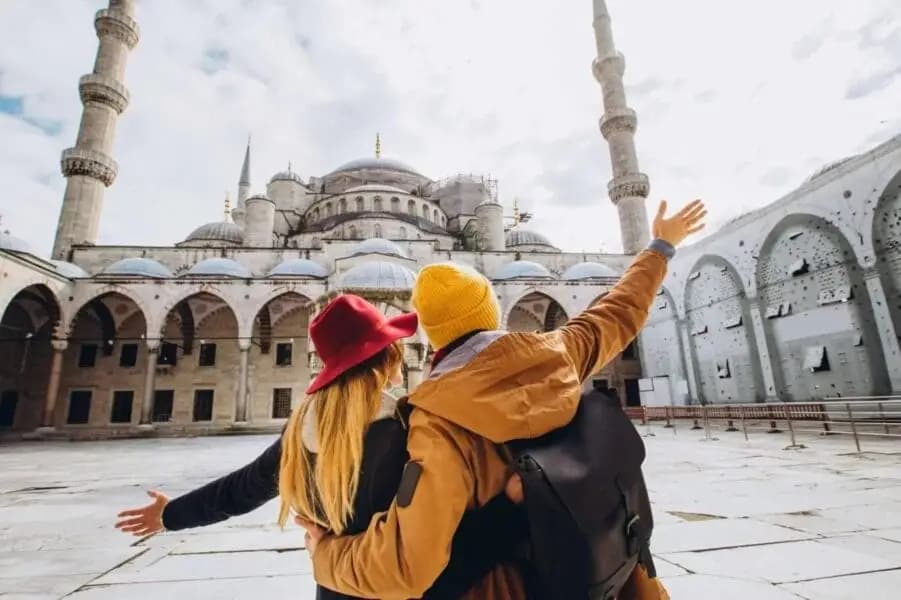
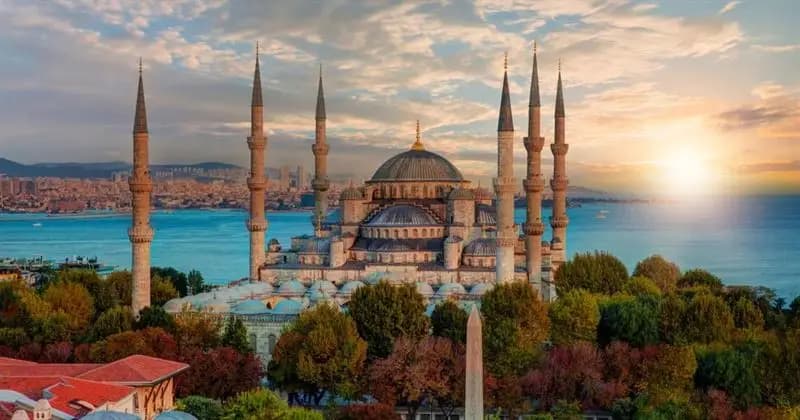
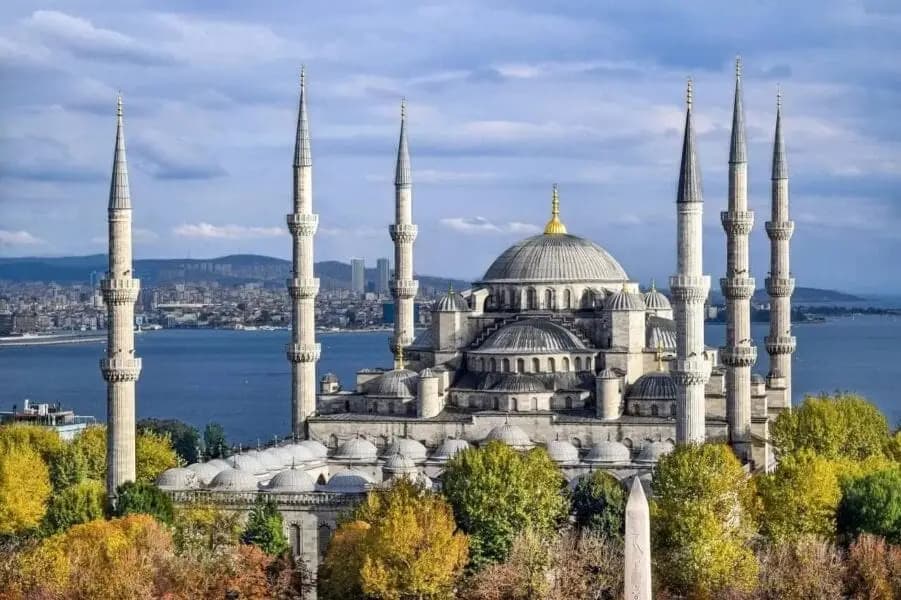
Mellan 1609 och 1616 byggde Sultan Ahmed den Blå moskénUnder det ottomanska riket var det en kunglig moské. Den kallas "Blå moskén", men turister gav den detta namn på grund av de blå plattorna inuti.
Istanbul Mosaic Museum - Istanbul mosaikmuseum har en fantastisk samling av romerska plattor, de flesta av vilka är från 4: e till 6: e århundradet. Museet ligger i det stora palatset i Konstantinopel, vilket ger turisterna en unik chans att se hur komplicerat dessa mosaik konstverk gjordes.
Det islamiska konstmuseet i Istanbul har en underbar samling av islamisk konst och föremål från många olika platser och tider.Det finns många olika typer av konst på utställning på museet, såsom upplysta texter, kalligrafi, keramik, textilier, metallverk och träkonst.
Visitors can look at the beautiful craftsmanship and intricate details of these works, which show off the Islamic world's rich cultural history. The Istanbul Islamic Art Museum gives a fascinating look at how Islamic society has contributed to art and culture throughout history.
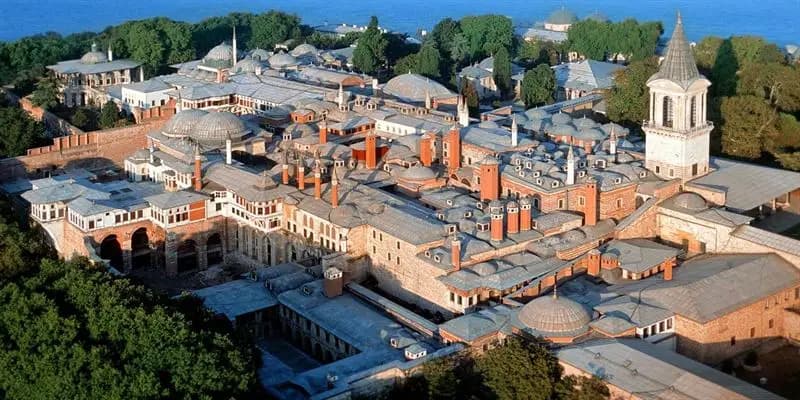
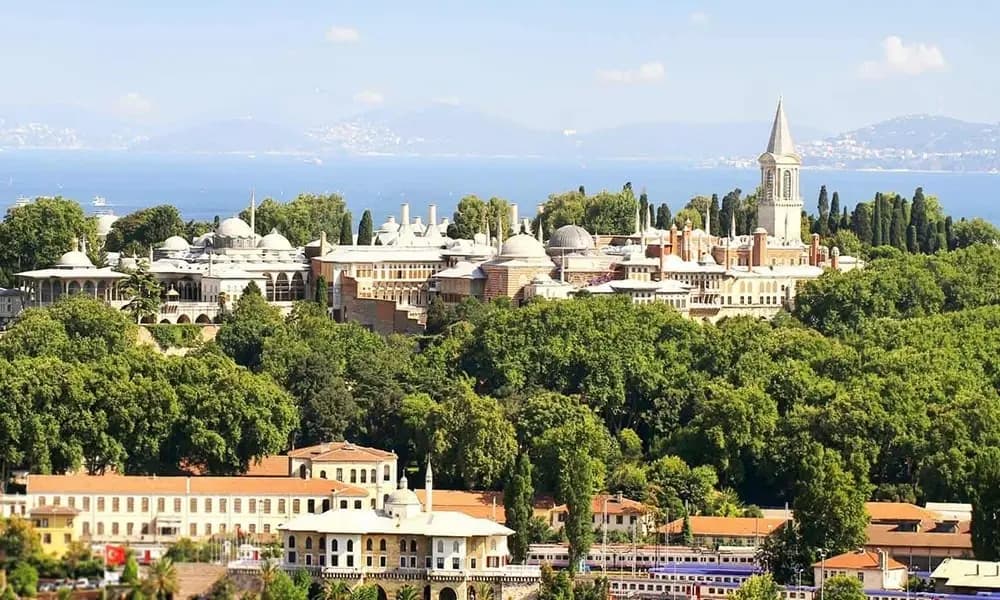
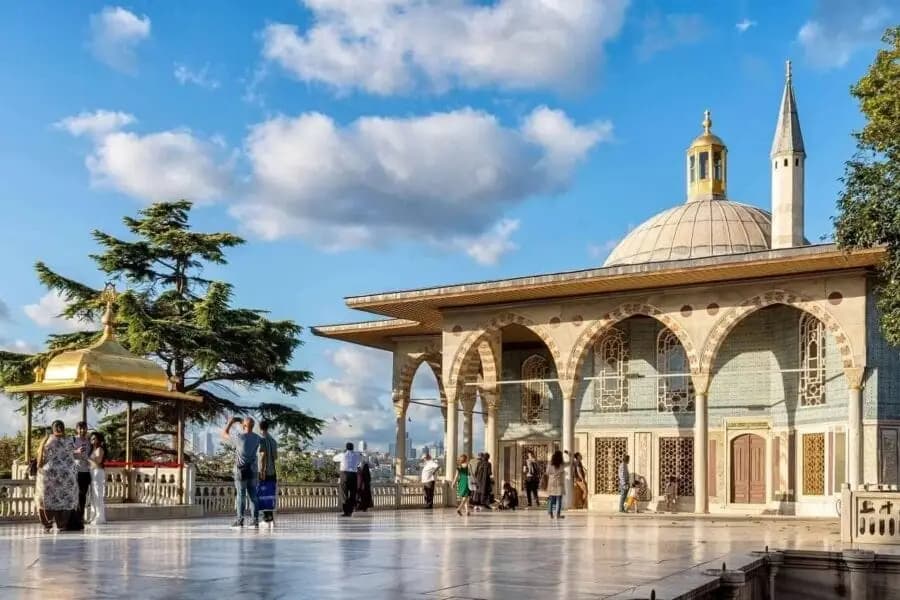
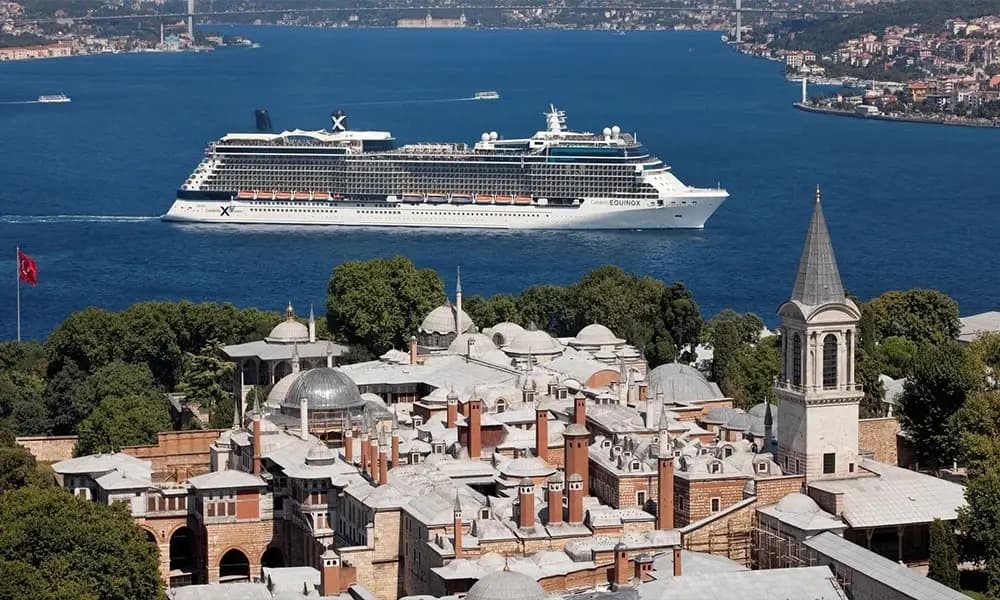
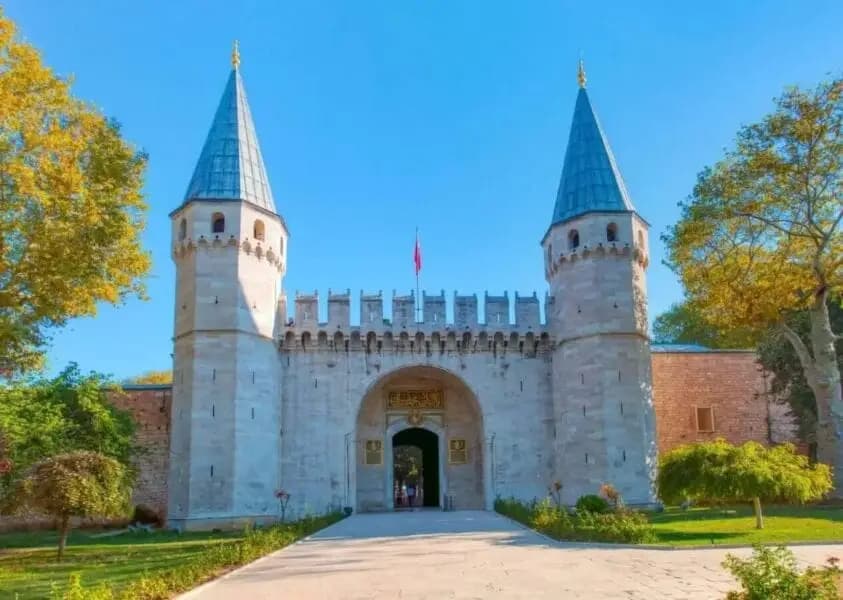
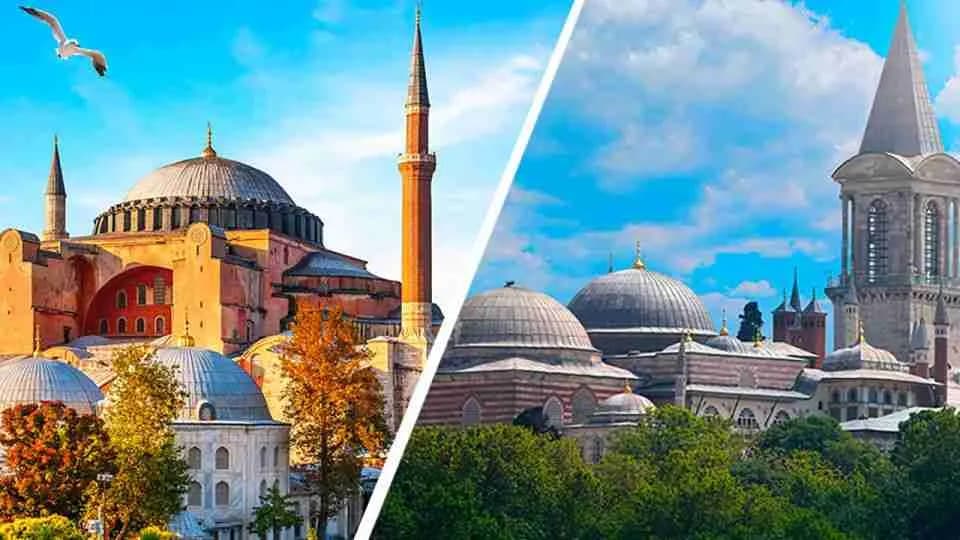
Topkapipalatset Var tidigare centrum för regering och liv i det ottomanska riket. Under 1400-talet byggde sultan Mehmet II palatset. Det blev senare centrum för det ottomanska rikes regering. Sedan 1924 har det använts som ett museum.
Dag 2: Gamla stan i Istanbul, del 2
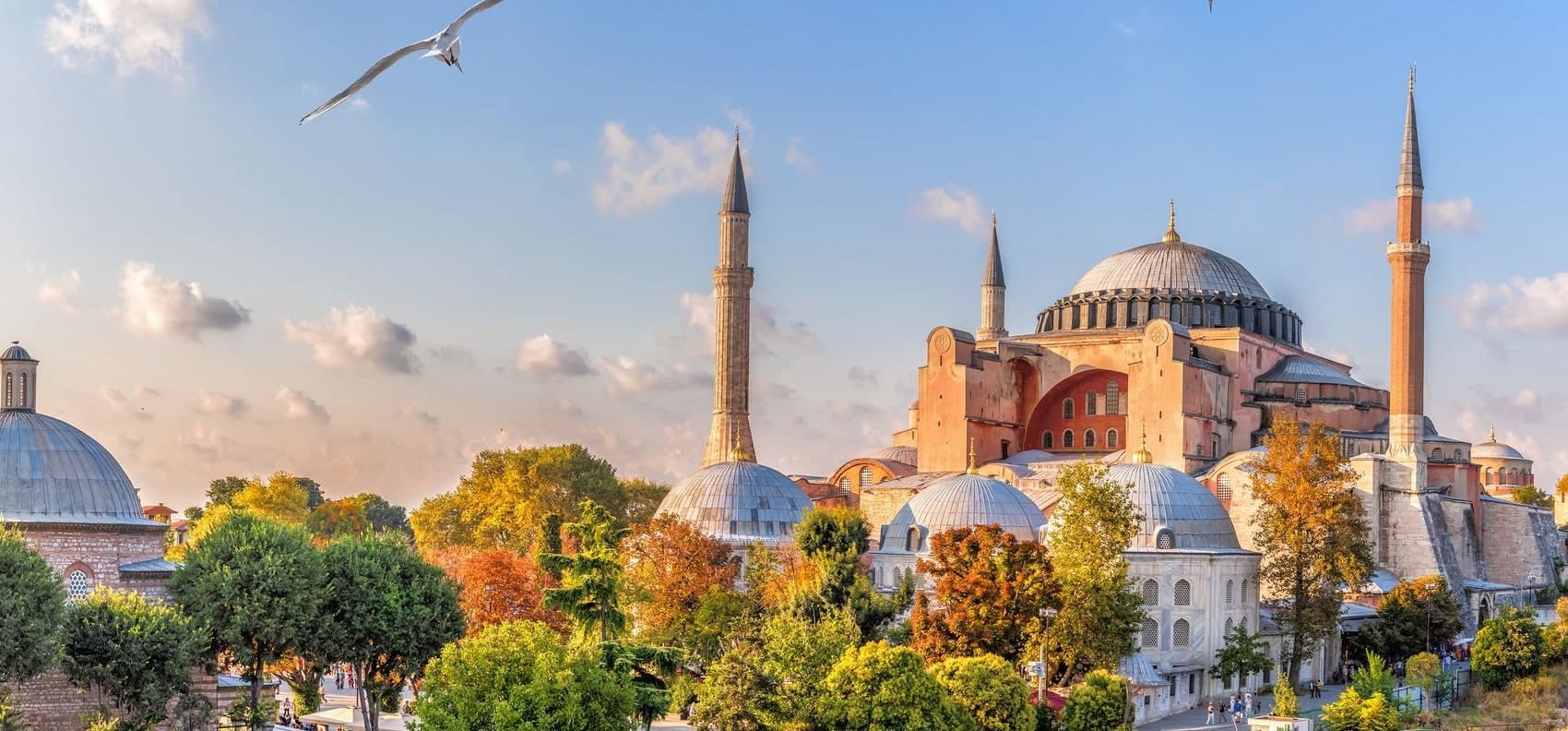
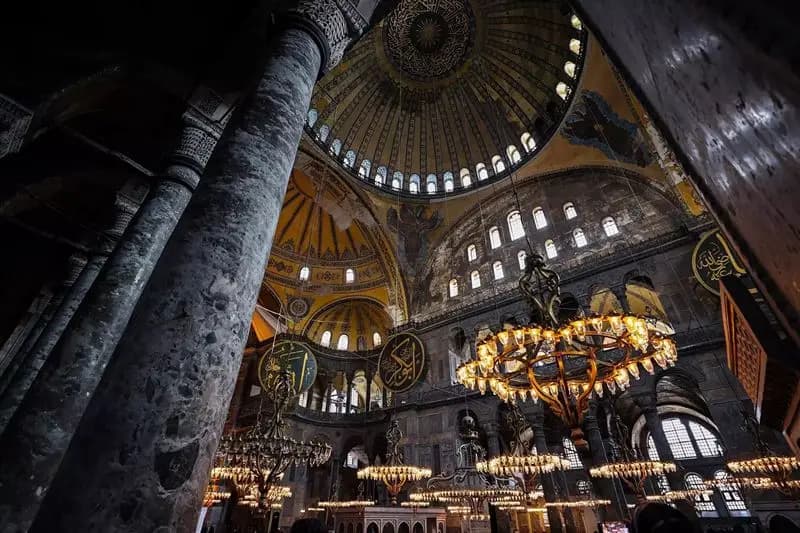
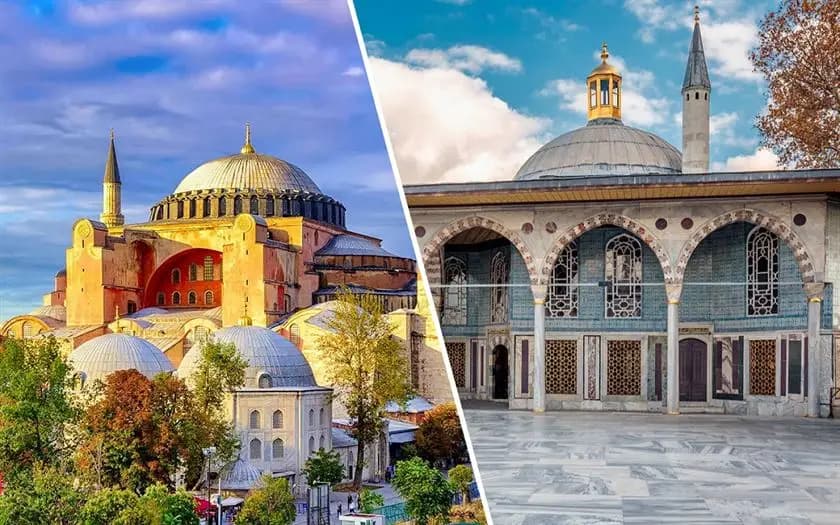
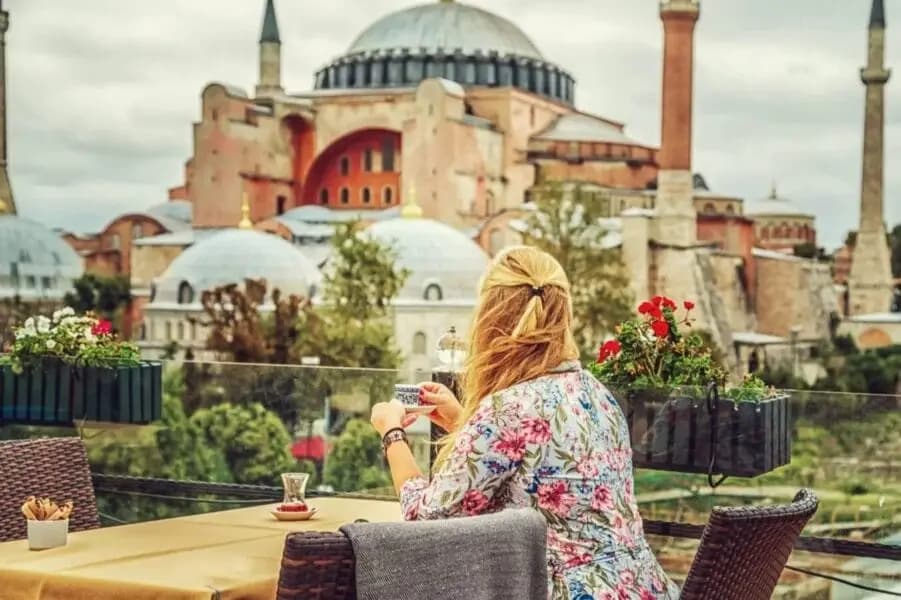
Mellan 532 och 537 byggde Justinianus, romersk kejsare, Hagia SofiaDen växte till att bli den högsta och största kyrkan i världen. På 1500-talet förvandlades kyrkan till en moské. År 1934 förvandlades den till ett museum. I juli 2020 slutade Hagia Sofia att vara ett museum och återgick till att vara en moské. Som de andra kyrkorna kan turister besöka Hagia Sofia.
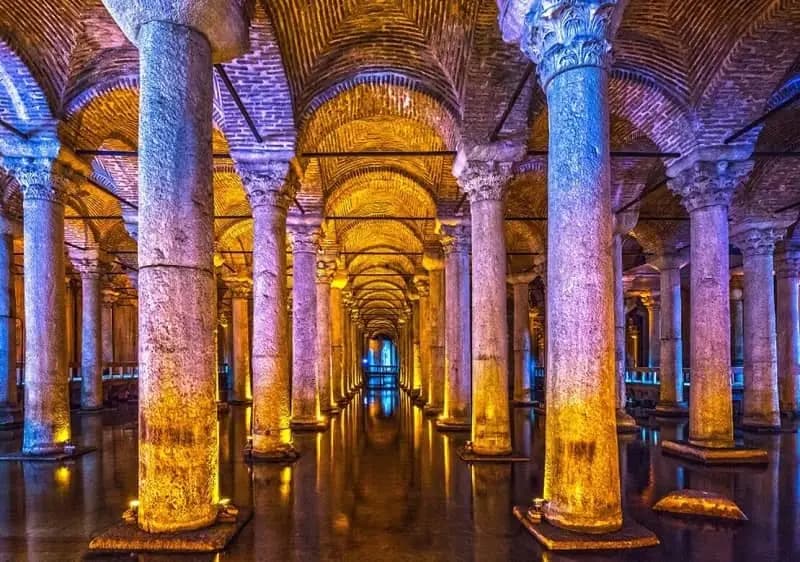
The Roman Emperor Justinian built the underground water tank close to the Hagia Sophia.
År 600, den Basilikacisternen was built. The tank is about 9,800 square meters and is 138 meters long and 65 meters wide. The upside-down and right-side-up Medusa heads on marble bases are the building's most famous exhibits, instead of its columns.
Istanbularkeologimuseet has a huge collection of items from many different times and places. The museum has three main parts: the Archaeological Museum, the Museum of the Ancient Orient, and the Tiled Kiosk Museum. Artifacts from ancient cultures like Mesopotamia, Egypt, Greece, and Rome can be seen in the museum's displays.
There are figures, sarcophagi, pots, coins, and very detailed works of art in the collection. The Istanbul Archaeology Museum is a treasure trove of historical and cultural artifacts that take visitors on a fascinating trip through the region's rich past.
Den stora marknaden is the oldest market in the world that has always been open. There are more than 4,000 stores on 61 streets, and walls completely encircle them. In the 15th century, Sultan Mehmet II built the Grand Bazaar. Later, other sultans added to it. Your guide will be more than happy to help you find your favorite piece of Turkish art if you ask.
Day 3: Private Guided Bosphorus Cruise Tour
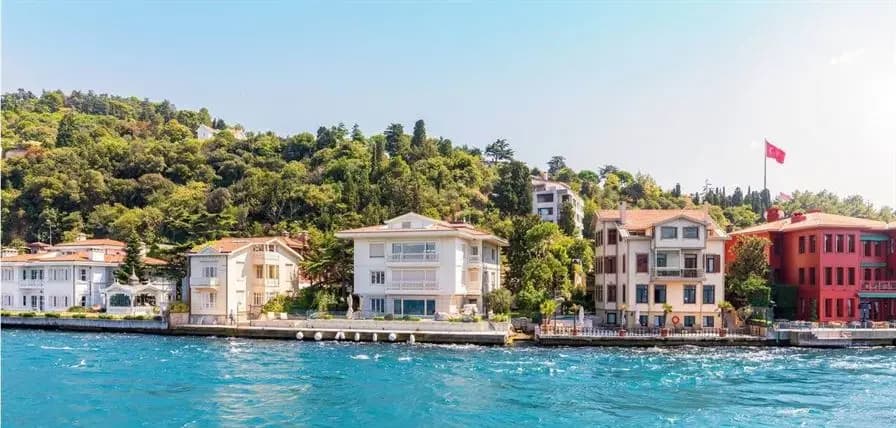
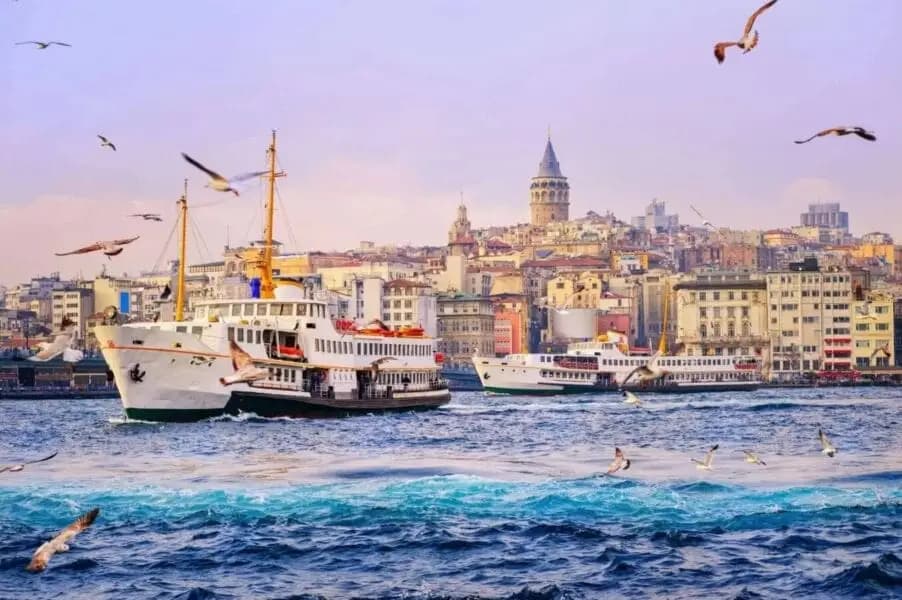
Bosporen-kryssning: The strait between the Black Sea and the Sea of Marmara is 32 kilometers long, and it divides Istanbul into two countries. There are a lot of interesting things to see in the towns along the Bosphorus, like huge palaces, resorts, yali (private houses), and so on.
On the boat, you will see the Dolmabahce Palace, the Ortakoy Mosque, the Raan Palace, the Bosphorus Bridge, the Rumeli Fortress, the Kücüksu Palace, the Fatih Sultan Mehmet Bridge (the second bridge on the Bosphorus), and the Maiden's Tower.
Sultan Abdulmejid byggde den Dolmabahçepalatset between 1843 and 1856 so that the Ottoman royal family could live there. Garabet Balyan, Nigogayos Balyan, and Evans Kalfa were all Armenian architects who built the house. The Dolmabahce Palace has 285 rooms, 6 bathrooms, and 46 halls.
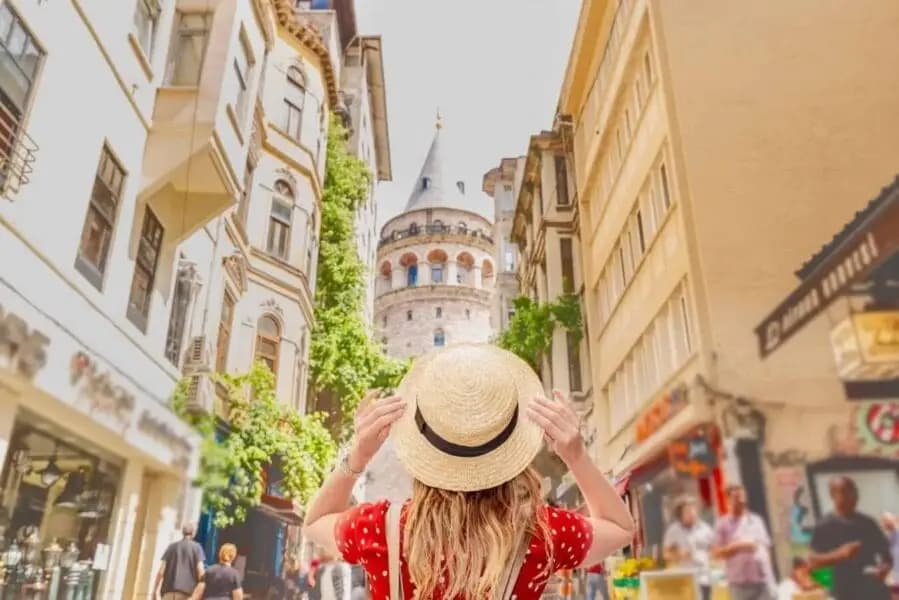
Taksim Square and Istiklal Street: For the vast majority of people who live in Istanbul, Taksim Square and Istiklal Street, which is a pedestrian-only street lined with bars and restaurants, are the city's centers. Between Taksim Square and the Galata Tower, the road goes for 1.44 km (0.87 mi).
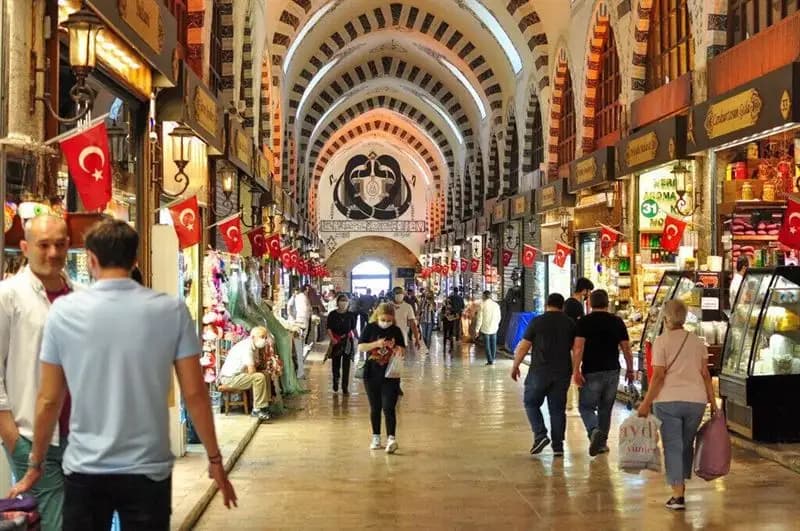
Turhan Hatice, som var moder till Sultan Mehmed IV, byggde den Kryddbasaren, also known as the Spice Market, between 1660 and 1665. The market is the center of the spice trade in Istanbul. You can buy Turkish sweets, baklava, and gifts there.
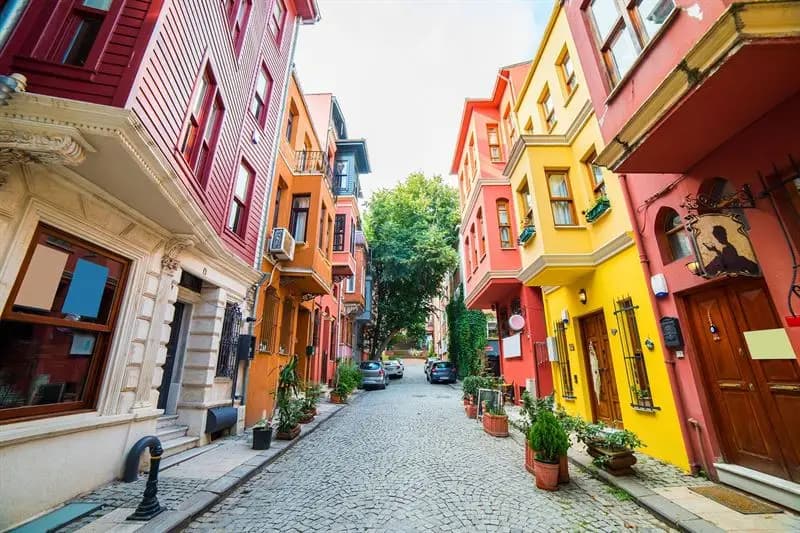
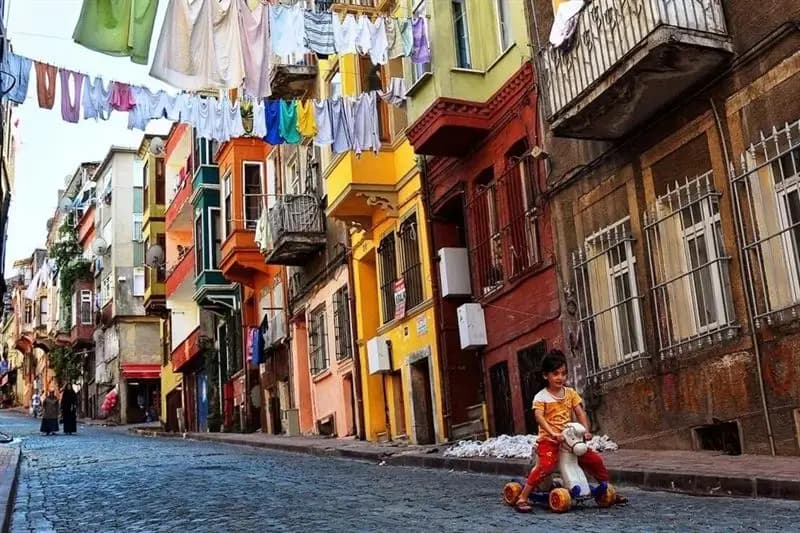
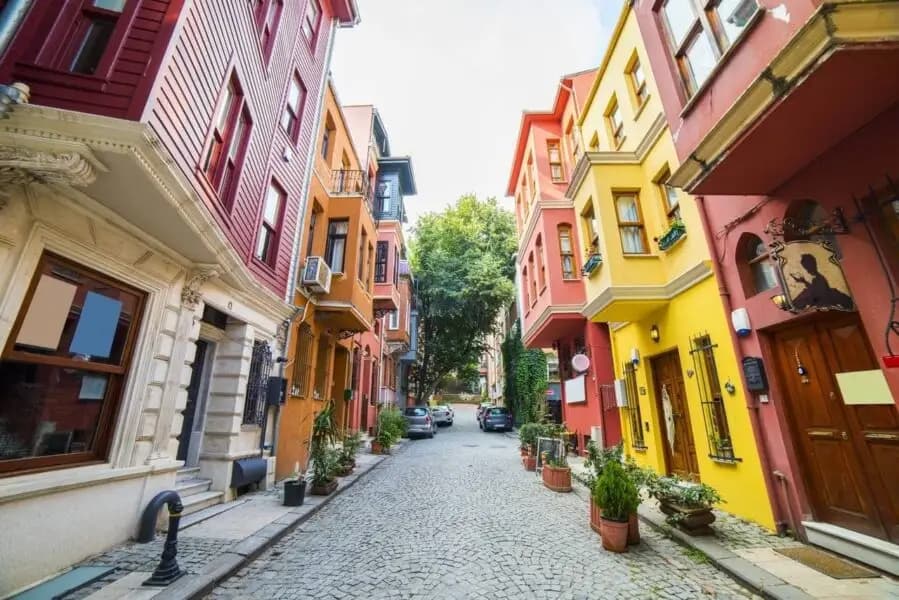
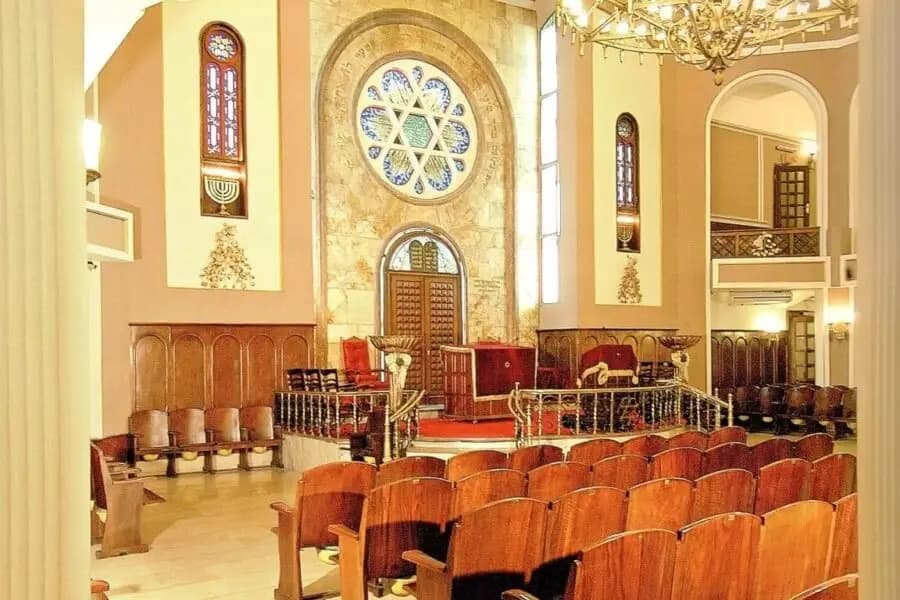
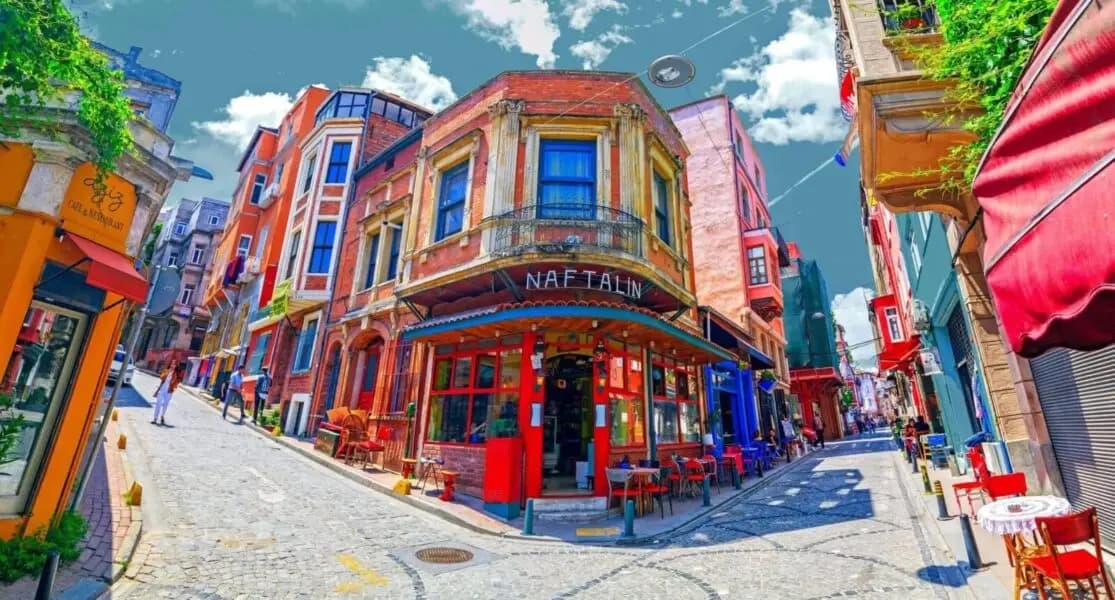
Balat och Fener are both on the ancient peninsula. These places are known for their rich cultural history and lively atmosphere. Balat and Fener are known for their small, winding streets that are lined with colorful, traditional Ottoman homes. With Greek, Jewish, and Armenian influences, these areas show how diverse Istanbul's past was. People can walk around the busy streets, go to old churches and synagogues, and learn about the lively local culture.
Dag 4: Istanbul Asian Side Tour
Kadıköy is on the Asian side of Istanbul. It is thought to have been the first place people lived before the Byzantine era. One of the best places to visit in Istanbul is the famous neighborhood of Kadikoy.
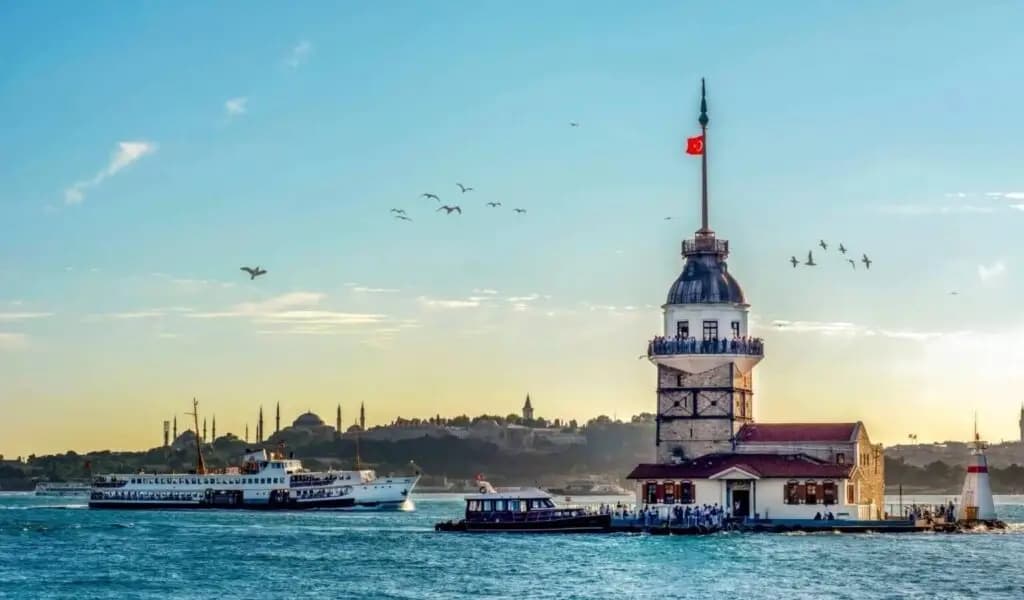
Üsküdar: This area was called Khyrsopolis in the past, which means "the golden city." Uskudar is the most historic area on the Asian side. It is known for its Ottoman mosques. The Maiden's Tower is the most famous building in the area.
Kuzguncuk: This is the first Jewish settlement in Istanbul. The exact year they moved there is not known. Reports from the 17th century say that a small group of Jews lived in Kuzguncuk. Now, Kuzguncuk is known for its colorful Turkish and Roman houses made of wood.
Beylerbey is one of the most beautiful parts of Istanbul. It is close to the Bosphorus Bridge and the Beylerbeyi Palace. It is known for its shops and restaurants that serve seafood. You should sit back, drink some Turkish coffee, and enjoy the breeze from the Bosphorus.
Dag 5: Byzantinska och ottomanska arvsturer
The Church of Saints Sergius and Bacchus, also known as "Küçük Ayasofyamoskén," is an old building in Istanbul's Old City. During the Byzantine Empire, it was built in the sixth century. It was an early example of Byzantine architecture and a forerunner to the larger Hagia Sophia.
Strukturen har invecklade kolumner som stöder en kupol i mitten. Den har också väggar som är mycket dekorerade och har vackra mosaiker på dem. Idag är det ett välkänt kulturellt och arkitektoniskt landmärke som lockar människor med sin konstnärliga och historiska skönhet.
De sju tornen i Istanbul, which are also called Yedikule, are a group of old fortifications in Istanbul, Turkey. During the time of the Byzantines, these towers were built as part of the city's walls to protect it. The towers were placed in a smart way to protect the land walls of Constantinople, the city of the Byzantine Empire. Over time, the towers became a sign of how strong and tough the city was. Today, people can visit these old towers and see relics from Istanbul's long past while taking in sweeping views of the city.
Gamla stan Istanbul är omgiven av den berömda Istanbul stadsmurarnaDet bysantinska riket byggde dessa väggar, men det ottomanska riket lade till dem och gjorde dem starkare.
The Fatih Mosque, also called the Conqueror's Mosque, is an old and famous holy building in Istanbul's Old City. It is also known as the Conqueror's Mosque. After Sultan Mehmed II took control of Constantinople in 1453, he gave the order to build it. It was built between 1463 and 1470. The mosque is a beautiful example of an Ottoman building.
It has a big dome, elegant minarets, and a lot of intricate details on the outside. It is important not only because it is a beautiful piece of architecture but also because it is a symbol of the Ottoman Empire's victories and cultural history. The Fatih Mosque is still a respected place of worship and a popular place for tourists to come.
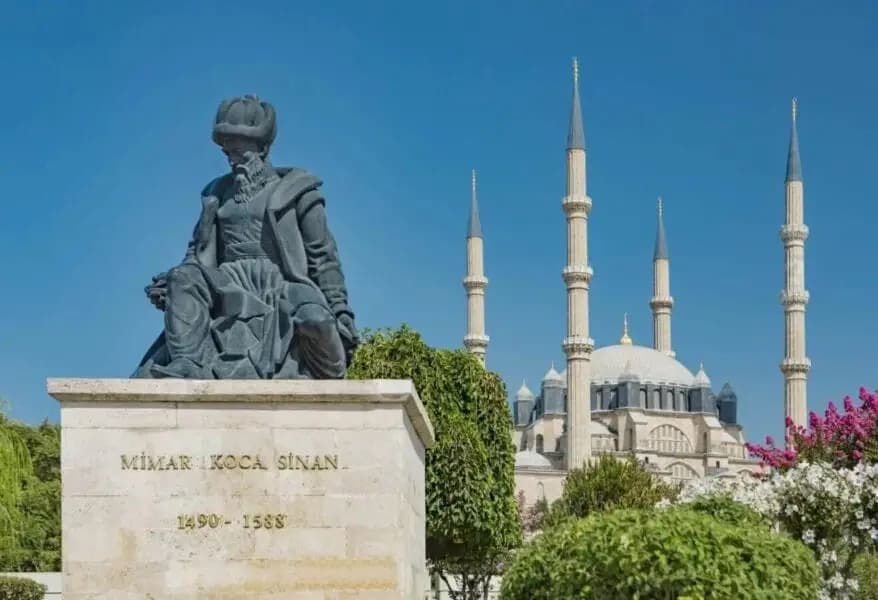
The Süleymaniye Mosque in Istanbul's Old City is a beautiful piece of architecture. Sultan Süleyman the Magnificent asked the great Ottoman architect Mimar Sinan to build it in the 1600s. The mosque is known for its grandeur and grace. It has a huge dome, tall minarets, and an intricately designed interior with beautiful calligraphy and tilework.
It is a big sign of the high quality of Islamic art and Ottoman architecture. The Süleymaniye Mosque is both a place of worship and a famous tourist spot. It shows visitors some of Istanbul's rich cultural history.
Detaljer om en 5-dagars turné i Istanbul
Maximal antal passagerare för denna turné är 10.Vänligen klä dig bekvämt och i casual skor.
För den 5-dagars privata turné i Istanbul rekommenderar vi att du klär dig slumpmässigt och bär bekväma skor.
- Vi rekommenderar att du bär casual kläder och bekväma skor.
- Denna turné är tillgänglig varje dag.
- Topkapipalatset är stängt på tisdagar.
- Stora basaren är stängd på söndagar.
- The Dolmabahce Palace is closed on Mondays.
Mötesplats
På ditt hotell
Mötestid
Enigt innan
Priset inkluderar
- Privat professionell tour guide
- kollektivtrafik på dag 1 och 2
- Privat van på 3: e, 4: e och 5: e dagen
Pris utesluter
- Måltider och drycker
- Entréavgifter som nämns i resplanen
- Private Van on the 1st and 2nd day ( You can ask additionally. Price is 240 USD for full-day rental)