इस्तांबुल के निजी 5 दिन टूर
5 दिन इस्तांबुल निजी दौरे
दिन 1: इस्तांबुल के पुराने शहर का दौरा, भाग 1
कॉन्स्टेंटिनोपल का हिप्पोड्रोम: एक यू-आकार के एरेना में, 100,000 लोग एक पुरानी घोड़े की दौड़ देखते हैं। कॉन्स्टेंटिनोपल के हिप्पोड्रोम के एकमात्र हिस्से जो अभी भी मौजूद हैं, वे हैं मिस्र का स्तंभ, सर्प का स्तंभ, और कॉन्स्टेंटाइन के स्तंभ। सीटें, दीवारें, और बाकी सब कुछ नष्ट हो चुका है।
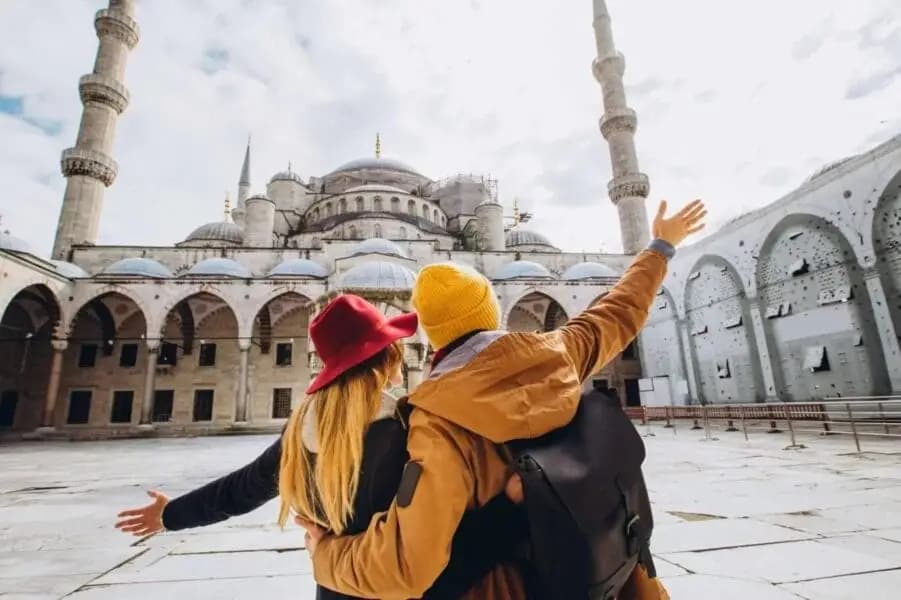
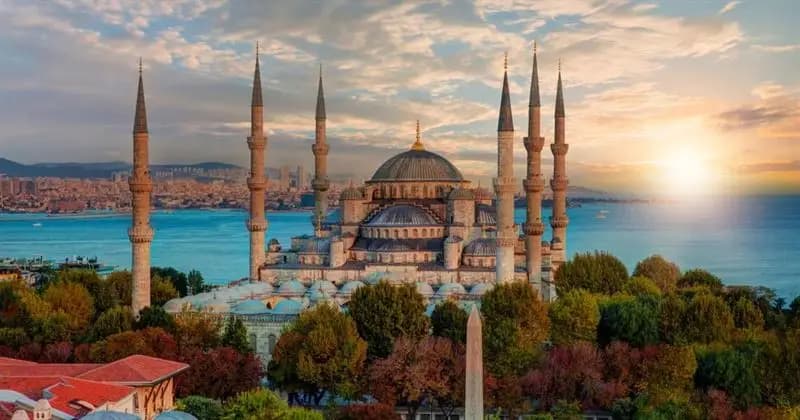
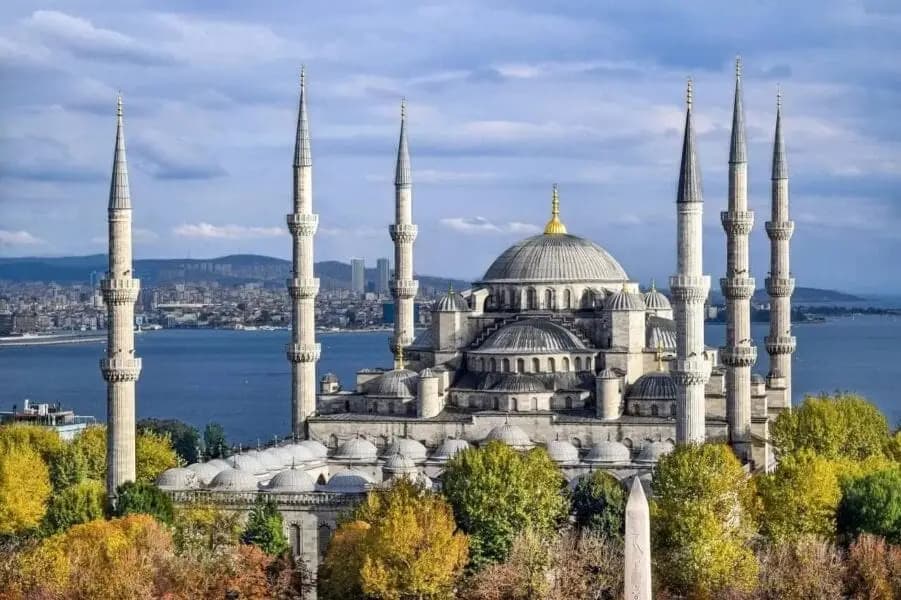
1609 और 1616 के बीच, सुल्तान अहादमी ने नीली मस्जिद. ऑटोमन साम्राज्य के दौरान, यह एक शाही मस्जिद थी। इसे "नीली मस्जिद" के नाम से जाना जाता है, लेकिन पर्यटकों ने इसके अंदर के नीले टाइलों के कारण इसे "नीली मस्जिद" नाम दिया।
इस्तांबुल मोज़ेक संग्रहालय रोमन टाइलों का एक अद्भुत संग्रह है, जिनमें से अधिकांश 4 वीं से 6 वीं शताब्दी तक हैं. संग्रहालय कस्टिनटोपल के महान महल में है, जो पर्यटकों को एक अद्वितीय मौका देता है कि इन मोज़ेक कला के कामों को कितना जटिल रूप से बनाया गया था. मोज़ेक में मिथोलिक पात्रों, दैनिक जीवन और पवित्र प्रतीकों जैसे विभिन्न दृश्य दिखाई देते हैं.
इस्लामी कला संग्रहालय इस्तांबुल में कई अलग-अलग स्थानों और समय से इस्लामिक कला और वस्तुओं का एक अद्भुत संग्रह है. संग्रहालय में प्रदर्शित कई अलग-अलग प्रकार के कला हैं, जैसे कि प्रकाशित पाठ, कैलिग्राफी, सिरेमिक, वस्त्र, धातु और लकड़ी कला।
Visitors can look at the beautiful craftsmanship and intricate details of these works, which show off the Islamic world's rich cultural history. The Istanbul Islamic Art Museum gives a fascinating look at how Islamic society has contributed to art and culture throughout history.
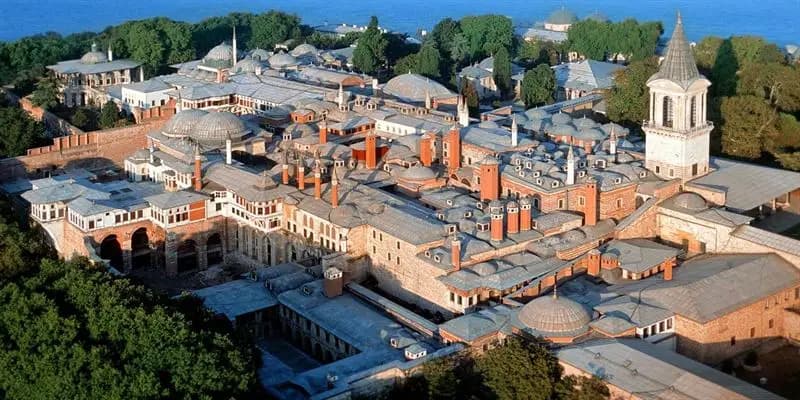
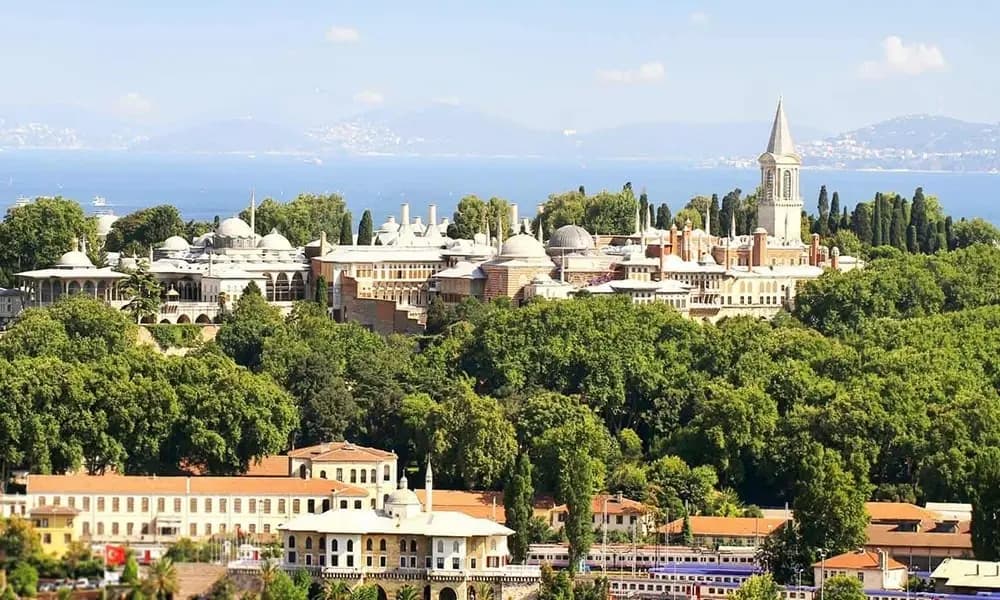
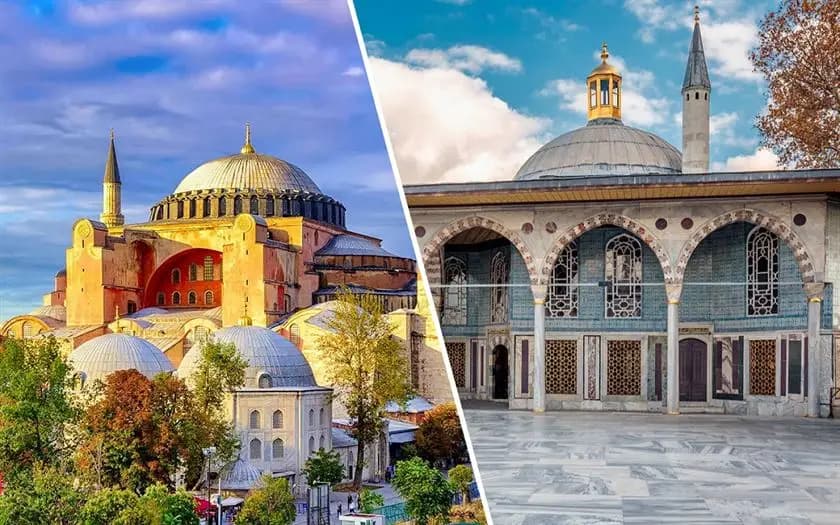
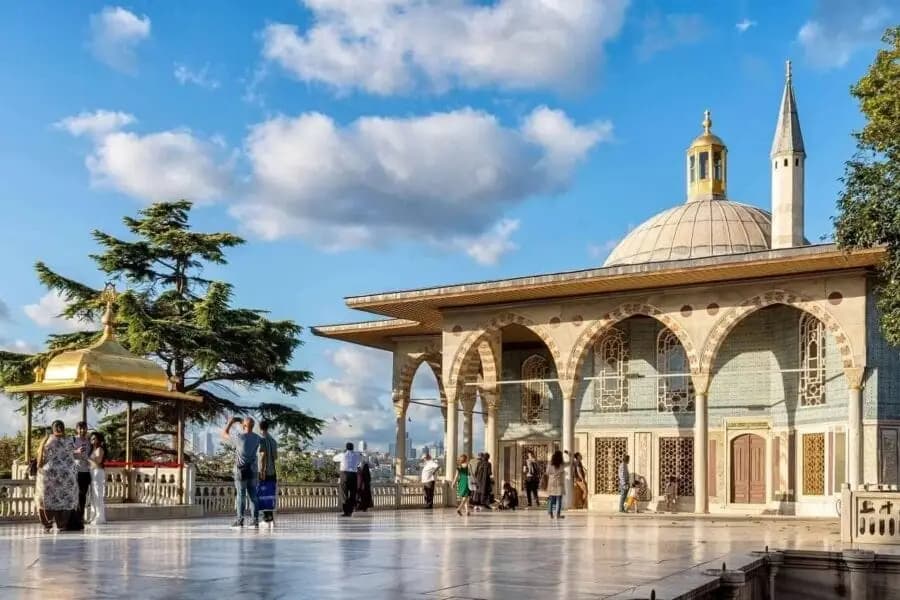
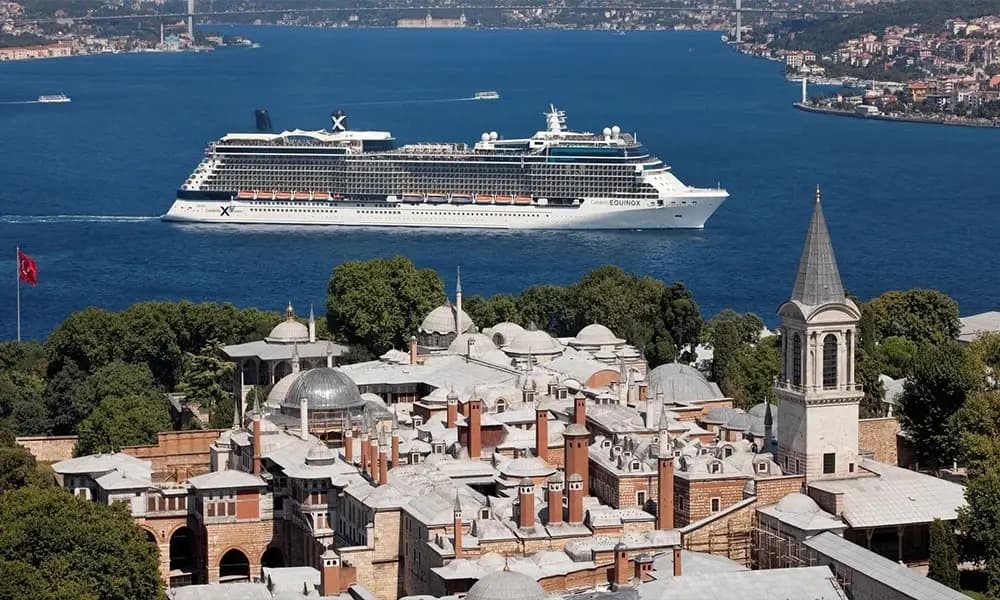
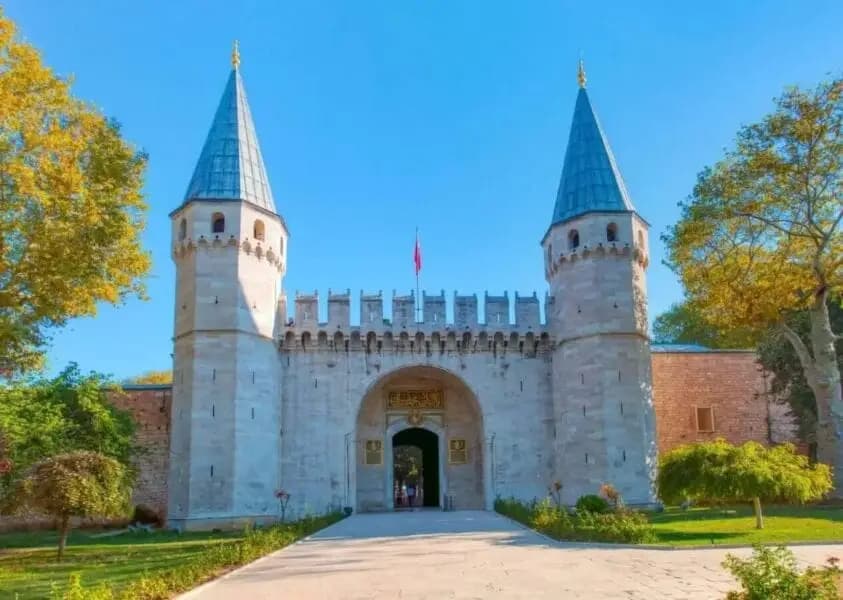
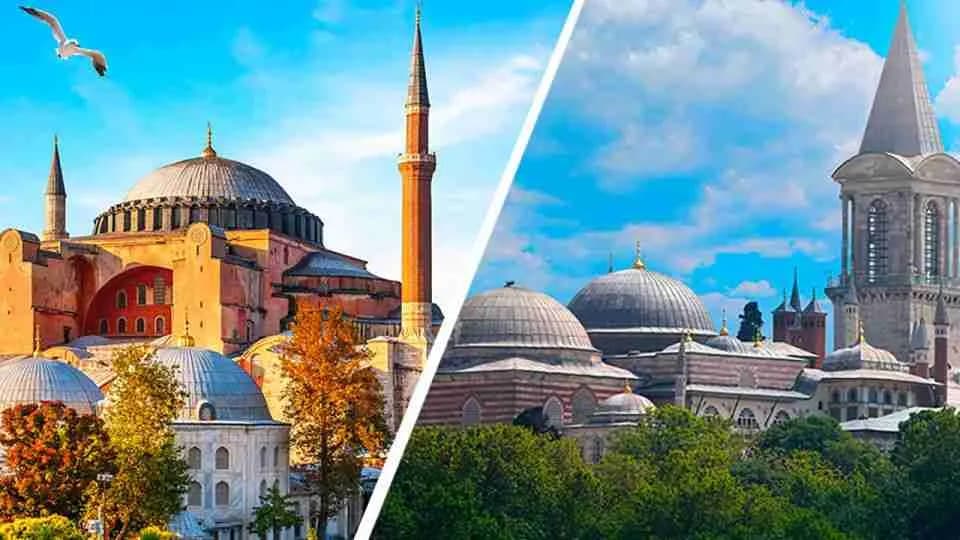
टोपकापी महल यह पहले ऑटोमन साम्राज्य की सरकार और जीवन का केंद्र था। 15वीं शताब्दी में, सुल्तान मेहमेद द्वितीय ने इस महल का निर्माण किया। बाद में, यह ऑटोमन साम्राज्य की सरकार का केंद्र बन गया। 1924 से, इसका उपयोग एक संग्रहालय के रूप में किया जा रहा है।
दिन 2: इस्तांबुल के पुराने शहर, भाग 2
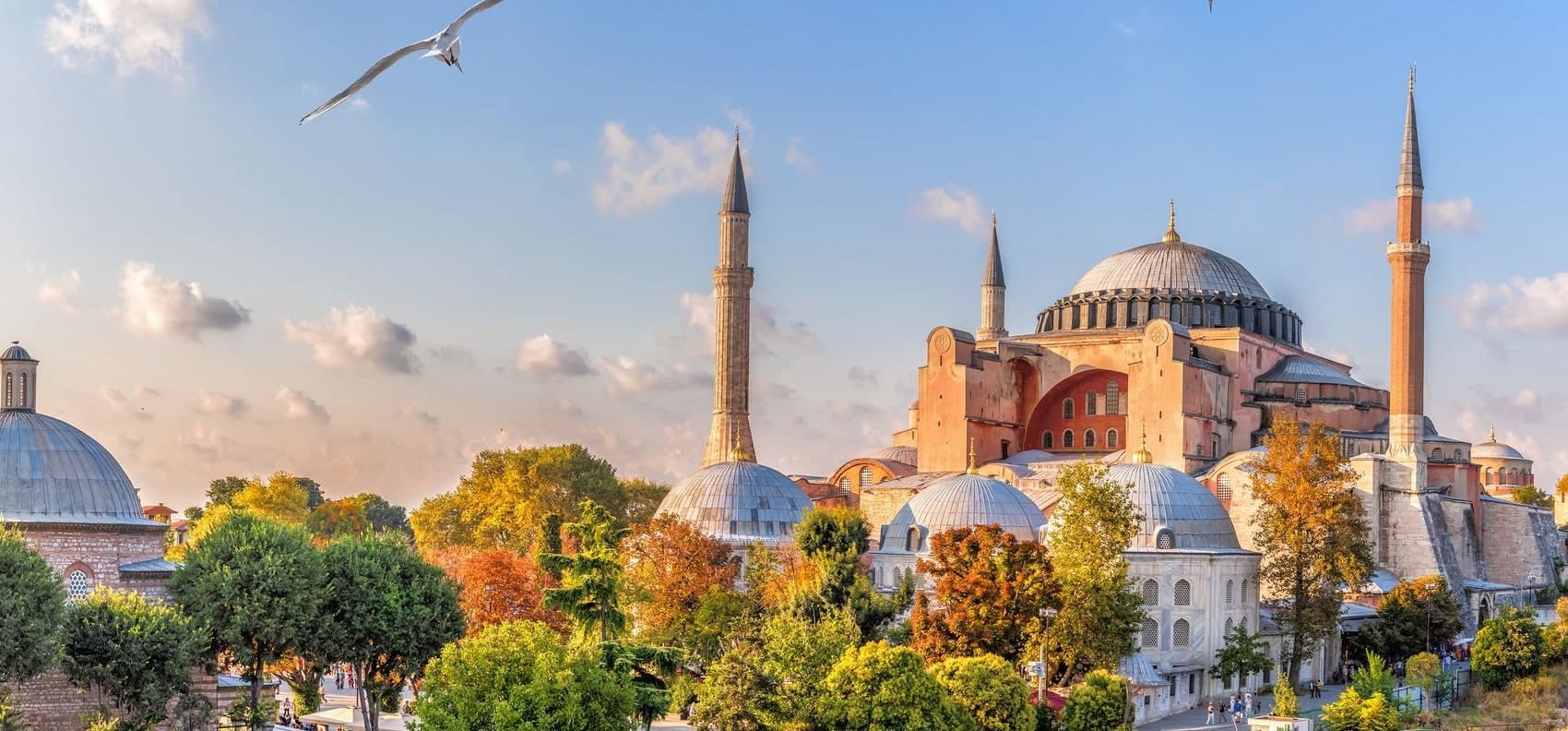
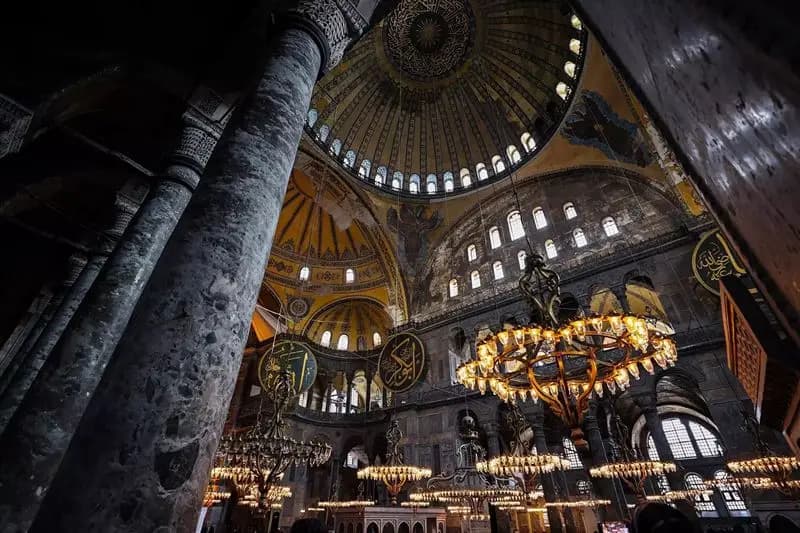
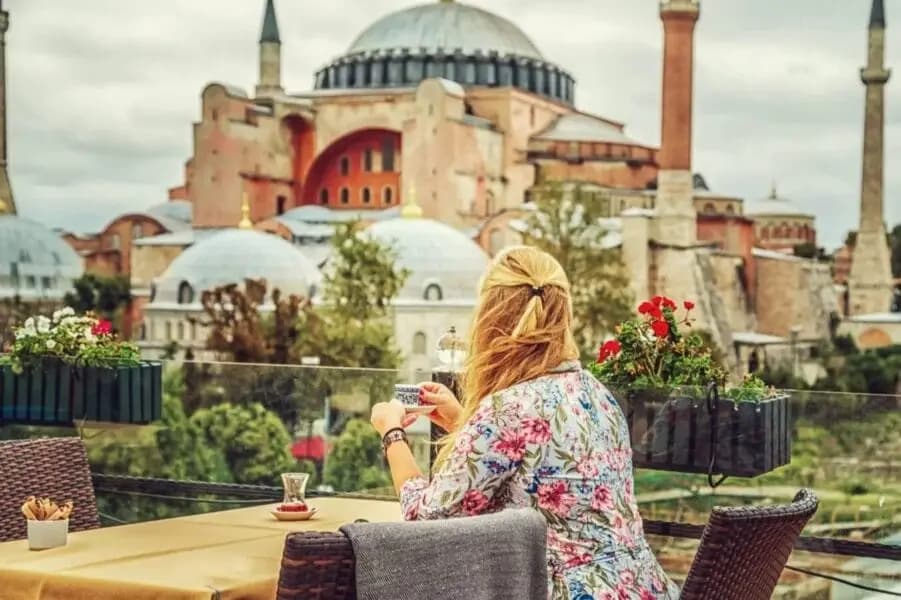
532 और 537 के बीच, यस्टिनियान, रोमन सम्राट, ने हागिया सोफ़ियायह दुनिया का सबसे ऊँचा और सबसे बड़ा चर्च बन गया। 16वीं शताब्दी में, ऑटोमन साम्राज्य ने इस चर्च को एक मस्जिद में बदल दिया। 1934 में, इसे एक संग्रहालय में बदल दिया गया। 2020 के जुलाई में, हागिया सोफ़िया फिर से एक संग्रहालय नहीं रहा, बल्कि एक मस्जिद बन गया। अन्य चर्चों की तरह, पर्यटक भी हागिया सोफ़िया जा सकते हैं।
The Roman Emperor Justinian built the underground water tank close to the Hagia Sophia.
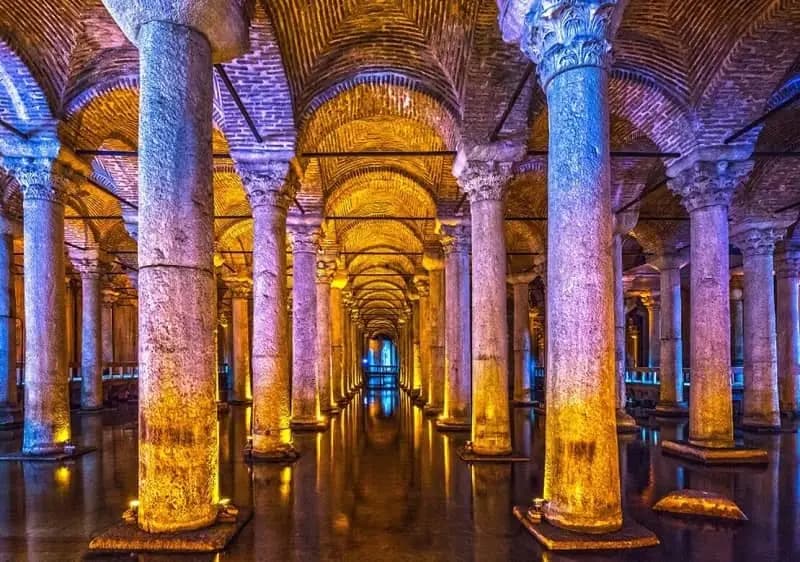
वर्ष 600 में, बेसिलिका सिस्टर्न was built. The tank is about 9,800 square meters and is 138 meters long and 65 meters wide. The upside-down and right-side-up Medusa heads on marble bases are the building's most famous exhibits, instead of its columns.
इस्तांबुल पुरातत्व संग्रहालय has a huge collection of items from many different times and places. The museum has three main parts: the Archaeological Museum, the Museum of the Ancient Orient, and the Tiled Kiosk Museum. Artifacts from ancient cultures like Mesopotamia, Egypt, Greece, and Rome can be seen in the museum's displays.
There are figures, sarcophagi, pots, coins, and very detailed works of art in the collection. The Istanbul Archaeology Museum is a treasure trove of historical and cultural artifacts that take visitors on a fascinating trip through the region's rich past.
ग्रैंड बाज़ार यह दुनिया का सबसे पुराना बाजार है जो हमेशा खुले रहा है. 61 सड़कों पर 4,000 से अधिक दुकानें हैं, और दीवारें उन्हें पूरी तरह से घेरती हैं. 15 वीं शताब्दी में, सुल्तान मेहमेट II ने ग्रैंड बाज़ार का निर्माण किया. बाद में, अन्य सुल्तान इसके लिए जोड़ दिए. आपका गाइड आपको अपने पसंदीदा तुर्की कला का टुकड़ा ढूंढने में मदद करने में खुश होगा यदि आप पूछते हैं।
Day 3: Private Guided Bosphorus Cruise Tour
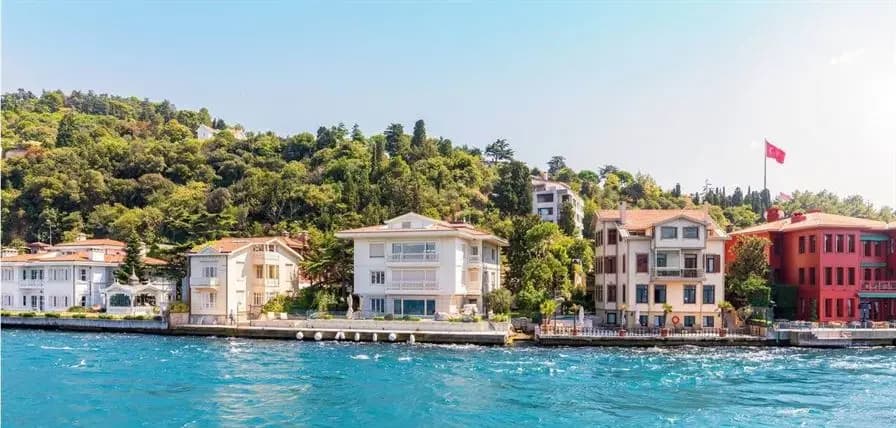
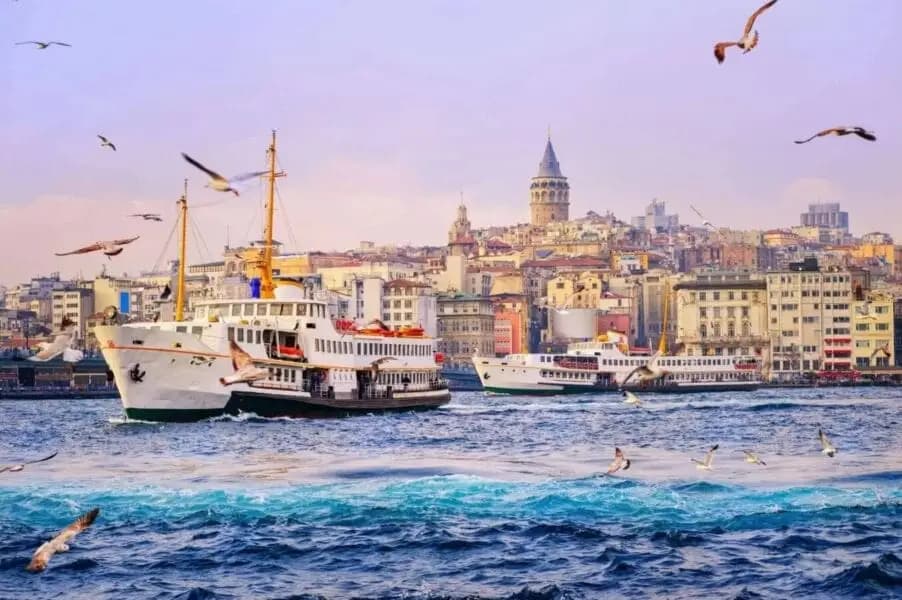
बोस्फोरस क्रूज: The strait between the Black Sea and the Sea of Marmara is 32 kilometers long, and it divides Istanbul into two countries. There are a lot of interesting things to see in the towns along the Bosphorus, like huge palaces, resorts, yali (private houses), and so on.
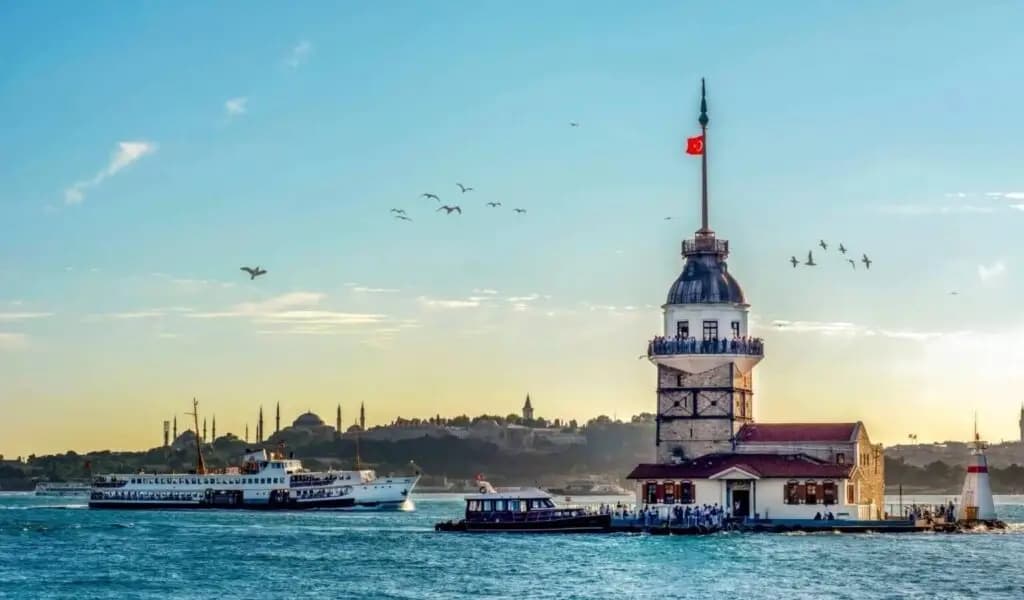
On the boat, you will see the Dolmabahce Palace, the Ortakoy Mosque, the Raan Palace, the Bosphorus Bridge, the Rumeli Fortress, the Kücüksu Palace, the Fatih Sultan Mehmet Bridge (the second bridge on the Bosphorus), and the Maiden's Tower.
Sultan Abdulmejid ने बनाया था डोल्माबाहचे महल between 1843 and 1856 so that the Ottoman royal family could live there. Garabet Balyan, Nigogayos Balyan, and Evans Kalfa were all Armenian architects who built the house. The Dolmabahce Palace has 285 rooms, 6 bathrooms, and 46 halls.
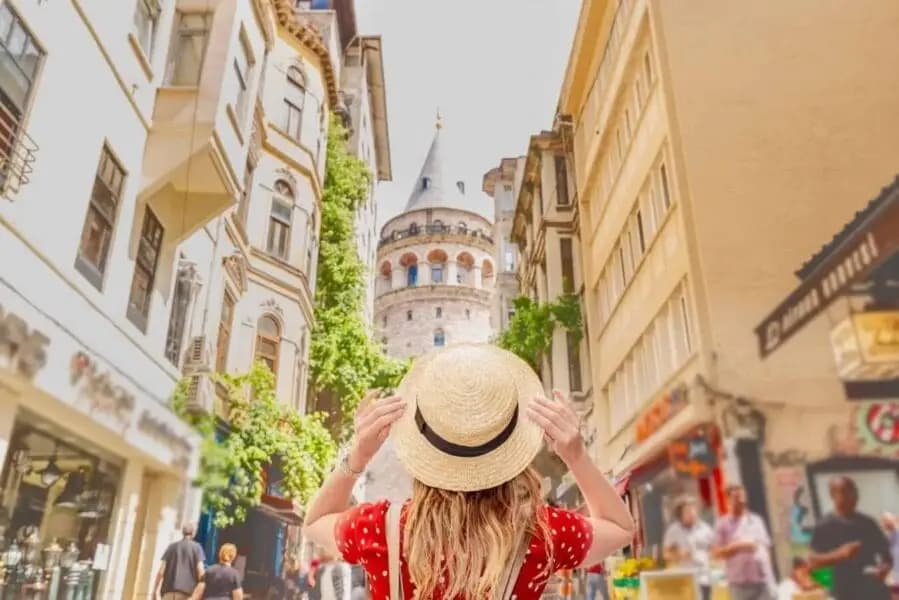
Taksim Square and Istiklal Street: For the vast majority of people who live in Istanbul, Taksim Square and Istiklal Street, which is a pedestrian-only street lined with bars and restaurants, are the city's centers. Between Taksim Square and the Galata Tower, the road goes for 1.44 km (0.87 mi).
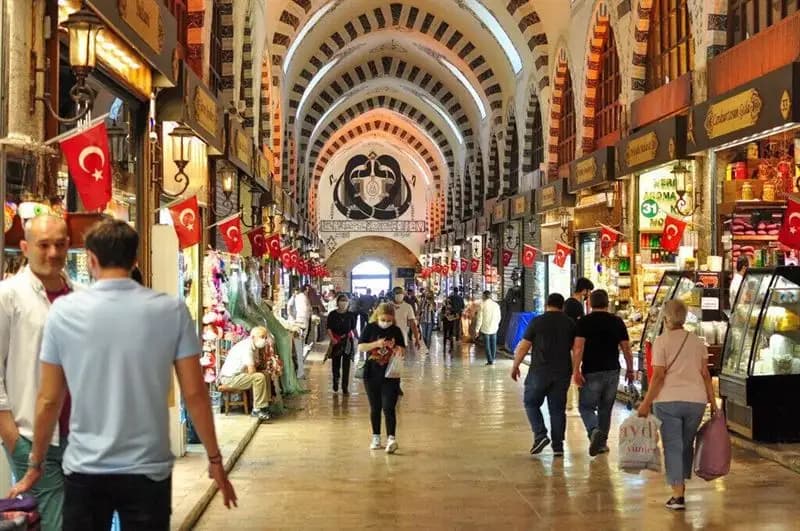
तुर्हान हैटिस, जो सुल्तान मेहमान IV की मां थी, ने निर्माण किया मसाला बाज़ार, also known as the Spice Market, between 1660 and 1665. The market is the center of the spice trade in Istanbul. You can buy Turkish sweets, baklava, and gifts there.
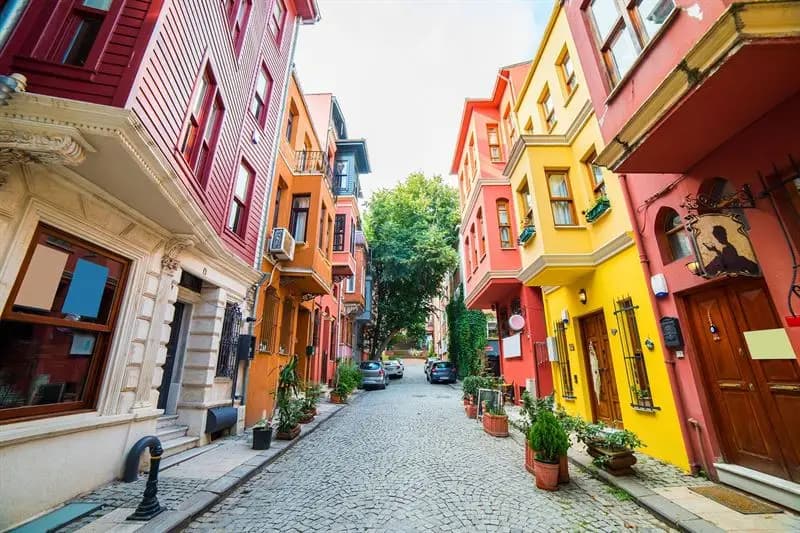
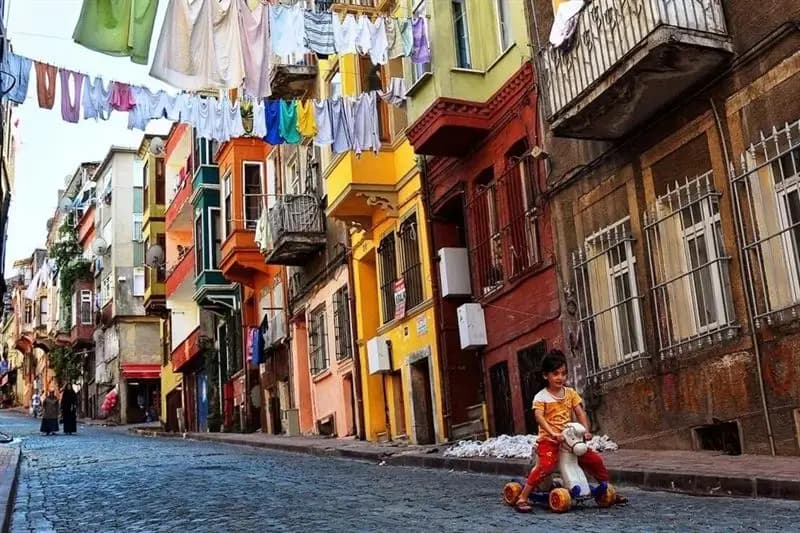
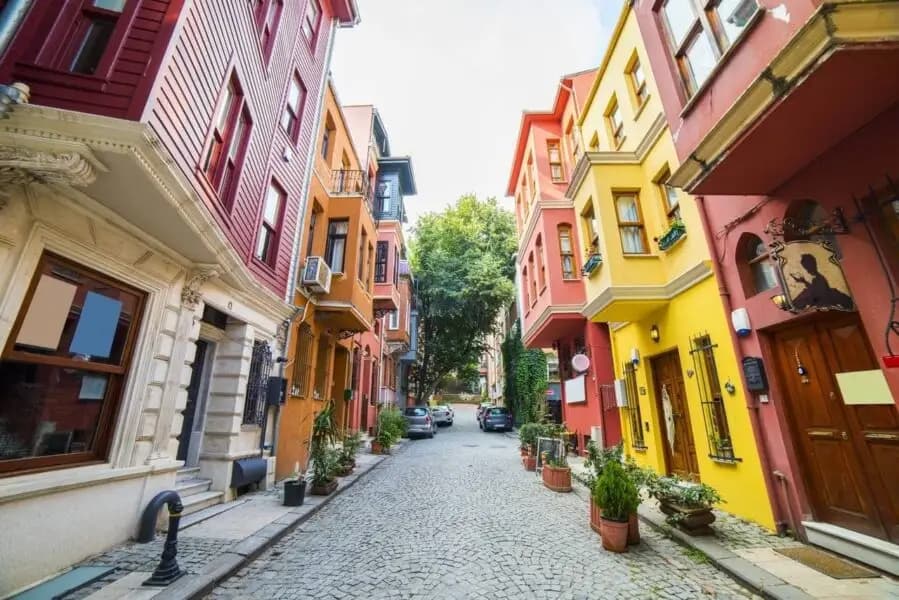
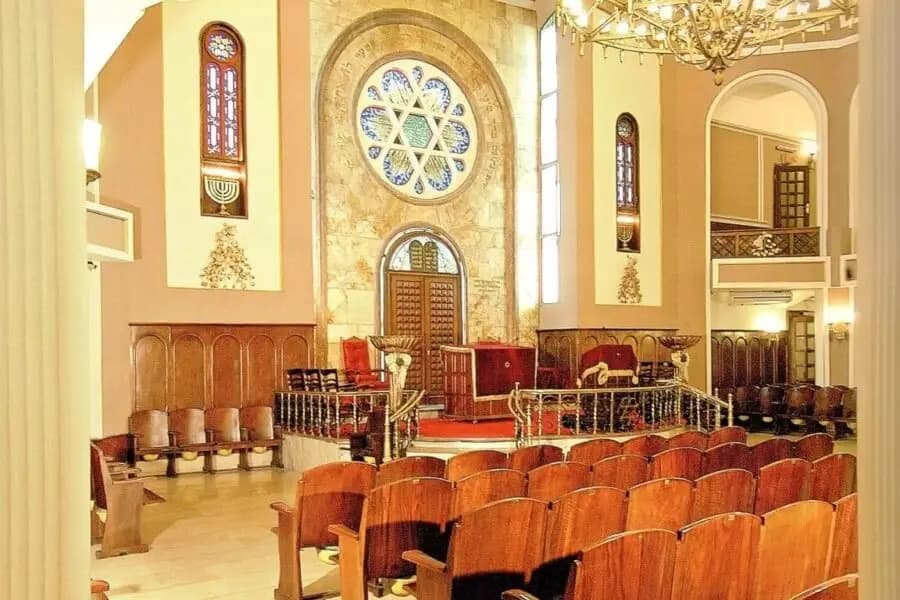
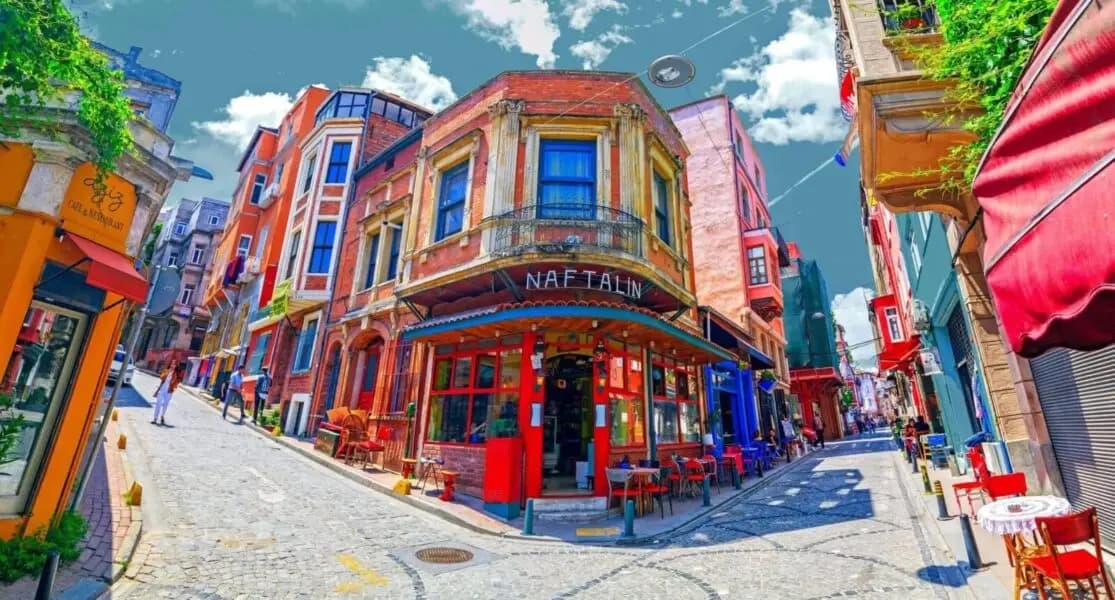
बलात और फ़ेनर are both on the ancient peninsula. These places are known for their rich cultural history and lively atmosphere. Balat and Fener are known for their small, winding streets that are lined with colorful, traditional Ottoman homes. With Greek, Jewish, and Armenian influences, these areas show how diverse Istanbul's past was. People can walk around the busy streets, go to old churches and synagogues, and learn about the lively local culture.
Day 4: Istanbul Asian Side Tour
Kadıköy is on the Asian side of Istanbul. It is thought to have been the first place people lived before the Byzantine era. One of the best places to visit in Istanbul is the famous neighborhood of Kadikoy.
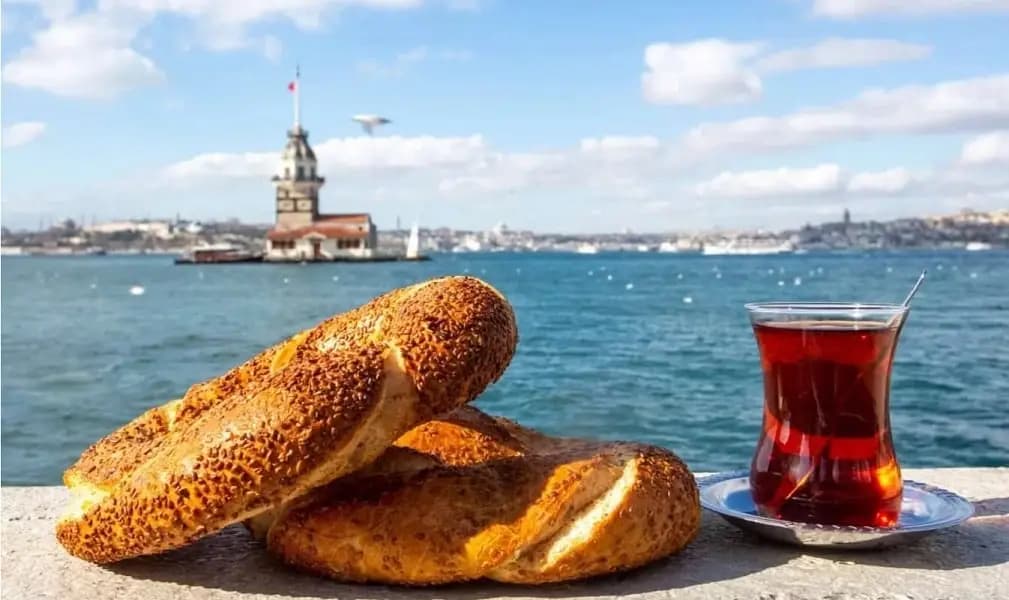
Üsküdar: This area was called Khyrsopolis in the past, which means "the golden city." Uskudar is the most historic area on the Asian side. It is known for its Ottoman mosques. The Maiden's Tower is the most famous building in the area.
Kuzguncuk: This is the first Jewish settlement in Istanbul. The exact year they moved there is not known. Reports from the 17th century say that a small group of Jews lived in Kuzguncuk. Now, Kuzguncuk is known for its colorful Turkish and Roman houses made of wood.
बेल्जियम is one of the most beautiful parts of Istanbul. It is close to the Bosphorus Bridge and the Beylerbeyi Palace. It is known for its shops and restaurants that serve seafood. You should sit back, drink some Turkish coffee, and enjoy the breeze from the Bosphorus.
5. दिन: विज़ेंटियन और ओटोमन विरासत दौरा
The Church of Saints Sergius and Bacchus, also known as "Küçük Ayasofya मस्जिद," is an old building in Istanbul's Old City. During the Byzantine Empire, it was built in the sixth century. It was an early example of Byzantine architecture and a forerunner to the larger Hagia Sophia.
संरचना में केंद्र में एक कूपन का समर्थन करने वाले जटिल स्तंभ हैं. इसमें दीवारें भी हैं जो अत्यधिक सजाए गए हैं और उन पर सुंदर मोज़ेक हैं. आज, यह एक प्रसिद्ध सांस्कृतिक और वास्तुकला स्थल है जो अपनी कलात्मक और ऐतिहासिक सुंदरता के साथ लोगों को आकर्षित करता है.
इस्तांबुल के सात टॉवर, which are also called Yedikule, are a group of old fortifications in Istanbul, Turkey. During the time of the Byzantines, these towers were built as part of the city's walls to protect it. The towers were placed in a smart way to protect the land walls of Constantinople, the city of the Byzantine Empire. Over time, the towers became a sign of how strong and tough the city was. Today, people can visit these old towers and see relics from Istanbul's long past while taking in sweeping views of the city.
इस्तांबुल के पुराने शहर को प्रसिद्ध शहरों द्वारा घिरा हुआ है इस्तांबुल शहर की दीवारेंविज़ेंटियन साम्राज्य ने इन दीवारों को बनाया, लेकिन ओटोमन साम्राज्य ने उन्हें जोड़ा और उन्हें मजबूत कर दिया।
The Fatih Mosque, also called the Conqueror's Mosque, is an old and famous holy building in Istanbul's Old City. It is also known as the Conqueror's Mosque. After Sultan Mehmed II took control of Constantinople in 1453, he gave the order to build it. It was built between 1463 and 1470. The mosque is a beautiful example of an Ottoman building.
It has a big dome, elegant minarets, and a lot of intricate details on the outside. It is important not only because it is a beautiful piece of architecture but also because it is a symbol of the Ottoman Empire's victories and cultural history. The Fatih Mosque is still a respected place of worship and a popular place for tourists to come.
The Süleymaniye Mosque in Istanbul's Old City is a beautiful piece of architecture. Sultan Süleyman the Magnificent asked the great Ottoman architect Mimar Sinan to build it in the 1600s. The mosque is known for its grandeur and grace. It has a huge dome, tall minarets, and an intricately designed interior with beautiful calligraphy and tilework.
It is a big sign of the high quality of Islamic art and Ottoman architecture. The Süleymaniye Mosque is both a place of worship and a famous tourist spot. It shows visitors some of Istanbul's rich cultural history.
इस्तांबुल के 5 दिन के दौरे के बारे में जानकारी
इस दौरे के लिए अधिकतम यात्रियों की संख्या 10 है। कृपया आराम से कपड़े पहनें और आरामदायक जूते पहन लें।
इस्तांबुल के 5 दिन के निजी टूर के लिए, हम आपको आराम से कपड़े पहनने और आरामदायक जूते पहनने की सलाह देते हैं।
- हम आपको आरामदायक कपड़े और जूते पहनने की सलाह देते हैं।
- यह दौरा हर दिन उपलब्ध है।
- टोपकापी महल मंगलवार को बंद रहता है।
- ग्रैंड बाज़ार रविवार को बंद रहता है।
- The Dolmabahce Palace is closed on Mondays.
बैठक के बिंदु
आपके होटल में
बैठक का समय
पहले समझौता
कीमत में शामिल
- निजी पेशेवर टूर गाइड
- 1 और 2 दिन के लिए सार्वजनिक परिवहन
- 3. तीसरे, चौथे और पांचवें दिन के लिए निजी वैन
कीमतों को छोड़
- भोजन और पेय
- प्रवेश शुल्क, मार्गदर्शन में उल्लेख किया गया
- Private Van on the 1st and 2nd day ( You can ask additionally. Price is 240 USD for full-day rental)