5 päivän yksityinen kierros Istanbul
5 päivän yksityinen Istanbul-kierros
Päivä 1: Istanbulin vanha kaupunki - kiertue, osa 1
Konstantinopolin ratsastuskenttä: U-muotoisessa areenissa 100 000 ihmistä katselee vanhaa hevoskilpailua. Konstantinopolin hippodromin ainoat säilyneet osat ovat egyptiläinen obelismi, serpentin pylväs ja Konstantinus-pylväät. Istumapaikat, seinät ja suurin osa jäljellä olevasta rakennuksesta ovat kuitenkin tuhoutuneet.
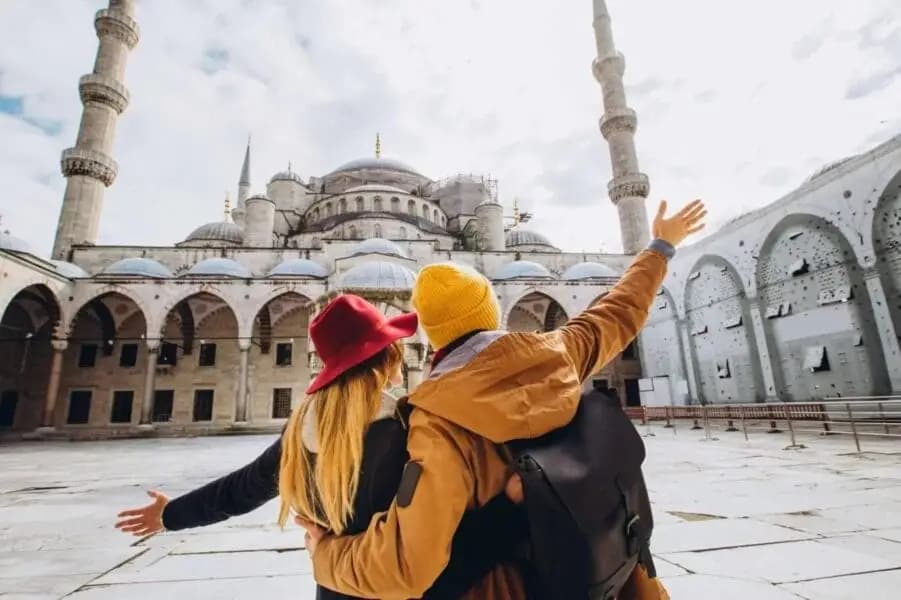
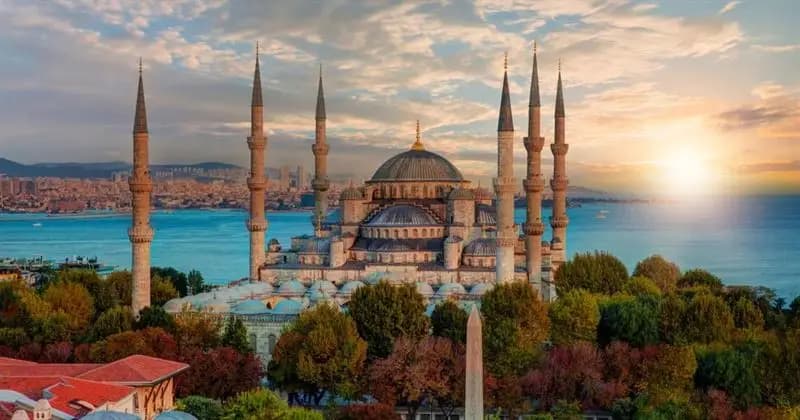
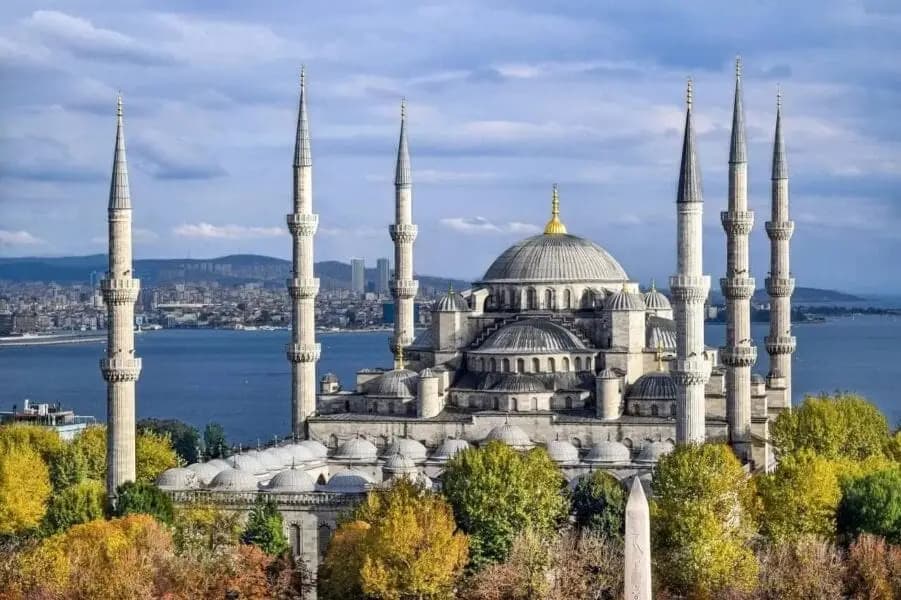
Vuosina 1609–1616 Sultan Ahmedin rakennustyöt Sininen moskeija. Osmanien valtakunnan aikana se oli kuninkaallinen moskeija. Sitä kutsutaan Siniseksi moskeijaksi, mutta turistit ovat antaneet sille nimen "Sininen moskeija" sen sisäseinissä olevien sinisten laattojen vuoksi.
Istanbulin mosaiikkimuseo on hämmästyttävä kokoelma roomalaisia laattoja, joista suurin osa on 4th-6. vuosisadalla. museo sijaitsee Konstantinopolin suuressa palatsissa, joka antaa matkailijoille ainutlaatuisen mahdollisuuden nähdä, kuinka monimutkaisesti nämä mosaiikkiteokset tehtiin.
Islamilaisen taiteen museo Istanbulissa on ihana kokoelma islamilaista taidetta ja esineitä monista eri paikoista ja ajoista. Museossa on monia erilaisia taidetta, kuten valaistuja tekstejä, kaligrafiaa, keramiikkaa, tekstiilejä, metallityötä ja puutaidetta.
Visitors can look at the beautiful craftsmanship and intricate details of these works, which show off the Islamic world's rich cultural history. The Istanbul Islamic Art Museum gives a fascinating look at how Islamic society has contributed to art and culture throughout history.
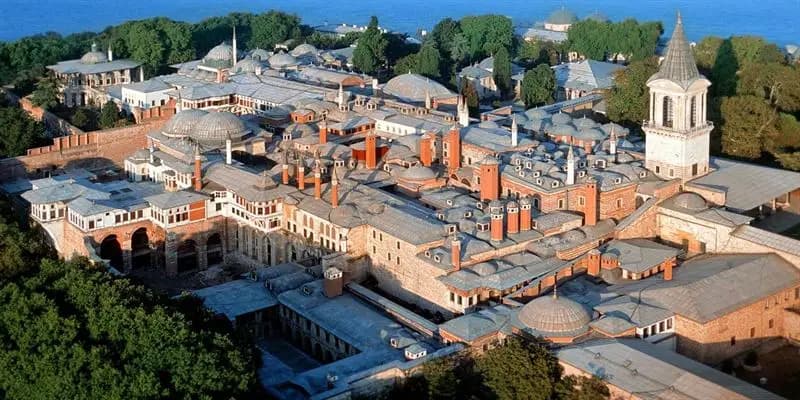
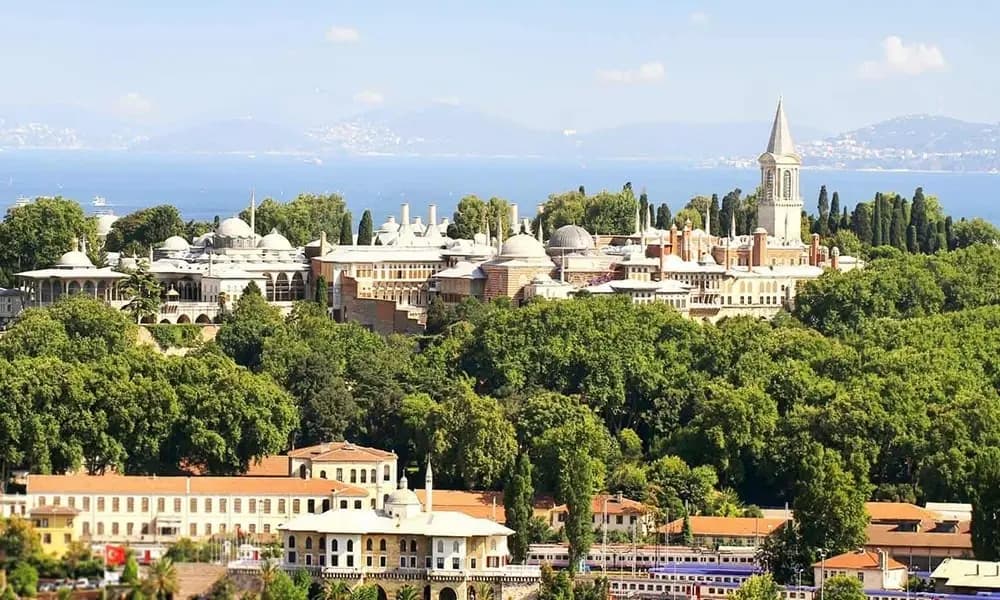
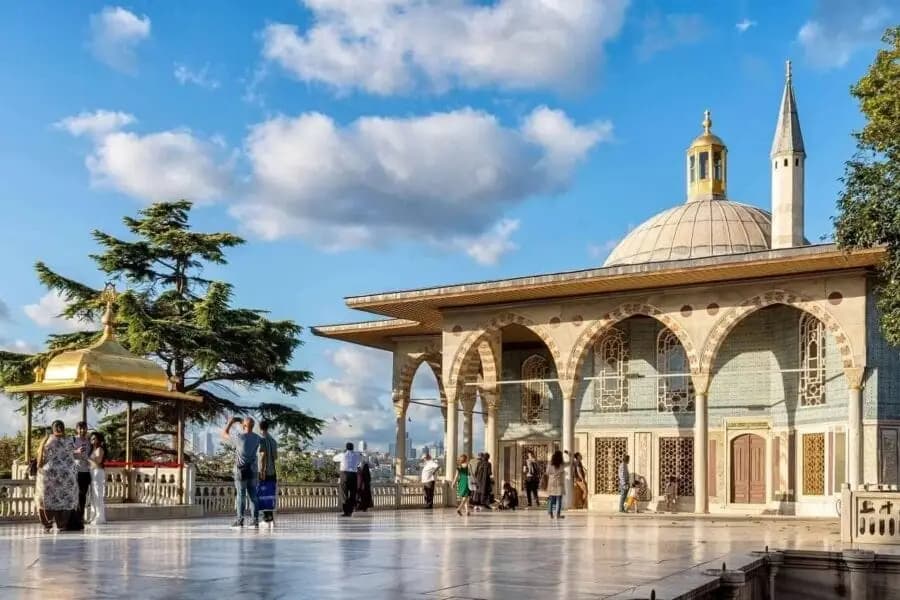
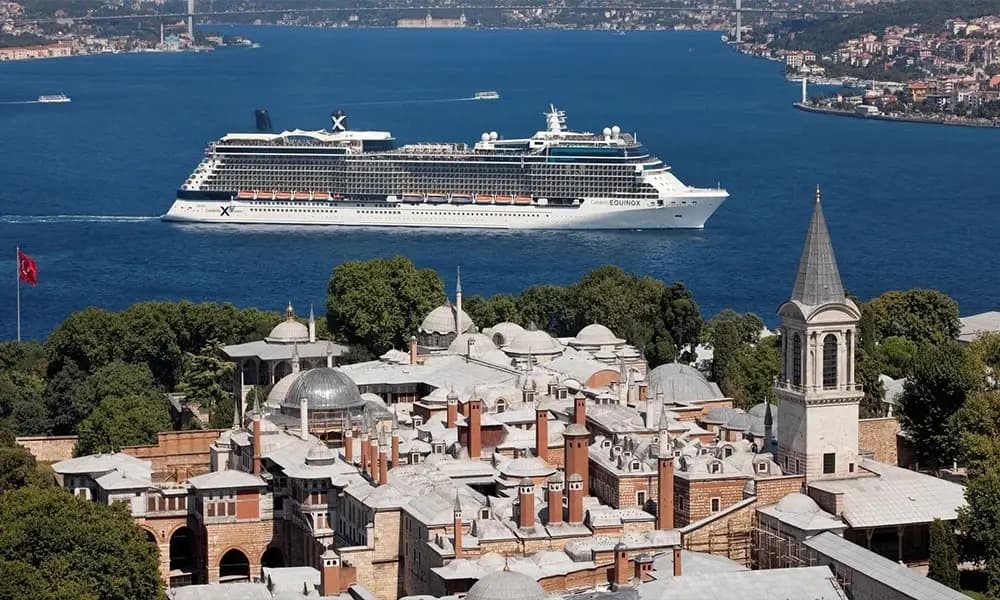
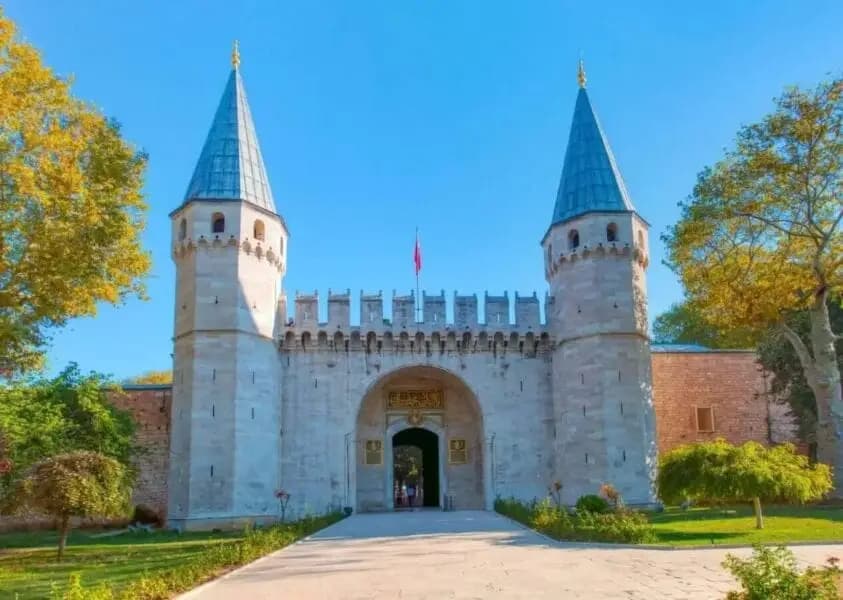
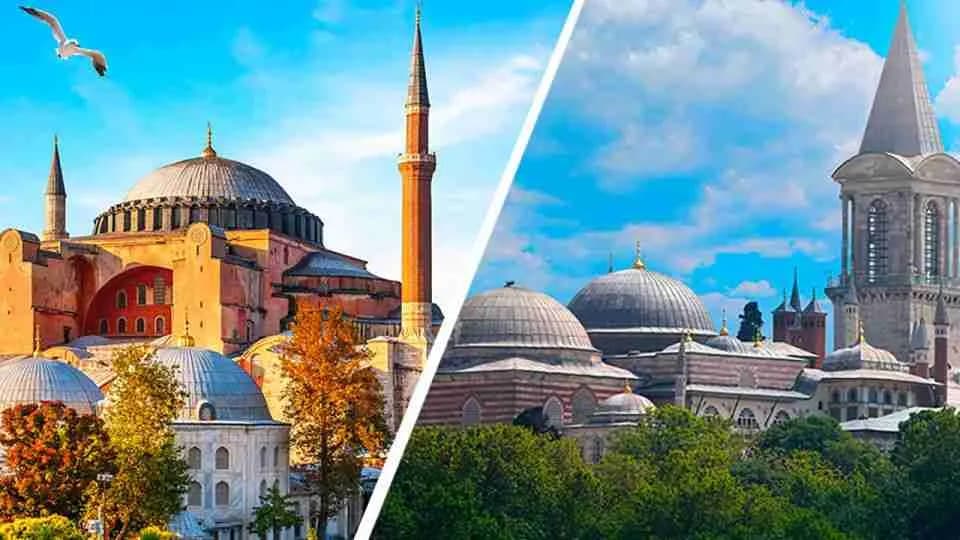
Topkapin palatsi Aikoinaan se oli osmanien valtakunnan hallinnon ja elämän keskus. 1500-luvulla sulttaani Mehmed II rakensi palatsin. Se muuttui myöhemmin osmanien valtakunnan hallinnon keskukseksi. Vuodesta 1924 lähtien se on toiminut museona.
Päivä 2: Istanbulin vanha kaupunki, osa 2
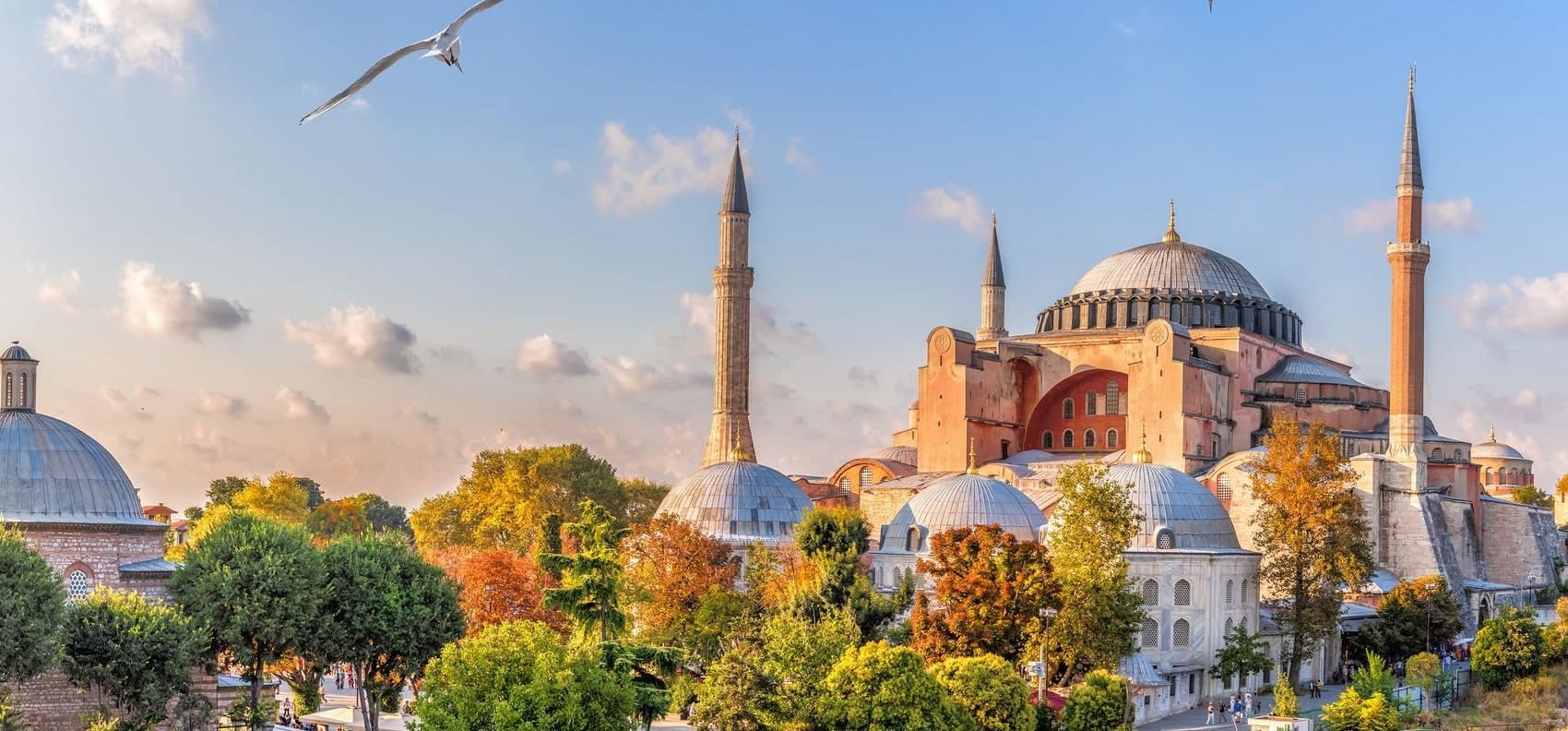
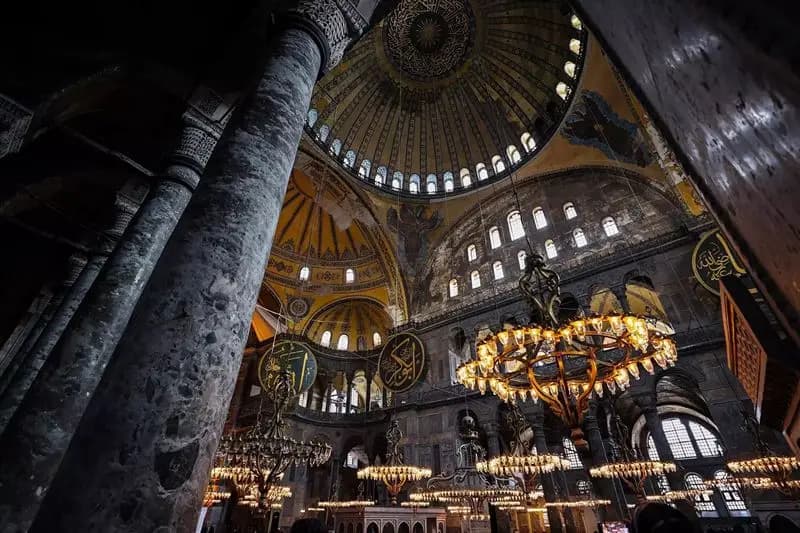
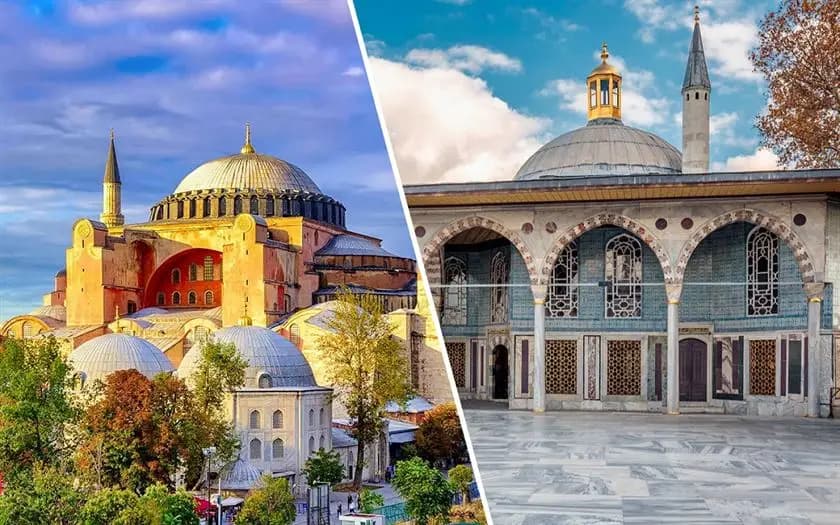
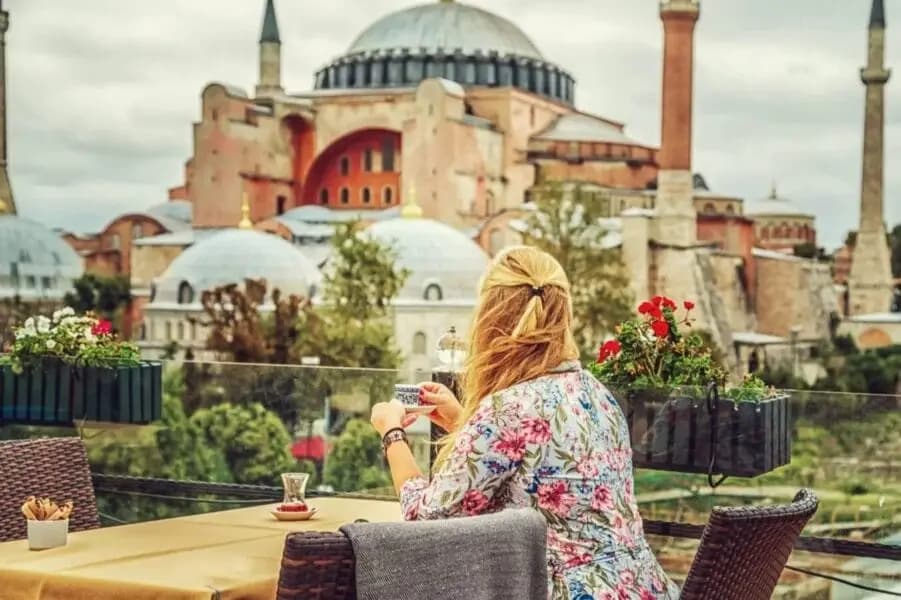
532–537 Rooman keisari Justinianus oli Hagia SofiaSe kasvoi maailman suurimmaksi ja korkeimmaksi kirkoksi. 1500-luvulla osmanit muuttivat kirkon moskeijaksi. Vuonna 1934 se muutettiin museoksi. Vuonna 2020 Hagia Sofia ei enää ollut museo, vaan palasi moskeijaksi. Kuten muutkin kirkot, myös Hagia Sofia on avoin vierailijoille.
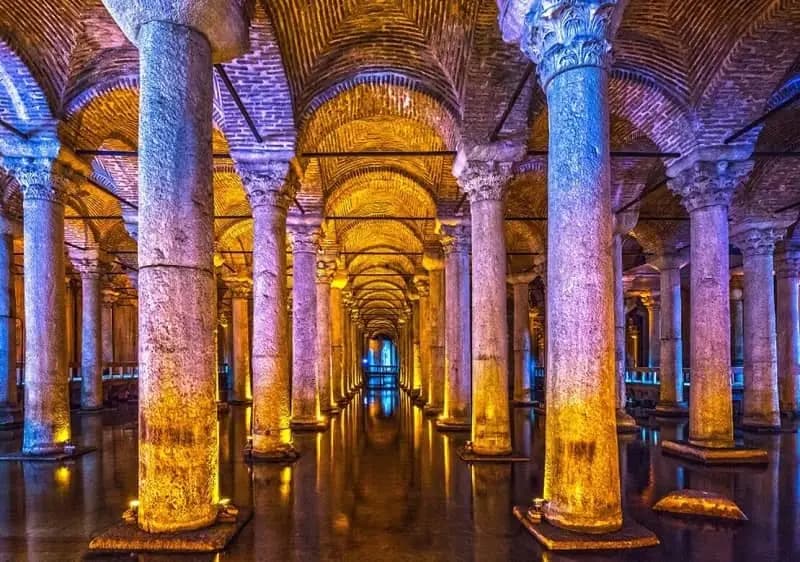
The Roman Emperor Justinian built the underground water tank close to the Hagia Sophia.
Vuonna 600, kun Basilikan vesisäiliö was built. The tank is about 9,800 square meters and is 138 meters long and 65 meters wide. The upside-down and right-side-up Medusa heads on marble bases are the building's most famous exhibits, instead of its columns.
Istanbulin arkeologinen museo has a huge collection of items from many different times and places. The museum has three main parts: the Archaeological Museum, the Museum of the Ancient Orient, and the Tiled Kiosk Museum. Artifacts from ancient cultures like Mesopotamia, Egypt, Greece, and Rome can be seen in the museum's displays.
There are figures, sarcophagi, pots, coins, and very detailed works of art in the collection. The Istanbul Archaeology Museum is a treasure trove of historical and cultural artifacts that take visitors on a fascinating trip through the region's rich past.
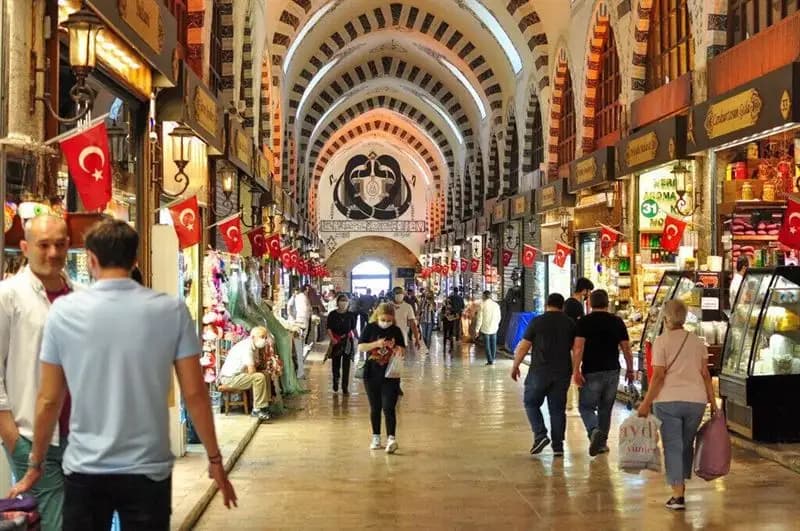
Suuri markkinapaikka is the oldest market in the world that has always been open. There are more than 4,000 stores on 61 streets, and walls completely encircle them. In the 15th century, Sultan Mehmet II built the Grand Bazaar. Later, other sultans added to it. Your guide will be more than happy to help you find your favorite piece of Turkish art if you ask.
Day 3: Private Guided Bosphorus Cruise Tour
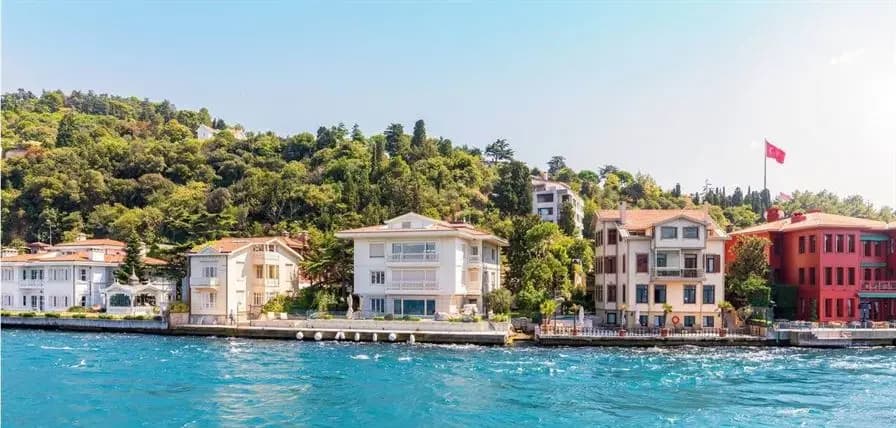
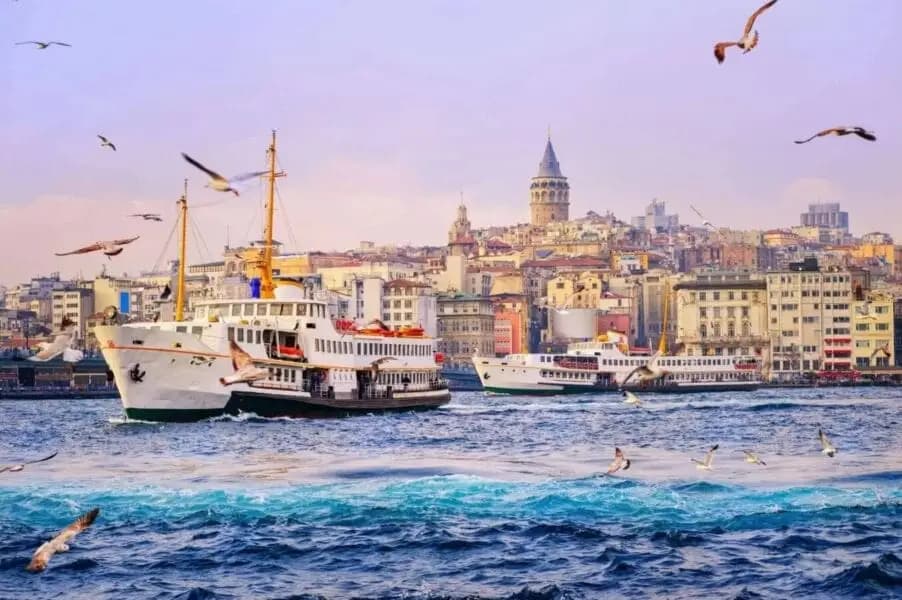
Bosporuksen salmessa järjestettävä risteily: The strait between the Black Sea and the Sea of Marmara is 32 kilometers long, and it divides Istanbul into two countries. There are a lot of interesting things to see in the towns along the Bosphorus, like huge palaces, resorts, yali (private houses), and so on.
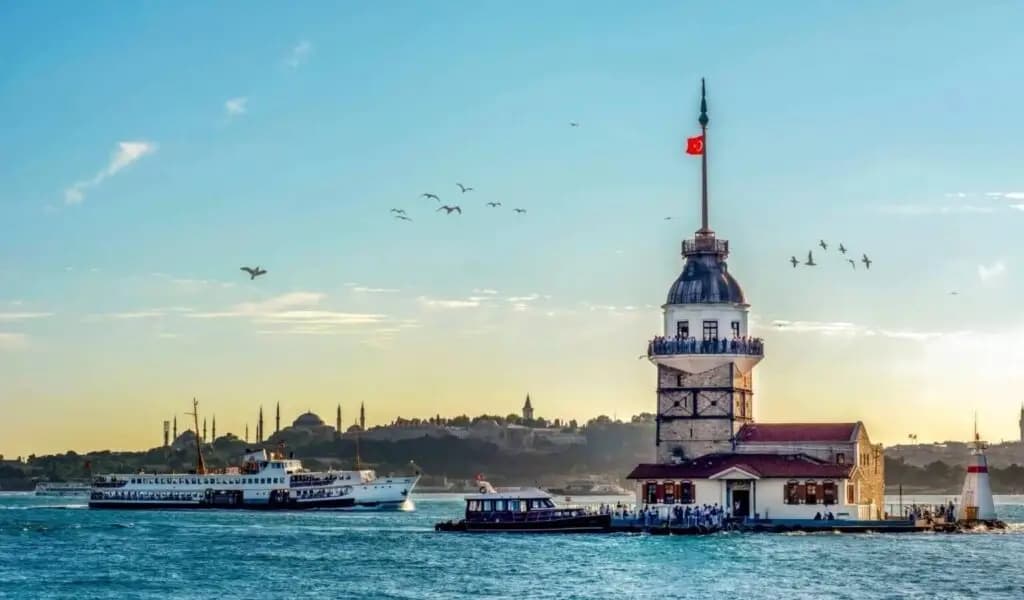
On the boat, you will see the Dolmabahce Palace, the Ortakoy Mosque, the Raan Palace, the Bosphorus Bridge, the Rumeli Fortress, the Kücüksu Palace, the Fatih Sultan Mehmet Bridge (the second bridge on the Bosphorus), and the Maiden's Tower.
Sultan Abdulmejid on rakentanut Dolmabahçe-palatsi between 1843 and 1856 so that the Ottoman royal family could live there. Garabet Balyan, Nigogayos Balyan, and Evans Kalfa were all Armenian architects who built the house. The Dolmabahce Palace has 285 rooms, 6 bathrooms, and 46 halls.
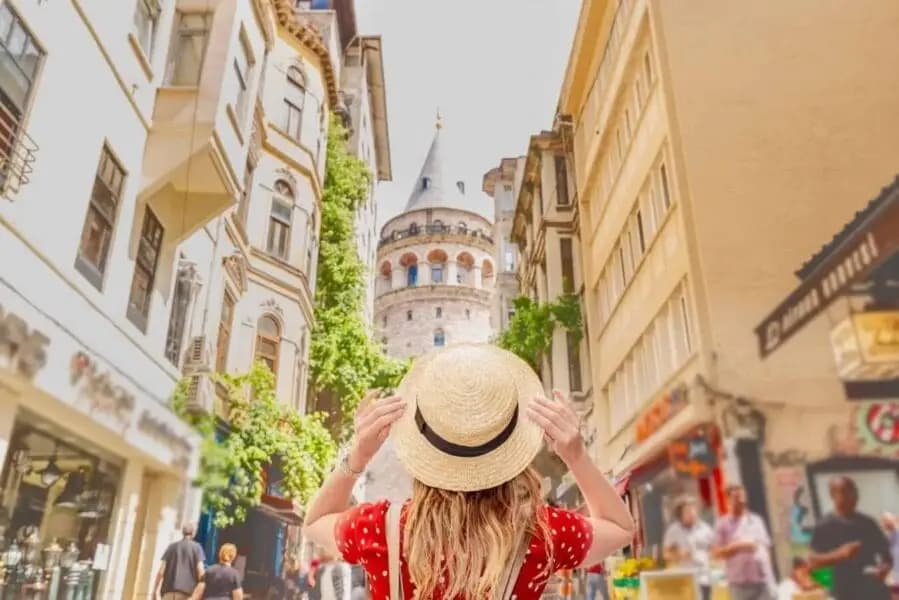
Taksim Square and Istiklal Street: For the vast majority of people who live in Istanbul, Taksim Square and Istiklal Street, which is a pedestrian-only street lined with bars and restaurants, are the city's centers. Between Taksim Square and the Galata Tower, the road goes for 1.44 km (0.87 mi).
Turhan Hatice, joka oli sultan Mehmed IV: n äiti, rakensi Maustebasaari, also known as the Spice Market, between 1660 and 1665. The market is the center of the spice trade in Istanbul. You can buy Turkish sweets, baklava, and gifts there.
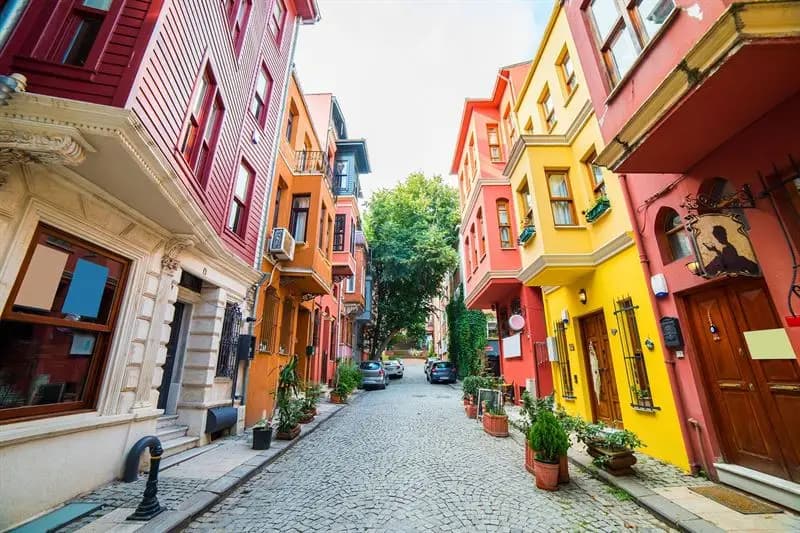
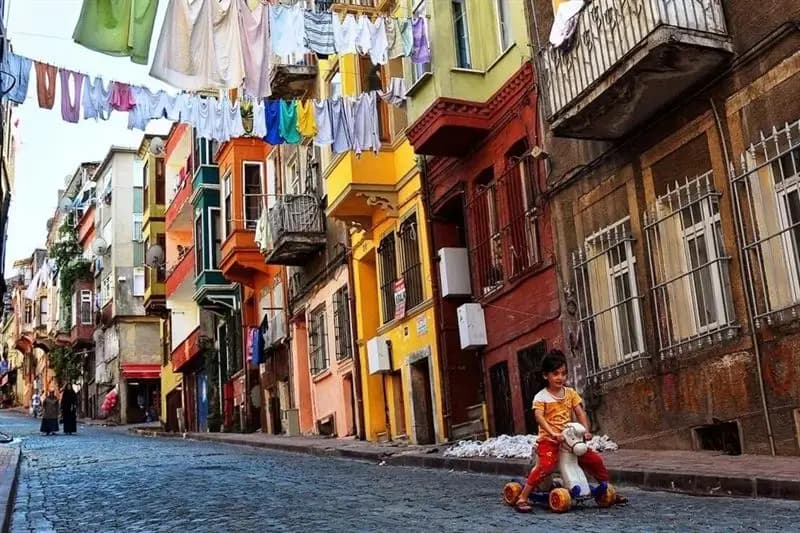
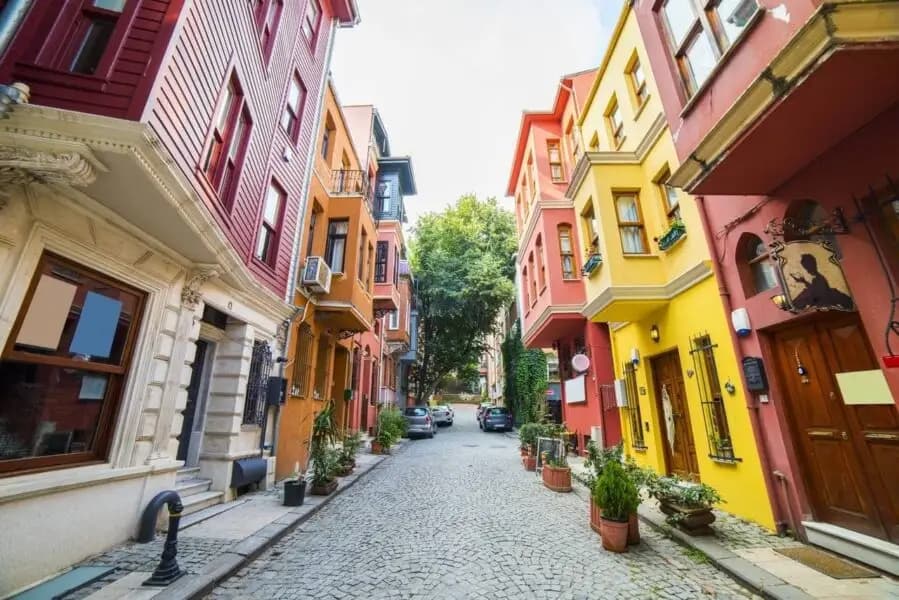
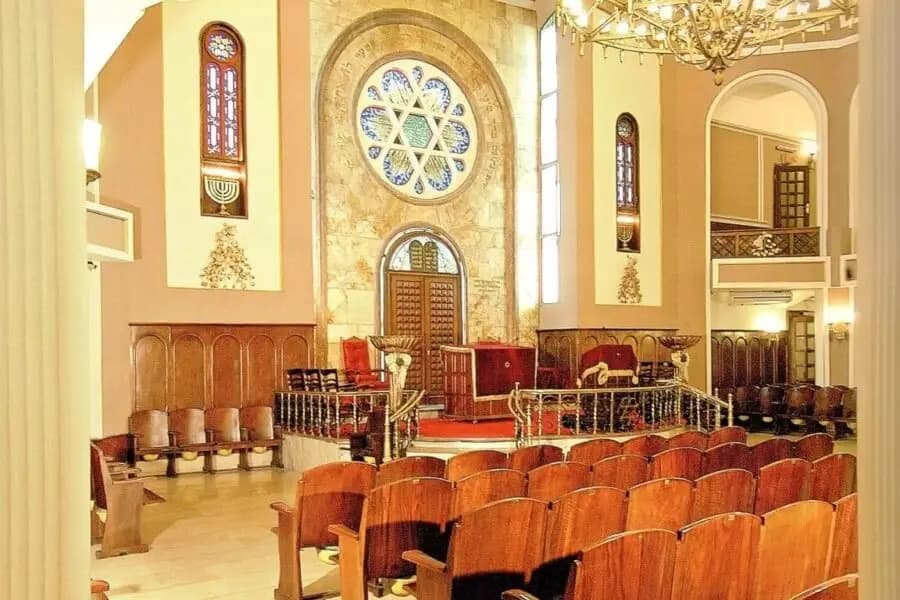
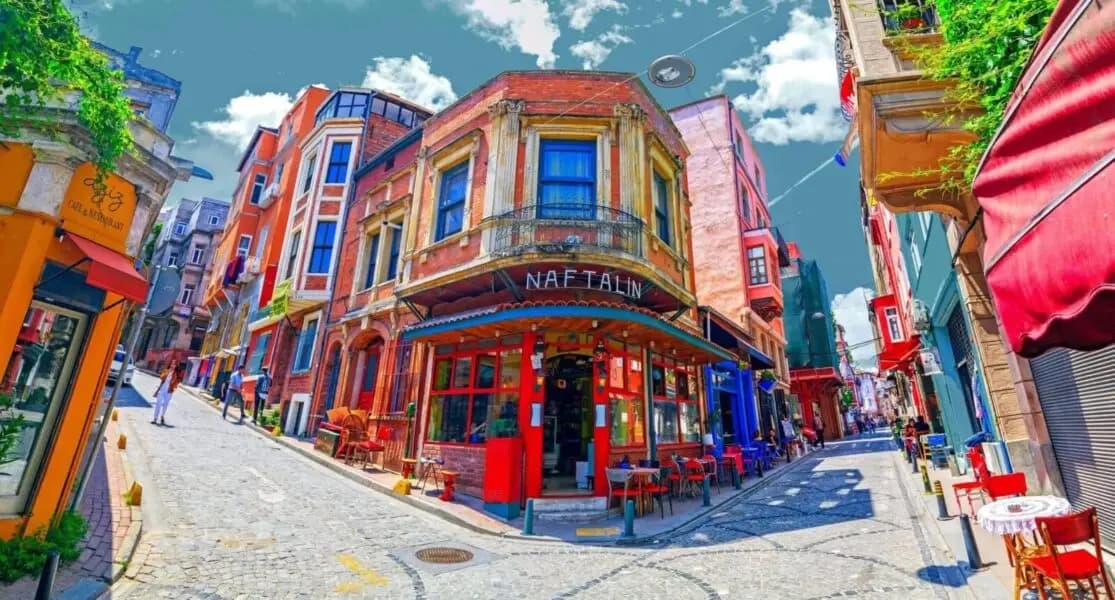
Balat ja Fener are both on the ancient peninsula. These places are known for their rich cultural history and lively atmosphere. Balat and Fener are known for their small, winding streets that are lined with colorful, traditional Ottoman homes. With Greek, Jewish, and Armenian influences, these areas show how diverse Istanbul's past was. People can walk around the busy streets, go to old churches and synagogues, and learn about the lively local culture.
Päivä 4: Istanbulin Aasian puolivälimatka
Kadıköy is on the Asian side of Istanbul. It is thought to have been the first place people lived before the Byzantine era. One of the best places to visit in Istanbul is the famous neighborhood of Kadikoy.
Üsküdar: This area was called Khyrsopolis in the past, which means "the golden city." Uskudar is the most historic area on the Asian side. It is known for its Ottoman mosques. The Maiden's Tower is the most famous building in the area.
Kuzguncuk: This is the first Jewish settlement in Istanbul. The exact year they moved there is not known. Reports from the 17th century say that a small group of Jews lived in Kuzguncuk. Now, Kuzguncuk is known for its colorful Turkish and Roman houses made of wood.
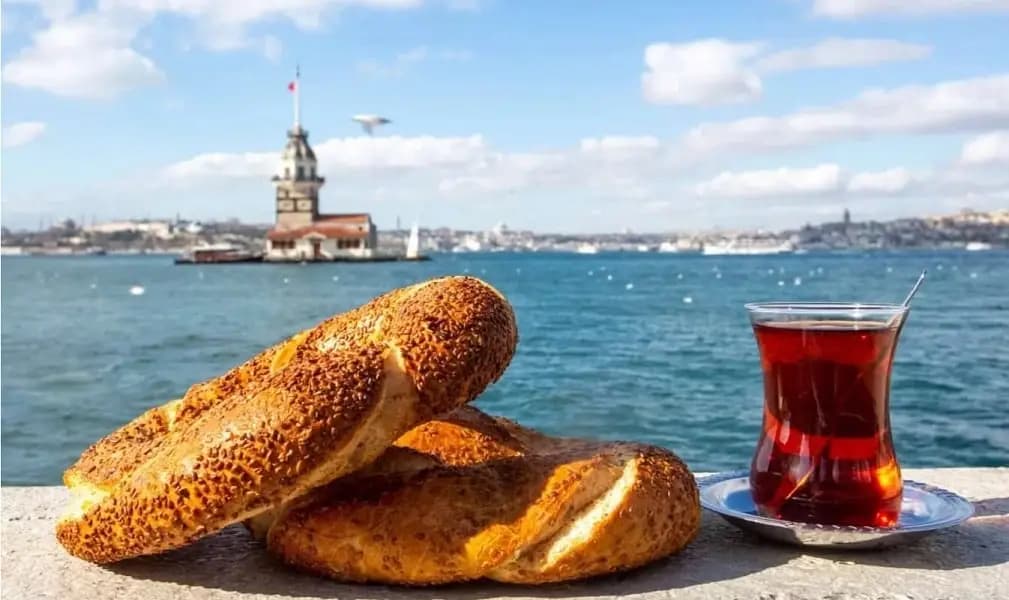
Beerleibä is one of the most beautiful parts of Istanbul. It is close to the Bosphorus Bridge and the Beylerbeyi Palace. It is known for its shops and restaurants that serve seafood. You should sit back, drink some Turkish coffee, and enjoy the breeze from the Bosphorus.
Päivä 5: Bysantin ja Ottomaanien perintö
The Church of Saints Sergius and Bacchus, also known as "Küçük Ayasofya-moskeija," is an old building in Istanbul's Old City. During the Byzantine Empire, it was built in the sixth century. It was an early example of Byzantine architecture and a forerunner to the larger Hagia Sophia.
Rakenteella on monimutkaisia sarakkeita, jotka tukevat kupolia keskellä. Siinä on myös seinät, jotka ovat erittäin koristeltuja ja niissä on kauniita mosaiikkeja.
Istanbulin seitsemän tornia, which are also called Yedikule, are a group of old fortifications in Istanbul, Turkey. During the time of the Byzantines, these towers were built as part of the city's walls to protect it. The towers were placed in a smart way to protect the land walls of Constantinople, the city of the Byzantine Empire. Over time, the towers became a sign of how strong and tough the city was. Today, people can visit these old towers and see relics from Istanbul's long past while taking in sweeping views of the city.
Istanbulin vanha kaupunki on kuuluisan Istanbulin kaupungin muuritByzantinen valtakunta rakensi nämä seinät, mutta Ottomaanien valtakunta lisäsi niitä ja teki niistä vahvempia.
The Fatih Mosque, also called the Conqueror's Mosque, is an old and famous holy building in Istanbul's Old City. It is also known as the Conqueror's Mosque. After Sultan Mehmed II took control of Constantinople in 1453, he gave the order to build it. It was built between 1463 and 1470. The mosque is a beautiful example of an Ottoman building.
It has a big dome, elegant minarets, and a lot of intricate details on the outside. It is important not only because it is a beautiful piece of architecture but also because it is a symbol of the Ottoman Empire's victories and cultural history. The Fatih Mosque is still a respected place of worship and a popular place for tourists to come.
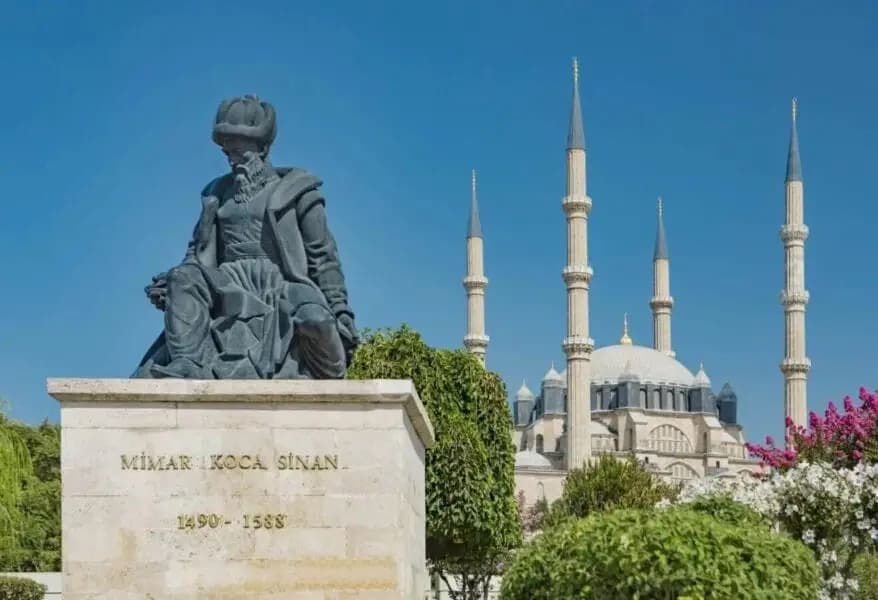
The Süleymaniye Mosque in Istanbul's Old City is a beautiful piece of architecture. Sultan Süleyman the Magnificent asked the great Ottoman architect Mimar Sinan to build it in the 1600s. The mosque is known for its grandeur and grace. It has a huge dome, tall minarets, and an intricately designed interior with beautiful calligraphy and tilework.
It is a big sign of the high quality of Islamic art and Ottoman architecture. The Süleymaniye Mosque is both a place of worship and a famous tourist spot. It shows visitors some of Istanbul's rich cultural history.
5 päivän Istanbulin kiertue
Matkustajien enimmäismäärä on 10. Ole hyvä ja pukeudu mukavasti ja rentoihin kenkiin.
Istanbulin 5 päivän yksityiskiertueessa suosittelemme, että pukeudut rentoon tapaan ja käytät mukavia kenkiä.
- Suosittelemme käyttämään rentoja vaatteita ja mukavia kenkiä.
- Tämä kierros on käytettävissä joka päivä.
- Topkapin palatsi on suljettu tiistaisin.
- Suuri basaari on suljettu sunnuntaisin.
- The Dolmabahce Palace is closed on Mondays.
Kokouksen kohtaamispaikka
Sinun hotellissasi
Tapaamisen aika
Sopimuksen ennen
Hinta sisältää
- Yksityinen ammattimainen oppaasi
- Julkinen liikenne 1. ja 2. päivä
- Yksityinen van 3., 4. ja 5. päivänä
Hinta sulkee pois
- Ruoka ja juoma
- Sisäänpääsy, mainittu reitillä
- Private Van on the 1st and 2nd day ( You can ask additionally. Price is 240 USD for full-day rental)