5-daagse privétour door Istanbul
5-daagse privétour door Istanbul
Dag 1: Tour van de oude stad Istanbul, deel 1
De Hippodroom van Constantinopel: In een U-vormige arena bekijken 100.000 mensen een oude paardenrace. De enige overgebleven delen van de Hippodroom van Constantinopel zijn de Egyptische Obelisk, de Serpentenkolom en de kolommen van Constantijn. De stoelen, muren en het overige zijn allemaal vernietigd.
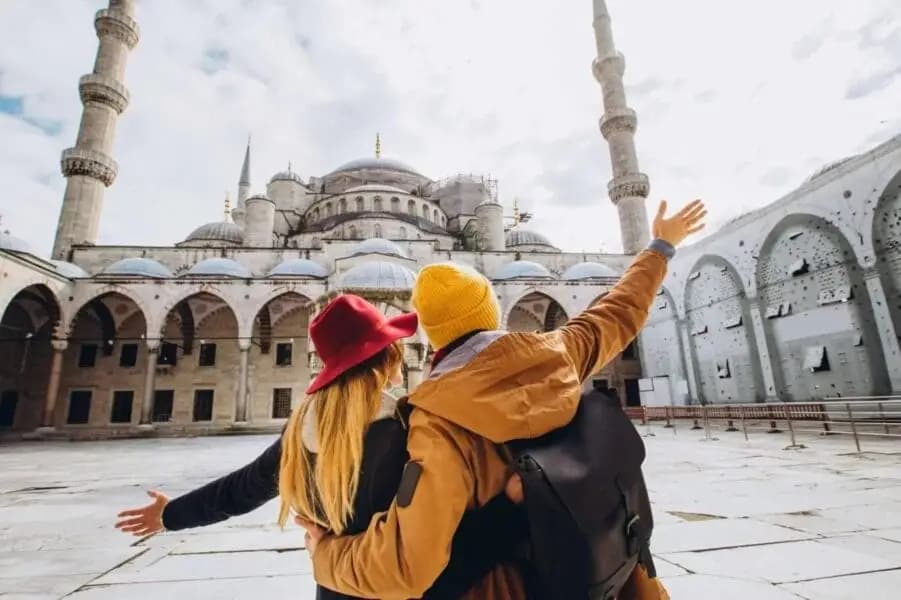
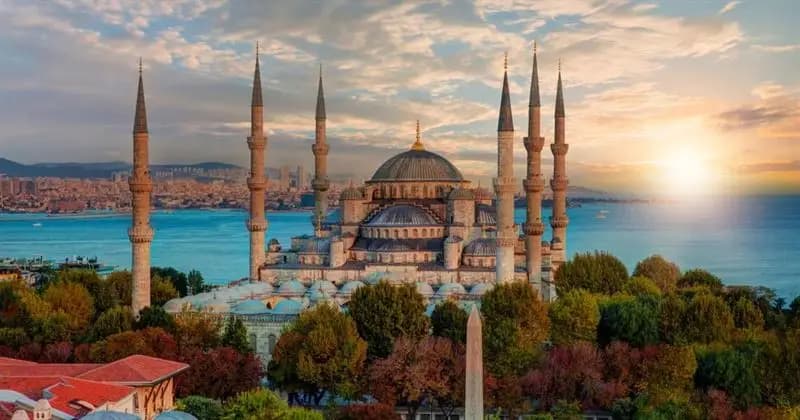
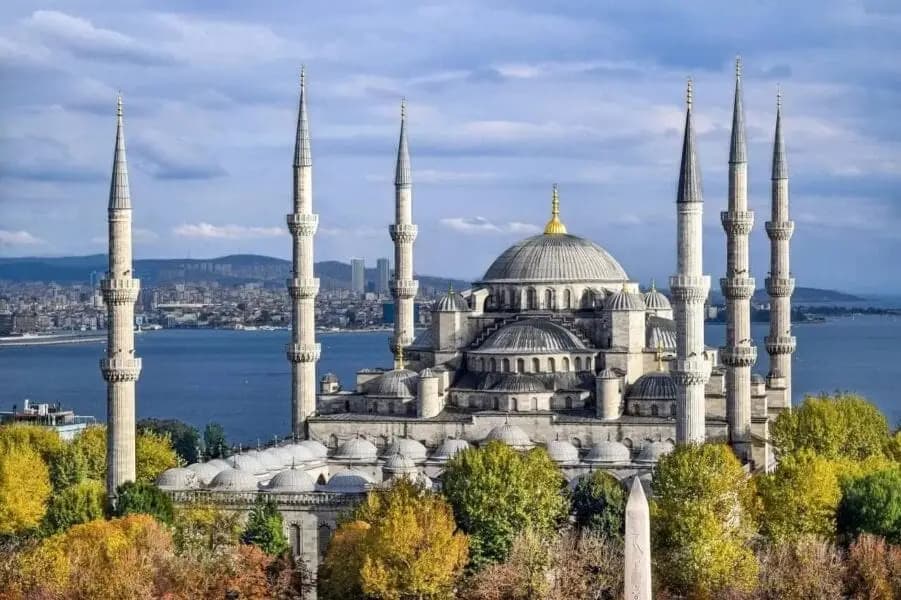
Tussen 1609 en 1616 bouwde Sultan Ahmed de Blauwe Moskee. Tijdens het Ottomaanse Rijk was het een koninklijke moskee. Het staat bekend als de Blauwe Moskee, maar toeristen noemden het zo vanwege de blauwe tegels aan de binnenkant.
Het Istanbul Mosaic Museum heeft een verbazingwekkende collectie van Romeinse tegels, waarvan de meeste zijn van de 4e tot de 6e eeuw. Het museum bevindt zich in het Grote Paleis van Constantinopel, dat toeristen een unieke kans geeft om te zien hoe ingewikkeld deze mozaïek kunstwerken werden gemaakt.
Het Islamitisch Kunstmuseum In Istanbul is een prachtige collectie van islamitische kunst en objecten uit vele verschillende plaatsen en tijden.Er zijn veel verschillende soorten kunst te tonen in het museum, zoals verlichte teksten, calligrafië, keramiek, textiel, metaalwerk en houten kunst.
Visitors can look at the beautiful craftsmanship and intricate details of these works, which show off the Islamic world's rich cultural history. The Istanbul Islamic Art Museum gives a fascinating look at how Islamic society has contributed to art and culture throughout history.
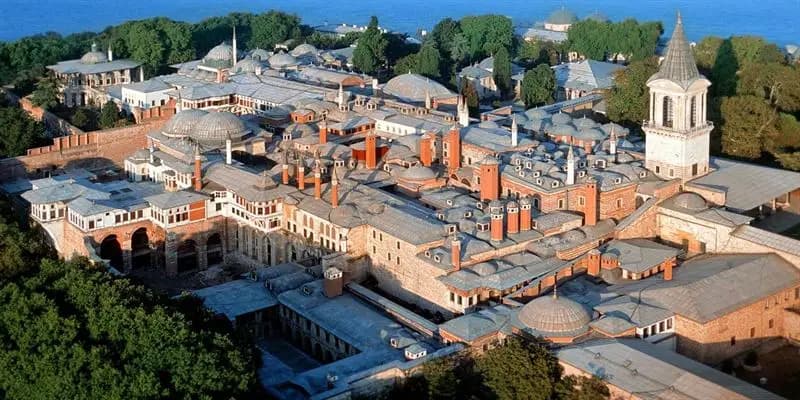
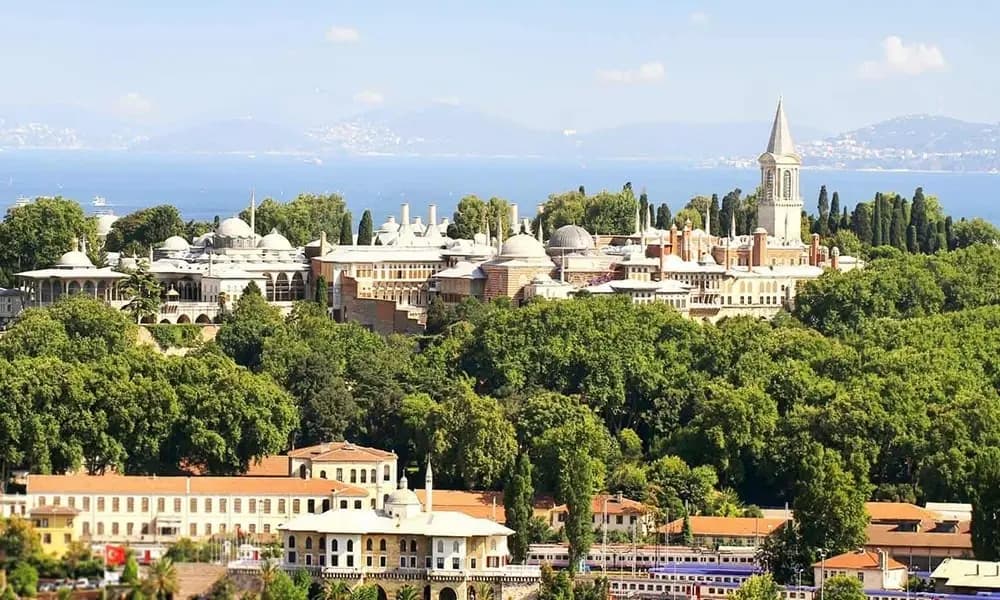
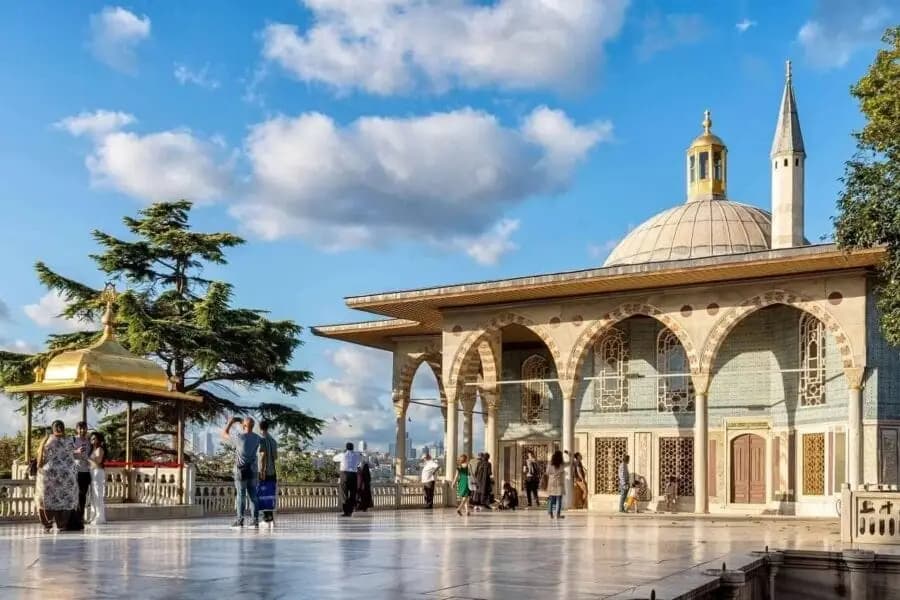
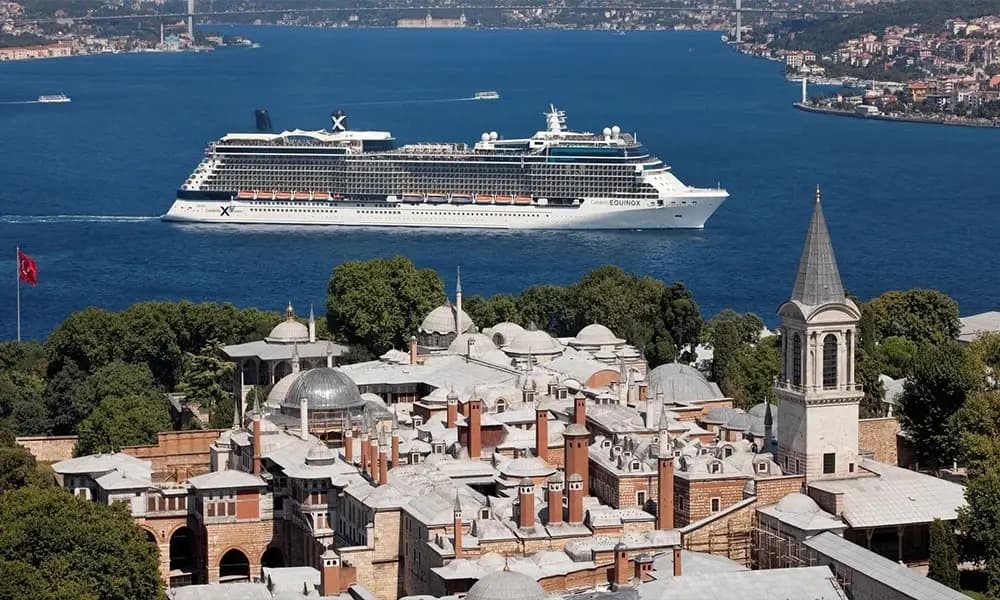
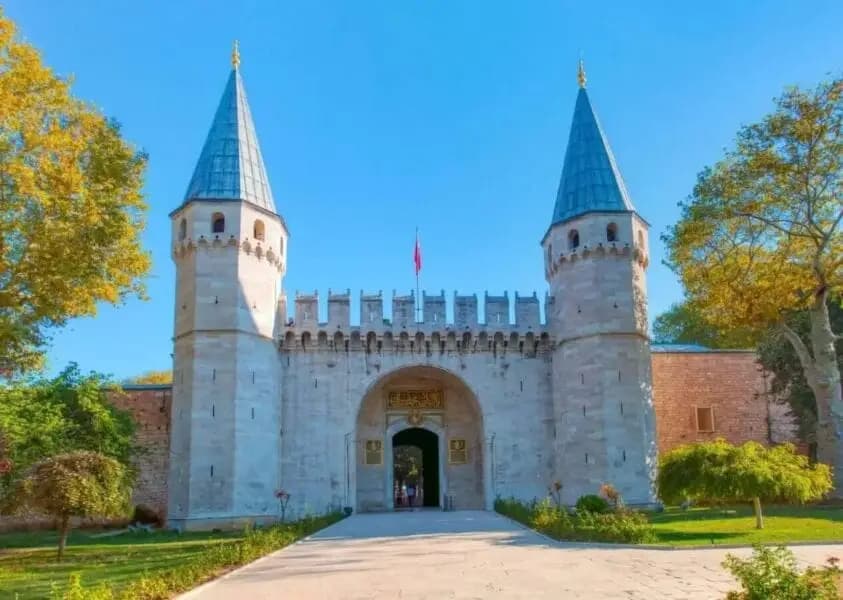
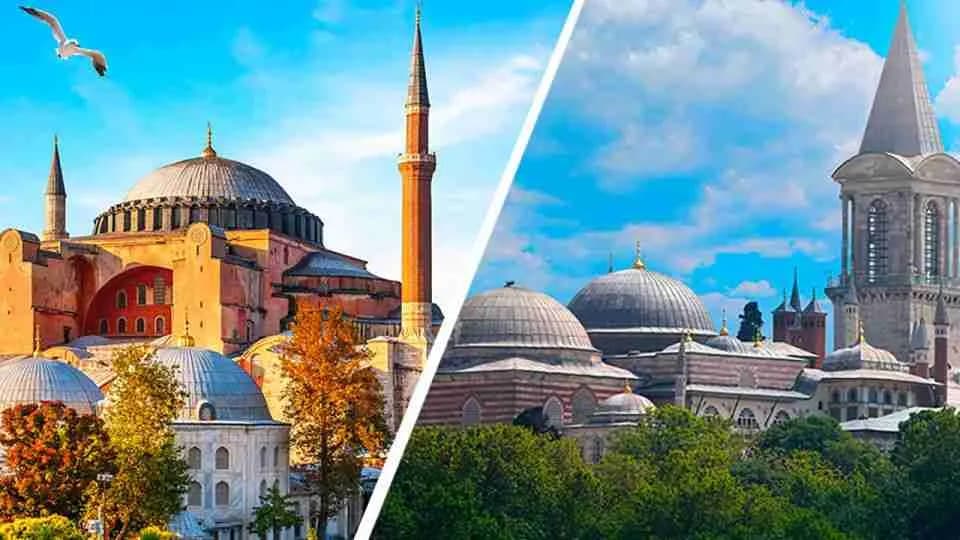
Het Paleis Topkapi Het was het centrum van de overheid en het leven in het Ottomaanse Rijk. In de 15e eeuw bouwde sultan Mehmet II het paleis. Later werd het het centrum van de Ottomaanse overheid. Sinds 1924 wordt het gebruikt als museum.
Dag 2: De oude stad van Istanbul, deel 2
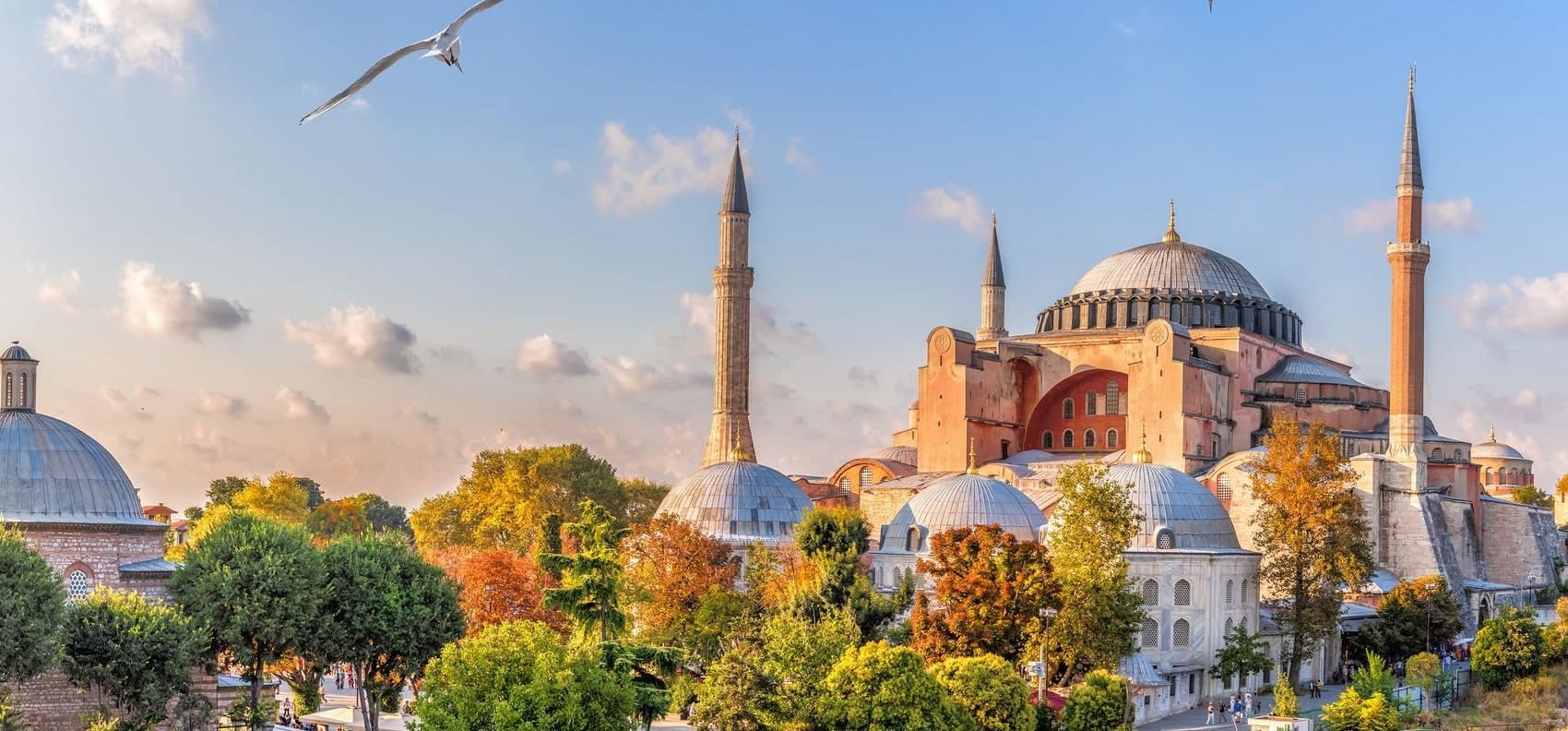
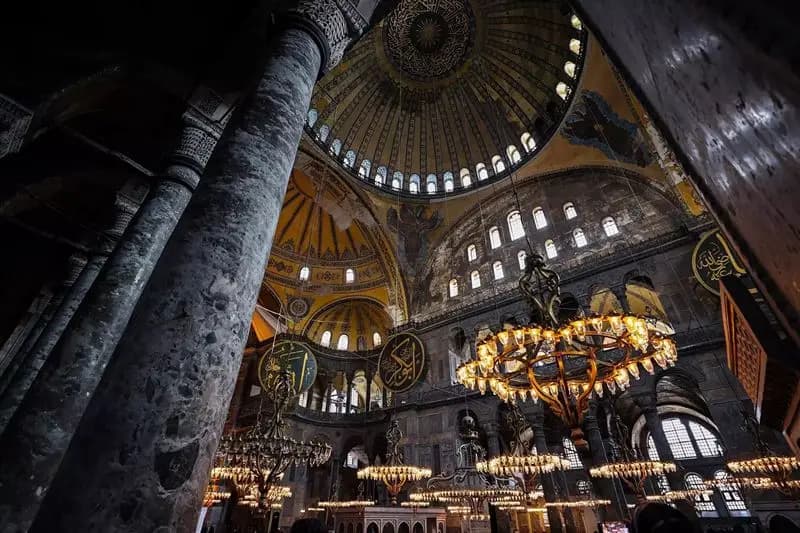
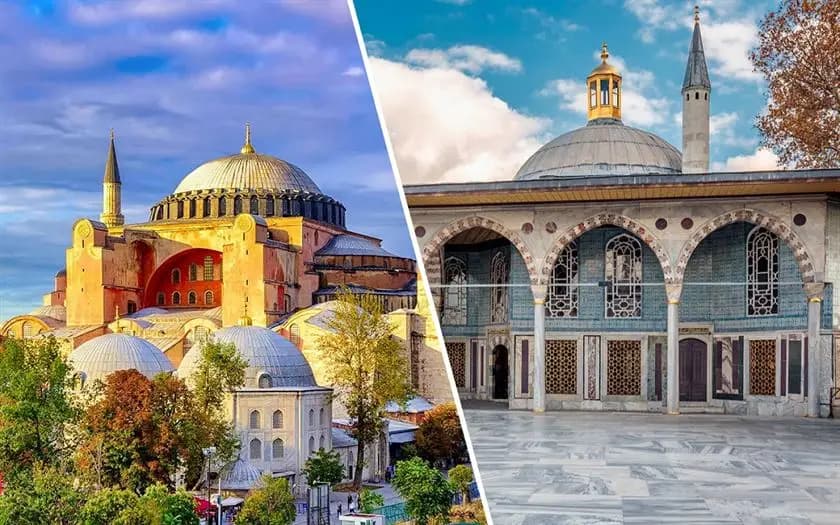
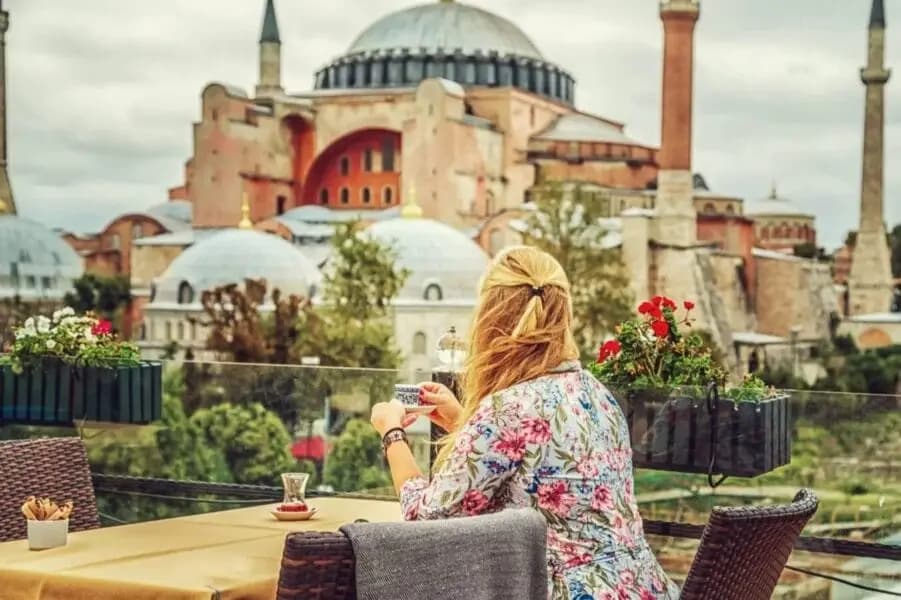
Tussen 532 en 537 bouwde Justinianus, de Romeinse keizer, de Hagia SophiaIn de 1500's veranderden de Ottomanen de kerk in een moskee. In 1934 werd deze omgezet in een museum. In juli 2020 is de Hagia Sophia niet langer een museum en werd ze weer een moskee. Net als de andere kerken kunnen toeristen naar Hagia Sophia gaan.
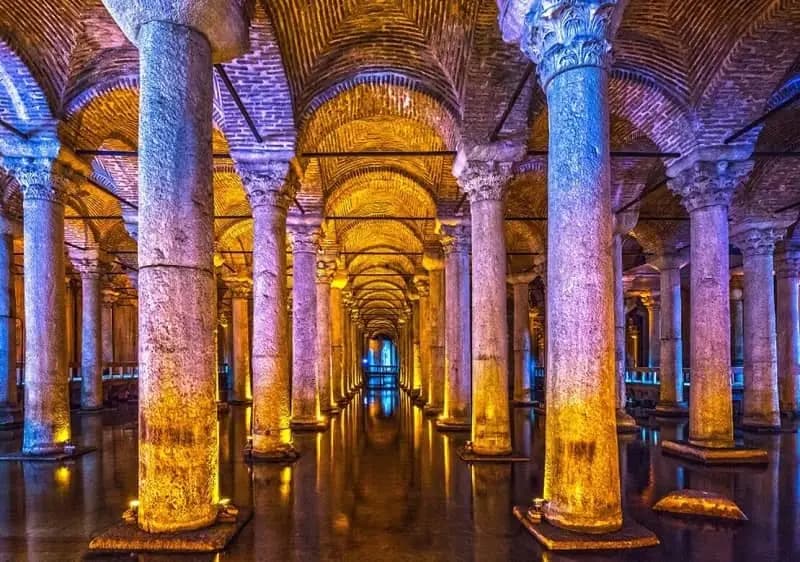
De Romeinse keizer Justinianus bouwde de ondergrondse watertank in de buurt van de Hagia Sophia.
In het jaar 600, de Basilica Cisterne was built. The tank is about 9,800 square meters and is 138 meters long and 65 meters wide. The upside-down and right-side-up Medusa heads on marble bases are the building's most famous exhibits, instead of its columns.
Het Istanbulse Museum voor Oudheden has a huge collection of items from many different times and places. The museum has three main parts: the Archaeological Museum, the Museum of the Ancient Orient, and the Tiled Kiosk Museum. Artifacts from ancient cultures like Mesopotamia, Egypt, Greece, and Rome can be seen in the museum's displays.
There are figures, sarcophagi, pots, coins, and very detailed works of art in the collection. The Istanbul Archaeology Museum is a treasure trove of historical and cultural artifacts that take visitors on a fascinating trip through the region's rich past.
De Grote Bazaar is de oudste markt ter wereld die altijd open is geweest. Er zijn meer dan 4.000 winkels op 61 straten, en muren omringen ze volledig. In de 15e eeuw bouwde Sultan Mehmet II de Grote Bazaar. Later voegden andere sultans er toe. Uw gids zal u graag helpen uw favoriete stuk van Turkse kunst te vinden als u vraagt.
Dag 3: Private Gids Bosporus Cruise Tour
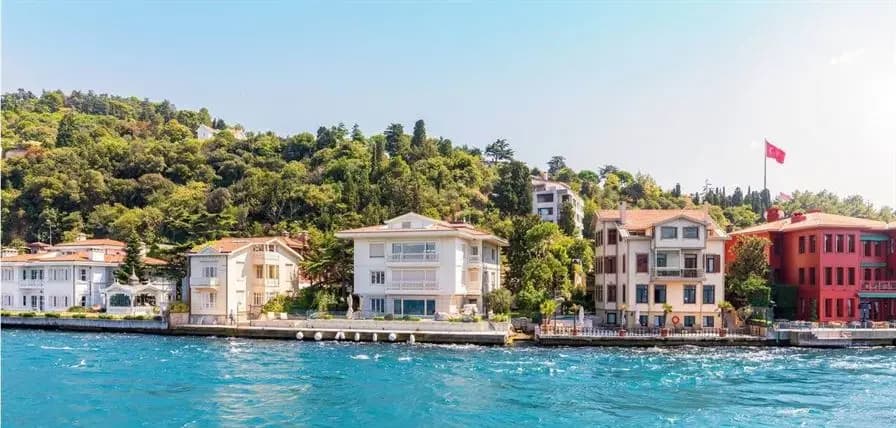
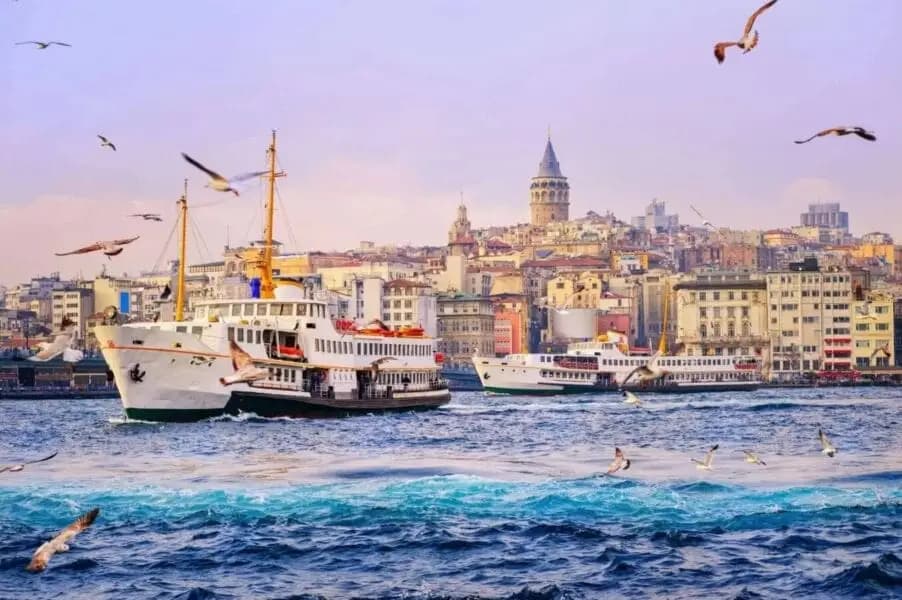
Bosporus cruise: The strait between the Black Sea and the Sea of Marmara is 32 kilometers long, and it divides Istanbul into two countries. There are a lot of interesting things to see in the towns along the Bosphorus, like huge palaces, resorts, yali (private houses), and so on.
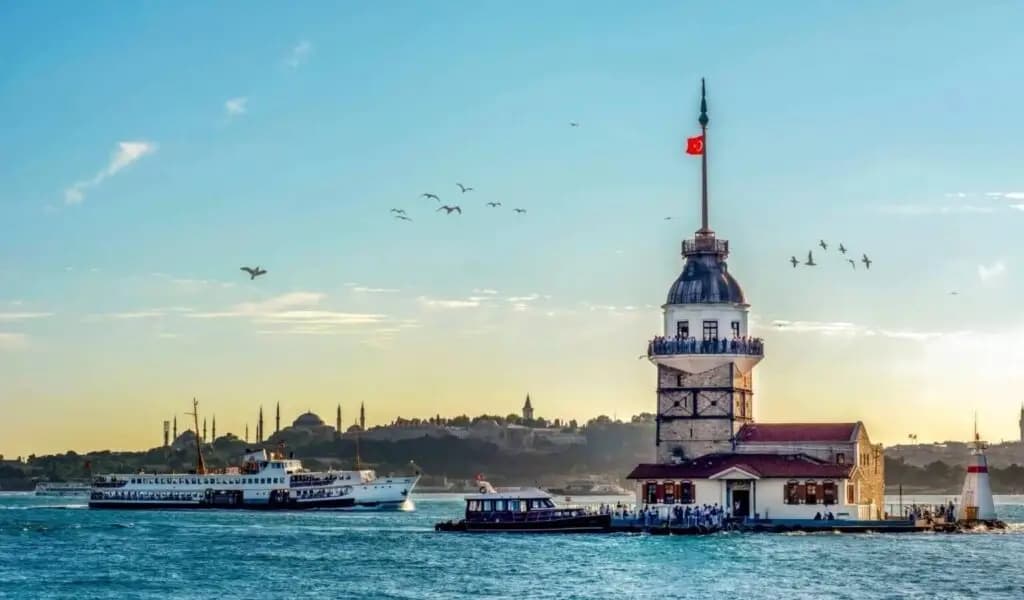
On the boat, you will see the Dolmabahce Palace, the Ortakoy Mosque, the Raan Palace, the Bosphorus Bridge, the Rumeli Fortress, the Kücüksu Palace, the Fatih Sultan Mehmet Bridge (the second bridge on the Bosphorus), and the Maiden's Tower.
Sultan Abdulmejid bouwde de Paleis Dolmabahçe between 1843 and 1856 so that the Ottoman royal family could live there. Garabet Balyan, Nigogayos Balyan, and Evans Kalfa were all Armenian architects who built the house. The Dolmabahce Palace has 285 rooms, 6 bathrooms, and 46 halls.
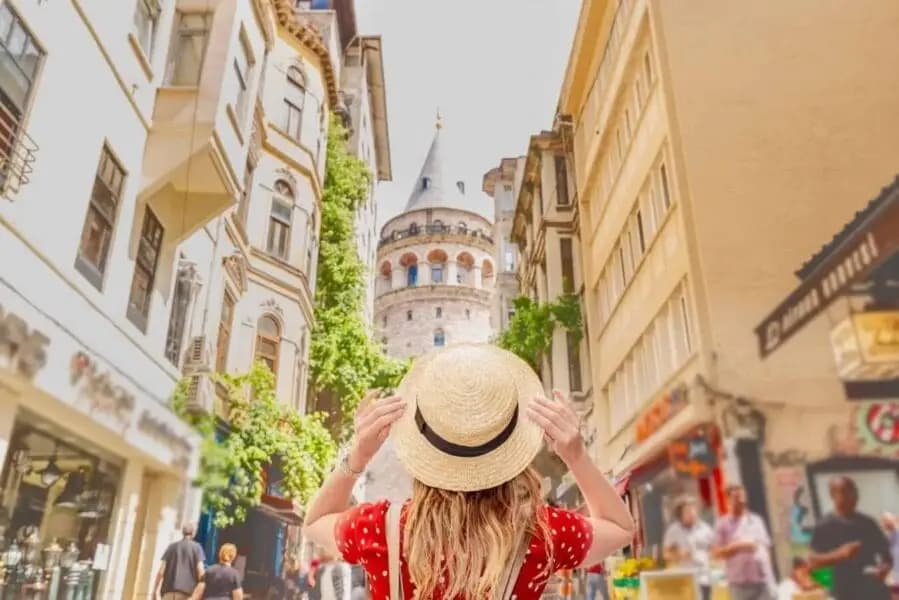
Taksim Square and Istiklal Street: For the vast majority of people who live in Istanbul, Taksim Square and Istiklal Street, which is a pedestrian-only street lined with bars and restaurants, are the city's centers. Between Taksim Square and the Galata Tower, the road goes for 1.44 km (0.87 mi).
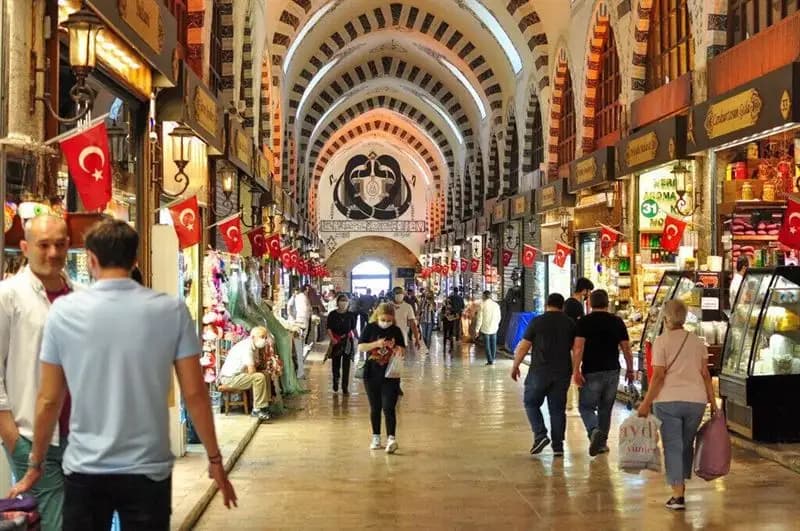
Turhan Hatice, die de moeder van Sultan Mehmed IV was, bouwde de Kruidenbazaar, also known as the Spice Market, between 1660 and 1665. The market is the center of the spice trade in Istanbul. You can buy Turkish sweets, baklava, and gifts there.
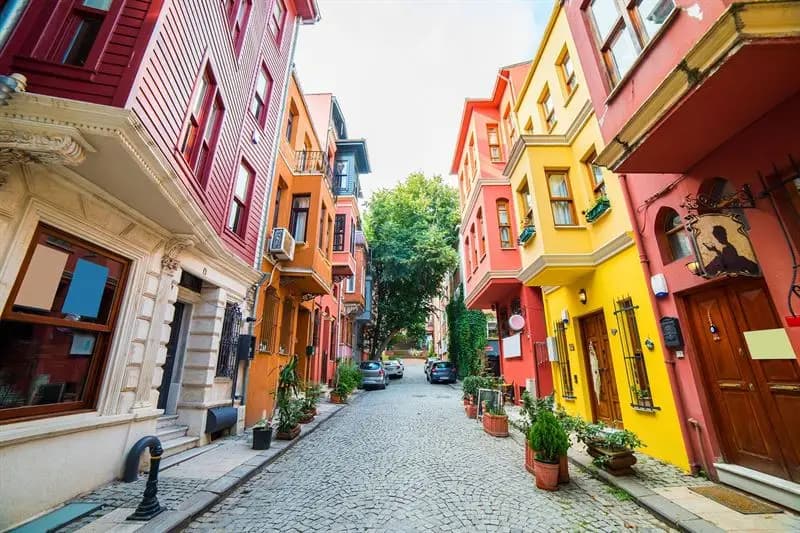
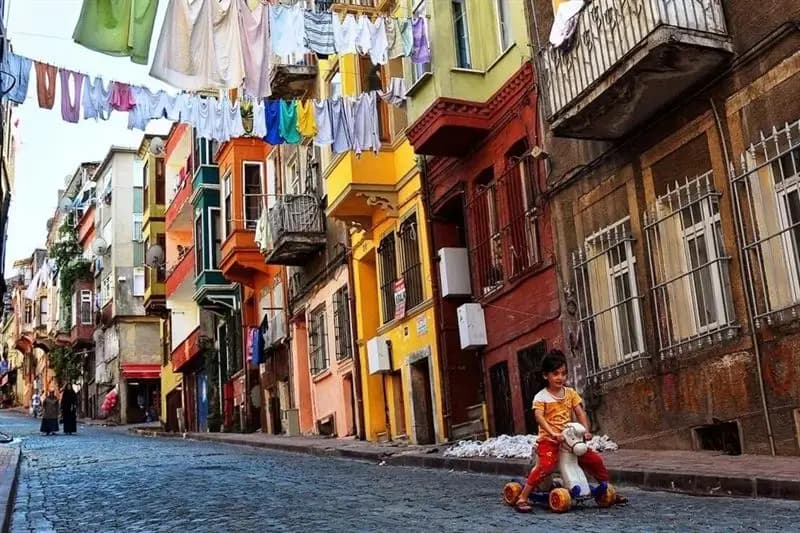
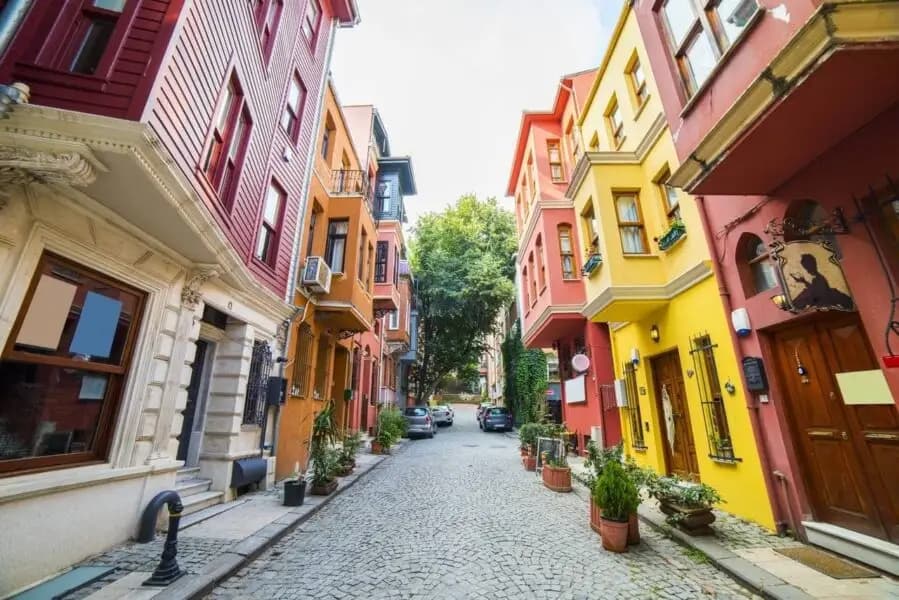
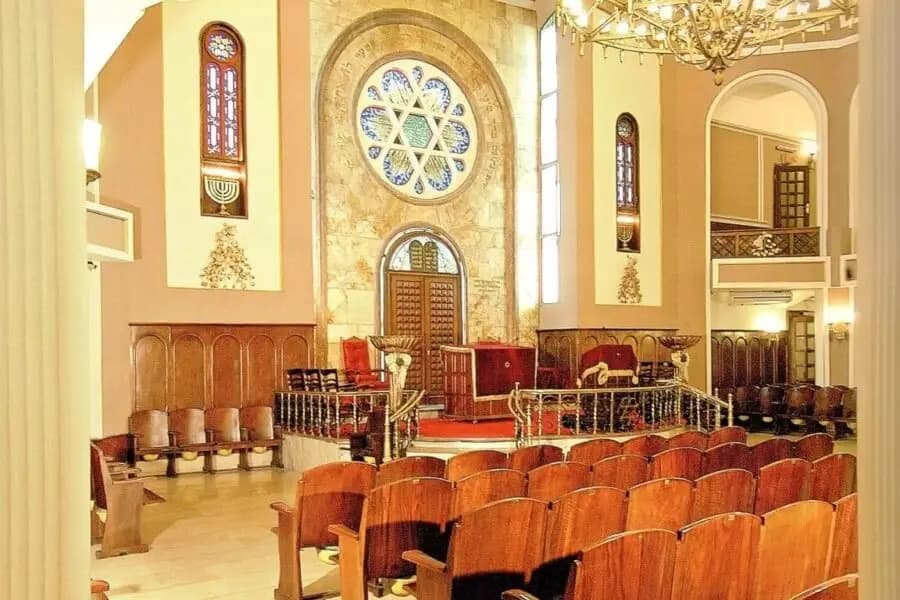
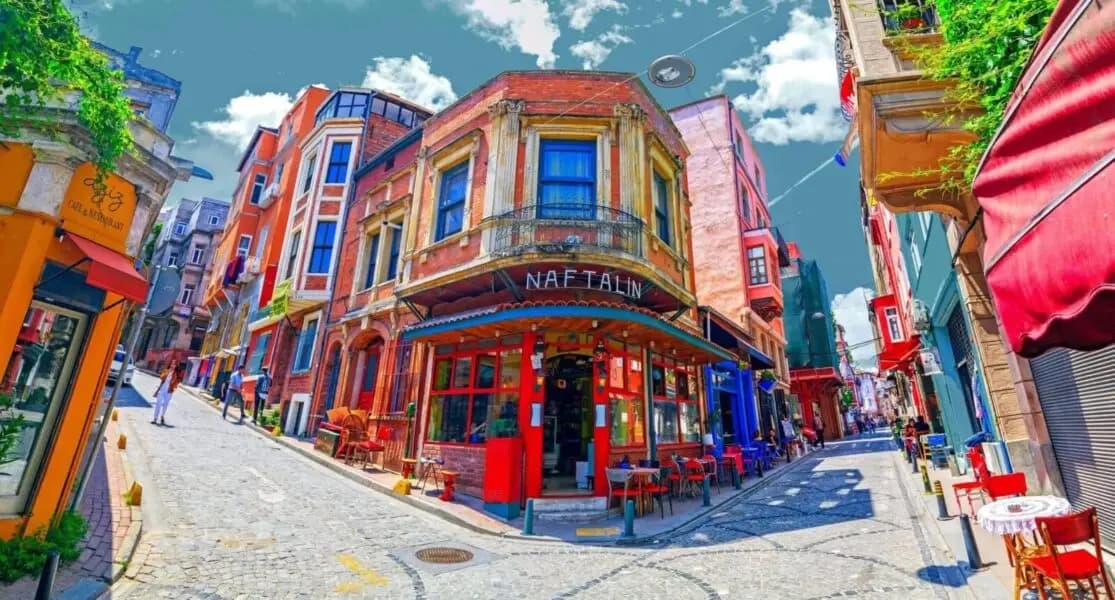
Balat en Fener are both on the ancient peninsula. These places are known for their rich cultural history and lively atmosphere. Balat and Fener are known for their small, winding streets that are lined with colorful, traditional Ottoman homes. With Greek, Jewish, and Armenian influences, these areas show how diverse Istanbul's past was. People can walk around the busy streets, go to old churches and synagogues, and learn about the lively local culture.
Dag 4: Istanbul Asian Side Tour
Kadıköy is on the Asian side of Istanbul. It is thought to have been the first place people lived before the Byzantine era. One of the best places to visit in Istanbul is the famous neighborhood of Kadikoy.
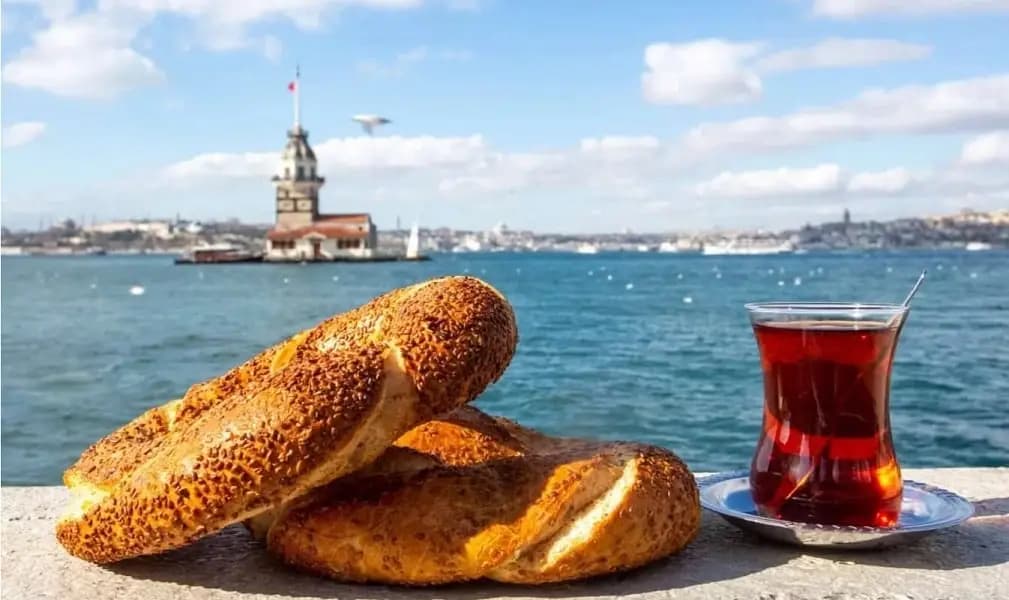
Üsküdar: This area was called Khyrsopolis in the past, which means "the golden city." Uskudar is the most historic area on the Asian side. It is known for its Ottoman mosques. The Maiden's Tower is the most famous building in the area.
Kuzguncuk: This is the first Jewish settlement in Istanbul. The exact year they moved there is not known. Reports from the 17th century say that a small group of Jews lived in Kuzguncuk. Now, Kuzguncuk is known for its colorful Turkish and Roman houses made of wood.
Beerbeek is one of the most beautiful parts of Istanbul. It is close to the Bosphorus Bridge and the Beylerbeyi Palace. It is known for its shops and restaurants that serve seafood. You should sit back, drink some Turkish coffee, and enjoy the breeze from the Bosphorus.
Dag 5: Tour door Byzantijnse en Ottomaanse erfgoed
The Church of Saints Sergius and Bacchus, also known as "Küçük Ayasofya-moskee," is an old building in Istanbul's Old City. During the Byzantine Empire, it was built in the sixth century. It was an early example of Byzantine architecture and a forerunner to the larger Hagia Sophia.
De structuur heeft ingewikkelde kolommen die een koepel in het centrum ondersteunen. Het heeft ook muren die zeer versierd zijn en er prachtige mozaïeken op hebben.
De zeven torens van Istanbul, which are also called Yedikule, are a group of old fortifications in Istanbul, Turkey. During the time of the Byzantines, these towers were built as part of the city's walls to protect it. The towers were placed in a smart way to protect the land walls of Constantinople, the city of the Byzantine Empire. Over time, the towers became a sign of how strong and tough the city was. Today, people can visit these old towers and see relics from Istanbul's long past while taking in sweeping views of the city.
De oude stad Istanbul wordt omringd door de beroemde De stadsmuren van IstanbulHet Byzantijnse Rijk bouwde deze muren, maar het Ottomaanse Rijk voegde ze toe en maakte ze sterker.
The Fatih Mosque, also called the Conqueror's Mosque, is an old and famous holy building in Istanbul's Old City. It is also known as the Conqueror's Mosque. After Sultan Mehmed II took control of Constantinople in 1453, he gave the order to build it. It was built between 1463 and 1470. The mosque is a beautiful example of an Ottoman building.
It has a big dome, elegant minarets, and a lot of intricate details on the outside. It is important not only because it is a beautiful piece of architecture but also because it is a symbol of the Ottoman Empire's victories and cultural history. The Fatih Mosque is still a respected place of worship and a popular place for tourists to come.
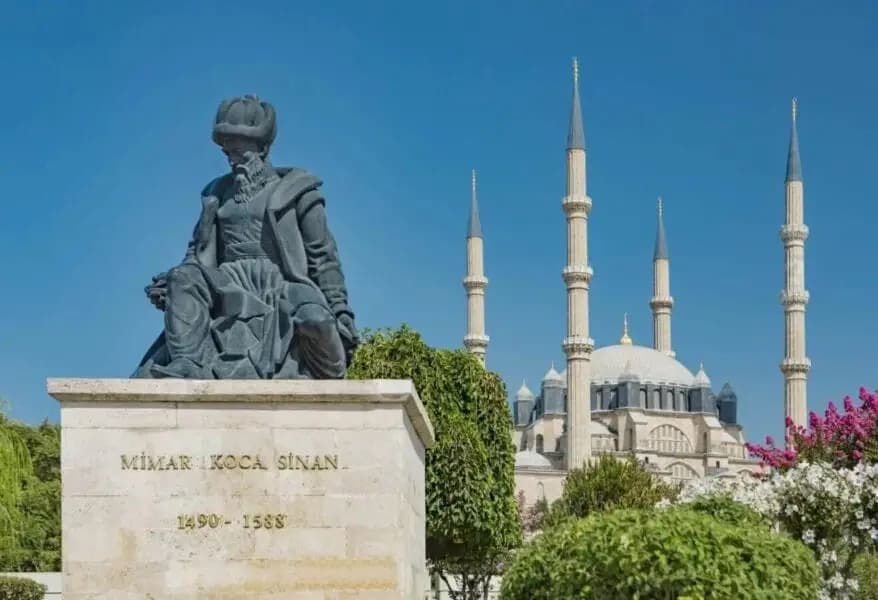
The Süleymaniye Mosque in Istanbul's Old City is a beautiful piece of architecture. Sultan Süleyman the Magnificent asked the great Ottoman architect Mimar Sinan to build it in the 1600s. The mosque is known for its grandeur and grace. It has a huge dome, tall minarets, and an intricately designed interior with beautiful calligraphy and tilework.
It is a big sign of the high quality of Islamic art and Ottoman architecture. The Süleymaniye Mosque is both a place of worship and a famous tourist spot. It shows visitors some of Istanbul's rich cultural history.
Details van een 5-daagse tour van Istanbul
Het maximale aantal passagiers voor deze tour is 10.Blijf comfortabel en in casual schoenen.
Voor de 5 dagen privétour door Istanbul raden we aan dat je je casual kleedt en comfortabele schoenen draagt.
- Wij raden u aan casual kleding en comfortabele schoenen te dragen.
- Deze tour is elke dag beschikbaar.
- Het Paleis Topkapi is gesloten op dinsdagen.
- De Grote Bazaar is gesloten op zondagen.
- The Dolmabahce Palace is closed on Mondays.
Ontmoetingspunt
In uw hotel
Ontmoeting Tijd
Eerder overeengekomen
Prijs Inclusief
- Private Professional Tour Guide
- Openbaar vervoer op dag 1 en 2
- Privé-van op de 3e, 4e en 5e dag
Prijs uitgesloten
- maaltijden en drankjes
- Toegangsbelasting, vermeld in de route
- Private Van on the 1st and 2nd day ( You can ask additionally. Price is 240 USD for full-day rental)