
 Grande Bazaar-Istanbul
ISTANBUL GRAND BAZAAR
GRAND BAZAAR’s History
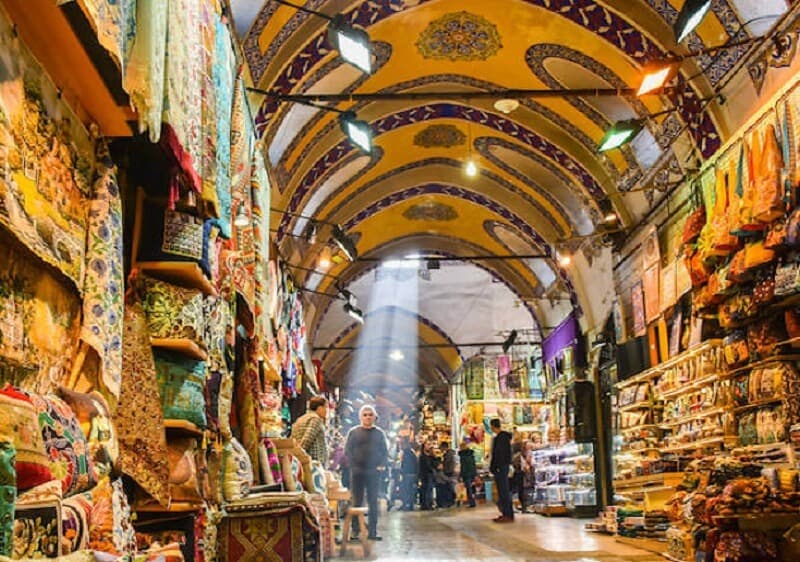
The Grand Bazaar is one of Istanbul's most recognizable landmarks and a bustling commercial center that currently employs 26,000 people and sees between 250,000 and 400,000 visitors every day.
It must compete with the modern shopping malls common in Istanbul, but its beauty and fascination represent a formidable advantage for it. On the 550th anniversary of the complex in 2011, the head of the Grand Bazaar Artisans Association said that it was the most visited landmark in the world.
The building's infrastructure, heating, and lighting will all be updated thanks to a restoration project set to begin in 2012. The stalls inside the market will be renovated, and any additions made later will be torn down. This plan will address the major issues plaguing the market, such as the lack of a restroom in the entire bazaar (now it is solved and there are many toilet facilities in the Grand Bazaar). Also, because there haven't been enough controls in the past few years, many dealers have taken out columns and walls from their stores. This, along with the fact that stolen lead was replaced with concrete on the roof of the market, has made it very dangerous for the earthquake that is expected to hit Istanbul in the next few years.
Except for Sundays and national holidays, the Grand Bazaar is open from 9:00 a.m. to 9:00 p.m. every day.
History of the Grand Bazaar
Shortly after the Ottoman conquest of Constantinople, in the winter of 1455–56, work began on what would become the Grand Bazaar's central market as part of a larger plan to boost the city's economy. A building specifically for the exchange of textiles was commissioned by Sultan Mehmet II. It was known in Ottoman Turkish as Bezzâzistan-Cedîd ("New Bedesten") and Cevâhir Bedestan ('Bedesten of Gems'). The Persian word bezestan, meaning "bazaar of the cloth sellers," was the inspiration for the English word bedesten. The structure, known variously as the "internal" (Ic), "ancient" (Atik), or "old" (Eski) Bedesten in Turkish, is located on the southwestern slope of Istanbul's third hill, between the ruins of the ancient Fora of Constantine and the Fora of Theodosius. It was also near the first sultan’s palace, the Old Palace (Eski Sarayi), which was also under construction in those same years, and not far from the Artopoleia (in Greek) (Άρτoπωλεία), the city’s bakers’ quarter in Byzantine times.
During the 1460s and 1461s, the Bedesten was completed and donated to the Aya Sofya Mosque's waqf. Even though most of the building is from the second half of the 15th century, academics have pointed to the Byzantine relief of a Comnenian eagle that is still on top of the East Gate (Kuyumcular Kapisi) of the Bedesten as proof that it was built in the Byzantine era.
A slave market, known in Turkish as Esir Pazari, operated not far from the Bedesten, a practice that had been maintained since Byzantine times. The old book market (Sahaflar Carsisi) was relocated from the bazaar to its present picturesque location near the Beyazid Mosque. Other important markets in the area were the "second-hand market" (Turkish: "Bit Pazari"), the "Long Market" (Uzun Carsi), which was the same as the Greek "Long Portico" (Makros Embolos), and the "Long Market."
Mehmet II had a second covered market built to the north of the first. It was called Kücük (which means "Little"), Cedit (which means "New"), or Yeni (both of which mean "New") Bedesten. The name comes from a type of thread that was woven in Bursa and had the color of sandalwood.
Dopo la costruzione del Sandal Bedesten, l'industria tessile si trasferì lì, mentre il Cevahir Bedesten divenne il dominio esclusivo del settore retail di fascia alta. Essi erano inizialmente due strutture separate. C'erano rovine di chiesa e una grande cisterna tra loro e la Moschea di Beyazid, come notato da un viaggiatore francese nel XVI secolo chiamato Pierre Gilles. Tuttavia, molti mercanti si sono rapidamente messi in commercio negli spazi tra e intorno a loro, e presto un intero distretto è stato dedicato al commercio.
Secondo un censimento del 1890, il Bazaar ospita 4.399 negozi aperti, 2 bedesten, 2195 camere, 1 hamam, 1 moschea, 10 medrasas, 19 fontane (2 sadirvan e 1 sebil), 1 mausoleo e 24 han. Ci sono 3.000 negozi sparsi su 61 strade nella zona costruita del 30,7% che è custodita da 18 porte.
The last major disaster was an earthquake that struck Istanbul in 1894. Mahmud Celaleddin Paşa, the Minister of Public Works, oversaw the reconstruction of the damaged bazaar until 1898, during which time the size of the complex was reduced. While the Kütkculer Kapi and the old gate were demolished in the west, the Bit Pazari was left outside the new perimeter and turned into an open-air road known as Cadircilar Caddesi (the "Tentmaker Road"). Among all the hans that belonged to the market, many were left outside, and only nine remained enclosed in the structure.
Dopo che i suoi commercianti tessili furono cacciati dal business dalla concorrenza europea, la città di Istanbul acquistò la Sandal Bedesten nel 1914 e iniziò a utilizzarla come casa d'asta per tappeti l'anno successivo. Nel 1927, le strade e le sezioni del bazar furono ufficialmente date i loro nomi attuali. Gli ultimi incendi a Bazaar si sono verificati nel 1943 e nel 1954, e le relative ristrutturazioni sono state completate il 28 luglio 1959.
The complex was last renovated in the 1980s. At the same time, the market's advertising posters were taken down.
The architecture of the Grand Bazaar
In termini di layout, l'Ic Bedesten è quadrato (43,30 m x 29,50 m). Ventiquattro piani di pietra supportano le tre file delle baie. Ognuna delle torri ha la sua cupola in mattoni a coda a tamburo. 44 camere sotterranee (turco: mahzen) sono state costruite nelle pareti interne ed esterne. Bedesten ottiene la sua luce naturale dalle finestre rettangolari installate direttamente sotto il tetto, che possono essere raggiunte tramite un'ampulatorio in legno. A causa dell'illuminazione limitata, l'edificio era aperto solo per un piccolo numero di ore ogni giorno, e il suo unico scopo era la vendita di beni costosi, soprattutto tessuti. Inoltre, il mahzen del Bedesten serviva come scudi. Quattro ingressi separati danno accesso alla struttura:
The northern gate is known as the "Second-hand Book Sellers' Gate" (Sahaflar Kapisi), the southern gate is known as the "Skullcap Sellers' Gate" (Takkeciler Kapisi), the eastern gate is known as the "Jewelers' Gate" (Kuyumcular Kapisi), and the western gate is known as "Women's Clothiers' Gate" (Zenneciler Kapisi).
Il Sandal Bedesten segue il costume con un layout rettangolare (40,20 m per 42,20 m), 12 pietre di pietra con 20 baie e cupole di mattoni coperte da un tamburo cieco. Solo le pareti esterne hanno dei frontali tagliati in essi. La mesoneria in entrambe le strutture è fatta di rifiuti, e le baie sono collegate con archi di mattoni che a loro volta sono collegati con fasce di juniper. Le porte di ferro proteggono le entrate a entrambe le strutture.
The buildings of the Grand Bazaar, except for the Bedesten, were originally erected out of wood; it wasn't until after the devastating fire of 1700 that they were reconstructed out of stone and brick and given roofs. Except for the fur dealers' market (Turkish: Kürkcüler Carsisi), a later addition, all of the buildings in the bazaar are single-story structures. Most of the roofs are tiled, while tarmac has been installed in the area that caught fire in 1954. Bazaar goers were warned not to bring any kind of flashlight or candle, as this would only serve to attract attention and start fights. It runs roughly parallel to the roads that surround the central district of Bedesten. Regardless, the market took on a picturesque appearance, especially in its western part, due to the damage caused by the numerous fires and earthquakes throughout the centuries and the repairs done without a general plan.
What to Buy at the Grand Bazaar in Istanbul
Kilims e Rugs
One of Turkey's best-known exports is its exquisite hand-woven carpets and kilims (flat-weaves), and the Grand Bazaar is a popular place to find these rugs.
La Turchia ha una lunga e interessante storia di produzione di tappeti. diverse regioni, città e villaggi sono noti per i loro modelli e colori unici.
Carpeti e tappeti provenienti da paesi dell’Asia centrale saranno disponibili insieme a quelli fatti in Turchia.
You can browse through a wide variety of carpets in the Grand Bazaar's carpet shops. The best carpet stores will give you a cup of tea and a tour of their showroom while talking about their stock and showing you different kinds of carpets.
When you go carpet shopping, don't forget to bring your sense of humor.
Sellers of carpets are well-known for being a little too enthusiastic with their tales, but you should take it in stride and consider it all in good fun. Keep in mind that, unless they were present during the carpet's production, no carpet dealer has any idea what the weaver was thinking as they created the carpet.
Carpet shopping can be confusing for the uninitiated; if you don't know what you're doing, it's best to just buy something you like. Older carpets and kilims from the village or the nomad's collection were made for the weaver's use, while newer carpets are manufactured with the tourist in mind.
Il valore dei tappeti antichi provenienti dalla Turchia e dall’Asia centrale dipende da molti fattori, come l’età, l’artigianato, la qualità della lana e dei tintori utilizzati e la loro scarsità sul mercato attuale.
Lampade e lanterne
C’è stato un grande aumento del numero di persone che vogliono lampade e lanterne come regali dalla Turchia.
In the Grand Bazaar, lampshades and chandeliers come in all kinds of modern styles, from metal filigree to colorful glass mosaics.
If you'd rather shop for vintage lighting than new, the Grand Bazaar's Ic Bedesten (Old Bazaar), located in the vicinity of the bazaar's geographic center, is where you'll find most of the specialized antique shops selling such items. The oldest and most iconic structure in the Grand Bazaar is the Ic Bedesten.
Guardate nel Cebeci Han per alcuni impianti di luce filigrano all'avanguardia.
Le opzioni più piccole includono le molte candelabri in vetro e in metallo vendute nel bazar.
Ceramica e Pottery
Le città di Iznik e Kütahya, che da tempo producono ceramiche, sono stati i primi luoghi in cui sono state fatte le famose ceramiche turche.
Gli artisti di ceramica turchi fanno anche un sacco di pezzi moderni oltre ai disegni ottomani tradizionali che spesso presentano motivi di tulipani e altri modelli floreali.
I giudici e le carafe in stile hitita, con una sezione centrale circolare, si basano su disegni anatolici dell'età del bronzo e fanno ottimi regali.
Se stai pianificando un viaggio in Cappadocia mentre in Turchia, potresti voler trattenere qualsiasi acquisto fino a quando non avrai la possibilità di vedere cosa producono gli artisti della ceramica di Avanos, poiché il loro lavoro ricorda l'era hitita.
In the Grand Bazaar, the main streets are lined with shops that sell cheap, mass-produced ceramics of low quality.
Visit one of the market's dedicated ceramics shops if you're in search of uniquely painted ceramics.
The Arasta Bazaar (behind the Blue Mosque) and the Grand Bazaar are both worth exploring if you're interested in purchasing ceramics in Istanbul.
Metalwork turco
Le città di Gaziantep, Sanliurfa e Mardin nel sud-est della Turchia sono conosciute per produrre alcuni dei migliori metalli contemporanei in Turchia.
Smetti di fare acquisti fino al tuo viaggio in Turchia, in particolare in queste città, in quanto i prezzi saranno più bassi lì.
Alcuni degli articoli più venduti sono set di servizio per tè e caffè e piatti metallici con incisioni intricate che si basano su disegni ottomani tradizionali.
Engraved Turkish coffee pots, used to brew the beverage over a stovetop, are a practical and attractive souvenir that won't take up too much space in your carry-on.
Nargile Hookah
Il nargile (tubo d'acqua) è un tradizionale souvenir turco usato per fumare tabacco aromatizzato da frutta.
Dal tempo dell’Impero Ottomano, le persone fumano il nargile nei caffè turchi.
I bicchieri di vetro o ceramica (che trattenono l'acqua usata per filtrare il fumo) possono assumere disegni elaborati.
Keep in mind that nargile components are often purchased separately, and the bowls can be used as distinctive vases if you're not interested in buying a fully functional nargile but like the look of the bowls.
Go to Ic Bedesten's antique shops if you're in search of vintage Nargile. There are many shops in the bazaar selling contemporary nargile.
gioielli
The Grand Bazaar is the best place to go in Istanbul to buy jewelry.
There's something for everyone here, from glitzy gold to delicate silver filigree work and pieces set with semi-precious stones.
For gold work, head to the main street of Kalpakcilarbasi Caddesi first, which is lined with gold shops. This is the street that runs between the main Grand Bazaar entrances of Bayazit Gate, on the west side of the bazaar, and Nuruosmaniye Gate, at the eastern end.
Poiché gran parte della produzione è rivolta al mercato delle spose, le parti tendono ad essere classiche in stile.
È possibile iniziare la tua ricerca di gioielli d'argento nel Ic Bedesten (Old Bazaar), che è sede di molti negozi dedicati al metallo prezioso.
Tenere d'occhio per calcedonia blu e gioielli di zultanite, entrambi sono estratti in Turchia e considerati pietre semipreziose.
Alveari e cuscini
The many smaller textile items available in Turkey are great purchases if you're looking for easy-to-pack items.
Questi consentono di riportare alcuni mobili in stile turco senza il prezzo pesante e il peso del bagaglio in eccesso di acquisto di tappeti.
I tessuti si trovano in una incredibile varietà di disegni e stili. coperture di cuscino e altri piccoli tessuti stampati con disegni tradizionali ottomani sono anche facilmente accessibili e a basso costo grazie alla produzione di massa.
I tessuti originali di suzani (tessuti broderati dell'Asia centrale) e i kilim vintage vengono utilizzati per creare accessori tessili unici (tessuti a tessuto piatto).
attrezzature Hammam
Although bath products might not be the first thing that comes to mind when you think of a traditional Turkish souvenir, they have a deep history thanks to the country's hammam (Turkish bath) culture.
Towels with traditional fringed striped designs, called pestemals, are still used in modern hammams. The stalls in the bazaar will sell a wide variety of mass-produced towels, but if you're looking for something truly unique, you should browse the selection of handwoven cotton pestemals, towels, and bathrobes available at stores that specialize in hammam supplies.
Saponi d'olio d'oliva fatti a mano e le sciroppe per lo spazzolamento usate nei hammams sono due degli oggetti più piccoli che fanno grandi regali da portare a casa.
Accessori per la moda
The Grand Bazaar is a fantastic place to shop for accessories, whether you're in the market for a new scarf, pair of slippers, hat, or bag.
La Turchia è da tempo nota per i suoi prodotti di seta e pelle, e c'è anche una tradizione di fabbricazione di cappelli che oggi produce molti oggetti di moda curiosi e altamente contemporanei, in particolare cappelli e cappelli.
Tenete a mente che molte delle scarpe in vendita sono prodotte in massa con i turisti in mente e non sono neanche fatte in Turchia.
I negozi di tessuti che si trovano lungo l'estremità nord di Yaglikcilar Caddesi sono i posti migliori per trovare seta, cashmere, scarafaggi e scarafaggi di alta qualità.
In the southwest corner of the bazaar, along Parcacilar Sokak and Fesciler Caddesi, you'll find a concentration of stores selling leather goods.
Dolci e dessert turchi
Although the Spice Bazaar is where most tourists go to buy souvenirs and gifts involving spices and Turkish delight, the Grand Bazaar also has plenty of options for these kinds of purchases.
Si noti che il sumac (il frutto secco del marmellone della pianta sumac) e il pul biber (il pepe rosso asciutto di Aleppo) sono due delle spezie più prominenti nella cucina turca.
Molassie di granato dolce e acido e pekmez sono due condimenti da portare indietro (siroti di frutta condensati sono di solito fatti di uve o mulberry in Turchia).
Guardate le numerose confezioni helva fatte con semi di sesamo oltre alle innumerevoli varietà di delizia turca (chiamata lokum in Turchia), che sono ricoperte di noci e aromatizzate con acqua di rose o frutta.
Advice on Shopping at the Grand Bazaar
The Grand Bazaar is open from 8.30 a.m. to 7 p.m., Monday through Saturday.
You cannot cover the breadth of the bazaar in one visit. Plan on spending at least an entire morning or afternoon here on your first visit if you want to explore or are serious about shopping, and don't expect to see everything.
Expect to get lost. Half the fun is getting lost in the Grand Bazaar and discovering one of the alley dead ends that lead to an arcaded han (old traveler inn).
Il tè e la conversazione con i negozi e i venditori locali sono parte essenziale dell'esperienza. Cay (tea) ti sarà offerto da chiunque e da tutti voi incontrerai. La tua esperienza qui sarà molto più ricca e più divertente se prendi il tempo di partecipare a questa ospitalità turca.
The initial price you are quoted depends as much on the country you are from as it does on the seller's mood at the time. For an idea of how much items cost, spend some time browsing a range of shops before purchasing.
I negozianti e i venditori parlano una varietà di lingue.
The Grand Bazaar's larger thoroughfares are lined with souvenir shops selling the same trinkets you'll find anywhere: fridge magnets, key chains, Turkey flags, and the ubiquitous nazar boncuk (glass evil-eye protector amulets). Get away from the hustle and bustle of the main drags to find unique and exciting stores.
Diverse aree del bazar sono dedicate a articoli specifici di shopping.Successivamente, si possono trovare negozi di tappeti nelle vicinanze di Halicilar Caddesi, mentre i negozi di oro si trovano lungo Kalpakcilarbasi Caddesi e nelle vicinanze del Cebeci Han e dell'Ic Bedesten.
Frequently Asked Questions About The Grand Bazaar
Q di: What is the Grand Bazaar?
a: The Grand Bazaar is a historic covered market in Istanbul, Turkey, known for its maze-like alleys filled with shops selling everything from jewelry and spices to textiles and ceramics.
Q di: Where is the Grand Bazaar located?
a: The Grand Bazaar is located in the Fatih district of Istanbul, Turkey.
Q di: How old is the Grand Bazaar?
a: The Grand Bazaar was established in the 15th century and has been in continuous operation since then.
Q di: How big is the Grand Bazaar?
a: The Grand Bazaar spans over 60 streets and contains over 4,000 shops.
Q di: What kinds of products can be found in the Grand Bazaar?
a: The Grand Bazaar is known for its wide variety of products, including jewelry, textiles, ceramics, spices, and more.
Q di: What is the history of the Grand Bazaar?
a: The Grand Bazaar has a long and rich history, having been an important center of commerce for centuries.
Q di: Is the Grand Bazaar only for tourists?
a: The Grand Bazaar is both a tourist destination and a local shopping hub, attracting both locals and visitors alike.
Q di: What are the opening hours of the Grand Bazaar?
a: The Grand Bazaar is typically open from 9:00 a.m. to 7:00 p.m., seven days a week.
Q di: What is the best time to visit the Grand Bazaar?
a: The best time to visit the Grand Bazaar is in the morning or late afternoon when the crowds are smaller and you can enjoy a more leisurely shopping experience.
Q di: Is bargaining expected in the Grand Bazaar?
a: Bargaining is expected and considered part of the shopping experience at the Grand Bazaar, so be prepared to negotiate prices with vendors.
Puoi prenotare un tour della città di Istanbul con le nostre guide turistiche autorizzate.I link sono qui sotto:
Map of Grand Bazaar