
 イスタンブール グランドバザール
ISTANBUL GRAND BAZAAR
GRAND BAZAAR’s History
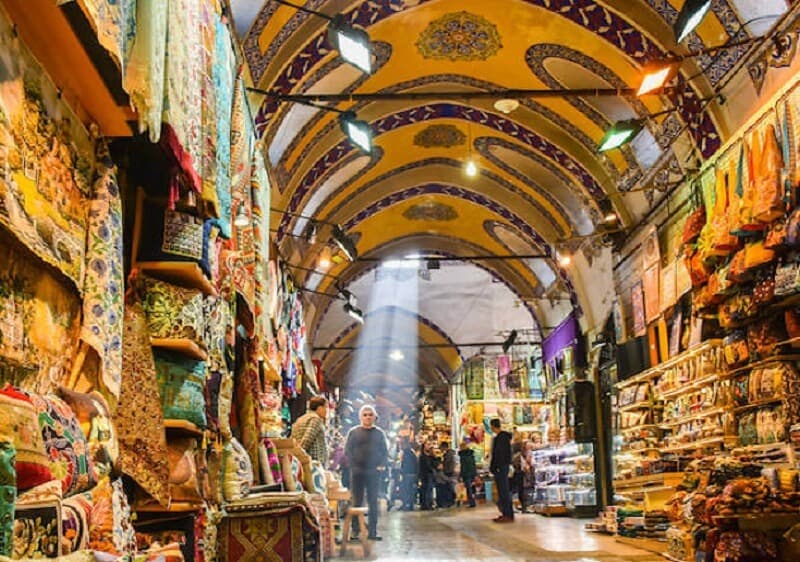
The Grand Bazaar is one of Istanbul's most recognizable landmarks and a bustling commercial center that currently employs 26,000 people and sees between 250,000 and 400,000 visitors every day.
It must compete with the modern shopping malls common in Istanbul, but its beauty and fascination represent a formidable advantage for it. On the 550th anniversary of the complex in 2011, the head of the Grand Bazaar Artisans Association said that it was the most visited landmark in the world.
The building's infrastructure, heating, and lighting will all be updated thanks to a restoration project set to begin in 2012. The stalls inside the market will be renovated, and any additions made later will be torn down. This plan will address the major issues plaguing the market, such as the lack of a restroom in the entire bazaar (now it is solved and there are many toilet facilities in the Grand Bazaar). Also, because there haven't been enough controls in the past few years, many dealers have taken out columns and walls from their stores. This, along with the fact that stolen lead was replaced with concrete on the roof of the market, has made it very dangerous for the earthquake that is expected to hit Istanbul in the next few years.
Except for Sundays and national holidays, the Grand Bazaar is open from 9:00 a.m. to 9:00 p.m. every day.
History of the Grand Bazaar
Shortly after the Ottoman conquest of Constantinople, in the winter of 1455–56, work began on what would become the Grand Bazaar's central market as part of a larger plan to boost the city's economy. A building specifically for the exchange of textiles was commissioned by Sultan Mehmet II. It was known in Ottoman Turkish as Bezzâzistan-Cedîd ("New Bedesten") and Cevâhir Bedestan ('Bedesten of Gems'). The Persian word bezestan, meaning "bazaar of the cloth sellers," was the inspiration for the English word bedesten. The structure, known variously as the "internal" (Ic), "ancient" (Atik), or "old" (Eski) Bedesten in Turkish, is located on the southwestern slope of Istanbul's third hill, between the ruins of the ancient Fora of Constantine and the Fora of Theodosius. It was also near the first sultan’s palace, the Old Palace (Eski Sarayi), which was also under construction in those same years, and not far from the Artopoleia (in Greek) (Άρτoπωλεία), the city’s bakers’ quarter in Byzantine times.
During the 1460s and 1461s, the Bedesten was completed and donated to the Aya Sofya Mosque's waqf. Even though most of the building is from the second half of the 15th century, academics have pointed to the Byzantine relief of a Comnenian eagle that is still on top of the East Gate (Kuyumcular Kapisi) of the Bedesten as proof that it was built in the Byzantine era.
A slave market, known in Turkish as Esir Pazari, operated not far from the Bedesten, a practice that had been maintained since Byzantine times. The old book market (Sahaflar Carsisi) was relocated from the bazaar to its present picturesque location near the Beyazid Mosque. Other important markets in the area were the "second-hand market" (Turkish: "Bit Pazari"), the "Long Market" (Uzun Carsi), which was the same as the Greek "Long Portico" (Makros Embolos), and the "Long Market."
Mehmet II had a second covered market built to the north of the first. It was called Kücük (which means "Little"), Cedit (which means "New"), or Yeni (both of which mean "New") Bedesten. The name comes from a type of thread that was woven in Bursa and had the color of sandalwood.
サンダルベデステンが建設された後、テキスタイル産業はそこに移り、セヴァイールベデステンはハイエンド小売業界の独占領域となった。最初は2つの別々の構造であった。彼らとベヤジドのモスクの間に教会の廃墟と大きなタンクがあり、16世紀のフランス人旅行者ピエール・ギルスが指摘したように。しかし、多くの商人はすぐにそれらの間と周囲のスペースで店を立ち上げ、すぐに一つの地区が貿易に捧げられました。
1890年に採取された人口統計によると、バザールは4399のオープンストア、2 bedesten、2195の部屋、1ハマム、1のモスク、10のメダラサ、19の噴水 (2 sadirvanと1 sebil)、1のマウスレーム、および24ハナにありました。
The last major disaster was an earthquake that struck Istanbul in 1894. Mahmud Celaleddin Paşa, the Minister of Public Works, oversaw the reconstruction of the damaged bazaar until 1898, during which time the size of the complex was reduced. While the Kütkculer Kapi and the old gate were demolished in the west, the Bit Pazari was left outside the new perimeter and turned into an open-air road known as Cadircilar Caddesi (the "Tentmaker Road"). Among all the hans that belonged to the market, many were left outside, and only nine remained enclosed in the structure.
ヨーロッパの競争によってそのテキスタイル商人がビジネスから追い出された後、イスタンブール市は1914年にサンダル・ベデステンを購入し、翌年にはテーピングの競売場として使用し始めた。
The complex was last renovated in the 1980s. At the same time, the market's advertising posters were taken down.
The architecture of the Grand Bazaar
配置の見方から見れば、Ic Bedestenは平方(4330 m x 29.50 m)です。 24 つの石柱が湾の3行を支えています。 塔のそれぞれは、その盲目トラムのトップのタイルドームを持っています。 44 つの地下のボールドルーム(トルコ語: mahzen)は、内部と外壁に建設されました。 Bedestenは、屋根の下に直接設置された正角の窓から自然の光を得ています、それは木製の外科的な入口を通じてアクセスできます。 限られた照明のために、建物は毎日わずか数時間開いていました、そしてその唯一の目的は高価な商品、特にテキスタイルの販売でした。 さらに、 Bedestenのボールドルームはボールドルとして役立ちました。 4つの別々の入り口は、人々が構造にアクセスすることを与えます:
The northern gate is known as the "Second-hand Book Sellers' Gate" (Sahaflar Kapisi), the southern gate is known as the "Skullcap Sellers' Gate" (Takkeciler Kapisi), the eastern gate is known as the "Jewelers' Gate" (Kuyumcular Kapisi), and the western gate is known as "Women's Clothiers' Gate" (Zenneciler Kapisi).
サンダルベデステンは、正方形の配置(40.20 m から 42.20 m)のスーツに従い、20の湾を持ち込む12の石柱と、盲目のドラムで覆われたタイルのドームを含む。外壁だけがそれらに切り込まれている。両構造のマソニアは廃墟ででき、湾は、その後、ジャニパーの棒で結ばれているタイルの弓でつながっています。鉄のゲートは両構造の入り口を保護しています。
The buildings of the Grand Bazaar, except for the Bedesten, were originally erected out of wood; it wasn't until after the devastating fire of 1700 that they were reconstructed out of stone and brick and given roofs. Except for the fur dealers' market (Turkish: Kürkcüler Carsisi), a later addition, all of the buildings in the bazaar are single-story structures. Most of the roofs are tiled, while tarmac has been installed in the area that caught fire in 1954. Bazaar goers were warned not to bring any kind of flashlight or candle, as this would only serve to attract attention and start fights. It runs roughly parallel to the roads that surround the central district of Bedesten. Regardless, the market took on a picturesque appearance, especially in its western part, due to the damage caused by the numerous fires and earthquakes throughout the centuries and the repairs done without a general plan.
What to Buy at the Grand Bazaar in Istanbul
キリムズ&ルグス
One of Turkey's best-known exports is its exquisite hand-woven carpets and kilims (flat-weaves), and the Grand Bazaar is a popular place to find these rugs.
トルコは、地毯の製造の長い歴史があり、異なる地域、都市、村々は、独特のパターンや色で知られています。
中央アジア諸国からの絨毯やキリムは、トルコ製のものと並んで入手可能になります。
You can browse through a wide variety of carpets in the Grand Bazaar's carpet shops. The best carpet stores will give you a cup of tea and a tour of their showroom while talking about their stock and showing you different kinds of carpets.
When you go carpet shopping, don't forget to bring your sense of humor.
Sellers of carpets are well-known for being a little too enthusiastic with their tales, but you should take it in stride and consider it all in good fun. Keep in mind that, unless they were present during the carpet's production, no carpet dealer has any idea what the weaver was thinking as they created the carpet.
Carpet shopping can be confusing for the uninitiated; if you don't know what you're doing, it's best to just buy something you like. Older carpets and kilims from the village or the nomad's collection were made for the weaver's use, while newer carpets are manufactured with the tourist in mind.
トルコと中央アジアの古代の絨毯の価値は、その年齢、工芸、使用された毛皮の品質、塗料、そして現在の市場でのそれらの不足などの多くの要因に依存します。
ランプとランター
トルコからギフトとしてランプやランタンを欲する人々の数は大幅に増加しています。
In the Grand Bazaar, lampshades and chandeliers come in all kinds of modern styles, from metal filigree to colorful glass mosaics.
If you'd rather shop for vintage lighting than new, the Grand Bazaar's Ic Bedesten (Old Bazaar), located in the vicinity of the bazaar's geographic center, is where you'll find most of the specialized antique shops selling such items. The oldest and most iconic structure in the Grand Bazaar is the Ic Bedesten.
Cebeci Han をチェックして、いくつかの最先端のフィリグレート光装置を見てください。
より小さなオプションには、ベザールで販売される多くのガラスと金属のろうそくランタンが含まれます。
Ceramics and Pottery シェア
長い間陶器を製造してきたイズニクとキュタハの町は、有名なトルコ陶器が作られた最初の場所でした。
トルコの陶器芸術家は、タリプスモチベーションや他の花のパターンをよく描く伝統的なオスマンデザインに加えて、多くの現代的な作品を作っています。
円の真ん中部分を持つヒッティ式の木とカラフは、青銅時代のアナトリアのデザインに基づいており、優れたプレゼントを作ります。
If you are planning a trip to Cappadocia while in Turkey, you may want to hold off on making any purchases until you have a chance to see what the ceramic artists of Avanos are known for producing, as their work is reminiscent of the Hittite era.
In the Grand Bazaar, the main streets are lined with shops that sell cheap, mass-produced ceramics of low quality.
Visit one of the market's dedicated ceramics shops if you're in search of uniquely painted ceramics.
The Arasta Bazaar (behind the Blue Mosque) and the Grand Bazaar are both worth exploring if you're interested in purchasing ceramics in Istanbul.
トルコの金属工事
トルコ南東部のガジアンテープ、サンリュルファ、マルディンは、トルコで最も優れた現代金属製品を生産するために知られています。
トルコへの旅行まで、特にこれらの都市への買い物は、価格が低くなるので、遅くに。
ベストセラーの商品の一部は、伝統的なオスマンデザインに基づく複雑な彫刻を持つ茶とコーヒーのサービスセットと金属の皿です。
Engraved Turkish coffee pots, used to brew the beverage over a stovetop, are a practical and attractive souvenir that won't take up too much space in your carry-on.
ナンジル・フーカ
ナルギル(水道)は、果物味のタバコを吸うのに使われる伝統的なトルコの記念品です。
オスマン帝国時代から、人々はトルコのカフェでナルギルを吸っています。
ガラスまたは陶器ナルギルボール(煙をフィルタリングするために使用される水を保持する)は、複雑なデザインを取ることができます。
Keep in mind that nargile components are often purchased separately, and the bowls can be used as distinctive vases if you're not interested in buying a fully functional nargile but like the look of the bowls.
Go to Ic Bedesten's antique shops if you're in search of vintage Nargile. There are many shops in the bazaar selling contemporary nargile.
宝石
The Grand Bazaar is the best place to go in Istanbul to buy jewelry.
There's something for everyone here, from glitzy gold to delicate silver filigree work and pieces set with semi-precious stones.
For gold work, head to the main street of Kalpakcilarbasi Caddesi first, which is lined with gold shops. This is the street that runs between the main Grand Bazaar entrances of Bayazit Gate, on the west side of the bazaar, and Nuruosmaniye Gate, at the eastern end.
生産の多くは花嫁市場に向けられているため、作品は古典的なスタイルを有する傾向があります。
銀の宝石を販売する店舗は、宝石の検索を開始することができ、貴重な金属に捧げられた多くの店舗の家であるIc Bedesten(オールド・バザール)で銀の宝石を販売することができます。
青いカルセドニアとジュルタニウムの宝石を注目してください、どちらもトルコで採掘され、半宝石と考えられています。
枕と枕
The many smaller textile items available in Turkey are great purchases if you're looking for easy-to-pack items.
これらは、トルコのスタイルの家具を買うことなく、重い価格と荷物の過剰重量を持ち帰ることができます。
テキスタイルは、デザインやスタイルの信じられないほどの多様性で見つかります。 タオルカのデザインで印刷されたカバーや他の小型テキスタイルも、大量生産のおかげで簡単にアクセスでき、安価です。
オリジナルスザニー(中央アジアのブロッディングテキスタイル)やヴィンテージキリムは、独特のテキスタイルアクセサリー(フラット・ウェイブ・カーペット)を作成するために使用されています。
ハマム装備
Although bath products might not be the first thing that comes to mind when you think of a traditional Turkish souvenir, they have a deep history thanks to the country's hammam (Turkish bath) culture.
Towels with traditional fringed striped designs, called pestemals, are still used in modern hammams. The stalls in the bazaar will sell a wide variety of mass-produced towels, but if you're looking for something truly unique, you should browse the selection of handwoven cotton pestemals, towels, and bathrobes available at stores that specialize in hammam supplies.
手作りのオリーブオイルの石鹸とハマムで使用される洗浄ミットは、家に持ち帰るのに素晴らしいプレゼントを作る小さなアイテムの2つです。
ファッションのアクセサリー
The Grand Bazaar is a fantastic place to shop for accessories, whether you're in the market for a new scarf, pair of slippers, hat, or bag.
トルコは長い間、そのシルクと革製品で知られていますが、今日では、多くの奇妙で非常に現代的なファッションアイテム、特にシャツと帽子を生産する伝統的なフェット製造の伝統もあります。
販売中のシャツの多くは、観光客を念頭に置いて大量生産され、トルコでさえ作られていないことを覚えておいてください。
Yaglikcilar Caddesiの北端を走る布店は、高品質の手作りのシルク、カシミール、綿のシャウルやシャウルを見つけるのに最適な場所です。
In the southwest corner of the bazaar, along Parcacilar Sokak and Fesciler Caddesi, you'll find a concentration of stores selling leather goods.
トルコのデザートと甘いもの
Although the Spice Bazaar is where most tourists go to buy souvenirs and gifts involving spices and Turkish delight, the Grand Bazaar also has plenty of options for these kinds of purchases.
サマック(サマック植物の乾燥したカリスマン果物)とプル・ビーバー(乾燥したアレッポの赤いパップ)は、トルコ料理で最も顕著な香料の2つであることに注意してください。
甘いグラナッツのミラスとペクメズは2つの調味料で、持ち帰る価値があります(トルコでは、圧縮された果物シロップは通常、ぶどうやマルベリーから作られます)。
トルコの美味しさ(トルコではロクムと呼ばれる)の無数の品種に加えて、セサミンから作られた多くのヘルヴァのサンダルに注意してください、これらはナッツで満たされ、バラ水や果物で味わわれています。
Advice on Shopping at the Grand Bazaar
The Grand Bazaar is open from 8.30 a.m. to 7 p.m., Monday through Saturday.
You cannot cover the breadth of the bazaar in one visit. Plan on spending at least an entire morning or afternoon here on your first visit if you want to explore or are serious about shopping, and don't expect to see everything.
Expect to get lost. Half the fun is getting lost in the Grand Bazaar and discovering one of the alley dead ends that lead to an arcaded han (old traveler inn).
地元の店員やプロテスタントとの会話やお茶は、体験の不可欠な部分です。ケイ(ティー)は、あなたが会う誰もがあなたに提供します。ここでのあなたの経験は、このトルコのホスピタリティに参加する時間をとるなら、より豊かで楽しいでしょう。
The initial price you are quoted depends as much on the country you are from as it does on the seller's mood at the time. For an idea of how much items cost, spend some time browsing a range of shops before purchasing.
店員やプロデューサーは、様々な言語を話す。
The Grand Bazaar's larger thoroughfares are lined with souvenir shops selling the same trinkets you'll find anywhere: fridge magnets, key chains, Turkey flags, and the ubiquitous nazar boncuk (glass evil-eye protector amulets). Get away from the hustle and bustle of the main drags to find unique and exciting stores.
地毯の店はハリシラール・カッデシの近くにあり、カルパキルバシル・カッデシの沿いに金の店が見つかり、セベチ・ハンとアイス・ベデステンの近くにあります。
Frequently Asked Questions About The Grand Bazaar
Q: What is the Grand Bazaar?
A は: The Grand Bazaar is a historic covered market in Istanbul, Turkey, known for its maze-like alleys filled with shops selling everything from jewelry and spices to textiles and ceramics.
Q: Where is the Grand Bazaar located?
A は: The Grand Bazaar is located in the Fatih district of Istanbul, Turkey.
Q: How old is the Grand Bazaar?
A は: The Grand Bazaar was established in the 15th century and has been in continuous operation since then.
Q: How big is the Grand Bazaar?
A は: The Grand Bazaar spans over 60 streets and contains over 4,000 shops.
Q: What kinds of products can be found in the Grand Bazaar?
A は: The Grand Bazaar is known for its wide variety of products, including jewelry, textiles, ceramics, spices, and more.
Q: What is the history of the Grand Bazaar?
A は: The Grand Bazaar has a long and rich history, having been an important center of commerce for centuries.
Q: Is the Grand Bazaar only for tourists?
A は: The Grand Bazaar is both a tourist destination and a local shopping hub, attracting both locals and visitors alike.
Q: What are the opening hours of the Grand Bazaar?
A は: The Grand Bazaar is typically open from 9:00 a.m. to 7:00 p.m., seven days a week.
Q: What is the best time to visit the Grand Bazaar?
A は: The best time to visit the Grand Bazaar is in the morning or late afternoon when the crowds are smaller and you can enjoy a more leisurely shopping experience.
Q: Is bargaining expected in the Grand Bazaar?
A は: Bargaining is expected and considered part of the shopping experience at the Grand Bazaar, so be prepared to negotiate prices with vendors.
イスタンブールの市内ツアーをライセンス付きのツアーガイドと一緒に予約できます。
Map of Grand Bazaar