
 grand-bazaar-Istanbul
ISTANBUL GRAND BAZAAR
GRAND BAZAAR’s History
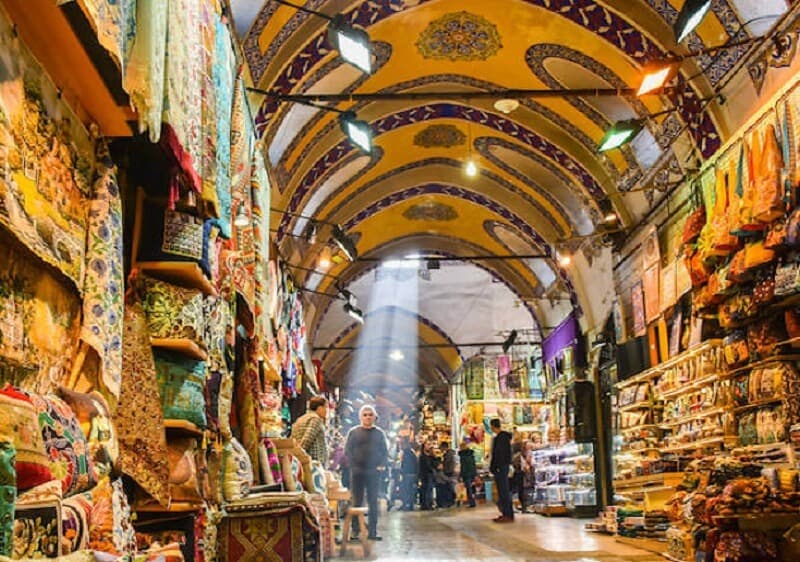
The Grand Bazaar is one of Istanbul's most recognizable landmarks and a bustling commercial center that currently employs 26,000 people and sees between 250,000 and 400,000 visitors every day.
It must compete with the modern shopping malls common in Istanbul, but its beauty and fascination represent a formidable advantage for it. On the 550th anniversary of the complex in 2011, the head of the Grand Bazaar Artisans Association said that it was the most visited landmark in the world.
The building's infrastructure, heating, and lighting will all be updated thanks to a restoration project set to begin in 2012. The stalls inside the market will be renovated, and any additions made later will be torn down. This plan will address the major issues plaguing the market, such as the lack of a restroom in the entire bazaar (now it is solved and there are many toilet facilities in the Grand Bazaar). Also, because there haven't been enough controls in the past few years, many dealers have taken out columns and walls from their stores. This, along with the fact that stolen lead was replaced with concrete on the roof of the market, has made it very dangerous for the earthquake that is expected to hit Istanbul in the next few years.
Except for Sundays and national holidays, the Grand Bazaar is open from 9:00 a.m. to 9:00 p.m. every day.
History of the Grand Bazaar
Shortly after the Ottoman conquest of Constantinople, in the winter of 1455–56, work began on what would become the Grand Bazaar's central market as part of a larger plan to boost the city's economy. A building specifically for the exchange of textiles was commissioned by Sultan Mehmet II. It was known in Ottoman Turkish as Bezzâzistan-Cedîd ("New Bedesten") and Cevâhir Bedestan ('Bedesten of Gems'). The Persian word bezestan, meaning "bazaar of the cloth sellers," was the inspiration for the English word bedesten. The structure, known variously as the "internal" (Ic), "ancient" (Atik), or "old" (Eski) Bedesten in Turkish, is located on the southwestern slope of Istanbul's third hill, between the ruins of the ancient Fora of Constantine and the Fora of Theodosius. It was also near the first sultan’s palace, the Old Palace (Eski Sarayi), which was also under construction in those same years, and not far from the Artopoleia (in Greek) (Άρτoπωλεία), the city’s bakers’ quarter in Byzantine times.
During the 1460s and 1461s, the Bedesten was completed and donated to the Aya Sofya Mosque's waqf. Even though most of the building is from the second half of the 15th century, academics have pointed to the Byzantine relief of a Comnenian eagle that is still on top of the East Gate (Kuyumcular Kapisi) of the Bedesten as proof that it was built in the Byzantine era.
A slave market, known in Turkish as Esir Pazari, operated not far from the Bedesten, a practice that had been maintained since Byzantine times. The old book market (Sahaflar Carsisi) was relocated from the bazaar to its present picturesque location near the Beyazid Mosque. Other important markets in the area were the "second-hand market" (Turkish: "Bit Pazari"), the "Long Market" (Uzun Carsi), which was the same as the Greek "Long Portico" (Makros Embolos), and the "Long Market."
Mehmet II had a second covered market built to the north of the first. It was called Kücük (which means "Little"), Cedit (which means "New"), or Yeni (both of which mean "New") Bedesten. The name comes from a type of thread that was woven in Bursa and had the color of sandalwood.
Після того, як Сандал Бедестен був побудований, текстильна промисловість переїхала туди, а Cevahir Bedesten став ексклюзивним доменом роздрібного сектору. Спочатку вони були двома окремими структурами. Були церковні руїни і велика цистерна між ними і мечеть Беязид, як зазначив французький мандрівник у XVI столітті на ім'я П'єр Гілл. Однак багато торговців швидко створили магазин в просторах між ними і навколо них, і незабаром цілий район був присвячений торгівлі.
Згідно з переписом, проведеним в 1890 році, в Базарі було 4 399 відкритих магазинів, 2 bedesten, 2195 кімнат, 1 хамам, 1 мечеть, 10 медраса, 19 фонтанів (2 садирван і 1 себіль), 1 мавзолей і 24 хана.
The last major disaster was an earthquake that struck Istanbul in 1894. Mahmud Celaleddin Paşa, the Minister of Public Works, oversaw the reconstruction of the damaged bazaar until 1898, during which time the size of the complex was reduced. While the Kütkculer Kapi and the old gate were demolished in the west, the Bit Pazari was left outside the new perimeter and turned into an open-air road known as Cadircilar Caddesi (the "Tentmaker Road"). Among all the hans that belonged to the market, many were left outside, and only nine remained enclosed in the structure.
Після того, як європейська конкуренція витіснила з бізнесу текстильних торговців, місто Стамбул купило Сандал Бедестен в 1914 році і почало використовувати його в якості аукціонного будинку для килимів наступного року. У 1927 році вулиці та ділянки базару отримали офіційні назви.
The complex was last renovated in the 1980s. At the same time, the market's advertising posters were taken down.
The architecture of the Grand Bazaar
У плані розташування, Ic Bedesten квадратний (43,30 м x 29,50 м). Двадцять чотири кам'яних стовпчики підтримують три рядки бухт. Кожна з веж має свій сліпо-трубний цегляний купол. 44 підземні кулі (турецьке: mahzen) були побудовані у внутрішніх і зовнішніх стінах. Bedesten отримує своє природне світло від прямокутних вікон, встановлених безпосередньо під дахом, до яких можна дістатися через амбулаторну виготовлену з дерева. Через обмежене освітлення, будівля була відкрита лише протягом невеликої кількості годин щодня, і її єдиною метою був продаж дорогих товарів, особливо текстилю. Крім того, mahzen Bedesten служив як кулі. Чотири окремі входи дають людям доступ до структури:
The northern gate is known as the "Second-hand Book Sellers' Gate" (Sahaflar Kapisi), the southern gate is known as the "Skullcap Sellers' Gate" (Takkeciler Kapisi), the eastern gate is known as the "Jewelers' Gate" (Kuyumcular Kapisi), and the western gate is known as "Women's Clothiers' Gate" (Zenneciler Kapisi).
Сандал Bedesten слідує позу з прямокутним розташуванням (40,20 м на 42,20 м), 12 кам'яних пір з 20 бухтами, а також цегляні куполи, накриті сліпим барабаном. Тільки зовнішні стіни мають розрізані в них стовпи. Масонство в обох структурах виготовляється з руїн, а бухти з'єднані кирпичними арками, які, в свою чергу, з'єднані з біками. Залізні ворота захищають входи до обох структур.
The buildings of the Grand Bazaar, except for the Bedesten, were originally erected out of wood; it wasn't until after the devastating fire of 1700 that they were reconstructed out of stone and brick and given roofs. Except for the fur dealers' market (Turkish: Kürkcüler Carsisi), a later addition, all of the buildings in the bazaar are single-story structures. Most of the roofs are tiled, while tarmac has been installed in the area that caught fire in 1954. Bazaar goers were warned not to bring any kind of flashlight or candle, as this would only serve to attract attention and start fights. It runs roughly parallel to the roads that surround the central district of Bedesten. Regardless, the market took on a picturesque appearance, especially in its western part, due to the damage caused by the numerous fires and earthquakes throughout the centuries and the repairs done without a general plan.
What to Buy at the Grand Bazaar in Istanbul
Кіліми і руги
One of Turkey's best-known exports is its exquisite hand-woven carpets and kilims (flat-weaves), and the Grand Bazaar is a popular place to find these rugs.
Туреччина має довгу і цікаву історію виготовлення килимів.Різниці регіонів, міст і сіл відомі своїми унікальними зразками і кольорами.
Карпати та килим з країн Центральної Азії будуть доступні поряд з турецькими.
You can browse through a wide variety of carpets in the Grand Bazaar's carpet shops. The best carpet stores will give you a cup of tea and a tour of their showroom while talking about their stock and showing you different kinds of carpets.
When you go carpet shopping, don't forget to bring your sense of humor.
Sellers of carpets are well-known for being a little too enthusiastic with their tales, but you should take it in stride and consider it all in good fun. Keep in mind that, unless they were present during the carpet's production, no carpet dealer has any idea what the weaver was thinking as they created the carpet.
Carpet shopping can be confusing for the uninitiated; if you don't know what you're doing, it's best to just buy something you like. Older carpets and kilims from the village or the nomad's collection were made for the weaver's use, while newer carpets are manufactured with the tourist in mind.
Вартість античних килимів з Туреччини та Центральної Азії залежить від багатьох факторів, таких як їх вік, майстерність, якість використовуваної вовни і барвників, а також їх нестача на нинішньому ринку.
Лампи та лампи
Зростає кількість людей, які хочуть лампи і фонари в подарунки з Туреччини.
In the Grand Bazaar, lampshades and chandeliers come in all kinds of modern styles, from metal filigree to colorful glass mosaics.
If you'd rather shop for vintage lighting than new, the Grand Bazaar's Ic Bedesten (Old Bazaar), located in the vicinity of the bazaar's geographic center, is where you'll find most of the specialized antique shops selling such items. The oldest and most iconic structure in the Grand Bazaar is the Ic Bedesten.
Подивіться в Cebeci Han для деяких передових філігрейних світлових приладів.
До менших варіантів відносяться багато скляних і металевих свічок, проданих на базарі.
Кераміка і кераміка
Міста Ізнік і Кутахія, які вже давно виготовляють кераміку, були першими місцями, де виготовлялася знаменита турецька кераміка.
Турецькі керамічні художники також створюють багато сучасних предметів, крім традиційних османських дизайнів, які часто містять тюльпанові мотиви та інші квіткові шаблони.
Хеттійські ящики і карафи з круговою серединою засновані на анатолійських дизайнах бронзового віку і роблять відмінні подарунки.
If you are planning a trip to Cappadocia while in Turkey, you may want to hold off on making any purchases until you have a chance to see what the ceramic artists of Avanos are known for producing, as their work is reminiscent of the Hittite era.
In the Grand Bazaar, the main streets are lined with shops that sell cheap, mass-produced ceramics of low quality.
Visit one of the market's dedicated ceramics shops if you're in search of uniquely painted ceramics.
The Arasta Bazaar (behind the Blue Mosque) and the Grand Bazaar are both worth exploring if you're interested in purchasing ceramics in Istanbul.
Турецька металопродукція
Міста Газіантеп, Санліурфа і Мардін на південному сході Туреччини відомі тим, що виробляють найкращі сучасні металургії в Туреччині.
Залишайтеся на покупках до поїздки в Туреччину, зокрема, до цих міст, оскільки ціни будуть нижчими там.
Деякі з найбільш продаваних товарів - це чайні і кавові сервісні комплекти та металеві плити з складними гравюрами, які засновані на традиційних османських дизайнах.
Engraved Turkish coffee pots, used to brew the beverage over a stovetop, are a practical and attractive souvenir that won't take up too much space in your carry-on.
Наріглі Хоока
Наргила (водяна труба) - це традиційний турецький сувенір, який використовується для куріння фруктового тютюну.
З часів Османської імперії люди курили наргілі в турецьких кафе.
Скляні або керамічні чаші з наргили (які утримують воду, використовувану для фільтрації диму) можуть приймати складні конструкції.
Keep in mind that nargile components are often purchased separately, and the bowls can be used as distinctive vases if you're not interested in buying a fully functional nargile but like the look of the bowls.
Go to Ic Bedesten's antique shops if you're in search of vintage Nargile. There are many shops in the bazaar selling contemporary nargile.
Ювелірні
The Grand Bazaar is the best place to go in Istanbul to buy jewelry.
There's something for everyone here, from glitzy gold to delicate silver filigree work and pieces set with semi-precious stones.
For gold work, head to the main street of Kalpakcilarbasi Caddesi first, which is lined with gold shops. This is the street that runs between the main Grand Bazaar entrances of Bayazit Gate, on the west side of the bazaar, and Nuruosmaniye Gate, at the eastern end.
Оскільки так багато виробництва спрямоване на весільний ринок, твори, як правило, класичні в стилі.
Можна почати пошук срібних прикрас в Ic Bedesten (Старий Базар), який є домом для багатьох магазинів, присвячених дорогоцінному металу.
Зверніть увагу на блакитний кальцедон і ювелірні вироби з цуланіту, обидва з яких видобуваються в Туреччині і вважаються напівцінними каміннями.
Подушки і подушки
The many smaller textile items available in Turkey are great purchases if you're looking for easy-to-pack items.
Це дозволяє вам повернути справжній меблі в турецькому стилі без високої ціни та зайвої ваги багажу, що виникає при покупці килимів.
Текстиль можна знайти в неймовірному різноманітті дизайнів і стилів. Подушки та інші невеликі текстильні вироби, друковані з традиційними османськими дизайнами, також легко доступні і недорогі завдяки масовому виробництву.
Оригінальні тканини сузані (середньоазіатські шпалери) і вікно-килим використовуються для створення унікальних текстильних аксесуарів (плоскі ткацькі килими).
Оснащення Хамма
Although bath products might not be the first thing that comes to mind when you think of a traditional Turkish souvenir, they have a deep history thanks to the country's hammam (Turkish bath) culture.
Towels with traditional fringed striped designs, called pestemals, are still used in modern hammams. The stalls in the bazaar will sell a wide variety of mass-produced towels, but if you're looking for something truly unique, you should browse the selection of handwoven cotton pestemals, towels, and bathrobes available at stores that specialize in hammam supplies.
Ручне оливкове мило і ексфоліююючі миття для витирання, що використовуються в хамамах, є двома з менших предметів, які роблять великі подарунки, щоб взяти додому.
Аксесуари для моди
The Grand Bazaar is a fantastic place to shop for accessories, whether you're in the market for a new scarf, pair of slippers, hat, or bag.
Туреччина давно відома своїми шовковими і шкіряними виробами, а також традицією виготовлення кольору, яка сьогодні виробляє багато дивних і високосучасних предметів моди, особливо сорочки і капелюхи.
Майте на увазі, що багато шкарпетки в продажу масового виробництва з туристами на увазі і навіть не виготовлені в Туреччині.
Магазини тканин, які проходять уздовж північного кінця Яглікцилар Каддесі, є найкращими місцями для пошуку високоякісної ручної шовків, кашмеру, бавовняних шальок і шкарпеток.
In the southwest corner of the bazaar, along Parcacilar Sokak and Fesciler Caddesi, you'll find a concentration of stores selling leather goods.
Турецькі десерти і десерти
Although the Spice Bazaar is where most tourists go to buy souvenirs and gifts involving spices and Turkish delight, the Grand Bazaar also has plenty of options for these kinds of purchases.
Зверніть увагу, що сумак (сушені кромсоні плоди сумакового рослини) і пуль-пібер (сушені червоні перці Алеппо) є двома з найбільш видатних спецій в турецькій кухні.
Солодкі і кислотні гранатові маляси і пекмез - це два приправи, які варто принести назад (згущені фруктові сиропи зазвичай виготовляються з винограду або малярії в Туреччині).
Зверніть увагу на багато кондитерських виробів Helva, виготовлених з сісамових насіння, а також на безліч сортів турецького смаку (так званого локума в Туреччині), які наповнені горіхами і ароматизовані рожевою водою або фруктами.
Advice on Shopping at the Grand Bazaar
The Grand Bazaar is open from 8.30 a.m. to 7 p.m., Monday through Saturday.
You cannot cover the breadth of the bazaar in one visit. Plan on spending at least an entire morning or afternoon here on your first visit if you want to explore or are serious about shopping, and don't expect to see everything.
Expect to get lost. Half the fun is getting lost in the Grand Bazaar and discovering one of the alley dead ends that lead to an arcaded han (old traveler inn).
Чай і розмова з місцевими магазинами і аутсом є важливими частинами досвіду. Cay (чай) буде запропоновано вам будь-ким і кожному, кого ви зустрічаєте. Ваш досвід тут буде набагато багатшим і більш цікавим, якщо ви берете час, щоб взяти участь у цьому турецькому гостинності.
The initial price you are quoted depends as much on the country you are from as it does on the seller's mood at the time. For an idea of how much items cost, spend some time browsing a range of shops before purchasing.
Магазини та магазини розмовляють різними мовами.
The Grand Bazaar's larger thoroughfares are lined with souvenir shops selling the same trinkets you'll find anywhere: fridge magnets, key chains, Turkey flags, and the ubiquitous nazar boncuk (glass evil-eye protector amulets). Get away from the hustle and bustle of the main drags to find unique and exciting stores.
Магазини килимів можна знайти поблизу Халіцилар Каддесі, а золото магазини можна знайти уздовж Каддесі Кальпакілларбасі і поблизу Себечі Хан і Ic Bedesten.
Frequently Asked Questions About The Grand Bazaar
Запитання: What is the Grand Bazaar?
А: The Grand Bazaar is a historic covered market in Istanbul, Turkey, known for its maze-like alleys filled with shops selling everything from jewelry and spices to textiles and ceramics.
Запитання: Where is the Grand Bazaar located?
А: The Grand Bazaar is located in the Fatih district of Istanbul, Turkey.
Запитання: How old is the Grand Bazaar?
А: The Grand Bazaar was established in the 15th century and has been in continuous operation since then.
Запитання: How big is the Grand Bazaar?
А: The Grand Bazaar spans over 60 streets and contains over 4,000 shops.
Запитання: What kinds of products can be found in the Grand Bazaar?
А: Гранд-базар відомий своєю широкою різноманітністю продуктів, включаючи ювелірні вироби, текстиль, кераміку, спеції та багато іншого.
Запитання: What is the history of the Grand Bazaar?
А: The Grand Bazaar has a long and rich history, having been an important center of commerce for centuries.
Запитання: Is the Grand Bazaar only for tourists?
А: The Grand Bazaar is both a tourist destination and a local shopping hub, attracting both locals and visitors alike.
Запитання: What are the opening hours of the Grand Bazaar?
А: Гранд-базар зазвичай відкритий з 9:00 до 7:00, сім днів на тиждень.
Запитання: What is the best time to visit the Grand Bazaar?
А: The best time to visit the Grand Bazaar is in the morning or late afternoon when the crowds are smaller and you can enjoy a more leisurely shopping experience.
Запитання: Is bargaining expected in the Grand Bazaar?
А: Bargaining is expected and considered part of the shopping experience at the Grand Bazaar, so be prepared to negotiate prices with vendors.
Ви можете забронювати екскурсію по Стамбулу з нашими ліцензованими екскурсійними гідами.
Map of Grand Bazaar