
 Grand-Bazaar Istanbul
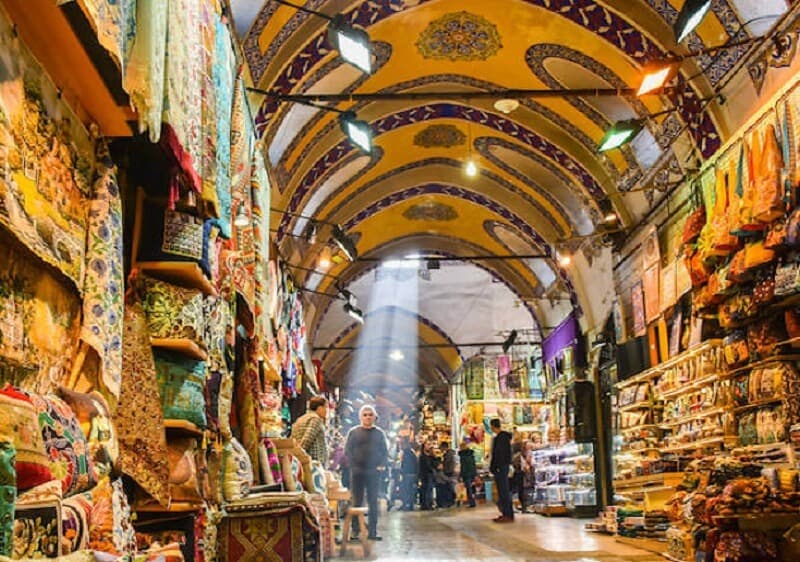
ISTANBUL GRAND BAZAAR
GRAND BAZAAR’s History
The Grand Bazaar is one of Istanbul's most recognizable landmarks and a bustling commercial center that currently employs 26,000 people and sees between 250,000 and 400,000 visitors every day.
It must compete with the modern shopping malls common in Istanbul, but its beauty and fascination represent a formidable advantage for it. On the 550th anniversary of the complex in 2011, the head of the Grand Bazaar Artisans Association said that it was the most visited landmark in the world.
The building's infrastructure, heating, and lighting will all be updated thanks to a restoration project set to begin in 2012. The stalls inside the market will be renovated, and any additions made later will be torn down. This plan will address the major issues plaguing the market, such as the lack of a restroom in the entire bazaar (now it is solved and there are many toilet facilities in the Grand Bazaar). Also, because there haven't been enough controls in the past few years, many dealers have taken out columns and walls from their stores. This, along with the fact that stolen lead was replaced with concrete on the roof of the market, has made it very dangerous for the earthquake that is expected to hit Istanbul in the next few years.
Except for Sundays and national holidays, the Grand Bazaar is open from 9:00 a.m. to 9:00 p.m. every day.
History of the Grand Bazaar
Shortly after the Ottoman conquest of Constantinople, in the winter of 1455–56, work began on what would become the Grand Bazaar's central market as part of a larger plan to boost the city's economy. A building specifically for the exchange of textiles was commissioned by Sultan Mehmet II. It was known in Ottoman Turkish as Bezzâzistan-Cedîd ("New Bedesten") and Cevâhir Bedestan ('Bedesten of Gems'). The Persian word bezestan, meaning "bazaar of the cloth sellers," was the inspiration for the English word bedesten. The structure, known variously as the "internal" (Ic), "ancient" (Atik), or "old" (Eski) Bedesten in Turkish, is located on the southwestern slope of Istanbul's third hill, between the ruins of the ancient Fora of Constantine and the Fora of Theodosius. It was also near the first sultan’s palace, the Old Palace (Eski Sarayi), which was also under construction in those same years, and not far from the Artopoleia (in Greek) (Άρτoπωλεία), the city’s bakers’ quarter in Byzantine times.
During the 1460s and 1461s, the Bedesten was completed and donated to the Aya Sofya Mosque's waqf. Even though most of the building is from the second half of the 15th century, academics have pointed to the Byzantine relief of a Comnenian eagle that is still on top of the East Gate (Kuyumcular Kapisi) of the Bedesten as proof that it was built in the Byzantine era.
A slave market, known in Turkish as Esir Pazari, operated not far from the Bedesten, a practice that had been maintained since Byzantine times. The old book market (Sahaflar Carsisi) was relocated from the bazaar to its present picturesque location near the Beyazid Mosque. Other important markets in the area were the "second-hand market" (Turkish: "Bit Pazari"), the "Long Market" (Uzun Carsi), which was the same as the Greek "Long Portico" (Makros Embolos), and the "Long Market."
Mehmet II had a second covered market built to the north of the first. It was called Kücük (which means "Little"), Cedit (which means "New"), or Yeni (both of which mean "New") Bedesten. The name comes from a type of thread that was woven in Bursa and had the color of sandalwood.
Sau khi Sandal Bedesten được xây dựng, ngành công nghiệp dệt may chuyển đến đó, trong khi Cevahir Bedesten trở thành lĩnh vực độc quyền của lĩnh vực bán lẻ cao cấp. Ban đầu chúng là hai cấu trúc riêng biệt. Có những tàn tích nhà thờ và một bể chứa lớn giữa chúng và Nhà thờ Hồi giáo Beyazid, như một du khách người Pháp trong thế kỷ 16 tên là Pierre Gilles lưu ý. Tuy nhiên, nhiều thương nhân nhanh chóng thiết lập cửa hàng trong không gian giữa và xung quanh chúng, và sớm một khu vực toàn bộ được dành riêng cho thương mại.
Theo một cuộc điều tra dân số năm 1890, Bazaar là nơi có 4.399 cửa hàng mở, 2 bedesten, 2195 phòng, 1 hamam, 1 nhà thờ Hồi giáo, 10 medrasas, 19 đài phun nước (2 sadirvan và 1 sebil), 1 mausoleum, và 24 han. có 3.000 cửa hàng trải dài trên 61 đường phố trong khu vực xây dựng 30,7% được bảo vệ bởi 18 cổng.
The last major disaster was an earthquake that struck Istanbul in 1894. Mahmud Celaleddin Paşa, the Minister of Public Works, oversaw the reconstruction of the damaged bazaar until 1898, during which time the size of the complex was reduced. While the Kütkculer Kapi and the old gate were demolished in the west, the Bit Pazari was left outside the new perimeter and turned into an open-air road known as Cadircilar Caddesi (the "Tentmaker Road"). Among all the hans that belonged to the market, many were left outside, and only nine remained enclosed in the structure.
Sau khi các thương gia dệt may bị đẩy ra khỏi kinh doanh do cạnh tranh châu Âu, thành phố Istanbul đã mua Sandal Bedesten vào năm 1914 và bắt đầu sử dụng nó như một nhà đấu giá thảm vào năm sau.Vào năm 1927, các đường phố và phần của sân khấu đã chính thức được đặt tên hiện tại.
The complex was last renovated in the 1980s. At the same time, the market's advertising posters were taken down.
The architecture of the Grand Bazaar
Theo bố trí, Ic Bedesten là hình vuông (43,30 m x 29,50 m). Hai mươi bốn viên đá đang hỗ trợ ba hàng vịnh. Mỗi tòa tháp có mái vòm gạch cao cấp. 44 phòng treo dưới lòng đất (Turkish: mahzen) được xây dựng trong các bức tường bên trong và bên ngoài. Bedesten nhận được ánh sáng tự nhiên từ các cửa sổ hình chữ nhật được lắp đặt trực tiếp dưới mái nhà, có thể được tiếp cận thông qua một phòng khám làm bằng gỗ. Do ánh sáng hạn chế, tòa nhà chỉ mở cửa trong một số ít giờ mỗi ngày và mục đích duy nhất của nó là bán hàng hóa đắt tiền, đặc biệt là dệt may. Ngoài ra, mái vòm Bedesten phục vụ như mái vòm. Bốn lối vào riêng biệt cho phép mọi người truy cập vào cấu trúc:
The northern gate is known as the "Second-hand Book Sellers' Gate" (Sahaflar Kapisi), the southern gate is known as the "Skullcap Sellers' Gate" (Takkeciler Kapisi), the eastern gate is known as the "Jewelers' Gate" (Kuyumcular Kapisi), and the western gate is known as "Women's Clothiers' Gate" (Zenneciler Kapisi).
Sandal Bedesten theo kiểu dáng với bố trí hình chữ nhật (40,20 m đến 42,20 m), 12 cột đá có 20 vịnh, và các hang gạch được phủ bằng một cái trống mù. Chỉ có các bức tường bên ngoài có cửa hàng cắt vào chúng. Các tấm thảm trong cả hai cấu trúc được làm bằng rác, và các vịnh được kết nối với các vòm gạch mà lần lượt được kết nối với các chùm sắt. Cổng sắt bảo vệ các lối vào của cả hai cấu trúc.
The buildings of the Grand Bazaar, except for the Bedesten, were originally erected out of wood; it wasn't until after the devastating fire of 1700 that they were reconstructed out of stone and brick and given roofs. Except for the fur dealers' market (Turkish: Kürkcüler Carsisi), a later addition, all of the buildings in the bazaar are single-story structures. Most of the roofs are tiled, while tarmac has been installed in the area that caught fire in 1954. Bazaar goers were warned not to bring any kind of flashlight or candle, as this would only serve to attract attention and start fights. It runs roughly parallel to the roads that surround the central district of Bedesten. Regardless, the market took on a picturesque appearance, especially in its western part, due to the damage caused by the numerous fires and earthquakes throughout the centuries and the repairs done without a general plan.
What to Buy at the Grand Bazaar in Istanbul
Kilims và Rugs
One of Turkey's best-known exports is its exquisite hand-woven carpets and kilims (flat-weaves), and the Grand Bazaar is a popular place to find these rugs.
Thổ Nhĩ Kỳ có một lịch sử lâu dài và thú vị của việc làm thảm. các khu vực khác nhau, thành phố và làng mạc được biết đến với các mẫu và màu sắc độc đáo của họ.
Thảm và kilim từ các nước Trung Á sẽ có sẵn cùng với những chiếc được sản xuất tại Thổ Nhĩ Kỳ.
You can browse through a wide variety of carpets in the Grand Bazaar's carpet shops. The best carpet stores will give you a cup of tea and a tour of their showroom while talking about their stock and showing you different kinds of carpets.
When you go carpet shopping, don't forget to bring your sense of humor.
Sellers of carpets are well-known for being a little too enthusiastic with their tales, but you should take it in stride and consider it all in good fun. Keep in mind that, unless they were present during the carpet's production, no carpet dealer has any idea what the weaver was thinking as they created the carpet.
Carpet shopping can be confusing for the uninitiated; if you don't know what you're doing, it's best to just buy something you like. Older carpets and kilims from the village or the nomad's collection were made for the weaver's use, while newer carpets are manufactured with the tourist in mind.
Giá trị của thảm cổ từ Thổ Nhĩ Kỳ và Trung Á phụ thuộc vào nhiều yếu tố, chẳng hạn như tuổi tác, sự khéo léo, chất lượng của len và thuốc nhuộm được sử dụng, và sự thiếu hụt của chúng trên thị trường hiện nay.
Đèn và Lantern
Có một sự gia tăng lớn trong số những người muốn đèn và đèn lồng như quà tặng từ Thổ Nhĩ Kỳ.
In the Grand Bazaar, lampshades and chandeliers come in all kinds of modern styles, from metal filigree to colorful glass mosaics.
If you'd rather shop for vintage lighting than new, the Grand Bazaar's Ic Bedesten (Old Bazaar), located in the vicinity of the bazaar's geographic center, is where you'll find most of the specialized antique shops selling such items. The oldest and most iconic structure in the Grand Bazaar is the Ic Bedesten.
Hãy nhìn vào Cebeci Han để tìm một số thiết bị ánh sáng filigree tiên tiến.
Các lựa chọn nhỏ hơn bao gồm nhiều đèn pha kính và kim loại được bán trong chợ.
Ceramics và Pottery
Các thành phố Iznik và Kütahya, đã làm gốm từ lâu, là những nơi đầu tiên mà gốm nổi tiếng của Thổ Nhĩ Kỳ được sản xuất.
Các nghệ sĩ gốm sứ Thổ Nhĩ Kỳ hiện nay cũng làm rất nhiều mảnh hiện đại ngoài các thiết kế Ottoman truyền thống thường có các động cơ hoa tulip và các mẫu hoa khác.
Các cây cầu và carafes theo phong cách Hittite, với phần trung tâm tròn, dựa trên các thiết kế Anatolian từ thời kỳ đồng và tạo ra những món quà tuyệt vời.
Nếu bạn đang lên kế hoạch một chuyến đi đến Cappadocia trong khi ở Thổ Nhĩ Kỳ, bạn có thể muốn giữ lại bất kỳ mua sắm cho đến khi bạn có cơ hội để xem những gì các nghệ sĩ gốm của Avanos được biết đến để sản xuất, vì công việc của họ là gợi nhớ đến thời kỳ Hittite.
In the Grand Bazaar, the main streets are lined with shops that sell cheap, mass-produced ceramics of low quality.
Visit one of the market's dedicated ceramics shops if you're in search of uniquely painted ceramics.
The Arasta Bazaar (behind the Blue Mosque) and the Grand Bazaar are both worth exploring if you're interested in purchasing ceramics in Istanbul.
Thổ Nhĩ Kỳ Metalwork
Các thành phố Gaziantep, Sanliurfa và Mardin ở phía đông nam Thổ Nhĩ Kỳ được biết đến với việc sản xuất một số kim loại hiện đại tốt nhất ở Thổ Nhĩ Kỳ.
Hãy dừng lại mua sắm cho đến khi bạn đi du lịch đến Thổ Nhĩ Kỳ, đặc biệt là các thành phố này, vì giá sẽ thấp hơn ở đó.
Một số mặt hàng bán chạy nhất là bộ trà và cà phê và đĩa kim loại với các bản khắc phức tạp dựa trên các thiết kế Ottoman truyền thống.
Engraved Turkish coffee pots, used to brew the beverage over a stovetop, are a practical and attractive souvenir that won't take up too much space in your carry-on.
Nargile Hookah
Nargile (tấm ống nước) là một món quà lưu niệm truyền thống của Thổ Nhĩ Kỳ được sử dụng để hút thuốc lá có hương vị trái cây.
Kể từ thời Đế quốc Ottoman, người ta đã hút thuốc lá trong các quán cà phê Thổ Nhĩ Kỳ.
Các chén thủy tinh hoặc gốm sứ (có chứa nước được sử dụng để lọc khói) có thể có thiết kế phức tạp.
Keep in mind that nargile components are often purchased separately, and the bowls can be used as distinctive vases if you're not interested in buying a fully functional nargile but like the look of the bowls.
Go to Ic Bedesten's antique shops if you're in search of vintage Nargile. There are many shops in the bazaar selling contemporary nargile.
Trang sức
The Grand Bazaar is the best place to go in Istanbul to buy jewelry.
There's something for everyone here, from glitzy gold to delicate silver filigree work and pieces set with semi-precious stones.
For gold work, head to the main street of Kalpakcilarbasi Caddesi first, which is lined with gold shops. This is the street that runs between the main Grand Bazaar entrances of Bayazit Gate, on the west side of the bazaar, and Nuruosmaniye Gate, at the eastern end.
Bởi vì rất nhiều sản phẩm được nhắm vào thị trường đám cưới, các mảnh có xu hướng là phong cách cổ điển.
Có thể bắt đầu tìm kiếm đồ trang sức bạc của bạn trong Ic Bedesten (Old Bazaar), nơi có nhiều cửa hàng dành riêng cho kim loại quý.
Hãy chú ý đến đồ trang sức màu xanh lá cây và vàng kim, cả hai đều được khai thác ở Thổ Nhĩ Kỳ và được coi là đá bán quý.
Bàn và gối
The many smaller textile items available in Turkey are great purchases if you're looking for easy-to-pack items.
Những điều này cho phép bạn mang lại một số đồ nội thất kiểu Thổ Nhĩ Kỳ đích thực mà không cần phải trả giá đắt tiền và trọng lượng hành lý dư thừa khi mua thảm.
Vải có thể được tìm thấy trong một loạt các thiết kế và phong cách đáng kinh ngạc. vải bọc và các loại vải nhỏ khác in với thiết kế Ottoman truyền thống cũng dễ dàng truy cập và rẻ tiền nhờ vào sản xuất hàng loạt.
Các loại vải suzani gốc (vải được chải ở Trung Á) và kilim vintage được sử dụng để tạo ra các phụ kiện dệt may độc đáo (tấm thảm dệt phẳng).
Thiết bị Hammam
Although bath products might not be the first thing that comes to mind when you think of a traditional Turkish souvenir, they have a deep history thanks to the country's hammam (Turkish bath) culture.
Towels with traditional fringed striped designs, called pestemals, are still used in modern hammams. The stalls in the bazaar will sell a wide variety of mass-produced towels, but if you're looking for something truly unique, you should browse the selection of handwoven cotton pestemals, towels, and bathrobes available at stores that specialize in hammam supplies.
Xà phòng dầu ô liu làm bằng tay và các miếng rửa chải tẩy rửa được sử dụng trong bồn tắm là hai trong số các mặt hàng nhỏ hơn làm cho những món quà tuyệt vời để mang về nhà.
Phụ kiện cho thời trang
The Grand Bazaar is a fantastic place to shop for accessories, whether you're in the market for a new scarf, pair of slippers, hat, or bag.
Thổ Nhĩ Kỳ từ lâu đã được biết đến với các sản phẩm lụa và da của nó, và cũng có một truyền thống làm cho cảm giác truyền thống mà ngày nay sản xuất nhiều mặt hàng thời trang kỳ lạ và rất hiện đại, đặc biệt là áo len và mũ.
Hãy nhớ rằng nhiều chiếc áo thun bán được sản xuất hàng loạt với khách du lịch trong tâm trí và thậm chí không được sản xuất ở Thổ Nhĩ Kỳ.
Các cửa hàng vải chạy dọc theo đầu phía bắc của Yaglikcilar Caddesi là những nơi tốt nhất để tìm kiếm lụa, cá cốc, và vải cotton và vải vải tay chất lượng cao.
In the southwest corner of the bazaar, along Parcacilar Sokak and Fesciler Caddesi, you'll find a concentration of stores selling leather goods.
Bánh ngọt và món tráng miệng Thổ Nhĩ Kỳ
Although the Spice Bazaar is where most tourists go to buy souvenirs and gifts involving spices and Turkish delight, the Grand Bazaar also has plenty of options for these kinds of purchases.
Lưu ý rằng sumac (tóc rách khô của cây sumac) và pul biber (thùng ớt đỏ khô Aleppo) là hai loại gia vị nổi bật nhất trong ẩm thực Thổ Nhĩ Kỳ.
Cà rốt và mứt mía là hai loại gia vị đáng mang về (những loại xi-rô trái cây có nồng độ đông thường được làm từ nho hoặc dưa chuột ở Thổ Nhĩ Kỳ).
Hãy cẩn thận với nhiều nhà máy bánh helva làm từ hạt gừng ngoài vô số giống hương vị Thổ Nhĩ Kỳ (được gọi là lokum ở Thổ Nhĩ Kỳ), được làm bằng hạt và hương vị với nước hoa hồng hoặc trái cây.
Advice on Shopping at the Grand Bazaar
The Grand Bazaar is open from 8.30 a.m. to 7 p.m., Monday through Saturday.
You cannot cover the breadth of the bazaar in one visit. Plan on spending at least an entire morning or afternoon here on your first visit if you want to explore or are serious about shopping, and don't expect to see everything.
Expect to get lost. Half the fun is getting lost in the Grand Bazaar and discovering one of the alley dead ends that lead to an arcaded han (old traveler inn).
Trà và trò chuyện với các cửa hàng địa phương và các nhà bán lẻ là những phần thiết yếu của trải nghiệm. Cay (trà) sẽ được cung cấp cho bạn bởi bất cứ ai và tất cả mọi người bạn gặp. kinh nghiệm của bạn ở đây sẽ giàu có hơn và thú vị hơn nếu bạn dành thời gian để tham gia vào khách sạn Thổ Nhĩ Kỳ này.
The initial price you are quoted depends as much on the country you are from as it does on the seller's mood at the time. For an idea of how much items cost, spend some time browsing a range of shops before purchasing.
Người mua sắm và touts ở đây nói một loạt các ngôn ngữ.
The Grand Bazaar's larger thoroughfares are lined with souvenir shops selling the same trinkets you'll find anywhere: fridge magnets, key chains, Turkey flags, and the ubiquitous nazar boncuk (glass evil-eye protector amulets). Get away from the hustle and bustle of the main drags to find unique and exciting stores.
Các khu vực khác nhau của chợ được dành riêng cho các mặt hàng mua sắm cụ thể. cửa hàng thảm có thể được tìm thấy gần Halicilar Caddesi, trong khi các cửa hàng vàng có thể được tìm thấy dọc theo Kalpakcilarbasi Caddesi và ở gần Cebeci Han và Ic Bedesten.
Frequently Asked Questions About The Grand Bazaar
Q: What is the Grand Bazaar?
a): The Grand Bazaar is a historic covered market in Istanbul, Turkey, known for its maze-like alleys filled with shops selling everything from jewelry and spices to textiles and ceramics.
Q: Where is the Grand Bazaar located?
a): The Grand Bazaar is located in the Fatih district of Istanbul, Turkey.
Q: How old is the Grand Bazaar?
a): The Grand Bazaar was established in the 15th century and has been in continuous operation since then.
Q: How big is the Grand Bazaar?
a): The Grand Bazaar spans over 60 streets and contains over 4,000 shops.
Q: What kinds of products can be found in the Grand Bazaar?
a): The Grand Bazaar is known for its wide variety of products, including jewelry, textiles, ceramics, spices, and more.
Q: What is the history of the Grand Bazaar?
a): The Grand Bazaar has a long and rich history, having been an important center of commerce for centuries.
Q: Is the Grand Bazaar only for tourists?
a): The Grand Bazaar is both a tourist destination and a local shopping hub, attracting both locals and visitors alike.
Q: What are the opening hours of the Grand Bazaar?
a): The Grand Bazaar is typically open from 9:00 a.m. to 7:00 p.m., seven days a week.
Q: What is the best time to visit the Grand Bazaar?
a): The best time to visit the Grand Bazaar is in the morning or late afternoon when the crowds are smaller and you can enjoy a more leisurely shopping experience.
Q: Is bargaining expected in the Grand Bazaar?
a): Bargaining is expected and considered part of the shopping experience at the Grand Bazaar, so be prepared to negotiate prices with vendors.
Bạn có thể đặt tour du lịch thành phố Istanbul với hướng dẫn viên du lịch được cấp phép của chúng tôi. Các liên kết dưới đây:
Map of Grand Bazaar