
 grand-bazaar-Istanbul
ISTANBUL GRAND BAZAAR
GRAND BAZAAR’s History
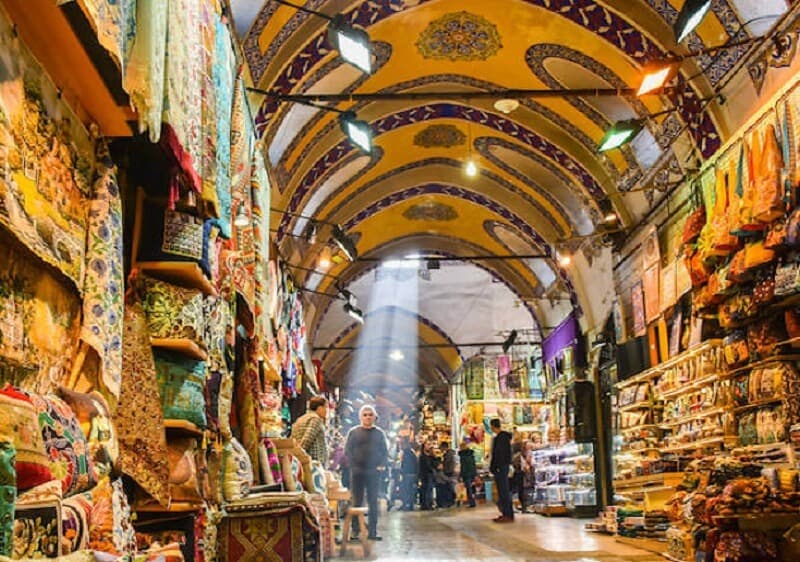
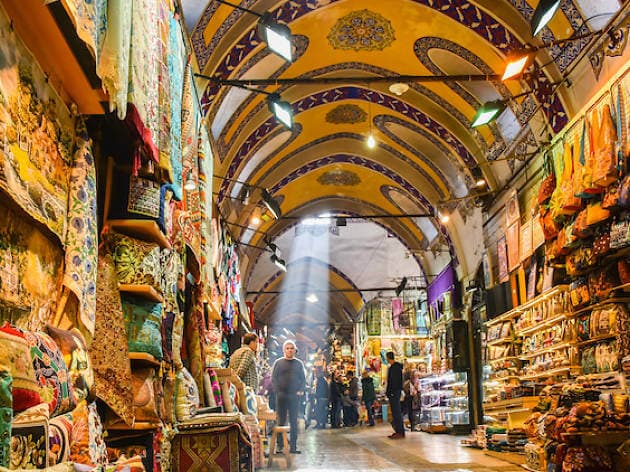
The Grand Bazaar is one of Istanbul's most recognizable landmarks and a bustling commercial center that currently employs 26,000 people and sees between 250,000 and 400,000 visitors every day.
It must compete with the modern shopping malls common in Istanbul, but its beauty and fascination represent a formidable advantage for it. On the 550th anniversary of the complex in 2011, the head of the Grand Bazaar Artisans Association said that it was the most visited landmark in the world.
The building's infrastructure, heating, and lighting will all be updated thanks to a restoration project set to begin in 2012. The stalls inside the market will be renovated, and any additions made later will be torn down. This plan will address the major issues plaguing the market, such as the lack of a restroom in the entire bazaar (now it is solved and there are many toilet facilities in the Grand Bazaar). Also, because there haven't been enough controls in the past few years, many dealers have taken out columns and walls from their stores. This, along with the fact that stolen lead was replaced with concrete on the roof of the market, has made it very dangerous for the earthquake that is expected to hit Istanbul in the next few years.
Except for Sundays and national holidays, the Grand Bazaar is open from 9:00 a.m. to 9:00 p.m. every day.
History of the Grand Bazaar
Shortly after the Ottoman conquest of Constantinople, in the winter of 1455–56, work began on what would become the Grand Bazaar's central market as part of a larger plan to boost the city's economy. A building specifically for the exchange of textiles was commissioned by Sultan Mehmet II. It was known in Ottoman Turkish as Bezzâzistan-Cedîd ("New Bedesten") and Cevâhir Bedestan ('Bedesten of Gems'). The Persian word bezestan, meaning "bazaar of the cloth sellers," was the inspiration for the English word bedesten. The structure, known variously as the "internal" (Ic), "ancient" (Atik), or "old" (Eski) Bedesten in Turkish, is located on the southwestern slope of Istanbul's third hill, between the ruins of the ancient Fora of Constantine and the Fora of Theodosius. It was also near the first sultan’s palace, the Old Palace (Eski Sarayi), which was also under construction in those same years, and not far from the Artopoleia (in Greek) (Άρτoπωλεία), the city’s bakers’ quarter in Byzantine times.
During the 1460s and 1461s, the Bedesten was completed and donated to the Aya Sofya Mosque's waqf. Even though most of the building is from the second half of the 15th century, academics have pointed to the Byzantine relief of a Comnenian eagle that is still on top of the East Gate (Kuyumcular Kapisi) of the Bedesten as proof that it was built in the Byzantine era.
A slave market, known in Turkish as Esir Pazari, operated not far from the Bedesten, a practice that had been maintained since Byzantine times. The old book market (Sahaflar Carsisi) was relocated from the bazaar to its present picturesque location near the Beyazid Mosque. Other important markets in the area were the "second-hand market" (Turkish: "Bit Pazari"), the "Long Market" (Uzun Carsi), which was the same as the Greek "Long Portico" (Makros Embolos), and the "Long Market."
Mehmet II had a second covered market built to the north of the first. It was called Kücük (which means "Little"), Cedit (which means "New"), or Yeni (both of which mean "New") Bedesten. The name comes from a type of thread that was woven in Bursa and had the color of sandalwood.
После того как был построен Sandal Bedesten, текстильная промышленность переехала туда, в то время как Cevahir Bedesten стал эксклюзивным доменом высококлассного розничного сектора. Они были изначально двумя отдельными структурами. Между ними были церковные руины и большая цистерна и мечеть Беязид, как отмечал французский путешественник в 16 веке по имени Пьер Гиль. Однако многие купцы быстро установили магазин в пространствах между ними и вокруг них, и вскоре целый район был посвящен торговле.
Согласно переписи, проведенной в 1890 году, Базар был домом для 4399 открытых магазинов, 2 bedesten, 2195 комнат, 1 Хамам, 1 мечеть, 10 медраса, 19 фонтанов (2 садирван и 1 себил), 1 мавзолей и 24 хана.
The last major disaster was an earthquake that struck Istanbul in 1894. Mahmud Celaleddin Paşa, the Minister of Public Works, oversaw the reconstruction of the damaged bazaar until 1898, during which time the size of the complex was reduced. While the Kütkculer Kapi and the old gate were demolished in the west, the Bit Pazari was left outside the new perimeter and turned into an open-air road known as Cadircilar Caddesi (the "Tentmaker Road"). Among all the hans that belonged to the market, many were left outside, and only nine remained enclosed in the structure.
После того, как европейская конкуренция вытеснила текстильных торговцев из бизнеса, город Стамбул купил Sandal Bedesten в 1914 году и начал использовать его в качестве аукциона для ковров в следующем году.В 1927 году улицы и участки базара получили официальные названия.Последние пожары в Базаре произошли в 1943 и 1954 годах, а связанные с ними реставрации были завершены 28 июля 1959 года.
The complex was last renovated in the 1980s. At the same time, the market's advertising posters were taken down.
The architecture of the Grand Bazaar
В плане расположения Ic Bedesten квадратен (43,30 м x 29,50 м). Двадцать четыре каменных столпа поддерживают три ряда бухт. Каждая из башен имеет свой кирпичный купол с туманным верхом. 44 подземные загородные комнаты (турецкий: mahzen) были построены во внутренних и внешних стенах. Bedesten получает свое естественное свет от прямоугольных окон, установленных непосредственно под крышей, к которым можно добраться через амбулаторное деревянное. Из-за ограниченного освещения здание было открыто только в течение небольшого количества часов каждый день, и его единственной целью была продажа дорогостоящих товаров, в основном текстиля. Кроме того, mahzen Bedesten служил в качестве загородных дверей. Четыре отдельных входа дают людям доступ к структуре:
The northern gate is known as the "Second-hand Book Sellers' Gate" (Sahaflar Kapisi), the southern gate is known as the "Skullcap Sellers' Gate" (Takkeciler Kapisi), the eastern gate is known as the "Jewelers' Gate" (Kuyumcular Kapisi), and the western gate is known as "Women's Clothiers' Gate" (Zenneciler Kapisi).
Сандаль Бедестен следует по своему набору с прямоугольным расположением (40,20 м по 42,20 м), 12 каменными колоннами с 20 бухтами и кирпичными куполами, покрытыми слепым барабаном. Только внешние стены имеют вырезанные в них стены. Масонство в обеих структурах выполнено из руинов, а бухты соединены кирпичными дугами, которые, в свою очередь, связаны с джуниперными лучами. Железные ворота защищают входы в обе структуры.
The buildings of the Grand Bazaar, except for the Bedesten, were originally erected out of wood; it wasn't until after the devastating fire of 1700 that they were reconstructed out of stone and brick and given roofs. Except for the fur dealers' market (Turkish: Kürkcüler Carsisi), a later addition, all of the buildings in the bazaar are single-story structures. Most of the roofs are tiled, while tarmac has been installed in the area that caught fire in 1954. Bazaar goers were warned not to bring any kind of flashlight or candle, as this would only serve to attract attention and start fights. It runs roughly parallel to the roads that surround the central district of Bedesten. Regardless, the market took on a picturesque appearance, especially in its western part, due to the damage caused by the numerous fires and earthquakes throughout the centuries and the repairs done without a general plan.
What to Buy at the Grand Bazaar in Istanbul
Килимы и руги
One of Turkey's best-known exports is its exquisite hand-woven carpets and kilims (flat-weaves), and the Grand Bazaar is a popular place to find these rugs.
Турция имеет долгую и интересную историю изготовления ковров.Разные регионы, города и деревни известны своими уникальными рисунками и цветами.
Килимы и ковры из стран Центральной Азии будут доступны наряду с турецкими.
You can browse through a wide variety of carpets in the Grand Bazaar's carpet shops. The best carpet stores will give you a cup of tea and a tour of their showroom while talking about their stock and showing you different kinds of carpets.
When you go carpet shopping, don't forget to bring your sense of humor.
Sellers of carpets are well-known for being a little too enthusiastic with their tales, but you should take it in stride and consider it all in good fun. Keep in mind that, unless they were present during the carpet's production, no carpet dealer has any idea what the weaver was thinking as they created the carpet.
Carpet shopping can be confusing for the uninitiated; if you don't know what you're doing, it's best to just buy something you like. Older carpets and kilims from the village or the nomad's collection were made for the weaver's use, while newer carpets are manufactured with the tourist in mind.
Ценность античных ковров из Турции и Центральной Азии зависит от многих факторов, таких как их возраст, ремесло, качество используемой шерсти и красителей, а также их нехватка на текущем рынке.
Лампы и лампы
Было большое увеличение количества людей, которые хотят лампы и фонари в качестве подарков из Турции.
In the Grand Bazaar, lampshades and chandeliers come in all kinds of modern styles, from metal filigree to colorful glass mosaics.
If you'd rather shop for vintage lighting than new, the Grand Bazaar's Ic Bedesten (Old Bazaar), located in the vicinity of the bazaar's geographic center, is where you'll find most of the specialized antique shops selling such items. The oldest and most iconic structure in the Grand Bazaar is the Ic Bedesten.
Посмотрите в Cebeci Han для некоторых передовых фиг.
К более мелким вариантам относятся многочисленные стеклянные и металлические свечи, продаваемые на базаре.
Керамика и керамика
Города Изник и Кутахия, которые уже давно производят керамику, были первыми местами, где производилась знаменитая турецкая керамика.
Турецкие керамические художники теперь также делают много современных предметов в дополнение к традиционным османским дизайнам, которые часто имеют тюльпановые мотивы и другие цветочные рисунки.
Хеттиты и карафы, с круглой серединой, основаны на анатолийских дизайнах бронзового века и делают отличные подарки.
If you are planning a trip to Cappadocia while in Turkey, you may want to hold off on making any purchases until you have a chance to see what the ceramic artists of Avanos are known for producing, as their work is reminiscent of the Hittite era.
In the Grand Bazaar, the main streets are lined with shops that sell cheap, mass-produced ceramics of low quality.
Visit one of the market's dedicated ceramics shops if you're in search of uniquely painted ceramics.
The Arasta Bazaar (behind the Blue Mosque) and the Grand Bazaar are both worth exploring if you're interested in purchasing ceramics in Istanbul.
Турецкие металлурги
Города Газиантеп, Санлиурфа и Мардин на юго-востоке Турции известны тем, что производят некоторые из лучших современных металлов в Турции.
Оставайтесь на покупках до поездки в Турцию, в частности в эти города, так как цены будут ниже там.
Некоторые из самых продаваемых предметов - это чайные и кофейные сервисные наборы и металлические тарелки с сложными гравюрами, которые основаны на традиционных османских дизайнах.
Engraved Turkish coffee pots, used to brew the beverage over a stovetop, are a practical and attractive souvenir that won't take up too much space in your carry-on.
Нарисованный Hookah
Наргил (водная труба) — это традиционный турецкий сувенир, используемый для курения фруктового табака.
С времен Османской империи люди курят наргилу в турецких кафе.
Стеклянные или керамические чаши с наргилой (которые удерживают воду, используемую для фильтрации дыма) могут принимать сложные конструкции.
Keep in mind that nargile components are often purchased separately, and the bowls can be used as distinctive vases if you're not interested in buying a fully functional nargile but like the look of the bowls.
Go to Ic Bedesten's antique shops if you're in search of vintage Nargile. There are many shops in the bazaar selling contemporary nargile.
Ювелирные
The Grand Bazaar is the best place to go in Istanbul to buy jewelry.
There's something for everyone here, from glitzy gold to delicate silver filigree work and pieces set with semi-precious stones.
For gold work, head to the main street of Kalpakcilarbasi Caddesi first, which is lined with gold shops. This is the street that runs between the main Grand Bazaar entrances of Bayazit Gate, on the west side of the bazaar, and Nuruosmaniye Gate, at the eastern end.
Поскольку так много производства направлено на свадебный рынок, кусочки, как правило, классические в стиле.
Магазины, продающие серебряные украшения можно найти по всему базару.Возможно начать свой поиск серебряных украшений в Ic Bedesten (Старый Базар), который является домом для многих магазинов, посвященных драгоценному металлу.
Следите за голубым кальцедоном и ювелирными украшениями из зултанита, которые оба добываются в Турции и считаются полудрагоценными камнями.
Подушки и подушки
The many smaller textile items available in Turkey are great purchases if you're looking for easy-to-pack items.
Это позволяет вам вернуть подлинную мебель в турецком стиле без высокой цены и лишнего веса багажа при покупке ковров.
Подушки и другие мелкие текстильные изделия, напечатанные с традиционными османскими дизайнами, также легко доступны и недороги благодаря массовому производству.
Оригинальные ткани сузань (среднеазиатские шлифованные текстильные изделия) и винтажные килим используются для создания уникальных текстильных аксессуаров (плоские тканые ковры).
Оборудование Hammam
Although bath products might not be the first thing that comes to mind when you think of a traditional Turkish souvenir, they have a deep history thanks to the country's hammam (Turkish bath) culture.
Towels with traditional fringed striped designs, called pestemals, are still used in modern hammams. The stalls in the bazaar will sell a wide variety of mass-produced towels, but if you're looking for something truly unique, you should browse the selection of handwoven cotton pestemals, towels, and bathrobes available at stores that specialize in hammam supplies.
Ручные мыла с оливковым маслом и отшелушивающие мифы для отжима, используемые в хамамах, являются двумя из меньших предметов, которые делают отличные подарки, чтобы взять домой.
Аксессуары для моды
The Grand Bazaar is a fantastic place to shop for accessories, whether you're in the market for a new scarf, pair of slippers, hat, or bag.
Турция давно известна своей шелковой и кожевенной продукцией, а также традиционной традицией изготовления шерсти, которая сегодня производит много странных и высоко современных предметов моды, особенно платьев и шляп.
Имейте в виду, что многие из шкарпеток, продаваемых в Турции, массовое производство с учетом туристов и даже не производятся в Турции.
Тканевые магазины, которые проходят вдоль северного конца Ягликилар-Кадеси, являются лучшими местами для поиска высококачественной ручной шелки, кашмира, хлопка и шерсти.
In the southwest corner of the bazaar, along Parcacilar Sokak and Fesciler Caddesi, you'll find a concentration of stores selling leather goods.
Турки и десерты
Although the Spice Bazaar is where most tourists go to buy souvenirs and gifts involving spices and Turkish delight, the Grand Bazaar also has plenty of options for these kinds of purchases.
Обратите внимание, что сумак (сушеный коричневый плод растения сумака) и пуль-пибер (сушеный красный перец Алеппо) являются двумя из самых выдающихся приправ в турецкой кухне.
Сладкие и кисломолочные гранатовые малярии и пекмез — это два приправы, которые стоит вернуть (в Турции конденсированные фруктовые сиропы обычно делаются из винограда или черники).
Посмотрите на многочисленные кондитерские заведения, изготовленные из семян семян семян, а также на бесчисленные сорта турецкого лакомства (так называемого локума в Турции), которые наполнены орехами и ароматизированы розовой водой или фруктами.
Advice on Shopping at the Grand Bazaar
The Grand Bazaar is open from 8.30 a.m. to 7 p.m., Monday through Saturday.
You cannot cover the breadth of the bazaar in one visit. Plan on spending at least an entire morning or afternoon here on your first visit if you want to explore or are serious about shopping, and don't expect to see everything.
Expect to get lost. Half the fun is getting lost in the Grand Bazaar and discovering one of the alley dead ends that lead to an arcaded han (old traveler inn).
Чай и беседа с местными торговцами и аутсом являются важными частями опыта. Кай (чай) будет предлагаться вам кем угодно и всем, кого вы встречаете. Ваш опыт здесь будет намного богаче и веселее, если вы займете время, чтобы принять участие в этом турецком гостеприимстве.
The initial price you are quoted depends as much on the country you are from as it does on the seller's mood at the time. For an idea of how much items cost, spend some time browsing a range of shops before purchasing.
Магазины и магазины здесь говорят на разных языках.
The Grand Bazaar's larger thoroughfares are lined with souvenir shops selling the same trinkets you'll find anywhere: fridge magnets, key chains, Turkey flags, and the ubiquitous nazar boncuk (glass evil-eye protector amulets). Get away from the hustle and bustle of the main drags to find unique and exciting stores.
Магазины ковров можно найти вблизи Халлицилар Каддеси, в то время как магазины золота можно найти вдоль Кальпакилларбаси Каддеси и вблизи Чебеков Хан и Ic Bedesten.
Frequently Asked Questions About The Grand Bazaar
Вопрос: What is the Grand Bazaar?
А: The Grand Bazaar is a historic covered market in Istanbul, Turkey, known for its maze-like alleys filled with shops selling everything from jewelry and spices to textiles and ceramics.
Вопрос: Where is the Grand Bazaar located?
А: The Grand Bazaar is located in the Fatih district of Istanbul, Turkey.
Вопрос: How old is the Grand Bazaar?
А: The Grand Bazaar was established in the 15th century and has been in continuous operation since then.
Вопрос: How big is the Grand Bazaar?
А: The Grand Bazaar spans over 60 streets and contains over 4,000 shops.
Вопрос: What kinds of products can be found in the Grand Bazaar?
А: The Grand Bazaar is known for its wide variety of products, including jewelry, textiles, ceramics, spices, and more.
Вопрос: What is the history of the Grand Bazaar?
А: The Grand Bazaar has a long and rich history, having been an important center of commerce for centuries.
Вопрос: Is the Grand Bazaar only for tourists?
А: The Grand Bazaar is both a tourist destination and a local shopping hub, attracting both locals and visitors alike.
Вопрос: What are the opening hours of the Grand Bazaar?
А: The Grand Bazaar is typically open from 9:00 a.m. to 7:00 p.m., seven days a week.
Вопрос: What is the best time to visit the Grand Bazaar?
А: The best time to visit the Grand Bazaar is in the morning or late afternoon when the crowds are smaller and you can enjoy a more leisurely shopping experience.
Вопрос: Is bargaining expected in the Grand Bazaar?
А: Bargaining is expected and considered part of the shopping experience at the Grand Bazaar, so be prepared to negotiate prices with vendors.
Вы можете забронировать тур по Стамбулу с нашими лицензированными турами.
Map of Grand Bazaar