
 بيرنابا - إسطنبول
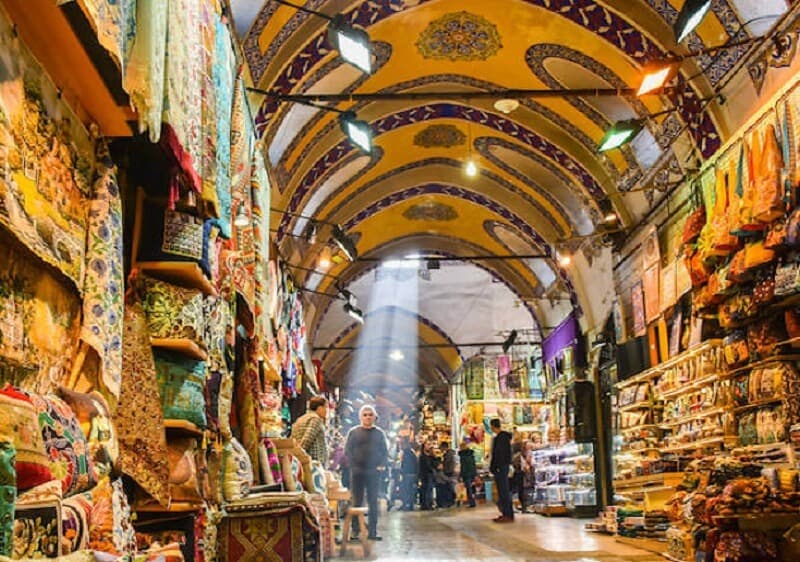
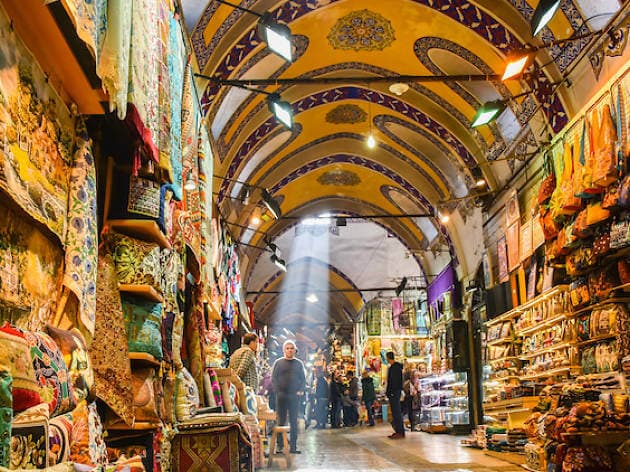
ISTANBUL GRAND BAZAAR
GRAND BAZAAR’s History
The Grand Bazaar is one of Istanbul's most recognizable landmarks and a bustling commercial center that currently employs 26,000 people and sees between 250,000 and 400,000 visitors every day.
It must compete with the modern shopping malls common in Istanbul, but its beauty and fascination represent a formidable advantage for it. On the 550th anniversary of the complex in 2011, the head of the Grand Bazaar Artisans Association said that it was the most visited landmark in the world.
The building's infrastructure, heating, and lighting will all be updated thanks to a restoration project set to begin in 2012. The stalls inside the market will be renovated, and any additions made later will be torn down. This plan will address the major issues plaguing the market, such as the lack of a restroom in the entire bazaar (now it is solved and there are many toilet facilities in the Grand Bazaar). Also, because there haven't been enough controls in the past few years, many dealers have taken out columns and walls from their stores. This, along with the fact that stolen lead was replaced with concrete on the roof of the market, has made it very dangerous for the earthquake that is expected to hit Istanbul in the next few years.
باستثناء الأيام الأخيرة من الأسبوع وحتى الأيام الأخيرة من الأيام العادية، يفتح مركز البازار الكبير كل يوم من الساعة 9:00 حتى 9:00.
History of the Grand Bazaar
Shortly after the Ottoman conquest of Constantinople, in the winter of 1455–56, work began on what would become the Grand Bazaar's central market as part of a larger plan to boost the city's economy. A building specifically for the exchange of textiles was commissioned by Sultan Mehmet II. It was known in Ottoman Turkish as Bezzâzistan-Cedîd ("New Bedesten") and Cevâhir Bedestan ('Bedesten of Gems'). The Persian word bezestan, meaning "bazaar of the cloth sellers," was the inspiration for the English word bedesten. The structure, known variously as the "internal" (Ic), "ancient" (Atik), or "old" (Eski) Bedesten in Turkish, is located on the southwestern slope of Istanbul's third hill, between the ruins of the ancient Fora of Constantine and the Fora of Theodosius. It was also near the first sultan’s palace, the Old Palace (Eski Sarayi), which was also under construction in those same years, and not far from the Artopoleia (in Greek) (Άρτoπωλεία), the city’s bakers’ quarter in Byzantine times.
During the 1460s and 1461s, the Bedesten was completed and donated to the Aya Sofya Mosque's waqf. Even though most of the building is from the second half of the 15th century, academics have pointed to the Byzantine relief of a Comnenian eagle that is still on top of the East Gate (Kuyumcular Kapisi) of the Bedesten as proof that it was built in the Byzantine era.
A slave market, known in Turkish as Esir Pazari, operated not far from the Bedesten, a practice that had been maintained since Byzantine times. The old book market (Sahaflar Carsisi) was relocated from the bazaar to its present picturesque location near the Beyazid Mosque. Other important markets in the area were the "second-hand market" (Turkish: "Bit Pazari"), the "Long Market" (Uzun Carsi), which was the same as the Greek "Long Portico" (Makros Embolos), and the "Long Market."
Mehmet II had a second covered market built to the north of the first. It was called Kücük (which means "Little"), Cedit (which means "New"), or Yeni (both of which mean "New") Bedesten. The name comes from a type of thread that was woven in Bursa and had the color of sandalwood.
بعد بناء Sandal Bedesten ، انتقلت الصناعة الصلبة هناك ، بينما أصبحت Cevahir Bedesten منطقة استثنائية في قطاع التجزئة العالية. كانت في البداية اثنين من البناءات منفصلة. كان هناك صخور الكنيسة وقطع كبيرة بينهم و مسجد بيزايد ، كما ذكرتها مسافر فرنسي في القرن السابع عشر اسم بيير جيلز. ومع ذلك ، بدأت العديد من التجار بسرعة بناء متجر في المساحات بينهم وبين اطرافها ، وفي وقت قريب تم توزيع منطقة كاملة للتجارة.
وفقاً لبيانات عام 1890، كان الحديقة مكاناً لـ 4399 متاجر مفتوحة، 2 bedesten، 2195 غرف، 1 هامام، 1 مسجد، 10 medrasas، 19 مصعد (2 sadirvan و 1 sebil)، 1 موموسلي، و 24 هان.
The last major disaster was an earthquake that struck Istanbul in 1894. Mahmud Celaleddin Paşa, the Minister of Public Works, oversaw the reconstruction of the damaged bazaar until 1898, during which time the size of the complex was reduced. While the Kütkculer Kapi and the old gate were demolished in the west, the Bit Pazari was left outside the new perimeter and turned into an open-air road known as Cadircilar Caddesi (the "Tentmaker Road"). Among all the hans that belonged to the market, many were left outside, and only nine remained enclosed in the structure.
بعد أن تم إخراج مزارعيها من الأعمال التجارية من قبل المنافسة الأوروبية، اشتريت مدينة إسطنبول Sandal Bedesten في عام 1914، وبدأت في استخدامها كمدير تجاري لسيارات السباحة في العام التالي. في عام 1927، تم إعطاء الشوارع والقطاعات من القاعة أسماءها الحالية رسميا.
The complex was last renovated in the 1980s. At the same time, the market's advertising posters were taken down.
The architecture of the Grand Bazaar
في الواقع، فإن Ic Bedesten هو مربع (43.30 م x 29.50 م). يقدم بيلدين اثنين من الجدران على ثلاثة صفوف من الخشب. كل من القوارب لديها قفص صغير من الخشب. تم بناء 44 غرف تحت الأرض (التركية: mahzen) في الجدران الداخلية والخارجية. يقدم Bedesten ضوءها الطبيعي من الأبواب المطاطية التي يتم تثبيتها مباشرة تحت السقف، والتي يمكن الوصول إليها من خلال إضاءة من الخشب. بسبب الإضاءة المحدودة، كانت المبنى مفتوحة لعدة ساعات فقط كل يوم، وتهدف إلى بيع السلع الكريهة، وخاصة الألياف البصرية. بالإضافة إلى ذلك، تم تقديم قفص من Bedesten كقفص. أربعة مقاطع منفصلة تسمح للإنسان الوصول إلى الهيكل:
The northern gate is known as the "Second-hand Book Sellers' Gate" (Sahaflar Kapisi), the southern gate is known as the "Skullcap Sellers' Gate" (Takkeciler Kapisi), the eastern gate is known as the "Jewelers' Gate" (Kuyumcular Kapisi), and the western gate is known as "Women's Clothiers' Gate" (Zenneciler Kapisi).
تتبع Sandal Bedesten الطريقة مع وضع مسطح (40.20 مترًا من 42.20 مترًا)، 12 قوارب من الحجر التي تحمل 20 غرفًا، ومحطات الأقمار الصناعية التي تم تركيبها مع حافلة مسخنة. فقط الجدران الخارجية لها جدران مغطاة. يتم إنشاء الحفر في كل من البناءات من الخشب، وتترابط الحفر مع الأقمار الصناعية التي تم الاتصال بها من خلال الحفر.
The buildings of the Grand Bazaar, except for the Bedesten, were originally erected out of wood; it wasn't until after the devastating fire of 1700 that they were reconstructed out of stone and brick and given roofs. Except for the fur dealers' market (Turkish: Kürkcüler Carsisi), a later addition, all of the buildings in the bazaar are single-story structures. Most of the roofs are tiled, while tarmac has been installed in the area that caught fire in 1954. Bazaar goers were warned not to bring any kind of flashlight or candle, as this would only serve to attract attention and start fights. It runs roughly parallel to the roads that surround the central district of Bedesten. Regardless, the market took on a picturesque appearance, especially in its western part, due to the damage caused by the numerous fires and earthquakes throughout the centuries and the repairs done without a general plan.
What to Buy at the Grand Bazaar in Istanbul
كلييمز و رغوش
One of Turkey's best-known exports is its exquisite hand-woven carpets and kilims (flat-weaves), and the Grand Bazaar is a popular place to find these rugs.
تركيا لديها تاريخ طويل ومثيرة للاهتمام في صنع الأثاث.
وسوف تكون السلالات والطباخات من دول آسيا الوسطى متوفرة جنبا إلى جنب مع تلك المصنوعة في تركيا.
You can browse through a wide variety of carpets in the Grand Bazaar's carpet shops. The best carpet stores will give you a cup of tea and a tour of their showroom while talking about their stock and showing you different kinds of carpets.
When you go carpet shopping, don't forget to bring your sense of humor.
Sellers of carpets are well-known for being a little too enthusiastic with their tales, but you should take it in stride and consider it all in good fun. Keep in mind that, unless they were present during the carpet's production, no carpet dealer has any idea what the weaver was thinking as they created the carpet.
Carpet shopping can be confusing for the uninitiated; if you don't know what you're doing, it's best to just buy something you like. Older carpets and kilims from the village or the nomad's collection were made for the weaver's use, while newer carpets are manufactured with the tourist in mind.
يعتمد قيمة الأثاث القديمة من تركيا والشرق الأوسط على العديد من العوامل، مثل عمرها، والخبرات، والجودة واللون المُستخدم، والغموض في السوق الحالي.
الأضواء والطواحين
لقد كانت هناك زيادة كبيرة في عدد الأشخاص الذين يريدون الضوء والضوء كأطعمة من تركيا.
In the Grand Bazaar, lampshades and chandeliers come in all kinds of modern styles, from metal filigree to colorful glass mosaics.
If you'd rather shop for vintage lighting than new, the Grand Bazaar's Ic Bedesten (Old Bazaar), located in the vicinity of the bazaar's geographic center, is where you'll find most of the specialized antique shops selling such items. The oldest and most iconic structure in the Grand Bazaar is the Ic Bedesten.
انظر في Cebeci Han لأي أدوات إضاءة الفليجرا المتقدمة.
تشمل خيارات أقل عدد من الألواح الزجاجية والطباعة المعدنية المتاحة في البازار.
البراميك و البراميك
كانت مدن إزنيك و كوتيا التي تعمل على تصنيع الحبوب منذ فترة طويلة أول أماكن تصنيع الحبوب التركية الشهيرة.
كما أن الفنانين التركيين يُصنعون الكثير من الأجزاء الحديثة بالإضافة إلى التصاميم التركية التقليدية التي تتميز ببعض الألوان الزهور والخرائط الزهور الأخرى.
تعتمد الأطلسات والطماطم في الطراز هيتي، مع قسم وسطي محكم، على التصاميم الألمانية من العصر البنفسجي، وتقديم هدية ممتازة.
إذا كنت تخطط رحلة إلى كابادوكيا أثناء وجودك في تركيا، قد ترغب في التوقف عن القيام بأي شراء حتى تتمكن من رؤية ما يُعرف بأعمال الفنانين البرازيليين في Avanos، حيث تذكر أعمالهم عن عصر هيت.
In the Grand Bazaar, the main streets are lined with shops that sell cheap, mass-produced ceramics of low quality.
Visit one of the market's dedicated ceramics shops if you're in search of uniquely painted ceramics.
The Arasta Bazaar (behind the Blue Mosque) and the Grand Bazaar are both worth exploring if you're interested in purchasing ceramics in Istanbul.
المعدات التركية
وتُعتبر مدن غزاييتاب، سانيلف، وماردن في جنوب شرق تركيا من بين أكبر المدن في تركيا التي تُعد من أبرزها.
التوقف عن الشراء حتى رحلتك إلى تركيا، وخاصة إلى هذه المدن، حيث ستكون أسعارها أقل هناك.
بعض المواد المفضلة هي مجموعة الخدمات لقطع القهوة والكافتين والطماطم المعدنية مع الأقراص المضغوطة التي تعتمد على التصاميم الأتاتوركية التقليدية.
Engraved Turkish coffee pots, used to brew the beverage over a stovetop, are a practical and attractive souvenir that won't take up too much space in your carry-on.
ناريلا هوبا
ناريجيل (الطائرة الماءية) هو حبر تركي تقليدي يستخدم لخمر التبغ مع طعام الفواكه.
منذ فترة الإمبراطورية العثمانية، تم شرب نغالي في المطاعم التركية.
يمكن أن تتخذ كوبا من الناريدين الزجاجية أو البراميكية (التي تحتفظ بالماء المستخدم في تصفية الدخان) تصميمات معقدة.
Keep in mind that nargile components are often purchased separately, and the bowls can be used as distinctive vases if you're not interested in buying a fully functional nargile but like the look of the bowls.
Go to Ic Bedesten's antique shops if you're in search of vintage Nargile. There are many shops in the bazaar selling contemporary nargile.
الأسماك
The Grand Bazaar is the best place to go in Istanbul to buy jewelry.
There's something for everyone here, from glitzy gold to delicate silver filigree work and pieces set with semi-precious stones.
For gold work, head to the main street of Kalpakcilarbasi Caddesi first, which is lined with gold shops. This is the street that runs between the main Grand Bazaar entrances of Bayazit Gate, on the west side of the bazaar, and Nuruosmaniye Gate, at the eastern end.
لأن الكثير من الإنتاج هو تهدف إلى السوق الزفاف ، فإن الأجزاء ترغب في أن تكون الكلاسيكية في الطراز.
يمكن أن تبدأ البحث عن الثمن في Ic Bedesten (الجديد البازار)، التي هي منزل لعدد من المتاجر المخصصة للبضائع الثمينة.
احذر من الحلوى الكالدووني والزيتونة زولانت، والتي يتم تصنيعها في تركيا ويعتبرها جبلين من الجمال.
الأقراص والقطط
The many smaller textile items available in Turkey are great purchases if you're looking for easy-to-pack items.
تتيح لك إعادة بعض الأثاث الطراز التركي الحقيقي دون سعر ضخم ووزن المواد الغذائية المفرط من شراء الأثاث.
يمكن العثور على المواد الغنية في مجموعة متنوعة من التصاميم والرواتب.
تستخدم الألياف السوزانية الأصلية (اللوحات المضغوطة في آسيا الوسطى) و كليومات العصر الحديث لتصميم ملابس متنوعة (اللوحات المضغوطة المطاطية).
أجهزة هامام
Although bath products might not be the first thing that comes to mind when you think of a traditional Turkish souvenir, they have a deep history thanks to the country's hammam (Turkish bath) culture.
Towels with traditional fringed striped designs, called pestemals, are still used in modern hammams. The stalls in the bazaar will sell a wide variety of mass-produced towels, but if you're looking for something truly unique, you should browse the selection of handwoven cotton pestemals, towels, and bathrobes available at stores that specialize in hammam supplies.
صابون زيت الزيتون المطبوعة من قبل وقطع التبريد المزودة في حامليها هي اثنين من العناصر الصغيرة التي تجعلها هدية رائعة لإنهاء العيد.
ملابس للطباعة
The Grand Bazaar is a fantastic place to shop for accessories, whether you're in the market for a new scarf, pair of slippers, hat, or bag.
تركيا قد تكون معروفة منذ فترة طويلة من قبل منتجاتها الذريعة والرائعة، وهناك أيضا تقليد صناعي يُعد من أهم المصانع التي تنتج اليوم العديد من العناصر الأكثر شعبية وأكثرها احتراماً، وخاصة الأزياء والخياطات.
يجب أن تتذكر أن العديد من الشوارع المتاحة على الإنترنت مصنوعة على نطاق واسع مع السياح في ذهنه ولا يتم إنتاجها حتى في تركيا.
المتاجر الصلبة التي تعمل على طول نهاية الشمال من Yaglikcilar Caddesi هي أفضل الأماكن لتوفير الجذور المدفوعة من الصندوق، والكيماويات، والخزائن والخزائن.
In the southwest corner of the bazaar, along Parcacilar Sokak and Fesciler Caddesi, you'll find a concentration of stores selling leather goods.
الحلوى والطعام التركي
Although the Spice Bazaar is where most tourists go to buy souvenirs and gifts involving spices and Turkish delight, the Grand Bazaar also has plenty of options for these kinds of purchases.
تذكر أن ساماك (الخضروات المزروعة من النباتات الساماك) و بوبير (الخضروات الحمراء المزروعة في حلب) هي اثنين من أكثر المزايا الرائعة في المطبخ التركي.
الماس الخضراء الحلو و الخضراء الخضراء هي اثنين من المزايا التي تستحق العودة (الخضروات الفاكهة المكسورة عادة ما يتم إنتاجها من الخضروات أو الخضروات في تركيا).
انظر إلى العديد من المطعمات Helva التي تم إنتاجها من البذور السامية بالإضافة إلى العديد من الأنواع من الترفيه التركي (المعروفة باسم Lokum في تركيا) التي يتم تغطية مع الأرز وتجميعها مع الماء الوردي أو الفواكه.
Advice on Shopping at the Grand Bazaar
The Grand Bazaar is open from 8.30 a.m. to 7 p.m., Monday through Saturday.
You cannot cover the breadth of the bazaar in one visit. Plan on spending at least an entire morning or afternoon here on your first visit if you want to explore or are serious about shopping, and don't expect to see everything.
Expect to get lost. Half the fun is getting lost in the Grand Bazaar and discovering one of the alley dead ends that lead to an arcaded han (old traveler inn).
الشاي والاتصال مع المستهلكين المحليين والمتسوقين هي جزء أساسي من تجربة. سيج (الشاي) سوف يتم تقديمك من قبل أي شخص و كل من تقترب منك. تجربتك هنا ستكون أكثر ثراء وأكثر مضحكة إذا كنت تأخذ الوقت لتشارك في هذا السياحة التركية.
The initial price you are quoted depends as much on the country you are from as it does on the seller's mood at the time. For an idea of how much items cost, spend some time browsing a range of shops before purchasing.
يُدعى المشتريون والمشتريون هنا لغات مختلفة.
The Grand Bazaar's larger thoroughfares are lined with souvenir shops selling the same trinkets you'll find anywhere: fridge magnets, key chains, Turkey flags, and the ubiquitous nazar boncuk (glass evil-eye protector amulets). Get away from the hustle and bustle of the main drags to find unique and exciting stores.
يمكن العثور على مكاتب السباحة في قبالة هاليسيالار كاديت، بينما يمكن العثور على مكاتب الذهب على طول كالباكسيالارباي كاديت و في قبالة هان السبيكي و بيدسترين الليمفا.
Frequently Asked Questions About The Grand Bazaar
سؤال.: What is the Grand Bazaar?
أ: The Grand Bazaar is a historic covered market in Istanbul, Turkey, known for its maze-like alleys filled with shops selling everything from jewelry and spices to textiles and ceramics.
سؤال.: Where is the Grand Bazaar located?
أ: يقع غرفة البازار الكبير في منطقة فاتيخ في إسطنبول ، تركيا.
سؤال.: How old is the Grand Bazaar?
أ: The Grand Bazaar was established in the 15th century and has been in continuous operation since then.
سؤال.: How big is the Grand Bazaar?
أ: The Grand Bazaar spans over 60 streets and contains over 4,000 shops.
سؤال.: What kinds of products can be found in the Grand Bazaar?
أ: The Grand Bazaar is known for its wide variety of products, including jewelry, textiles, ceramics, spices, and more.
سؤال.: What is the history of the Grand Bazaar?
أ: The Grand Bazaar has a long and rich history, having been an important center of commerce for centuries.
سؤال.: Is the Grand Bazaar only for tourists?
أ: The Grand Bazaar is both a tourist destination and a local shopping hub, attracting both locals and visitors alike.
سؤال.: What are the opening hours of the Grand Bazaar?
أ: The Grand Bazaar is typically open from 9:00 a.m. to 7:00 p.m., seven days a week.
سؤال.: What is the best time to visit the Grand Bazaar?
أ: The best time to visit the Grand Bazaar is in the morning or late afternoon when the crowds are smaller and you can enjoy a more leisurely shopping experience.
سؤال.: Is bargaining expected in the Grand Bazaar?
أ: Bargaining is expected and considered part of the shopping experience at the Grand Bazaar, so be prepared to negotiate prices with vendors.
يمكنك إجراء رحلة إلى إسطنبول مع زوارنا المختصين.
Map of Grand Bazaar